

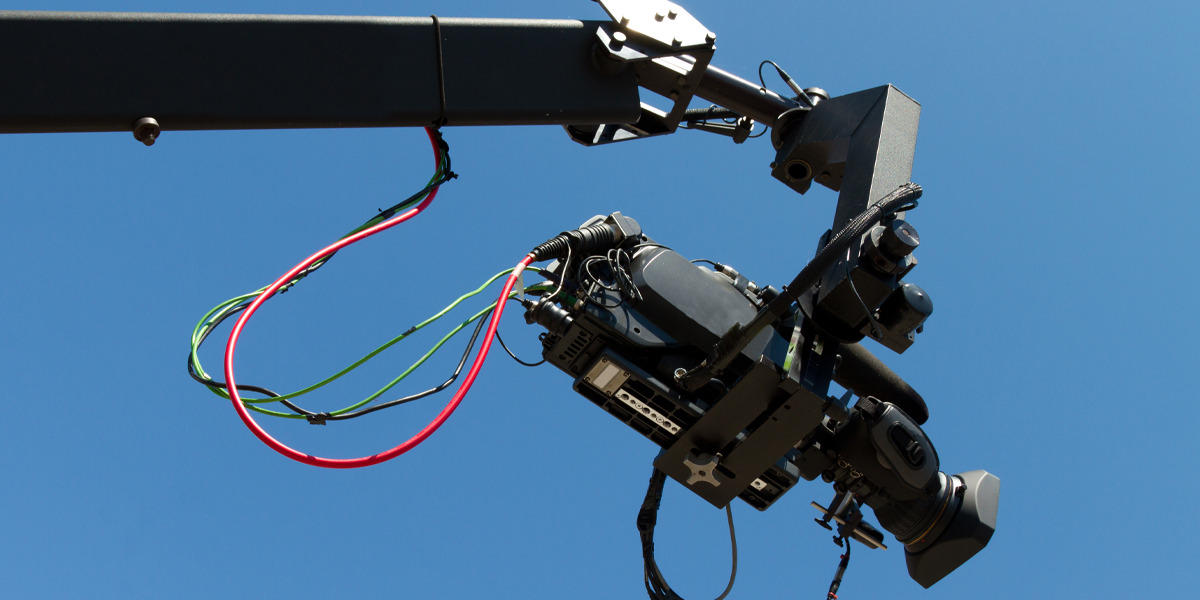
A camera crane is a mechanical arm that lifts and moves a camera smoothly through space so that filmmakers can capture sweeping, controlled shots from high or low angles. It consists of a long arm, a base or dolly, counterweights, and often a remote head that allows pan and tilt from the ground. Using a crane helps productions create dramatic reveals, overhead views, and graceful tracking moves that feel polished and cinematic. Learning about the Top 10 Camera Crane Brands in the World gives learners a clear map of trusted choices. This knowledge supports smarter gear planning decisions.
Technocrane
Technocrane is strongly associated with modern telescopic camera cranes that appear on major feature films, television dramas, and live broadcasts worldwide. Its systems allow operators to extend and retract the arm during a shot while the frame stays stable, which saves time compared with moving the base. Technocrane arms support heavy cinema cameras and work well with stabilised remote heads, so crews can combine smooth vertical and horizontal movement with precise pan and tilt. The company is trusted for solid engineering, dependable electronics, and clear training support that helps teams work safely on demanding sets.
Chapman Leonard
Chapman Leonard is respected in camera support for classic dollies and cranes that integrate smoothly with grip and camera departments on set. Its crane designs focus on balanced counterweight systems, rigid construction, and flexible arm lengths that suit a wide range of payloads. Operators value the gentle start and stop characteristics, which make complex moves repeatable for multiple takes. Chapman Leonard cranes are common on narrative features, commercials, and television projects where reliability is essential. Rental networks, service technicians, and detailed documentation help productions keep equipment in top condition during long and busy schedules worldwide.
Jimmy Jib
Jimmy Jib is widely recognised in music videos, television studios, and live events as a versatile modular crane that travels easily and rigs quickly. The design uses lightweight sections that pin together, so crews can change reach without replacing the entire arm. A remote head at the tip provides pan, tilt, and zoom control from the base where the operator sits near the monitor. Jimmy Jib systems work well indoors and outdoors, delivering agile sweeping moves without the cost and weight of very large cranes. Many training programs introduce students to crane work using this platform.
Panther
Panther is a European manufacturer known for high quality camera cranes, dollies, and remote systems that emphasise rigidity, smooth bearings, and ergonomic design. Its cranes use stiff arms and carefully engineered joints to minimise vibration, even when extended to maximum reach. Panther offers modular arm segments, bases with different wheel options, and compatible remote heads so crews can adapt easily to tight studios or uneven locations. Operators appreciate the precise mechanical feel that supports both very slow moves and faster dynamic shots. The brand also invests in safety accessories, training material, and responsive technical support.
Servicevision Scorpio
Servicevision is known for the Scorpio family of cranes, which includes fixed arm and telescopic models built for demanding film and television production. Scorpio cranes integrate electronic control of arm extension and remote head movement, so operators can design complex moves from a control station rather than riding the arm. The hardware supports heavy camera payloads while staying smooth and quiet for sound critical sets. Servicevision provides custom bases, track options, and accessories that match different studio and location needs. Many major productions choose Scorpio systems when they require long reach, repeatability, and detailed motion data.
Grip Factory Munich
Grip Factory Munich, often shortened to GFM, specialises in precision engineered cranes and grip equipment that suit both studio stages and exterior locations. Its crane arms use carefully designed joints and counterweight layouts that keep movement smooth, predictable, and easy to balance. GFM offers compact cranes for tight spaces as well as larger units that provide higher reach and longer travel paths. Matching bases, track systems, and compatible remote heads create a complete ecosystem around the crane. Technicians value durable materials, careful safety design, and long service life that make these cranes popular in rental fleets.
Egripment
Egripment is a long established supplier of camera cranes, jibs, and remote heads that serves broadcast, sports, and film markets worldwide. Its cranes are designed for quick deployment on outside broadcasts, stadium shows, concert tours, and busy studio floors where crews must work rapidly. Smooth control of boom movement allows operators to deliver fluid shots even during live coverage. Egripment also develops specialised rigs for theme parks, virtual studios, and permanent installations where cameras move on predefined paths. This experience with unusual movement challenges gives the brand a strong reputation for reliability and creative problem solving.
Matthews Studio Equipment
Matthews Studio Equipment is well known for grip hardware such as stands and clamps, and it also builds compact crane and jib systems that fit many production styles. These cranes are popular on commercial sets, independent films, and content studios that need strong support without very heavy bases or long setup times. Matthews designs focus on straightforward assembly, robust metal construction, and compatibility with common dollies and tripods. Crews can integrate the cranes into existing packages without complex electronics. With wide distribution and knowledgeable technical help, Matthews cranes offer an accessible path into professional level crane movement.
CamMate Systems
CamMate Systems supplies camera cranes and jibs that are widely used in broadcast studios, houses of worship, education spaces, and live event venues. The cranes are designed for smooth movement, compact storage, and relatively quick rigging so small crews can manage setup and breakdown efficiently. CamMate arms support a range of camera payloads, from lightweight broadcast units to heavier digital cinema packages. Optional remote heads and control panels at the base give operators accurate control of pan, tilt, and sometimes zoom. These features help productions add graceful sweeps and lifts that raise the visual polish of shows.
Libec
Libec is a Japanese manufacturer recognised for tripods and support gear, and it also offers compact camera cranes aimed at smaller crews, schools, and corporate teams. Libec cranes are often paired with lightweight cinema or broadcast cameras for documentary, education, and online content work. Designs emphasise portability, with sections that pack into manageable cases for travel between locations. Assembly steps are clear and straightforward, which helps teams with limited grip experience work safely and confidently. Balanced arms and smooth controls allow operators to create elegant arcs and rising moves that add extra production value to modest budgets.

