

What is Ethernet Port?
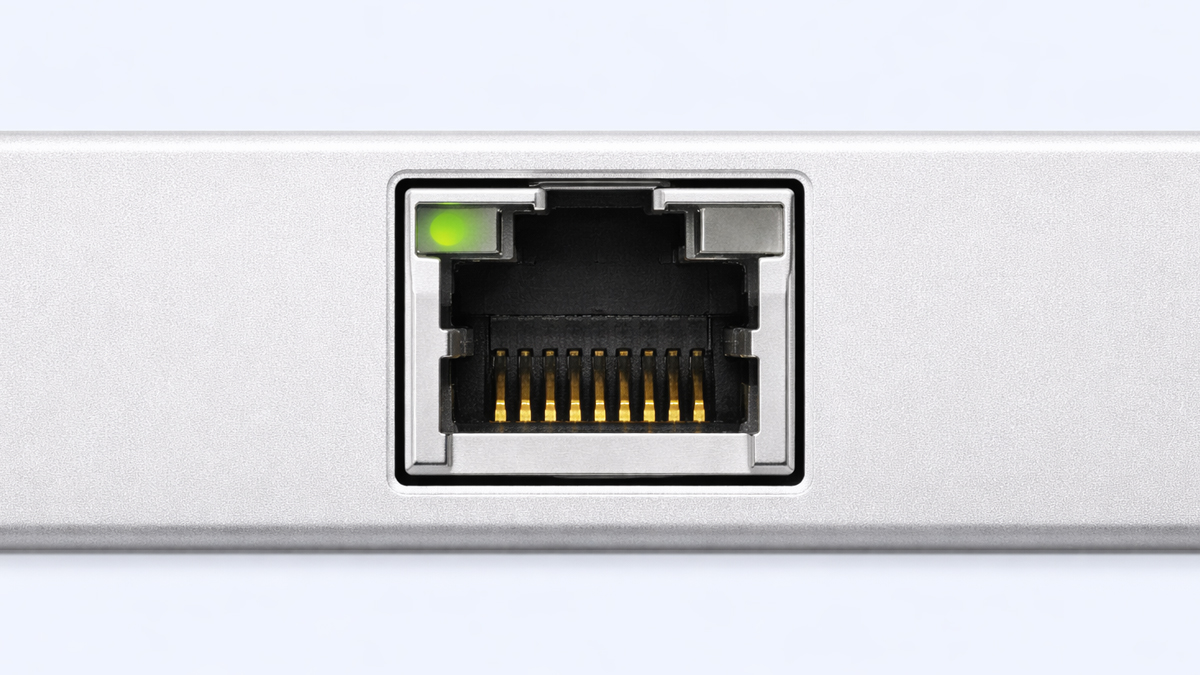
An Ethernet port is a physical network connection point found on many electronic devices. It is designed to connect a device to a wired local area network using an Ethernet cable, usually with an RJ45 connector. In simple words, it is the socket where you plug in a network cable to get a stable, fast, and reliable connection to other devices and the internet.
When we talk about Smart Musical Instruments, an Ethernet port becomes more than a basic networking feature. It can help a digital piano, synthesizer, drum module, stage controller, audio workstation, or smart amplifier connect directly to a studio network, a live performance network, or a home router. This wired link is often chosen when the user needs steady performance, low latency, and fewer connection drops compared to wireless networking.
In the music industry, Ethernet ports can support modern workflows like network based audio, remote control, firmware updates, cloud based preset libraries, collaboration, and integration with lighting and show control systems. In many professional environments, a wired connection is still the most trusted method when stability and timing accuracy matter.
How does Ethernet Port Work?
An Ethernet port works by sending and receiving digital data through a wired connection using Ethernet standards. When you plug an Ethernet cable into the port, the device becomes part of a network. Data is broken into small units called frames, then transmitted over the cable to a network switch or router. The switch or router directs those frames to the correct destination, such as another instrument, a computer, a server, or the internet.
In a smart musical instrument, this can enable multiple types of communication. The instrument might communicate with a companion app on a computer, connect to a digital audio workstation, sync time and tempo across devices, receive show cues, or stream audio across a network. Many advanced stage and studio setups depend on consistent timing, and wired Ethernet helps because it avoids common wireless issues like interference, range limitations, and sudden drops.
Ethernet communication also uses addresses to identify devices. Each network device has a unique hardware address called a MAC address. It may also have an IP address assigned by the network. Once the addresses are set, devices can exchange information in a controlled way. For smart instruments, this can mean sending performance data, receiving updates, pulling sound libraries, or talking to network audio systems with precise timing.
What are the Components of Ethernet Port?
Ethernet port components include both the visible physical parts and the internal electronics that make network communication possible. Together, they ensure reliable wired connectivity and proper signal handling.
RJ45 jack: This is the physical socket where the Ethernet cable plugs in. It has a clip mechanism that locks the connector in place and keeps the connection secure.
Contact pins: Inside the RJ45 jack are metal contacts that touch the pins on the cable connector. These contacts carry electrical signals between the cable and the device.
Magnetics module: Many Ethernet ports use integrated magnetics, often called isolation transformers. These help reduce electrical noise, protect the device, and improve signal quality. They also support electrical isolation, which is important for safety and stability.
PHY chip: The physical layer transceiver, often called the Ethernet PHY, converts digital signals inside the device into electrical signals suitable for the cable, and converts received signals back into digital data. This is a key part of making Ethernet work.
LED indicators: Most Ethernet ports have small LEDs that show link status and activity. One LED might indicate a valid connection, while another might blink during data transfer or indicate speed.
Shielding and grounding: Many Ethernet ports are shielded to reduce electromagnetic interference. This is especially useful in music environments where power cables, lighting rigs, and audio gear can create noise.
Firmware and network stack: While not a physical part of the port, the device firmware and networking software are essential. They manage IP addresses, data routing, protocols, and application level features like control, updates, and streaming.
In smart musical instruments, these components help ensure that networking remains stable even when the instrument is used in busy environments like live stages or large studios.
What are the Types of Ethernet Port
Ethernet ports can be categorized by speed capability, connector style, and usage context. In smart musical instruments, the most common type is the standard RJ45 Ethernet port, but the speed and feature set can vary.
Fast Ethernet port: This typically supports up to 100 Mbps. It can be enough for basic tasks like updates, remote control, and simple network communication.
Gigabit Ethernet port: This supports up to 1 Gbps. It is common in modern professional devices because it provides more headroom for network audio, large downloads, and multiple network tasks at once.
Multi Gig Ethernet port: This supports speeds higher than 1 Gbps, such as 2.5 Gbps or 5 Gbps. It is less common in instruments today, but it can appear in advanced studio gear and high end network audio equipment.
EtherCON style port: In live sound and touring setups, manufacturers sometimes use ruggedized Ethernet connectors. EtherCON is a common style that adds a locking and protective shell around the RJ45 connection. Some smart music devices may support EtherCON for reliability on stage.
PoE capable Ethernet port: Power over Ethernet allows the cable to carry both data and power. Some devices support PoE to reduce the need for separate power adapters. In music setups, PoE can be useful for controllers, network stage boxes, or small smart devices, though it is not yet very common for full instruments.
Dedicated network audio ports: Some equipment includes Ethernet ports intended specifically for network audio protocols. While the port is still Ethernet, the device design and settings may be optimized for audio over IP systems.
In the context of smart musical instruments, the best type depends on what the instrument needs to do. A gigabit port is usually the most flexible choice for modern music workflows.
What are the Applications of Ethernet Port?
Ethernet ports have many practical applications in smart musical instruments and related music technology. They help instruments connect, communicate, and perform in professional workflows.
Studio networking: Instruments can connect to computers, servers, and network storage. This can support fast transfer of recordings, presets, and sample libraries.
Firmware updates and device management: Manufacturers can deliver firmware updates more reliably through a wired connection. Some systems also allow remote diagnostics and configuration.
Remote control and automation: A smart instrument can be controlled over a network by a tablet, computer, or dedicated controller. This can include patch changes, parameter control, setlist management, and scene recall.
Network MIDI and control data: Some modern setups use Ethernet for transmitting control messages, including MIDI over network solutions. This can reduce cable clutter and increase flexibility in large rigs.
Audio over IP workflows: Ethernet is widely used in professional audio networks. Some smart instruments and related devices connect to audio over IP systems, enabling multi channel audio transport across a network.
Time synchronization: Ethernet networks can distribute clock and timing information. For music systems, timing matters because audio and performance data must align precisely. Network based synchronization can help keep devices in sync.
Live performance integration: In concerts and events, Ethernet is used for connecting multiple systems, including audio consoles, stage boxes, lighting controllers, and media servers. Smart instruments can join this network for coordinated show control.
Collaboration and cloud connectivity: Some smart instruments connect to cloud platforms to download sounds, share presets, sync user profiles, and support remote collaboration. A wired connection provides stable access in professional environments.
These applications show why Ethernet is still important in modern music gear, especially when reliability and performance consistency matter.
What is the Role of Ethernet Port in Music Industry?
The role of an Ethernet port in the music industry is to provide stable and high performance connectivity for instruments, audio systems, and production environments. As music technology becomes more network based, Ethernet ports help connect the entire ecosystem.
In studios, Ethernet supports modern workflows where multiple devices must communicate quickly. This includes smart instruments, computers, audio interfaces, network storage, and controllers. Instead of relying only on direct cables for every connection, a network can allow devices to share resources and communicate more efficiently.
In live sound and touring, Ethernet is a backbone technology. Many professional audio systems use Ethernet based protocols to carry audio and control signals. When a smart instrument includes an Ethernet port, it can integrate more easily into these environments. For example, it may receive show cues, sync tempo with a master system, or connect to a stage network for monitoring and routing.
In education and training, Ethernet ports can support centralized management of instruments in music labs. A classroom with multiple digital pianos or electronic instruments can use wired networking for updates, settings control, and lesson integration.
For content creators and modern performers, Ethernet can enable streaming, remote collaboration, and stable control connections. A smart instrument that can connect via Ethernet may provide smoother performance when the user is recording, streaming, or running a complex production setup.
Overall, the Ethernet port is a practical and professional connectivity option that helps smart musical instruments fit into real world music industry workflows.
What are the Objectives of Ethernet Port?
The objectives of an Ethernet port focus on delivering reliable wired network connectivity and supporting stable communication between devices. In smart musical instruments, these objectives are tied closely to performance quality and professional usability.
Stable connection: Ethernet is designed to provide a dependable link that does not suffer from the same interference issues as wireless connections.
Low latency communication: Many music applications require fast response times. Ethernet helps keep delays low, which is important for real time control and synchronized systems.
High bandwidth capability: As instruments and music systems handle larger data, such as sample libraries and multi channel audio, Ethernet provides enough speed for smooth transfers.
Secure networking: Wired connections are often easier to secure and manage in professional environments, especially when devices are on controlled networks.
Interoperability: Ethernet is a widely supported standard. The objective is to let devices from different manufacturers connect through common networking equipment like switches and routers.
Scalability: Ethernet networks can grow from a small home studio to a large venue system. The port helps an instrument fit into simple or complex setups.
Efficient device management: Ethernet can support centralized updates, monitoring, and configuration, which is useful for studios, venues, and institutions.
These objectives explain why Ethernet remains a key connectivity option, even as wireless technologies improve.
What are the Benefits of Ethernet Port?
Ethernet ports offer practical benefits that are especially valuable in professional music environments. Smart musical instruments can gain major workflow advantages when they include Ethernet connectivity.
Reliable performance: Wired connections are less likely to drop or suffer interference. This is important during live performances and critical recording sessions.
Consistent speed: Ethernet often provides more predictable throughput than Wi Fi, which can vary with signal strength and congestion.
Lower latency: Ethernet typically delivers faster response times than wireless connections. This matters for real time control, synchronization, and network audio.
Better stability in crowded environments: Concert venues and events often have crowded wireless conditions. Ethernet avoids those problems and keeps communication steady.
Improved security: A wired connection can reduce exposure to some wireless vulnerabilities. It is also easier to isolate devices on a dedicated network.
Professional integration: Many professional audio and show control systems are built around Ethernet. A smart instrument with an Ethernet port can integrate more smoothly.
Simplified troubleshooting: Ethernet networks are usually easier to diagnose with standard tools. Link indicators, switch ports, and network tests can help identify issues quickly.
Support for advanced protocols: Many audio over IP and control systems are designed for Ethernet. This opens the door to professional workflows that would not be practical over basic wireless connections.
These benefits make Ethernet ports a strong option for users who want stable and professional connectivity for smart musical instruments.
What are the Features of Ethernet Port?
Ethernet ports have key features that define how they perform and how they can be used in smart musical instruments. These features are not only about speed but also about reliability, compatibility, and usability.
Standardized connectivity: Ethernet follows widely accepted standards, which means it works with common cables, switches, and routers.
Multiple speed support: Many Ethernet ports can automatically negotiate the best available speed, such as 10 Mbps, 100 Mbps, or 1 Gbps, depending on the network.
Auto negotiation: The port can automatically detect network speed and duplex settings to improve compatibility and performance.
Full duplex communication: Modern Ethernet typically supports full duplex mode, meaning data can be sent and received at the same time.
Link and activity indicators: LEDs show if the network link is active and whether data is being transmitted, which helps users and technicians.
Cable length support: Ethernet can reliably run over long distances, commonly up to 100 meters for standard copper cabling. This can be useful in studios and venues.
Noise resistance: Ethernet uses signaling methods and isolation that help maintain stable communication even in electrically noisy environments.
Protocol flexibility: Ethernet can carry different types of data, including control messages, file transfers, remote management traffic, and network audio streams.
These features help make Ethernet ports a dependable foundation for modern smart musical instrument connectivity.
What are the Examples of Ethernet Port?
Examples of Ethernet ports can be described through common device scenarios and real world music setups. The port itself is the same idea, but how it is used can vary.
Digital piano with network features: A smart digital piano may include an Ethernet port for stable connection to a learning platform, firmware updates, and library downloads.
Synthesizer with remote control: Some synthesizers support network based editors or control apps. Ethernet can provide a stable link between the synth and a computer on stage or in a studio.
Smart amplifier with cloud presets: A modern amplifier may download tone profiles, share patches, and update software through Ethernet for consistent speed and reliability.
Audio interface or stage box: Many professional audio interfaces and stage boxes use Ethernet connections for audio over IP or for connecting to a digital mixer.
Network MIDI controller: Some advanced controllers or performance rigs use Ethernet for transmitting control data across a larger stage setup.
Music production workstation: A workstation keyboard may connect via Ethernet to a studio network to transfer projects, samples, and backups.
These examples show how Ethernet ports can support smart features that go beyond basic internet access.
What is the Definition of Ethernet Port?
The definition of an Ethernet port is a physical network interface on a device that enables wired communication using Ethernet standards. It allows the device to connect to a local area network through an Ethernet cable and exchange data with other network devices.
In the context of smart musical instruments, this definition includes the idea that the Ethernet port is a gateway for connecting the instrument to modern music networks. It supports communication for control, content delivery, device management, and sometimes real time audio networking.
A clear definition focuses on the purpose, which is wired data communication using standardized Ethernet technology.
What is the Meaning of Ethernet Port?
The meaning of an Ethernet port is the practical idea behind it. It means that a device can join a wired network for stable and high performance communication. It also means the device can connect to other systems in a structured way, using common networking hardware.
For smart musical instruments, the meaning goes deeper. It means the instrument can become part of a connected music ecosystem. Instead of being isolated hardware, it can interact with software, networks, cloud services, and other equipment. It can receive updates, share data, sync with other systems, and support advanced workflows.
In real terms, it means fewer connection problems, better reliability, and more professional integration, especially when compared to relying only on wireless connectivity.
What is the Future of Ethernet Port?
The future of Ethernet ports in smart musical instruments is likely to remain strong, especially in professional and performance focused environments. While wireless technologies will continue to improve, Ethernet has a unique advantage in reliability, predictable latency, and compatibility with professional networks.
Faster speeds will become more common. Gigabit Ethernet is already widespread, and multi gig options may slowly appear in higher end music gear, especially where large sample libraries, high resolution audio, and complex network routing are involved.
Network audio will continue to grow. As more studios and venues adopt audio over IP solutions, smart instruments may be designed to integrate directly into these networks. This could allow easier routing, multi channel streaming, and flexible stage setups.
Better device ecosystems are also part of the future. Manufacturers may expand cloud based sound libraries, user profiles, and remote performance features. Ethernet can provide a stable backbone for downloading and syncing these resources, particularly in professional studios where wired networking is preferred.
At the same time, devices may offer combined connectivity options. Many smart instruments may keep Ethernet for professional use while also including Wi Fi and Bluetooth for convenience. This gives users a choice depending on the situation.
The future is not only about speed, but also about smarter integration. Ethernet ports will likely support improved security features, better management tools, and tighter synchronization capabilities. In music, timing and stability are always important, so Ethernet will remain relevant as smart musical instruments become even more connected.
Summary
- An Ethernet port is a wired network connection point that allows devices to communicate through Ethernet standards using an RJ45 cable connection
- In smart musical instruments, Ethernet supports stable connectivity for updates, remote control, syncing, and integration with studio and live networks
- Ethernet works by sending data frames through a cable to network equipment like switches and routers, enabling reliable device to device communication
- Key components include the RJ45 jack, contact pins, magnetics, PHY chip, LEDs, shielding, and the device networking software
- Common types include Fast Ethernet, Gigabit Ethernet, ruggedized EtherCON style ports, and sometimes PoE capable ports
- Applications include studio networking, firmware updates, cloud libraries, network MIDI style workflows, time synchronization, and audio over IP systems
- Benefits include reliability, consistent speed, low latency, stronger stability in crowded venues, improved security, and easier professional integration
- Features include standardized compatibility, auto negotiation, full duplex communication, link indicators, long cable support, and resistance to interference
- The future points toward wider gigabit usage, gradual adoption of multi gig speeds, deeper audio over IP integration, and hybrid wired plus wireless connectivity

