

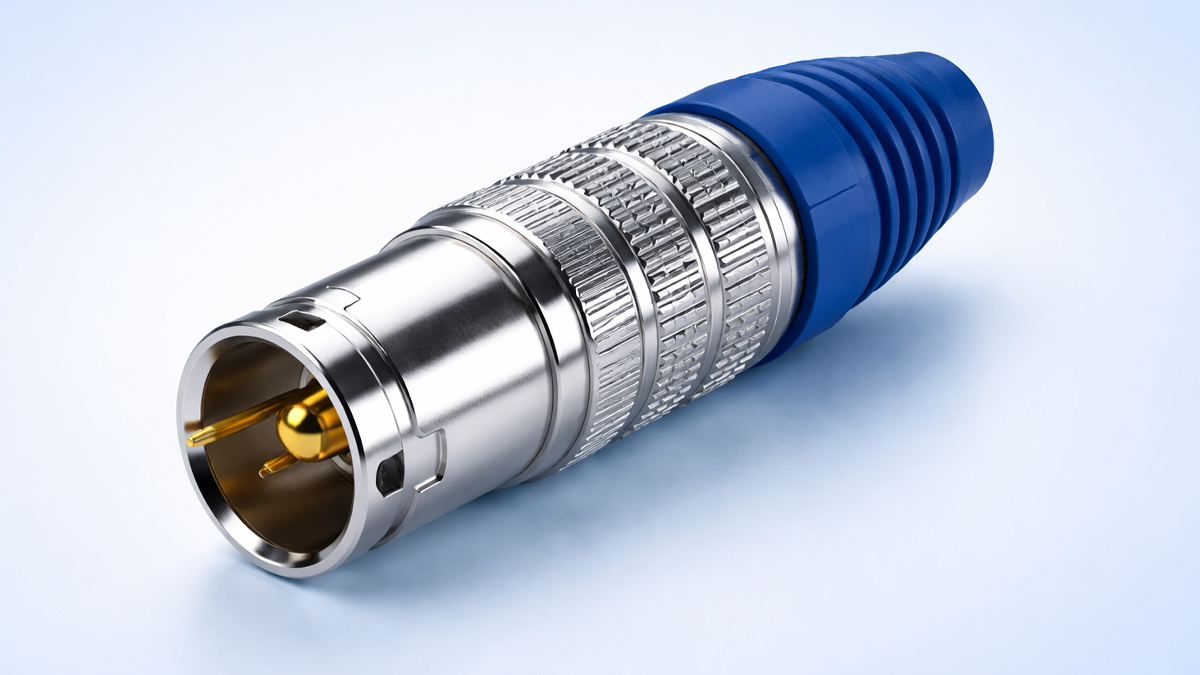
What is 12G SDI Connector?
A 12G SDI Connector is a professional video connection interface used to carry 12G SDI signals, which are high bandwidth digital video signals commonly used in broadcast, live production, and modern cinema workflows. In simple terms, it is the physical connector and matching cable interface that allows equipment to send and receive uncompressed, low latency video over coaxial cable at data rates up to 12 gigabits per second. This speed is important because it can transport 4K video at higher frame rates and higher color fidelity compared to older SDI generations.
In the cinema industry, 12G SDI Connector systems are used to connect cameras, monitors, recorders, switchers, routers, and video assist equipment, especially where reliability and consistent performance matter more than convenience. While many people think of SDI as only a broadcast standard, it is deeply integrated into cinema set environments because it is stable, predictable, and designed to work over longer distances than many consumer video interfaces.
Core idea: One cable can carry a full quality video feed with embedded audio, timecode, and metadata, while keeping latency extremely low and synchronization practical.
Practical view: If you are working with 4K monitoring on set, a 12G SDI Connector is often the fastest and most dependable path between a cinema camera and a professional monitor without compression.
How does 12G SDI Connector Work?
A 12G SDI Connector works by providing the physical connection and impedance matched interface needed to transmit a 12G SDI electrical signal through coaxial cable from one device to another. The SDI signal is a serial digital stream. It is encoded and transmitted at very high speed, and the receiving device then recovers the clock, equalizes the signal, and reconstructs the video and embedded data.
Signal transmission: The camera or source device converts video into a serial bitstream, applies SDI formatting, and pushes the signal through a transmitter that is designed for 75 ohm coax systems. The connector and cable maintain impedance consistency, which helps reduce reflections, signal loss, and jitter.
Equalization and recovery: At 12G speeds, signal loss becomes more significant, especially across longer cables. The receiving device uses adaptive equalization to compensate for high frequency attenuation. Many professional devices also include reclocking to regenerate a clean SDI signal for onward distribution.
Embedded data transport: SDI is not only about video pixels. It can carry embedded audio channels, ancillary data, timecode, and control information. This is extremely helpful in cinema workflows where you want picture, audio reference, and timing information to travel together.
Distance and stability: Cable quality, connector quality, and device equalization determine how far the signal can travel without errors. The connector itself matters more at 12G than at lower bandwidth because any mechanical looseness, poor plating, or impedance discontinuity can cause dropouts or instability.
On set reality: When a director monitor or video village monitor shows a clean and steady 4K feed with no flicker or random black frames, the connector and cable system is often a major reason why.
What are the Components of 12G SDI Connector?
A 12G SDI Connector system is not only the metal tip that you plug in. It is a full chain of mechanical and electrical parts that must work together to carry a high speed signal with minimal loss and minimal interference.
Connector body: This includes the outer shell, coupling mechanism, and structural components that provide durability. Many professional SDI connectors use a locking bayonet style coupling, which helps prevent accidental disconnection.
Center contact and dielectric: The center pin or center contact carries the signal conductor. Around it is a dielectric insulator that keeps spacing consistent. The geometry and materials are critical because SDI requires 75 ohm impedance.
Outer contact and shield interface: The outer part of the connector interfaces with the coax shield. This provides the return path and electromagnetic shielding. A strong, consistent shield connection helps reduce interference.
Cable interface and strain relief: The connector must attach to the cable with correct termination. Strain relief prevents repeated bending from damaging the connection, which is very important on film sets where cables are moved and stepped on.
Termination and crimp or compression structure: Professional connectors use specific termination methods to maintain impedance and minimize signal reflections. The termination method must be matched to the cable type.
Device socket and panel mount interface: The connector on the cable mates with a port on the camera, monitor, router, or recorder. Panel mount quality and mechanical tolerance also affect reliability.
Supporting electronics: While not physically part of the connector, the transmitter, receiver, reclocker, and equalizer circuits in devices determine whether the full connector chain performs well at 12G.
Quality focus: At 12G, the system behaves like a high frequency transmission line. Small imperfections that were harmless at lower SDI rates can become visible as errors, dropouts, or limited cable distance.
What are the Types of 12G SDI Connector?
There are different types of 12G SDI Connector options used across cinema and professional video. The key differences are based on connector form factor, mechanical design, and the cable type they support.
BNC 75 ohm connectors: These are the most common connectors used for SDI, including 12G. They are widely used on cameras, monitors, routers, and switchers. Modern true 75 ohm BNC connectors are designed to support higher frequencies needed for 12G.
Mini BNC connectors: Some compact devices use smaller connectors to save panel space. These can support high data rates when designed correctly, but they require matching cables and adapters.
DIN 1.0 2.3 connectors: These are compact locking connectors commonly found on dense broadcast equipment and some high end routing systems. They are designed for high density and strong mechanical retention.
HD BNC connectors: These are smaller than standard BNC and are commonly used where high port density is required. They can be used for 12G depending on device and cable specifications.
Panel mount versus cable mount connectors: Panel mount types are installed on equipment chassis, while cable mount types are attached to cable ends. Both must maintain impedance and mechanical alignment.
Straight versus right angle designs: Right angle connector designs reduce strain when cables must route tightly, but they must be engineered carefully to keep impedance consistent.
Adapters and couplers: In real productions, you will often use couplers, barrels, and adapters. At 12G, these must be high quality and rated appropriately, otherwise the chain becomes fragile.
Practical selection: In cinema environments, standard 75 ohm BNC remains the most common because it is rugged, familiar, and widely supported across equipment.
What are the Applications of 12G SDI Connector?
12G SDI Connector applications are found anywhere you need uncompressed, low latency, professional grade video transport. In cinema, the priorities include reliability, long cable runs, accurate monitoring, and simple integration with professional tools.
On set camera to monitor: A primary use is sending a camera feed to a director monitor, focus puller monitor, and DIT station. 12G enables 4K monitoring over a single cable, reducing complexity compared to multi cable approaches.
Video assist and playback: Video assist systems often record camera feeds and provide instant playback. 12G SDI connectors support high quality feeds for review without the compression artifacts that can confuse creative decisions.
DIT and color workflows: A DIT may rely on clean signals to apply look management, exposure checks, and LUT monitoring. 12G SDI can carry 4K signals to reference monitors and capture devices.
Live production and multicam cinema events: Concert films, sports style cinema shoots, and live streamed events often require high frame rate 4K feeds. 12G SDI provides stable transport to switchers and recorders.
Routing and distribution: On larger sets and studios, SDI routers distribute signals to multiple destinations. 12G SDI connectors enable routing of 4K signals without needing conversion to multiple links.
External recorders and converters: Many cinema cameras output SDI to external recorders or converters for monitoring formats, wireless systems, or streaming workflows.
Wireless video transmitters: Some wireless systems accept 12G SDI input. A robust connector ensures the wireless chain starts with a clean signal.
Post production ingest and capture: SDI capture cards and studio ingest systems can use 12G SDI connectors to bring high quality video into editing or grading systems.
Key advantage: These applications share a need for low latency, stable sync, and consistent signal quality.
What is the Role of 12G SDI Connector in Cinema Industry?
In the cinema industry, the 12G SDI Connector plays the role of a reliable bridge between image capture and creative decision making. It is the physical layer that supports a modern professional video pipeline.
Maintaining trust in monitoring: Directors, cinematographers, focus pullers, and DIT teams make decisions based on what they see. A connector that holds signal integrity helps ensure the monitor shows the true feed without random dropouts or unstable connections.
Supporting 4K workflows on set: As cinema production increasingly uses higher resolution capture, monitoring and distribution must keep up. 12G SDI can carry 4K over a single coax, making rigging simpler and cleaner.
Reducing cable clutter: Earlier approaches to 4K over SDI often used multiple cables. 12G reduces the number of runs, which improves safety and makes setup faster.
Enabling long cable runs: Film sets often require long cable paths to video village, control tents, and remote monitors. SDI over coax typically reaches farther than many consumer alternatives, depending on cable quality and device equalization.
Integrating professional ecosystems: Many cinema and broadcast devices are built around SDI. The connector lets cameras speak directly to routers, switchers, converters, and monitors without complex configuration.
Improving robustness in harsh environments: Sets can be dusty, humid, hot, and physically demanding. Locking connectors and rugged coax systems are designed to survive this.
Practical reality: A stable connector is not glamorous, but it often prevents costly delays, reshoots, and confusion on set.
What are the Objectives of 12G SDI Connector?
The objectives of a 12G SDI Connector in cinematic electronics are focused on delivering a professional transport layer that supports high quality video with stability and predictability.
Objective of high bandwidth transport: The connector supports the physical delivery of 12G SDI signals, making it possible to carry 4K video and higher frame rates over a single cable.
Objective of low latency monitoring: SDI is designed to be real time. The connector helps maintain this by enabling a direct electrical connection without compression delay.
Objective of reliability under movement: Cinema environments involve constant cable movement. The objective is to keep the connection stable through locking mechanisms and durable construction.
Objective of signal integrity and impedance consistency: A key objective is maintaining 75 ohm impedance and minimizing reflections and jitter that can cause errors at high data rates.
Objective of compatibility across professional gear: A connector standard helps devices from different manufacturers interoperate. SDI connectors support that ecosystem.
Objective of efficient on set workflows: Fewer cables, fewer adapters, and more predictable performance reduce setup time and troubleshooting.
Objective of support for embedded data: SDI workflows often rely on embedded audio and timing. The connector system supports carrying these signals alongside video.
In short: The objective is to make high resolution, professional monitoring and distribution simple, stable, and fast.
What are the Benefits of 12G SDI Connector?
The benefits of using a 12G SDI Connector in cinema industry workflows are both technical and practical. They show up in how smoothly a set operates and how confidently teams can rely on the signal path.
Benefit of single cable 4K: You can carry 4K video over one coax run, reducing rig complexity and cable clutter.
Benefit of strong physical retention: Locking styles reduce accidental disconnects, which is a common cause of on set interruptions.
Benefit of uncompressed quality: SDI typically delivers uncompressed video, avoiding compression artifacts that may hide focus issues or distort color decisions.
Benefit of low latency: Real time monitoring helps focus pullers and camera operators respond instantly.
Benefit of longer distance support: With proper cable and devices, SDI can travel farther than many consumer interfaces, which suits larger sets.
Benefit of embedded audio and metadata: Carrying multiple signal types on one cable simplifies rigging and reduces sync headaches.
Benefit of broad professional compatibility: Many cinema monitors, routers, and production tools support SDI, making integration easy.
Benefit of predictable troubleshooting: SDI systems often behave more predictably than complex network based video in fast paced set conditions.
Benefit of durability: SDI connectors and coax cables are built for professional abuse, including repeated plugging and cable strain.
Overall: The benefits center on stability, speed, and confidence.
What are the Features of 12G SDI Connector?
A 12G SDI Connector includes design features that help it carry very high frequency signals while also surviving demanding production environments.
Feature of 75 ohm impedance design: The connector geometry is engineered to match coax cable impedance, reducing reflections.
Feature of high frequency performance: True 12G capable connectors support the frequency range needed for 12 gigabit transmission.
Feature of locking coupling: Many designs use bayonet locking or similar retention to prevent unwanted disconnects.
Feature of robust shielding: Shield contact supports noise rejection, which is important around lighting rigs, motors, and wireless equipment.
Feature of precision manufacturing tolerance: Tight mechanical tolerances help consistent electrical performance and reliable mating cycles.
Feature of compatibility with professional coax cables: Connectors are designed for specific cable diameters and construction types, ensuring a secure termination.
Feature of support for high mating cycles: Professional environments require frequent connect and disconnect operations. Durable plating and mechanical design support this.
Feature of support for field replaceable terminations: Many production teams rely on connectors that can be terminated or repaired in the field with correct tools.
Feature of compact options: Mini and high density variants allow more ports on compact devices without abandoning SDI.
In practice: The best feature set is the one that keeps your picture steady for long hours without surprises.
What are the Examples of 12G SDI Connector?
Examples of 12G SDI Connector usage can be described through real cinema and production scenarios where the connector enables a clean link between devices.
Example of cinema camera to 4K director monitor: A cinema camera outputs 12G SDI to a 4K reference monitor at video village using a single coax run.
Example of camera to wireless transmitter: A camera sends a 12G SDI feed to a wireless video transmitter that supports 4K input, enabling stable high quality wireless monitoring.
Example of on set DIT cart integration: The camera feed goes to a converter or capture device on a DIT cart for look management and exposure evaluation.
Example of studio routing: A studio or stage uses a 12G capable router to distribute 4K signals to multiple monitors and recorders.
Example of multicam switching: Multiple cameras feed a 12G production switcher, allowing real time 4K live cutting for a concert film or event capture.
Example of external recorder connection: A camera outputs SDI to an external recorder for high quality capture or for a monitoring pipeline.
Example of playback and review system: Video assist records 4K feeds via 12G SDI connectors and provides instant playback for performance review.
Example of long run monitoring: A long coax run connects a remote camera position to a monitoring station with minimal delay.
These examples show that the connector is central to connecting the camera world to the monitoring and decision world.
What is the Definition of 12G SDI Connector?
The definition of a 12G SDI Connector is a 75 ohm professional coaxial connector interface designed to transmit and receive 12G SDI serial digital video signals between compatible devices, supporting high bandwidth uncompressed video, embedded audio, and ancillary data with low latency and reliable physical retention.
This definition emphasizes two sides: electrical performance for 12G data rates and mechanical reliability for professional workflows.
What is the Meaning of 12G SDI Connector?
The meaning of 12G SDI Connector in practical cinema terms is a dependable high speed cable connection that lets cinema equipment share a full quality 4K video signal quickly and consistently. It represents confidence in the signal path.
Meaning for crews: When you plug in a 12G SDI connector, you expect the monitor to lock instantly, the image to remain stable, and the connection to survive movement and long shooting days.
Meaning for workflow: It is the physical foundation that supports modern 4K production monitoring, routing, capture, and distribution without requiring complicated setup.
Meaning for quality control: It helps the team evaluate focus, framing, exposure, and color decisions with fewer compromises.
Meaning for scale: Whether you are on a small set or a large stage, the connector helps signals move cleanly from one location to another.
What is the Future of 12G SDI Connector?
The future of 12G SDI Connector usage in cinema will likely be shaped by a mix of continuing SDI demand and the growth of IP based video systems. Even as some environments shift toward network transport, SDI remains strong because it is simple, low latency, and predictable.
Continuation in on set monitoring: Many cinema productions will continue to rely on SDI because crews value reliability. As cameras and monitors keep supporting SDI, connectors will remain essential.
Better connector and cable engineering: Expect continued improvements in termination quality, cable materials, and connector tolerance to extend usable distances at 12G.
Hybrid workflows with IP: Some sets and studios will use IP video for routing and remote collaboration while still using 12G SDI connectors at the camera edge and for critical monitoring points. Converters and gateways will keep SDI relevant.
Higher resolutions and higher frame rates: As more productions use higher than 4K and high frame rate capture, 12G will continue to be used for many 4K paths, while higher capacity SDI standards and multi link methods may handle bigger formats.
Smarter signal management: Devices may include stronger equalizers, more robust reclocking, and diagnostics that help identify cable or connector issues quickly.
Ruggedization and miniaturization: Compact connectors will become more common on small form factor devices, while rugged connectors will remain popular for harsh set conditions.
Long term view: 12G SDI connectors will likely remain a core part of cinema connectivity for years because they are trusted and widely supported, even as IP workflows expand.
Summary
- 12G SDI Connector is a professional 75 ohm coax connection used to carry 12G SDI high bandwidth uncompressed video signals
- It supports reliable 4K video transport with low latency, often with embedded audio, timecode, and metadata
- The connector system depends on impedance consistency, strong shielding, and high quality termination for stable performance
- Common types include standard BNC and compact high density variants used on modern professional equipment
- Key cinema applications include on set monitoring, DIT workflows, video assist, routing, switching, and capture
- Its role in the cinema industry is to keep monitoring and distribution dependable so creative teams can trust what they see
- Main objectives include high bandwidth transport, minimal delay, durability, and broad compatibility across professional gear
- Benefits include single cable 4K, strong physical retention, uncompressed quality, longer runs, and predictable troubleshooting
- The future points to continued SDI use in cinema, with hybrid SDI and IP systems and ongoing improvements in connector performance

