

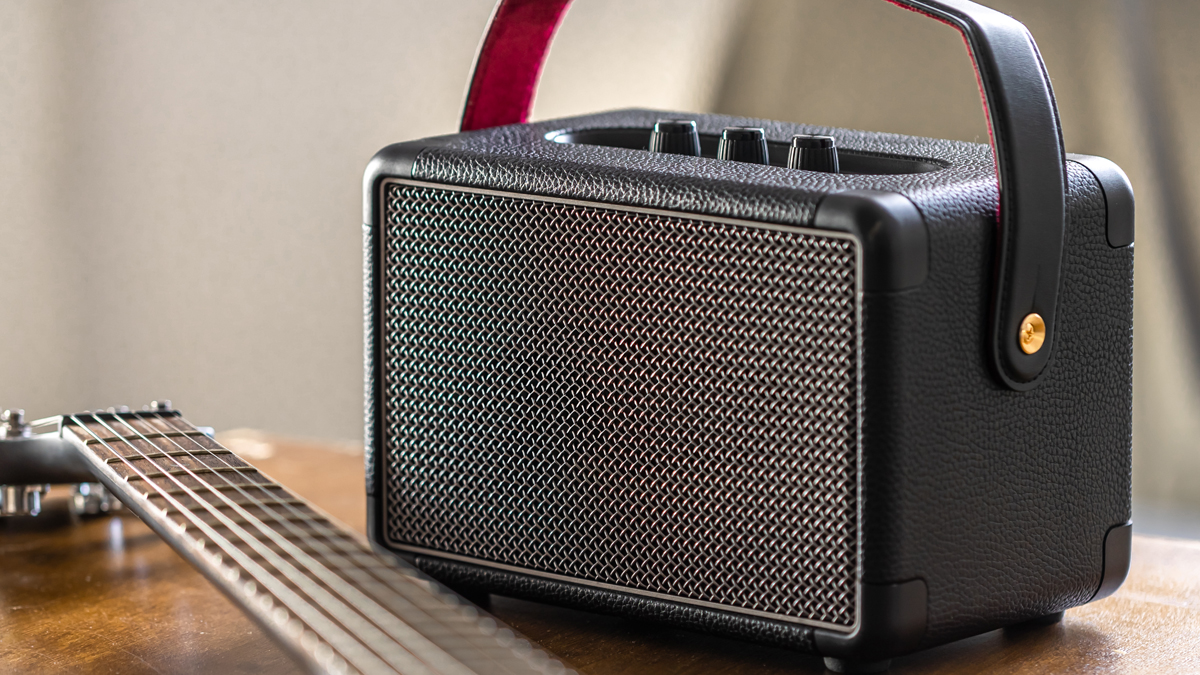
What is Combo Amplifier?
A combo amplifier is a self contained musical amplification unit that combines the amplifier section and the loudspeaker section in a single cabinet. In simple terms, it is an all in one amplifier designed to take the electrical signal from an instrument or microphone, increase its power, shape its tone, and project it through a built in speaker. Because everything is housed in one enclosure, a combo amplifier is one of the most practical and widely used forms of amplification in the music world.
Combo amplifiers are especially common with electric guitars, bass guitars, keyboards, and sometimes acoustic instruments. They are also found in practice setups, rehearsal spaces, recording studios, small venues, classrooms, houses of worship, and live performance stages. Their popularity comes from their balance of portability, convenience, and functional performance. Instead of carrying a separate amplifier head and a separate speaker cabinet, a musician can carry one integrated unit.
In the context of music electronics, a combo amplifier is an important product category because it brings together several electronic and acoustic functions in one piece of equipment. It includes circuits for signal input, amplification, equalization, gain control, power delivery, and sound output. In many models, it also includes built in effects such as reverb, delay, chorus, tremolo, and digital modeling. This makes it a versatile solution for musicians who want a straightforward setup without sacrificing essential sound shaping tools.
For beginners, a combo amplifier often serves as the first serious amplification device because it is easy to use and typically requires minimal setup. For professionals, it can be an efficient and reliable choice for studio work, rehearsals, and smaller live performances. The combo amplifier has therefore become a central tool in both learning and professional music production.
How does Combo Amplifier Work?
A combo amplifier works by receiving a low level audio signal from an instrument or microphone and processing that signal through several electronic stages before sending it to a speaker. The process begins when a musician plugs an instrument cable into the input jack of the amplifier. At that point, a weak electrical signal enters the preamp section.
Input stage: The first stage accepts the instrument signal and prepares it for processing. This stage is important because different instruments produce different output levels and tonal characteristics. The amplifier must match and handle these signals properly to avoid distortion or signal loss unless such distortion is intentionally desired.
Preamp section: The preamp boosts the weak incoming signal to a stronger level that can be shaped and controlled. This stage is responsible for much of the amplifier’s tonal personality. Gain controls, equalization settings, and sometimes channel switching are located here. In many guitar combo amplifiers, the preamp is where overdrive or distortion characteristics are created.
Tone shaping: After the signal is increased by the preamp, it usually passes through tone controls such as bass, middle, and treble. Some amplifiers offer more detailed tone options, including presence, resonance, contour, or voicing switches. These controls allow the musician to tailor the sound to suit the instrument, room, genre, and playing style.
Effects processing: Many combo amplifiers include built in effects. These may be analog or digital, depending on the amplifier design. Reverb, delay, modulation, compression, and amp modeling can all be included. The signal may pass through these effects before reaching the power amplifier section.
Power amplifier section: The power amp takes the shaped signal and increases its power significantly so it can drive the speaker. This is the stage that provides the physical energy needed to move the speaker cone and produce audible sound at useful volume levels. The power section has a major influence on dynamics, responsiveness, and overall loudness.
Speaker output: The amplified signal reaches the built in speaker or speakers inside the combo cabinet. The speaker converts the electrical signal into mechanical movement, which creates sound waves that travel through the air. The cabinet design, speaker size, speaker material, and enclosure type all influence how the final sound is projected.
Acoustic projection: Once the sound leaves the speaker, the room itself also affects the result. Reflections, surface materials, room size, and placement of the combo amplifier can all shape how the sound is perceived. This is why the same combo amplifier can sound different in a bedroom, a rehearsal room, a studio, or a live venue.
In this way, the combo amplifier is both an electronic and acoustic system. It does not only amplify. It also colors, shapes, and projects sound in a way that becomes part of a musician’s overall identity.
What are the Components of Combo Amplifier?
A combo amplifier contains several essential parts that work together to create a complete amplification system. Each component serves a specific purpose in producing reliable and musical sound.
Cabinet: The cabinet is the outer enclosure that holds all internal parts. It protects the electronics and speaker while also affecting resonance and tonal response. Cabinet material, construction quality, and size all contribute to the sound and durability of the amplifier.
Input jacks: These are the connection points where instruments or microphones are plugged in. Some combo amplifiers include multiple inputs for different instruments or signal strengths. The quality of input circuitry can affect clarity and noise performance.
Preamp circuit: The preamp increases the incoming signal and provides the basic tonal shaping. In tube amplifiers, this section often uses vacuum tubes. In solid state amplifiers, it relies on transistors or integrated circuits. In digital models, it may include signal processing chips.
Gain control: This adjusts how strongly the input signal is amplified in the preamp. Higher gain settings can produce a thicker, more aggressive sound, especially in guitar amplifiers designed for overdrive or distortion.
Equalization controls: These usually include bass, middle, and treble knobs. Some amplifiers add more advanced tone shaping controls. Equalization allows the musician to enhance or reduce specific frequency ranges.
Channel section: Many combo amplifiers have separate channels, such as clean and overdrive channels. This gives players access to different tonal characters within the same amplifier. Some models allow footswitch control for channel changes during performance.
Effects section: Built in effects may be included to expand sound possibilities. Reverb is one of the most common effects found in combo amplifiers. More advanced units may offer delay, chorus, flanger, tremolo, compression, and amp simulation.
Power amp: This component increases the processed signal to a level capable of driving the speaker. The design of the power amplifier affects headroom, punch, dynamic response, and overall volume output.
Speaker: The speaker is one of the most important components because it directly converts electrical energy into sound. Speaker diameter, magnet type, cone material, and power handling all shape the final tone. Common speaker sizes include 8 inch, 10 inch, and 12 inch models.
Control panel: The control panel includes the knobs, switches, buttons, and displays used to operate the amplifier. It may also include channel indicators, effect controls, master volume, standby switches, and preset buttons.
Power supply: The power supply provides stable electrical energy to the amplifier circuits. It converts incoming electrical current into the forms needed by the internal electronics. A well designed power supply contributes to reliability and consistent sound.
Output and auxiliary connections: Many combo amplifiers include line outputs, headphone outputs, effects loops, footswitch inputs, and external speaker jacks. These features improve flexibility for recording, silent practice, and live use.
Cooling and protection systems: Some amplifiers include fans, heat sinks, fuse protection, and other safety components to prevent overheating or electrical damage. These systems help extend the life of the product.
What are the Types of Combo Amplifier?
Combo amplifiers can be classified in several ways based on their technology, purpose, and tonal behavior. Understanding these types helps musicians choose the right amplifier for their needs.
Tube combo amplifier: A tube combo amplifier uses vacuum tubes in the preamp, power amp, or both. These amplifiers are valued for warm tone, rich harmonics, natural compression, and musical responsiveness. They are especially popular among guitarists who want expressive dynamics and classic character. However, they are often heavier, more fragile, and more expensive than other types.
Solid state combo amplifier: A solid state combo amplifier uses transistor based circuitry instead of vacuum tubes. These amplifiers are known for reliability, lower maintenance, affordability, and consistent performance. They are often lighter and more practical for daily use. Many beginner and mid range amplifiers belong to this category.
Modeling combo amplifier: A modeling combo amplifier uses digital technology to simulate the sound of various amplifiers, speaker cabinets, and effects. These units are highly versatile and are well suited for players who want many sounds in one device. They are especially useful for home practice, recording, teaching, and modern stage setups.
Hybrid combo amplifier: A hybrid combo amplifier combines tube and solid state technologies. For example, it may use a tube preamp with a solid state power section. This approach aims to provide some of the tonal character of tubes with the reliability and efficiency of solid state design.
Guitar combo amplifier: This is designed specifically for electric guitar. It usually emphasizes midrange presence, dynamic touch response, and tone shaping suited to guitar frequencies. Many include drive channels and classic effects such as spring reverb.
Bass combo amplifier: A bass combo amplifier is built to handle lower frequencies and greater power demands. It often includes a more robust speaker system and stronger cabinet construction. Bass combo amplifiers aim for clean low end, articulation, and reliable output.
Acoustic combo amplifier: This type is made for acoustic guitars and similar instruments. It focuses on clarity, natural tone, and full frequency response. Acoustic combo amplifiers often include microphone inputs and anti feedback controls, making them useful for singer songwriters.
Keyboard combo amplifier: A keyboard amplifier is designed for a broad frequency range and clean reproduction. Since keyboards can produce deep bass, mids, and high frequencies, these combo amplifiers typically aim for neutral, accurate sound.
Practice combo amplifier: A practice amplifier is usually small, affordable, and easy to use. It often includes headphone outputs, auxiliary inputs, and modest wattage. These are intended for home use and learning environments.
Performance combo amplifier: This category includes more powerful units capable of filling rehearsal rooms, studios, and smaller venues. They may offer advanced channels, better speakers, and more connectivity.
What are the Applications of Combo Amplifier?
Combo amplifiers are used in many areas of music making because of their flexible design and integrated structure. Their applications extend far beyond simple home practice.
Home practice: One of the most common applications of a combo amplifier is personal practice. A musician can set up quickly, control the volume easily, and often use headphones or auxiliary inputs for quiet study and play along sessions.
Music education: Teachers and students use combo amplifiers in lessons, workshops, schools, and training centers. Their simple operation and portable form make them ideal for classrooms and instructional settings.
Rehearsals: Bands often rely on combo amplifiers during rehearsals because they are easy to transport and set up. Guitarists, bassists, and keyboard players can bring individual combo amplifiers to a practice space without needing separate cabinets and racks.
Studio recording: Combo amplifiers are widely used in recording studios. Engineers often place microphones in front of the built in speaker to capture the amplifier’s natural tonal character. Many classic recorded tones in popular music were created with combo amplifiers.
Live performance: Small and medium venues frequently use combo amplifiers on stage. They are practical for clubs, cafes, community events, houses of worship, and local concerts. Some larger venues also use them on stage while sending a miked signal to the main sound system.
Busking and small events: Certain compact combo amplifiers are suitable for street performances, pop up shows, and small gatherings. Battery powered or highly portable models are especially useful in these settings.
Acoustic performance: Singer songwriters often use acoustic combo amplifiers for solo performances. These amplifiers can support both guitar and vocal inputs, reducing the need for additional equipment.
Keyboard and electronic music setups: Keyboard players and electronic musicians use combo amplifiers when they need a focused stage monitor or compact amplification system. The ability to reproduce a wide range of sounds makes these amplifiers valuable in hybrid performance environments.
Content creation and streaming: Modern musicians frequently use combo amplifiers for online lessons, livestreams, demos, and social media content. Many newer models offer direct recording outputs or interface friendly connectivity.
What is the Role of Combo Amplifier in Music Industry?
The combo amplifier plays a significant role in the music industry because it supports performance, education, production, retail, and creative development. It is not simply a piece of equipment. It is a bridge between musical expression and audible output.
In live music, combo amplifiers provide a practical and dependable solution for performers who need good tone with manageable equipment. Many venues expect musicians to bring their own amplifiers, and combo amplifiers satisfy this need efficiently. They make it easier for artists to move between rehearsals, venues, and sessions without complex setups.
In music production, combo amplifiers shape the sonic identity of recordings. The tonal imprint of a specific amplifier can become part of an artist’s signature sound. Engineers and producers often choose particular combo amplifiers for their response, texture, and interaction with microphones.
In artist development, combo amplifiers support learning and experimentation. New musicians often build their skills and tonal preferences through the use of combo amplifiers. Because these units offer immediate feedback and easy control, they help players understand gain, equalization, dynamics, and performance technique.
In product manufacturing and retail, combo amplifiers represent a major segment of the music electronics market. Brands design models for every level, from beginners to touring professionals. Retailers depend on combo amplifiers because they are among the most recognizable and widely demanded amplification products.
In music technology innovation, combo amplifiers have served as a platform for the integration of digital features, modeling systems, connectivity, and smart control functions. This allows manufacturers to respond to the changing needs of musicians in a digital and mobile world.
Overall, the role of the combo amplifier in the music industry is both practical and artistic. It supports the daily activities of musicians while also shaping the sounds heard in recordings and performances around the world.
What are the Objectives of Combo Amplifier?
The primary objective of a combo amplifier is to amplify an audio signal clearly and effectively within one integrated system. However, its objectives go far beyond simple volume increase.
Signal enhancement: A combo amplifier aims to strengthen weak instrument signals so they can be heard clearly in practice, rehearsal, recording, or performance environments.
Tone shaping: Another important objective is to allow musicians to shape their sound according to style and preference. Through gain, equalization, and effects, the amplifier helps define the tonal identity of the player.
Convenience: Combo amplifiers are designed to reduce setup complexity. By combining amplifier and speaker in one cabinet, they make transportation, installation, and operation simpler.
Portability: Many combo amplifiers are built to be moved easily between locations. This objective is especially important for students, teachers, session players, and gigging musicians.
Versatility: A well designed combo amplifier seeks to cover multiple applications. It may support home practice, stage use, studio work, and recording through a range of features and power levels.
Consistency: The amplifier should deliver reliable performance over repeated use. Consistency in tone, response, and function is essential for professional confidence.
User accessibility: Combo amplifiers often aim to be intuitive and easy to operate. Clear controls and integrated design help beginners learn while still giving advanced users useful flexibility.
Creative support: Many combo amplifiers are intended to inspire creativity. Built in effects, multiple channels, and tonal options allow musicians to experiment and discover new sounds.
What are the Benefits of Combo Amplifier?
The combo amplifier offers many benefits that explain its enduring popularity across the music industry.
The first major benefit is simplicity. Since the amplifier and speaker are combined in one unit, setup is faster and less confusing. This is especially helpful for beginners who may not be familiar with separate amplifier heads and cabinets.
Another important benefit is portability. Carrying one amplifier is usually easier than transporting multiple pieces of gear. This saves time, reduces physical effort, and makes combo amplifiers ideal for rehearsals, lessons, and local performances.
Cost effectiveness is also a strong advantage. Buying a combo amplifier is often more affordable than purchasing a separate head and cabinet of similar quality. This makes it an attractive option for students, hobbyists, and budget conscious professionals.
Space efficiency matters as well. A combo amplifier takes up less room in homes, studios, and stages than many larger modular setups. Musicians working in small spaces often prefer combo units for this reason.
Tone cohesion is another benefit. Since the amplifier and speaker are designed together, manufacturers can optimize their interaction for a balanced and effective sound. This often results in a more unified tonal experience.
Combo amplifiers can also be highly versatile. Many models include multiple channels, effects, headphone outputs, recording features, and external connections. This allows one amplifier to serve several musical purposes.
Reliability and convenience make them useful for regular work. A musician can move quickly from practice to rehearsal to performance without major changes in equipment. This supports productivity and consistency.
Finally, combo amplifiers encourage direct engagement with sound. Because the system is self contained, players can focus on performance and musical development rather than complex signal chains.
What are the Features of Combo Amplifier?
Combo amplifiers include a wide variety of features depending on their size, technology, and target users. These features contribute to their usefulness in different musical situations.
Integrated design: The most defining feature is the combination of amplification circuitry and speaker system in one cabinet. This gives the combo amplifier its identity and convenience.
Multiple channels: Many combo amplifiers offer clean and overdrive channels, allowing players to switch between tonal modes easily. More advanced models may include several voicings or user presets.
Equalization controls: Standard tone controls such as bass, middle, and treble are common. Some amplifiers provide deeper shaping options for more precise sound adjustment.
Built in effects: Reverb, delay, chorus, tremolo, and digital processing are frequently included. These features reduce the need for external effects units, especially in practice and small performance settings.
Master volume and gain controls: These allow players to manage preamp saturation and overall loudness independently, which is important for achieving desired tone at practical volume levels.
Headphone output: This feature supports silent practice, making combo amplifiers suitable for apartments, hostels, and shared spaces.
Auxiliary input or media connectivity: Some amplifiers allow users to connect phones, music players, or computers for backing tracks and practice routines.
Effects loop: An effects loop allows external effects to be inserted between the preamp and power amp stages. This is useful for time based and modulation effects in more advanced setups.
Footswitch compatibility: Footswitch support allows channel changes or effect control during live performance.
External speaker connection: Some combo amplifiers can connect to additional speaker cabinets, increasing flexibility and sound projection.
Direct output or recording output: Many modern units include line outputs, speaker emulation, USB, or interface connections for recording and live sound reinforcement.
Preset memory and digital control: Modeling amplifiers may store custom sounds, offer editing software, or include mobile app control for deeper customization.
What are the Examples of Combo Amplifier?
There are many well known examples of combo amplifiers across different instrument categories and performance levels. These examples illustrate the diversity of the format rather than limiting it to one style.
In electric guitar amplification, small practice combo amplifiers are often used by students and hobbyists for home learning. These units usually include basic clean and drive sounds, headphone outputs, and compact speakers. Mid range guitar combo amplifiers may feature better speakers, more dynamic tone, and richer effects for rehearsal and recording. Professional tube combo amplifiers are widely used in blues, rock, jazz, country, and studio sessions because of their expressive character and touch sensitivity.
In bass amplification, compact bass combo amplifiers serve practice needs, while larger models with more power and stronger speakers are used in rehearsals and small venue performance. These amplifiers are built to handle low frequency energy without losing clarity.
In acoustic performance, acoustic combo amplifiers are common among solo performers who sing and play guitar. They often include separate channels for instrument and microphone, making them ideal for compact live setups.
In keyboard amplification, keyboard combo amplifiers support broad frequency reproduction and are useful for pianos, synthesizers, and stage keyboards in rehearsal rooms, teaching studios, and live settings.
In modern digital environments, modeling combo amplifiers provide a large collection of amp tones and effects in one product. These examples are especially common among players who need flexibility, silent recording options, and easy preset recall.
Thus, examples of combo amplifiers range from beginner practice units to professional performance tools. Their exact form changes with the needs of the musician, but the core concept remains the same.
What is the Definition of Combo Amplifier?
The definition of a combo amplifier is a self contained audio amplification device that integrates an amplifier and one or more speakers in a single cabinet for the purpose of increasing and projecting the sound of musical instruments or other audio sources.
This definition highlights the essential idea that a combo amplifier is both an electronic amplifier and a speaker system in one enclosure. It distinguishes the combo format from separate systems where the amplifier head and speaker cabinet are independent units.
From a technical perspective, the definition also includes the concept of signal processing. A combo amplifier does not only make the signal louder. It also conditions, shapes, and outputs the sound through an integrated acoustic system. This makes it a functional and complete amplification solution.
What is the Meaning of Combo Amplifier?
The meaning of combo amplifier is rooted in the word combo, which refers to a combination of major components within one device. In this case, the term describes the combination of the amplifier electronics and the speaker enclosure in one unit.
In practical musical language, the meaning of combo amplifier points to convenience, integration, and readiness for use. When musicians refer to a combo amplifier, they usually mean an amplifier that can be plugged in and played without the need for separate external speaker cabinets.
The meaning also carries an industry implication. It suggests a product format that is accessible, efficient, and widely adaptable across many performance situations. For many musicians, a combo amplifier represents a balanced solution between sound quality, mobility, and ease of operation.
What is the Future of Combo Amplifier?
The future of the combo amplifier is likely to be shaped by changing musician needs, digital technology, sustainability concerns, and evolving performance environments. While traditional analog designs will continue to have strong value, new developments are expanding what combo amplifiers can do.
Digital integration: More combo amplifiers are expected to include advanced modeling, impulse response support, app based editing, and software updates. These features will give users access to broader tonal libraries and deeper customization.
Improved portability: Manufacturers are likely to keep reducing weight while maintaining power and durability. Better materials, efficient power sections, and compact speaker designs will help musicians transport amplifiers more easily.
Recording and connectivity features: As home recording and content creation continue to grow, combo amplifiers will increasingly include direct recording outputs, USB interfaces, wireless control, and streaming friendly options.
Energy efficiency: Future designs may focus more on efficient power use, lower heat generation, and environmentally responsible materials. This aligns with broader trends in electronics manufacturing.
Smart user experience: Some combo amplifiers may include intelligent presets, automatic tone suggestions, learning tools, or cloud connected sound libraries. These features could help beginners achieve good sound more quickly while giving professionals faster workflow options.
Continued demand for classic tone: Even with digital progress, there will remain strong demand for traditional tube and analog combo amplifiers. Many musicians value the tactile response and organic tone these amplifiers provide. As a result, the future will likely include both advanced digital products and refined classic designs.
Broader application: Combo amplifiers may become even more adaptable to hybrid music environments where live performance, recording, teaching, and online broadcasting overlap. This will increase the importance of multipurpose design.
In summary, the future of combo amplifiers is not about replacing the old with the new. It is about expanding the format so that it can serve modern musicians more effectively while preserving the musical strengths that made it important in the first place.
Summary
- A combo amplifier is an all in one unit that combines amplifier circuitry and speaker systems in a single cabinet.
- It works by receiving an audio signal, amplifying it through preamp and power amp stages, shaping the tone, and projecting sound through a built in speaker.
- Key components include the cabinet, input jacks, preamp, gain controls, equalization section, effects section, power amp, speaker, control panel, and power supply.
- Major types include tube, solid state, modeling, hybrid, guitar, bass, acoustic, keyboard, practice, and performance combo amplifiers.
- Combo amplifiers are used in home practice, music education, rehearsals, studio recording, live performance, acoustic shows, keyboard setups, and content creation.
- In the music industry, they support performance, production, teaching, artist development, product sales, and sound innovation.
- Their objectives include signal amplification, tone shaping, portability, convenience, consistency, versatility, and creative support.
- Their benefits include simple setup, cost effectiveness, space efficiency, portability, tonal cohesion, and practical usability.
- Common features include built in speakers, multiple channels, equalization, effects, headphone outputs, recording connections, footswitch support, and preset memory.
- The meaning of combo amplifier centers on integrated design, while its future includes digital control, better portability, stronger connectivity, and continued respect for classic analog tone.

