

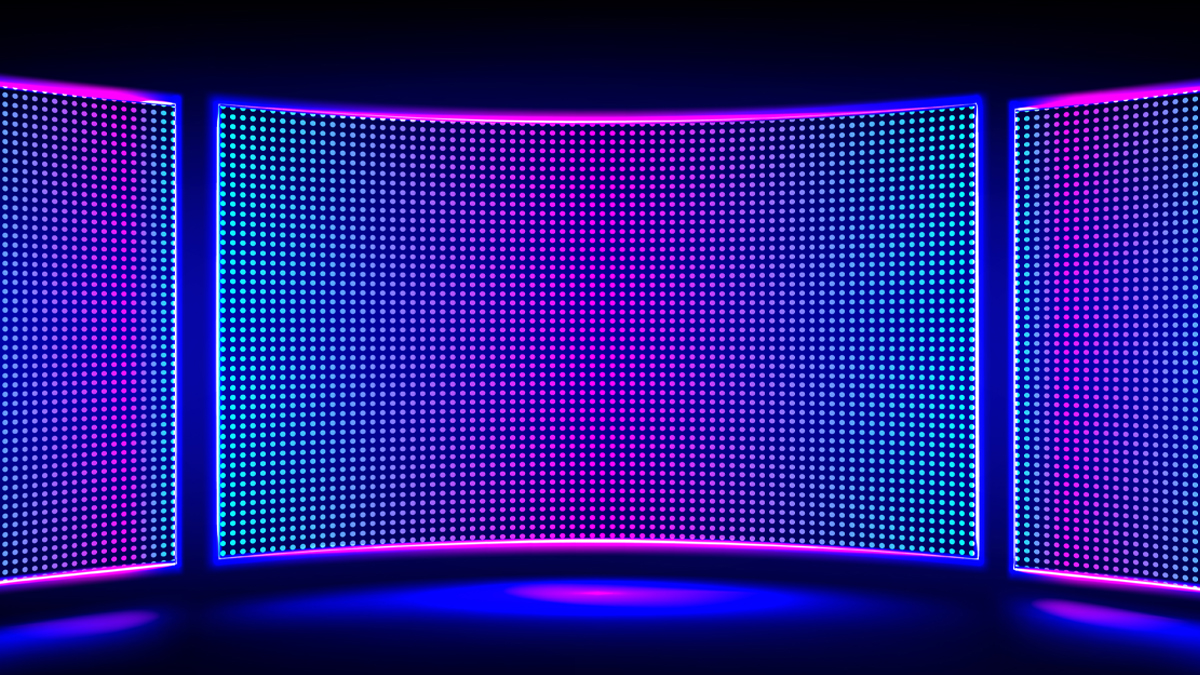
What is LED Wall?
LED Wall: An LED wall is a large visual display system made from many LED display panels joined together to create one continuous screen. LED means light emitting diode, and each diode produces light directly. Unlike a projector that sends light onto a surface, an LED wall creates its own brightness from the screen itself. This makes it powerful for concerts, festivals, clubs, award shows, music videos, live streaming stages, and large entertainment venues.
Visual Technology: In the music industry, an LED wall is a major visual technology used to support sound with moving images, colors, graphics, lighting effects, lyrics, animations, brand visuals, and live video feeds. It helps convert a music performance into a complete sensory experience.
Stage Impact: An LED wall can become the visual background of a concert stage, the main scenic element of a tour, or the central display for a DJ performance. It can show abstract visuals, artist branding, camera close ups, music synchronized animations, and immersive environments that match the rhythm and mood of the music.
Audience Experience: LED walls help audiences see and feel the performance more clearly. In a large venue, people far from the stage can view performers through live camera feeds. In a small venue, LED walls can create a high energy atmosphere that makes the show feel more professional and memorable.
How does LED Wall Work?
Light Creation: An LED wall works by using thousands or millions of tiny LEDs that emit light when electricity passes through them. These LEDs are arranged in groups of red, green, and blue. By mixing these three colors at different brightness levels, the wall can create a wide range of colors and images.
Pixel Formation: Each visible point on the LED wall is called a pixel. A pixel may contain red, green, and blue LED elements. When all three colors are controlled carefully, the screen forms images, videos, patterns, and text. The smaller the distance between pixels, the sharper the image appears.
Signal Processing: Video content is sent from a media server, computer, camera system, video switcher, or lighting console to an LED processor. The processor converts the video signal into data that the LED panels can understand. It then sends the data to the panels in the correct order.
Panel Connection: LED walls are made from modular panels or cabinets. These panels connect physically and digitally. Data cables send visual information from one panel to another, while power cables provide electricity. When properly configured, all panels act as one large screen.
Refresh and Brightness: The LED wall refreshes many times per second to show smooth motion. Higher refresh rates are important for camera recording because they reduce flickering. Brightness is adjusted based on venue conditions, such as indoor concerts, outdoor festivals, daylight events, or dark stage environments.
Content Synchronization: In music shows, LED wall content is often synchronized with audio, lighting, lasers, pyrotechnics, and performer movement. Timecode, MIDI, DMX, Art Net, media servers, or show control systems may be used to trigger visuals at exact moments in the music.
What are the Components of LED Wall?
LED Modules: LED modules are the basic visual surface of the wall. They contain the LEDs that produce light and form images. Several modules are combined into a larger panel or cabinet.
LED Cabinets: Cabinets are the structural units that hold LED modules, power supplies, receiving cards, and mounting hardware. They are designed for fast installation, strong alignment, and safe use during live events.
Power Supply: The power supply converts electrical input into the correct voltage needed by the LED modules. Reliable power distribution is important because LED walls can require significant electricity, especially at high brightness.
Receiving Card: A receiving card accepts data from the LED processor and sends it to the correct LED modules. It helps control color, brightness, refresh rate, and image mapping.
LED Processor: The LED processor manages the incoming video signal and distributes it across the screen. It handles scaling, resolution control, calibration, mapping, and signal routing.
Media Server: A media server stores, plays, and manages visual content. In concerts, it may run complex video layers, real time effects, animated backgrounds, artist logos, lyrics, and visuals triggered by timecode.
Video Switcher: A video switcher allows operators to change between different visual sources. These sources may include live cameras, pre produced videos, computer graphics, sponsor content, and emergency messages.
Cables and Connectors: Data cables and power cables connect the panels, processors, and control systems. High quality cables are necessary to avoid signal loss, power failure, or visual glitches.
Mounting and Rigging System: The rigging system supports the LED wall safely. It may include truss, frames, ground supports, hanging points, locks, brackets, and safety cables. In live music events, proper rigging is essential for audience and crew safety.
Control Software: LED wall control software allows technicians to configure panel layout, screen resolution, color calibration, brightness, mapping, and playback settings. It helps ensure the wall displays content correctly.
What are the Types of LED Wall?
Indoor LED Wall: Indoor LED walls are used in arenas, clubs, theaters, studios, churches, conference halls, and music venues. They usually have finer pixel pitch because viewers are closer to the screen.
Outdoor LED Wall: Outdoor LED walls are designed for festivals, stadium concerts, public music events, and open air stages. They are brighter, weather resistant, and built to handle sunlight, wind, dust, and rain.
Fixed Installation LED Wall: A fixed installation LED wall is permanently installed in a venue. It is commonly used in music clubs, auditoriums, television studios, worship spaces, and entertainment centers.
Rental LED Wall: Rental LED walls are built for touring and temporary events. They are designed for fast setup, easy transport, repeated assembly, and strong durability.
Curved LED Wall: Curved LED walls create a more immersive visual environment. They are used in concerts, DJ shows, award stages, and music broadcast sets to give depth and movement to the stage design.
Transparent LED Wall: Transparent LED walls allow some light and visibility to pass through the screen. They are useful for stage designs where performers, lighting fixtures, or scenic elements need to be visible behind the screen.
Flexible LED Wall: Flexible LED walls can bend or form creative shapes. They are used for experimental music stages, fashion shows, art performances, and immersive installations.
Floor LED Wall: LED floor panels are strong enough for performers to walk or dance on. They display visuals under the artist and can create dramatic effects during live performances.
Creative Shape LED Wall: Some LED walls are not rectangular. They may be circular, triangular, wave shaped, cube shaped, or custom designed for a tour or music brand. These walls help create a unique stage identity.
What are the Applications of LED Wall?
Concert Stages: LED walls are widely used as stage backdrops for concerts. They display visuals that match the music, artist identity, and emotional theme of the performance.
Music Festivals: At festivals, LED walls help large audiences see the performers, even from far away. They also display schedules, sponsor visuals, safety messages, and live camera feeds.
DJ Performances: DJs often use LED walls to create high energy visual environments. Beat reactive graphics, abstract motion, digital landscapes, and artist logos can make the performance more intense.
Music Videos: LED walls are used in music video production as dynamic backgrounds. They can replace physical sets and provide realistic or surreal environments without heavy post production.
Virtual Production: LED walls are important in virtual production because they can show digital backgrounds in real time. Artists can perform in front of changing environments, such as cityscapes, space scenes, animated worlds, or branded visuals.
Award Shows: Music award shows use LED walls for nominee graphics, artist introductions, performance visuals, and broadcast friendly stage design.
Broadcast Performances: Television music shows use LED walls to create polished visual backgrounds that look strong on camera. Proper refresh rate and color calibration are important for broadcast quality.
Club Installations: Nightclubs use LED walls to create atmosphere, energy, and visual identity. They can display music synchronized animations, promotional content, and live visuals.
Touring Productions: Major music tours use LED walls as part of the complete production design. The LED wall may travel from city to city and become a signature visual element of the show.
What is the Role of LED Wall in Music Industry?
Visual Storytelling: LED walls help artists tell stories through visuals. A song about love, struggle, celebration, memory, or future dreams can be supported with colors, imagery, symbols, and motion graphics.
Brand Identity: Many artists use LED walls to show logos, album artwork, tour visuals, and personal design styles. This strengthens the artist brand and makes the performance more recognizable.
Emotional Support: Music creates emotion through sound, while LED walls support emotion through visual atmosphere. Soft colors can create intimacy. Fast animations can create excitement. Dark visuals can create mystery. Bright explosions can create celebration.
Audience Connection: LED walls allow live camera close ups of singers, instrumentalists, dancers, and crowd reactions. This helps people in large venues feel closer to the performance.
Production Value: A strong LED wall can make a show look larger, more modern, and more professional. Even a simple stage can appear advanced when supported by well designed LED visuals.
Revenue Support: LED walls can support sponsorships, advertising, premium stage design, and ticket value. A visually rich concert can attract more attention, improve social media sharing, and strengthen fan engagement.
Creative Freedom: LED walls give designers, directors, VJs, and artists more freedom. Instead of building many physical sets, they can create digital worlds that change instantly during the performance.
What are the Objectives of LED Wall?
Enhancing Visual Experience: The main objective of an LED wall is to improve the visual experience of the audience. It adds color, motion, scale, and clarity to a music event.
Supporting Performance Mood: LED walls help match visuals with the mood of each song. A calm acoustic track may use soft backgrounds, while an electronic dance track may use fast moving patterns and bright colors.
Improving Visibility: In large venues, LED walls help people see the performers clearly. This is especially important for stadium concerts, festivals, and large arenas.
Creating Immersion: LED walls can surround the stage, cover the background, extend across the floor, or curve around the performers. This creates an immersive environment where music and visuals feel connected.
Strengthening Artist Identity: LED walls help communicate the visual language of an artist, album, tour, or music label. They make the show more memorable and distinctive.
Supporting Technical Coordination: LED walls can work with lighting, audio, cameras, lasers, and stage automation. One objective is to bring all production elements together in a unified show.
Increasing Engagement: Dynamic visuals can hold audience attention and encourage social sharing. Fans often record visually powerful moments and share them online, which can extend the reach of a concert.
What are the Benefits of LED Wall?
High Brightness: LED walls are very bright and can be seen clearly in many lighting conditions. This makes them suitable for both indoor and outdoor music events.
Strong Visual Quality: Modern LED walls can produce rich colors, high contrast, and smooth motion. This helps create professional stage visuals.
Scalable Size: LED walls are modular, so they can be built in different sizes. A small club may use a compact wall, while a stadium tour may use a massive screen.
Flexible Design: LED walls can be shaped, curved, stacked, hung, or placed on the floor. This gives stage designers many creative options.
Energy Efficiency: LEDs are generally efficient compared with many older display technologies. They produce strong brightness while using controlled amounts of energy.
Long Lifespan: Good quality LED panels can last for many years when used and maintained properly. This makes them valuable for venues and production companies.
Real Time Content: LED walls can display live video, real time graphics, music reactive visuals, and instant changes during a performance.
Reduced Set Construction: Instead of building many physical backgrounds, production teams can use digital content. This can reduce transport, storage, and construction needs.
Camera Friendly Performance: High refresh rate LED walls can work well with broadcast cameras and live streaming systems when properly configured.
Professional Atmosphere: LED walls make events look modern, polished, and high value. This helps improve audience perception and artist presentation.
What are the Features of LED Wall?
Pixel Pitch: Pixel pitch is the distance between the centers of two nearby pixels. Smaller pixel pitch means sharper images and is better for close viewing. Larger pixel pitch is acceptable for big outdoor stages where the audience is farther away.
Brightness Control: LED walls allow brightness adjustment. This helps the display match indoor darkness, outdoor daylight, camera exposure, and stage lighting intensity.
High Refresh Rate: A high refresh rate helps show smooth motion and reduces flicker on camera. This is important for concerts that are recorded or broadcast.
Color Calibration: Color calibration keeps the screen accurate and consistent. Without calibration, different panels may show slightly different colors, which can make the wall look uneven.
Modular Structure: LED walls are built from modules and cabinets. This makes them easy to transport, repair, expand, or reconfigure.
Wide Viewing Angle: Many LED walls allow audiences to see the image clearly from different positions in the venue. This is important for large crowds.
Weather Resistance: Outdoor LED walls often include protection against water, dust, heat, and sunlight. This allows them to perform reliably at festivals and open air concerts.
Front and Rear Service Access: Some LED walls can be repaired from the front, while others are serviced from the rear. Front service is useful when there is limited space behind the wall.
Content Mapping: Content mapping allows visuals to fit unusual screen shapes. This is important for creative stages, curved screens, and multi screen designs.
Live Input Support: LED walls can display inputs from cameras, laptops, media servers, video switchers, and control systems. This makes them flexible for live music production.
What are the Examples of LED Wall?
Concert Backdrop: A pop artist may perform in front of a large LED wall showing album artwork, animated lyrics, and mood based graphics for each song.
Festival Main Screen: A music festival may use huge LED walls on both sides of the stage to show close ups of performers so that people at the back of the crowd can see clearly.
DJ Visual Wall: An electronic music DJ may use a wide LED wall with beat synchronized animations, geometric shapes, waveforms, and digital effects.
Virtual Music Video Set: A singer may record a music video in front of an LED wall showing changing environments, such as a sunset, city skyline, ocean, or animated dream world.
Award Show Stage: A music award ceremony may use LED walls to display nominee names, artist introductions, visual themes, and live performance graphics.
Club Interior Wall: A nightclub may install LED walls around the dance floor to create a strong visual atmosphere that changes with the music.
LED Floor Performance: A dance based music performance may use LED floor panels that show moving patterns beneath the performers, creating depth and drama.
Touring Stage Design: A major band may travel with a custom LED wall system that forms the central identity of the tour and changes visuals for every song in the setlist.
What is the Definition of LED Wall?
Technical Definition: An LED wall is a large display surface made by connecting multiple LED panels or cabinets, where each panel contains many light emitting diodes that create images, video, text, and graphics through controlled light output.
Production Definition: In live event production, an LED wall is a modular digital screen system used to display visual content for audiences, cameras, performers, and show control teams.
Music Industry Definition: In the music industry, an LED wall is a visual technology used to enhance concerts, festivals, music videos, club shows, broadcasts, and tours by combining digital visuals with musical performance.
Simple Definition: An LED wall is a big screen made from LED panels that shows bright images and videos during events, especially live music shows and stage performances.
What is the Meaning of LED Wall?
Basic Meaning: LED wall means a large wall like screen made of LED display panels. It is not a painted wall or simple decoration. It is an active digital display that produces light, color, and motion.
Creative Meaning: In music, an LED wall means more than a screen. It becomes part of the artistic performance. It can represent the mood of a song, the identity of an artist, the story of an album, or the energy of a live audience.
Practical Meaning: For production teams, LED wall means a tool for communication and presentation. It can display live video, show graphics, guide audience attention, support sponsors, and improve stage design.
Audience Meaning: For fans, an LED wall often means a bigger and more exciting show. It helps them see the artist clearly, enjoy visual effects, and remember special performance moments.
Industry Meaning: For the music industry, LED walls represent the growing connection between sound, visuals, technology, branding, and immersive entertainment.
What is the Future of LED Wall?
Higher Resolution: The future of LED walls will include smaller pixel pitch, sharper images, and better close viewing performance. This will make LED walls more useful in studios, small venues, and premium concert environments.
More Immersive Stages: LED walls will become more immersive through curved screens, wraparound designs, LED ceilings, LED floors, and three dimensional stage layouts. Audiences will feel surrounded by visuals rather than only watching a flat background.
Real Time Graphics: Real time rendering will become more common. Artists and production teams will be able to create visuals that react instantly to music, movement, crowd noise, lighting changes, and live performance data.
Artificial Intelligence Support: Artificial intelligence may help generate visuals, adapt content to songs, automate camera feeds, and create personalized effects for different performances.
Virtual and Hybrid Concerts: LED walls will continue to support virtual concerts, hybrid events, live streaming, and mixed reality performances. They can create digital environments that look strong both in person and on camera.
Sustainable Production: Future LED walls may focus more on energy efficiency, lighter materials, longer lifespan, easier repair, and lower transport impact. Sustainability will become more important in touring and festival production.
Interactive Audience Experiences: LED walls may connect with mobile apps, wristbands, sensors, and audience participation systems. This can allow fans to influence colors, visuals, and stage effects during a show.
Better Camera Integration: As music events are increasingly recorded and streamed, LED walls will be designed with improved camera compatibility, reduced flicker, better color accuracy, and stronger broadcast performance.
Creative Customization: Artists will use LED walls not only as screens but as digital architecture. Future stages may include unusual shapes, transparent layers, moving LED structures, and content that changes with every song.
Summary
- LED wall is a large digital display system made from connected LED panels that create bright images, videos, text, and graphics.
- In the music industry, LED walls are used in concerts, festivals, DJ shows, music videos, award shows, clubs, broadcasts, and touring productions.
- LED walls work by controlling red, green, and blue LEDs to form pixels that display visual content.
- Main components include LED modules, cabinets, power supplies, receiving cards, LED processors, media servers, video switchers, cables, rigging systems, and control software.
- Common types include indoor LED walls, outdoor LED walls, rental LED walls, fixed installation LED walls, curved LED walls, transparent LED walls, flexible LED walls, and LED floor systems.
- LED walls improve audience experience by increasing visibility, supporting emotion, creating immersion, and strengthening artist identity.
- Benefits include high brightness, strong visual quality, scalable size, flexible design, real time content, long lifespan, and professional stage presentation.
- Important features include pixel pitch, brightness control, high refresh rate, color calibration, modular structure, wide viewing angle, weather resistance, and content mapping.
- LED walls play a major role in connecting music with visual storytelling, branding, performance design, and audience engagement.
- The future of LED walls will include higher resolution, immersive stage layouts, real time graphics, artificial intelligence support, virtual production, sustainability, and interactive fan experiences.

