

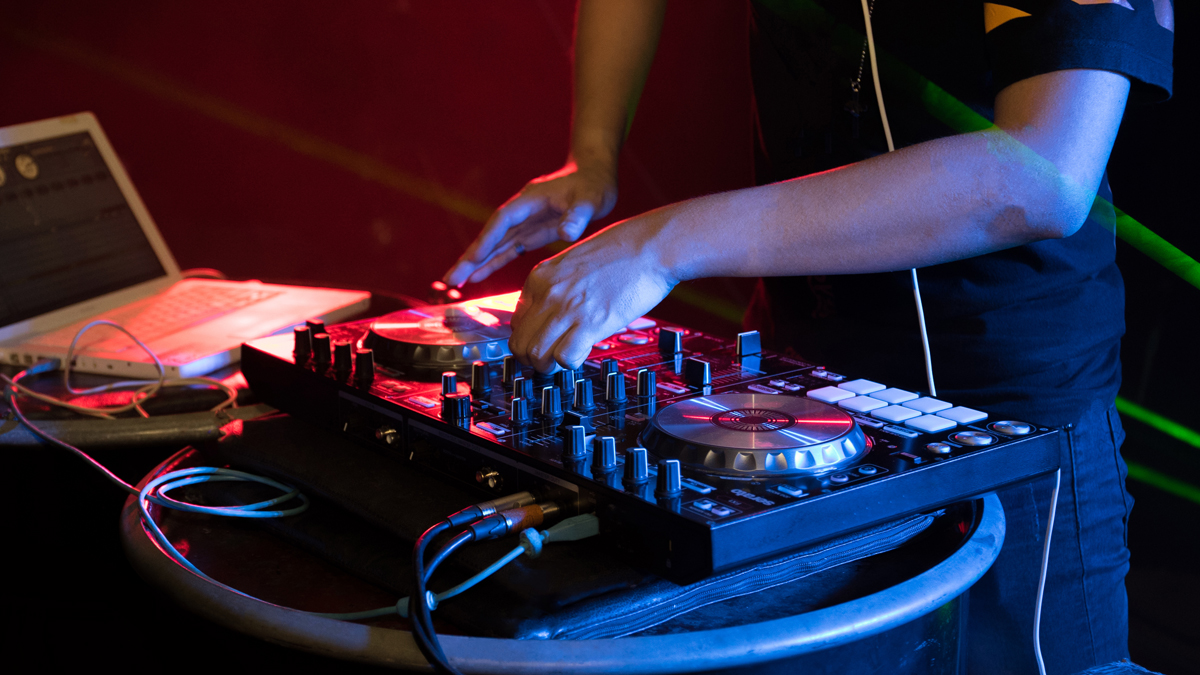
What is Audio Interface?
An audio interface is a hardware device that connects musical instruments, microphones, DJ equipment, and other audio sources to a computer or sound system. It converts analog audio signals into digital data that a computer can process, record, and edit. It also converts digital audio from the computer back into analog signals so that they can be heard through speakers or headphones.
In the context of live performance and DJing, an audio interface plays a vital role. DJs and live performers often use laptops, digital audio workstations, DJ software, and electronic instruments. These tools require a reliable and high quality connection between hardware and software. The audio interface acts as the bridge between the physical world of sound and the digital world of music production and performance.
Unlike a basic computer sound card, an audio interface is designed specifically for professional audio work. It offers better sound quality, lower latency, stronger input and output options, and greater control. In modern music technologies, it is considered an essential device for musicians, producers, DJs, and sound engineers.
How does Audio Interface Work?
An audio interface works by performing two main tasks. It converts analog signals into digital signals and converts digital signals back into analog signals. This process is made possible through built in converters known as analog to digital converters and digital to analog converters.
Signal Conversion Process: When a microphone captures a voice or an instrument produces sound, the signal is analog. The audio interface receives this analog signal through its input ports. Inside the device, the analog to digital converter transforms this signal into digital information. The computer then processes this digital data through recording or DJ software. When the sound needs to be played back, the digital data is sent from the computer to the audio interface. The digital to analog converter then converts it back into an analog signal so that speakers or headphones can reproduce the sound.
Latency Management: Latency refers to the small delay between producing a sound and hearing it. In live performance and DJing, low latency is extremely important. An audio interface uses dedicated drivers and optimized hardware to reduce latency. Many interfaces offer direct monitoring, which allows performers to hear their input signals in real time without delay.
Signal Routing and Control: Audio interfaces also manage the routing of multiple signals. For example, a DJ may send one audio channel to the main speakers and another channel to headphones for cueing. The interface allows flexible routing and mixing, ensuring smooth live performances.
What are the Components of Audio Interface?
An audio interface contains several important components that work together to deliver high quality sound.
Inputs: Inputs are used to connect microphones, instruments, turntables, DJ mixers, or other audio sources. These inputs may include XLR connectors for microphones, quarter inch jacks for instruments, and line level inputs for other devices.
Outputs: Outputs send audio signals from the interface to speakers, studio monitors, headphones, or a sound system. In DJing, separate outputs are often used for main output and cue output.
Preamps: Microphone preamps amplify weak microphone signals to a usable level. High quality preamps improve clarity and reduce noise.
Converters: Analog to digital converters and digital to analog converters are responsible for transforming signals between analog and digital formats. The quality of these converters significantly affects sound quality.
Control Knobs and Buttons: Interfaces typically include gain knobs, volume controls, headphone level adjustments, and monitoring switches. These allow users to manage audio levels easily during live performance.
Digital Connectivity Ports: Many audio interfaces connect to computers through USB, Thunderbolt, or other digital connections. Some also offer MIDI ports for connecting keyboards and controllers.
Internal Clock: The internal clock ensures accurate timing during digital audio conversion. A stable clock reduces distortion and unwanted noise.
What are the Types of Audio Interface?
Audio interfaces are available in different types, depending on their connectivity, size, and intended use.
USB Audio Interface: USB interfaces are the most common type. They are affordable, portable, and easy to use. Many DJs and home producers prefer USB interfaces for their simplicity and compatibility with laptops.
Thunderbolt Audio Interface: Thunderbolt interfaces offer faster data transfer speeds and lower latency. They are often used in professional studios and high performance live setups.
PCIe Audio Interface: These interfaces are installed inside desktop computers. They offer very low latency and high performance, making them suitable for professional recording studios.
Standalone Audio Interface: Some interfaces can operate without a computer. They may include built in recording features or mixing capabilities, making them useful in live environments.
DJ Specific Audio Interface: Certain interfaces are designed specifically for DJs. They include multiple stereo outputs for cueing and mixing, as well as compatibility with DJ software.
Rackmount Audio Interface: These larger units are mounted in equipment racks and provide many inputs and outputs. They are commonly used in professional live sound and studio environments.
What are the Applications of Audio Interface?
Audio interfaces are used in a wide range of applications within live performance, DJing, and the broader music industry.
Live DJ Performance: DJs use audio interfaces to connect turntables, CDJs, controllers, and mixers to laptops running DJ software. The interface ensures smooth playback, cueing, and mixing.
Music Production: Producers use audio interfaces to record vocals, instruments, and external synthesizers into digital audio workstations.
Podcasting and Broadcasting: Audio interfaces allow podcasters and broadcasters to record high quality audio with professional microphones.
Live Streaming: Musicians and DJs who stream performances online use audio interfaces to send clean, high quality sound to streaming platforms.
Sound Design and Film Scoring: Composers and sound designers rely on audio interfaces to manage complex audio sessions and multiple instruments.
Studio Recording: Professional studios use high end audio interfaces with multiple inputs to record bands, orchestras, and live sessions.
What is the Role of Audio Interface in Music Industry?
The audio interface plays a central role in the modern music industry.
Bridge Between Hardware and Software: It connects physical instruments and microphones with digital platforms. Without an audio interface, it would be difficult to record or perform digitally with professional quality.
Enhancing Sound Quality: Audio interfaces provide better sound clarity than built in computer sound cards. This ensures that recordings and performances meet industry standards.
Supporting Digital Transformation: As the music industry has shifted towards digital production and streaming, audio interfaces have become essential tools for artists and DJs.
Enabling Independent Artists: Affordable audio interfaces allow independent musicians and DJs to produce professional quality music from home studios. This has democratized music production.
Facilitating Live Innovation: In live performance settings, audio interfaces support hybrid setups that combine traditional instruments with digital effects and software.
What are the Objectives of Audio Interface?
The primary objectives of an audio interface revolve around quality, control, and flexibility.
Accurate Signal Conversion: To convert analog signals into digital form without losing clarity or detail.
Low Latency Performance: To ensure that performers hear their audio in real time during recording or live DJing.
Reliable Connectivity: To provide stable connections between various audio devices and computers.
Professional Sound Output: To deliver clean, balanced audio signals to speakers and headphones.
Expandability: To allow users to connect multiple devices and expand their setup as needed.
What are the Benefits of Audio Interface?
An audio interface offers many benefits to DJs, musicians, and producers.
Improved Audio Quality: High quality converters and preamps provide clear and detailed sound.
Reduced Noise and Distortion: Professional interfaces minimize unwanted noise compared to standard sound cards.
Better Control: Users can adjust gain levels, monitoring settings, and routing options directly from the interface.
Flexible Input and Output Options: Multiple inputs and outputs allow complex setups for live and studio use.
Portability: Many interfaces are compact and lightweight, making them ideal for traveling DJs and performers.
Compatibility: Audio interfaces work with most major digital audio workstations and DJ software platforms.
What are the Features of Audio Interface?
Modern audio interfaces come with a range of features designed to support live performance and DJing.
Multiple Input Channels: Allows recording of several sources at once.
High Resolution Audio Support: Many interfaces support high sample rates and bit depths for detailed recordings.
Direct Monitoring: Enables real time listening without delay.
Phantom Power: Provides power for condenser microphones.
MIDI Integration: Supports connection of MIDI keyboards and controllers.
Headphone Amplifier: Built in headphone outputs with independent volume control.
Durable Construction: Designed to withstand regular transport and live performance conditions.
What are the Examples of Audio Interface?
Several well known audio interfaces are widely used in live performance and DJing.
Focusrite Scarlett 2i2 is popular among beginners and professionals for its sound quality and portability. It is commonly used in home studios and small live setups.
Universal Audio Apollo Twin is known for premium sound conversion and built in processing power. It is often used in professional recording environments.
Native Instruments Komplete Audio 6 is suitable for producers and DJs who need multiple inputs and outputs.
Behringer UMC404HD offers multiple inputs at an affordable price, making it accessible to beginners.
These examples show the range of options available in the market, from entry level devices to high end professional equipment.
What is the Definition of Audio Interface?
An audio interface is a specialized external or internal hardware device that converts analog audio signals into digital data for computer processing and converts digital data back into analog signals for playback through speakers or headphones. It provides high quality sound conversion, low latency monitoring, and flexible input and output connectivity for music production, live performance, and DJing.
What is the Meaning of Audio Interface?
The meaning of audio interface can be understood as a communication bridge between sound producing devices and digital systems. It allows microphones, instruments, and DJ equipment to interact with computers and software. In simple terms, it is the device that makes professional recording and digital performance possible by ensuring accurate sound transfer between the physical and digital worlds.
What is the Future of Audio Interface?
The future of audio interfaces is closely connected to advancements in digital technology and music production trends.
Wireless Integration: Future interfaces may reduce cable dependency by offering stable wireless connectivity for audio transmission.
Higher Resolution and Faster Processing: As technology advances, interfaces will support even higher sample rates and improved latency performance.
Compact and Portable Designs: With the rise of mobile music production and live streaming, smaller and more powerful interfaces will become common.
Artificial Intelligence Integration: Smart interfaces may include automatic gain control and intelligent signal optimization.
Cloud Connectivity: Integration with cloud platforms may allow seamless collaboration and remote performance.
In the evolving music industry, audio interfaces will continue to adapt to the needs of DJs, producers, and live performers.
Summary
- An audio interface connects microphones, instruments, and DJ equipment to computers and sound systems.
- It converts analog signals into digital data and digital data back into analog signals.
- It ensures low latency, high quality sound, and flexible routing.
- It is essential in live performance, DJing, recording, streaming, and music production.
- It supports independent artists and professional studios alike.
- It continues to evolve with advancements in technology and digital music trends.

