

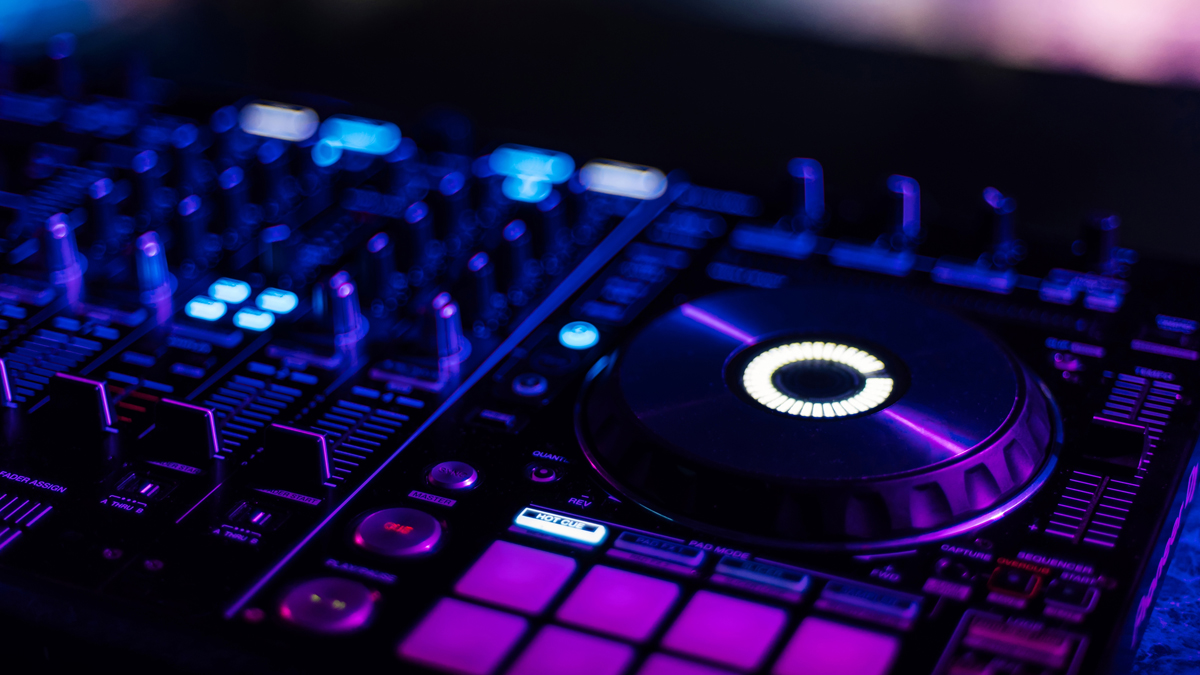
What is DJ Controller?
A DJ Controller is a modern electronic device used by disc jockeys to mix, manipulate, and perform music digitally. It is a central tool in Live Performance and Djing, which falls under Music Technologies in the broader Music Industry. A DJ Controller combines hardware controls with DJ software to allow performers to control music files stored on a computer, laptop, or even a mobile device.
In simple words, a DJ Controller acts like a bridge between the DJ and digital music. Instead of using traditional vinyl turntables or CD players, DJs now use controllers to load tracks, adjust tempo, apply effects, and create seamless transitions between songs. It allows DJs to perform creatively while managing multiple tracks at the same time.
The device usually connects to DJ software installed on a computer. The software processes the music, while the controller provides physical knobs, faders, buttons, and jog wheels that the DJ can touch and operate. This setup gives DJs a hands on experience similar to traditional setups but with advanced digital capabilities.
DJ Controllers are widely used in clubs, concerts, festivals, weddings, radio shows, and even home studios. They have become one of the most important tools in modern DJ culture and have transformed how music is performed live.
How does DJ Controller Work?
A DJ Controller works by sending control signals to DJ software through a USB or wireless connection. The controller itself does not store or process music in most cases. Instead, it acts as a command center that tells the software what to do.
Connection and Communication: When a DJ connects the controller to a laptop or compatible device, the DJ software recognizes it. Each button, knob, or fader on the controller is mapped to specific functions within the software. For example, turning a knob might increase volume, and pressing a button might trigger a sound effect.
Track Loading and Playback: The DJ loads digital music files into the DJ software. Using the controller, the DJ can choose tracks, play or pause them, adjust speed, and set cue points. Jog wheels allow the DJ to scratch or fine tune track alignment.
Mixing and Blending: The controller includes a mixer section with channel faders, crossfader, and equalizer controls. These tools allow the DJ to blend two or more tracks smoothly. The crossfader moves sound from one track to another, creating seamless transitions.
Effects and Creative Control: Many controllers include built in effects such as echo, reverb, and filter. The DJ can apply these effects in real time. Performance pads on the controller can trigger loops, samples, or hot cues, adding creativity to the set.
Audio Output: The controller often includes a built in audio interface. This allows the DJ to send the mixed audio to speakers or a sound system while monitoring tracks through headphones.
In simple terms, the DJ Controller translates physical actions into digital commands that shape the music being played.
What are the Components of DJ Controller?
A DJ Controller consists of several important parts that work together to create a professional DJ setup.
Jog Wheels: These circular discs simulate vinyl record movement. DJs use them for scratching, pitch bending, and track alignment.
Mixer Section: This part includes channel faders, crossfader, gain controls, and equalizers. It allows the DJ to control volume and balance between tracks.
Performance Pads: These rubber pads trigger hot cues, loops, samples, and effects. They add creativity and dynamic performance features.
Pitch Faders: These sliders adjust the tempo of a track. DJs use them to match the beats of two songs.
Control Knobs and Buttons: These control filters, effects, browsing, and track selection.
Built in Audio Interface: This allows the controller to send audio signals to speakers and headphones without needing extra hardware.
USB or Connectivity Ports: These connect the controller to computers or other devices. Some advanced controllers support Bluetooth or standalone operation.
Each component plays a key role in enabling smooth and professional DJ performances.
What are the Types of DJ Controller?
There are different types of DJ Controllers designed for various needs and skill levels.
Entry Level Controllers: These are designed for beginners. They are compact, affordable, and easy to use. They usually control two decks and basic effects.
Professional Controllers: These offer advanced features such as four deck control, high quality audio interfaces, and extensive effects. They are used in clubs and large events.
Standalone Controllers: These can operate without a laptop. They have built in screens and processors that allow DJs to play music directly from USB drives.
Modular Controllers: These are separate units that control specific functions such as effects or remix decks. DJs can combine them with other equipment.
Mobile Controllers: These are lightweight and designed for DJs who travel frequently. They often support mobile apps.
Each type serves a different purpose depending on performance needs and budget.
What are the Applications of DJ Controller?
DJ Controllers are used in many areas of the Music Industry and beyond.
Club Performances: DJs use controllers to perform live sets in clubs and nightlife venues.
Music Festivals: Large scale events rely on professional controllers for smooth and powerful performances.
Weddings and Private Events: Mobile DJs use controllers for flexible and easy setup.
Radio Broadcasting: DJs mix tracks live during radio shows.
Music Production: Some producers use controllers to experiment with mixing techniques and remixing.
Online Streaming: DJs perform live sets on streaming platforms using controllers connected to broadcasting software.
Educational Institutions: Music schools use controllers to teach digital DJing techniques.
The versatility of DJ Controllers makes them suitable for both professional and personal use.
What is the Role of DJ Controller in Music Industry?
The DJ Controller plays a major role in shaping modern live music performance. It has made DJing more accessible and technologically advanced.
Accessibility: Controllers reduce the cost of entry into DJing compared to traditional turntables and mixers.
Digital Integration: They connect easily with digital music libraries, allowing DJs to access thousands of tracks instantly.
Creative Innovation: Controllers encourage experimentation with loops, samples, and effects.
Live Performance Enhancement: They help DJs deliver polished and professional performances.
Industry Growth: The popularity of controllers has contributed to the growth of DJ culture, electronic dance music, and live remixing.
In the modern Music Industry, the DJ Controller is not just a tool but a creative instrument.
What are the Objectives of DJ Controller?
The main objectives of a DJ Controller focus on improving live music performance and creativity.
Simplifying Mixing: Make it easier to mix and blend digital tracks.
Enhancing Creativity: Provide tools for looping, sampling, and applying effects.
Improving Portability: Offer compact solutions for DJs on the move.
Ensuring Precision: Deliver accurate control over tempo and synchronization.
Supporting Digital Music: Integrate seamlessly with DJ software and digital libraries.
These objectives help DJs perform with confidence and flexibility.
What are the Benefits of DJ Controller?
DJ Controllers offer several benefits to performers and the industry.
Cost Effective: More affordable than traditional DJ setups.
Portable: Lightweight and easy to transport.
User Friendly: Simple layout for beginners and advanced users.
Advanced Features: Built in effects and performance tools.
Space Saving: Compact design suitable for small venues or home studios.
Integration: Easy connection with modern DJ software.
These benefits make controllers a popular choice for DJs worldwide.
What are the Features of DJ Controller?
Modern DJ Controllers include a wide range of features that enhance performance quality.
Multiple Deck Control: Ability to control two or four decks.
High Resolution Jog Wheels: Provide accurate scratching and pitch control.
Performance Pads: Offer creative triggering options.
Built in Sound Card: Ensures professional audio output.
Effects Section: Includes filters, delays, and modulation effects.
Sync Function: Automatically matches beats between tracks.
Display Screens: Show track information and waveforms.
Software Compatibility: Supports popular DJ software platforms.
These features allow DJs to perform with creativity and technical precision.
What are the Examples of DJ Controller?
Several well known DJ Controllers are popular in the Music Industry.
Pioneer DJ DDJ Series: Widely used in clubs and professional setups.
Numark Mixtrack Series: Popular among beginners and intermediate DJs.
Hercules DJControl Series: Known for affordability and ease of use.
Native Instruments Traktor Kontrol Series: Designed for integration with Traktor software.
Denon DJ Prime Series: Offers standalone functionality with advanced features.
These examples show how different brands cater to various DJ needs.
What is the Definition of DJ Controller?
A DJ Controller is an electronic hardware device that allows a disc jockey to control and manipulate digital music files through DJ software during live performances and mixing sessions. It serves as an interface between the user and the software, providing physical controls for creative and technical operations.
What is the Meaning of DJ Controller?
The meaning of DJ Controller refers to a device that gives DJs direct physical control over digital music playback, mixing, and effects. It combines the functions of traditional turntables and mixers into a single integrated unit designed for modern digital DJing.
What is the Future of DJ Controller?
The future of DJ Controller technology looks innovative and promising.
Artificial Intelligence Integration: Future controllers may include smart features that suggest tracks or automate transitions.
Touchscreen Interfaces: More controllers are expected to feature high resolution screens for direct waveform interaction.
Wireless Connectivity: Improved wireless performance will reduce cable dependence.
Cloud Integration: DJs may access music libraries directly from cloud services.
Enhanced Portability: Smaller and lighter models with powerful features will continue to emerge.
Sustainability: Manufacturers may focus on eco friendly materials and energy efficient designs.
As technology evolves, DJ Controllers will continue to shape the Live Performance and Djing landscape within Music Technologies.
Summary
- A DJ Controller is a digital device used for mixing and performing music.
- It connects to DJ software and translates physical controls into digital commands.
- Key components include jog wheels, mixer section, performance pads, and audio interface.
- There are various types such as entry level, professional, standalone, and modular controllers.
- DJ Controllers are used in clubs, festivals, events, radio, and online streaming.
- They play a crucial role in modern Music Industry by enhancing creativity and accessibility.
- Controllers offer benefits such as portability, affordability, and advanced features.
- The future includes artificial intelligence, wireless technology, and cloud integration.

