
What is DJ Mixer?
A DJ Mixer is an essential audio device used in live performance and DJing that allows a disc jockey to combine, control, and manipulate multiple audio sources. It is a central piece of music technology in the music industry, designed to blend tracks smoothly, adjust sound levels, apply effects, and create seamless transitions between songs. DJs use a mixer to shape the energy of a performance, control the flow of music, and deliver a professional and engaging sound experience to the audience.
In simple terms, a DJ Mixer works as the control center of a DJ setup. It connects to devices such as turntables, CD players, media players, laptops, microphones, and other audio equipment. By adjusting knobs, faders, and switches, a DJ can control volume, tone, and effects for each sound source individually. This makes it possible to mix two or more tracks at the same time without abrupt changes.
The DJ Mixer plays a major role in live events, clubs, festivals, radio stations, and even home studios. It is designed specifically for performance situations where smooth transitions and creative sound manipulation are required. Unlike a standard audio mixer used in recording studios, a DJ Mixer focuses more on live mixing, beat matching, and real time performance techniques.
The development of DJ Mixers has evolved alongside the music industry. From simple two channel analog mixers used in early hip hop and disco scenes to modern digital mixers with advanced features such as built in effects and USB connectivity, the DJ Mixer has become more powerful and versatile. Today, it is a fundamental tool for DJs across genres including electronic dance music, hip hop, pop, and many others.
How does DJ Mixer Work?
A DJ Mixer works by receiving audio signals from different input sources and allowing the DJ to control and combine them before sending the final output to speakers or amplifiers. Each audio source connects to a separate channel on the mixer. These channels provide individual controls so that the DJ can adjust sound levels, tone, and other settings for each track.
Signal Flow: The basic working principle of a DJ Mixer begins with the input stage. Audio signals enter through inputs such as line inputs for media players or phono inputs for turntables. The mixer then processes these signals through channel controls. After adjustments are made, the signals are combined in the main mixing section and sent to the master output. From there, the sound travels to amplifiers and speakers for the audience to hear.
Channel Control: Each channel typically includes a gain control, equalizer controls, and a channel fader. Gain adjusts the input level of the signal. Equalizers allow the DJ to increase or decrease specific frequency ranges such as bass, midrange, and treble. The channel fader controls the volume of that particular track in the overall mix.
Crossfader Function: One of the most important features of a DJ Mixer is the crossfader. The crossfader allows the DJ to smoothly transition between two channels. By sliding the crossfader from one side to the other, the DJ can fade out one track while fading in another. This creates seamless transitions that keep the music continuous.
Cueing System: DJ Mixers also include a cue system that allows DJs to listen to a track privately through headphones before playing it for the audience. This helps with beat matching and timing, ensuring that transitions are smooth and synchronized.
Effects and Processing: Many modern DJ Mixers include built in effects such as echo, reverb, filter, and delay. These effects can be applied to individual channels or the master output to enhance creativity and add excitement to the performance.
Through this combination of signal routing, level control, tone shaping, and effects processing, the DJ Mixer enables DJs to craft a dynamic and engaging live performance.
What are the Components of DJ Mixer?
A DJ Mixer consists of several important components that work together to provide full control over audio mixing. Each part has a specific function and contributes to the overall performance.
Input Channels: Input channels are where audio sources are connected. Most mixers have at least two channels, while professional models may have four or more. Each channel handles a separate audio signal.
Gain Control: Gain knobs adjust the strength of the incoming audio signal. Proper gain setting ensures that the sound is clear and free from distortion.
Equalizer Section: The equalizer section typically includes controls for low, mid, and high frequencies. This allows DJs to shape the sound of each track. For example, reducing the bass on one track while increasing it on another can help blend them smoothly.
Channel Faders: Channel faders control the volume of each input channel. By adjusting these faders, DJs can balance the levels of different tracks.
Crossfader: The crossfader is used to transition between two main channels. It is especially important in genres like hip hop and electronic dance music.
Cue Buttons: Cue buttons allow DJs to select which channel they want to monitor in their headphones. This helps prepare the next track before introducing it to the audience.
Master Output Section: The master output controls the overall volume of the mixed signal sent to the speakers. It may also include additional output options for recording or booth monitoring.
Effects Controls: Many mixers include dedicated controls for built in effects. These controls allow DJs to add creative elements to their mixes.
Microphone Input: DJ Mixers often include one or more microphone inputs for announcements or live vocal performances.
These components combine to create a flexible and powerful device capable of handling complex live performances.
What are the Types of DJ Mixer?
There are several types of DJ Mixers available in the market, each designed for different styles and needs.
Analog DJ Mixer: Analog mixers use traditional electronic circuits to process audio signals. They are known for their warm sound and simple design. Many DJs appreciate analog mixers for their reliability and straightforward operation.
Digital DJ Mixer: Digital mixers use digital signal processing technology. They offer advanced features such as built in effects, USB connectivity, and integration with DJ software. Digital mixers are popular among modern DJs who use laptops and digital music libraries.
Rotary DJ Mixer: Rotary mixers use rotary knobs instead of linear faders for volume control. They are often preferred in house and techno music scenes because they allow smooth and gradual transitions.
Scratch Mixer: Scratch mixers are designed specifically for turntablism and scratching. They usually have highly responsive crossfaders and durable construction to withstand intense performance techniques.
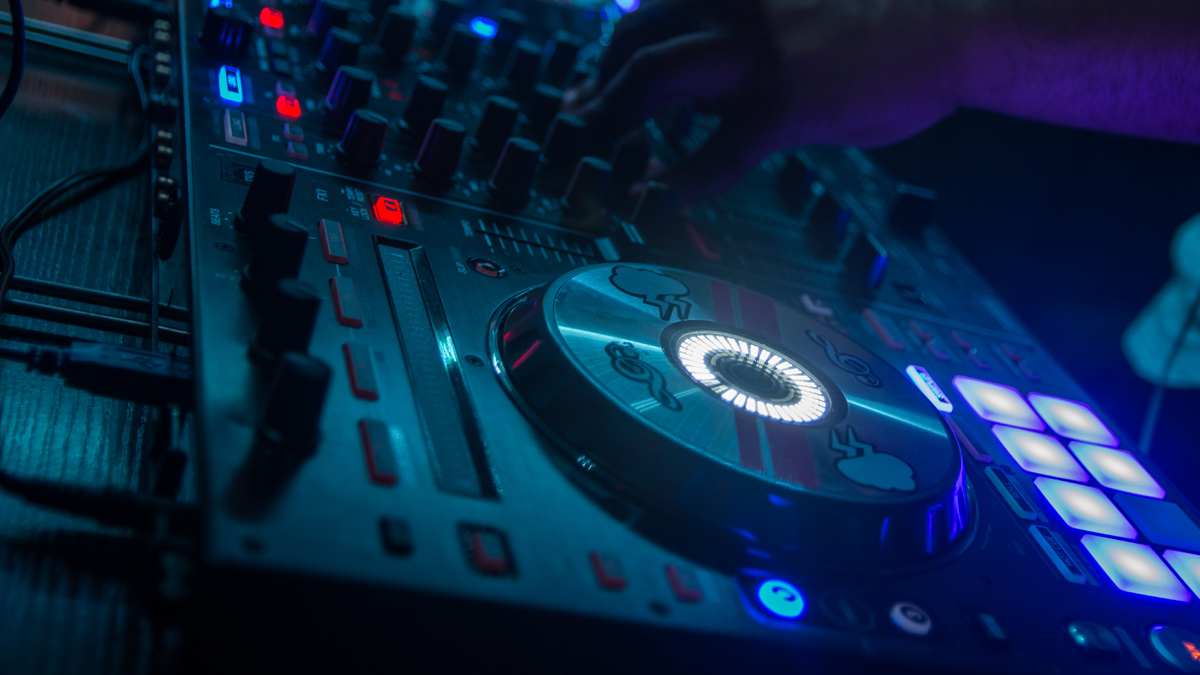
Controller Mixer: Some DJ controllers include a built in mixer section. These are integrated systems that combine hardware controls with DJ software for digital mixing.
Each type of DJ Mixer serves a specific purpose, and the choice depends on the DJ style, performance environment, and technical requirements.
What are the Applications of DJ Mixer?
Club Performances: DJ Mixers are widely used in nightclubs where DJs perform live sets for audiences. The mixer ensures smooth transitions and consistent sound quality.
Music Festivals: Large scale events rely on professional DJ Mixers to manage multiple sound sources and deliver high quality audio to large crowds.
Radio Broadcasting: DJs at radio stations use mixers to combine music tracks, jingles, and microphone input during live shows.
Home Studios: Many aspiring DJs use mixers at home to practice and create recorded mixes.
Corporate and Private Events: DJ Mixers are essential at weddings, parties, and corporate events where background music and announcements are required.
These applications demonstrate the versatility of DJ Mixers across various settings in the music industry.
What is the Role of DJ Mixer in Music Industry?
The DJ Mixer plays a central role in the music industry, especially in live performance and DJ culture. It enables DJs to become performers rather than simply music players. By controlling transitions, tempo, and sound effects, DJs can create unique live experiences that attract audiences and build fan bases.
The mixer also supports music promotion. DJs often introduce new tracks during live sets, helping artists gain exposure. In clubs and festivals, the DJ Mixer becomes a tool for shaping trends and influencing musical tastes.
In addition, the DJ Mixer contributes to the growth of electronic dance music and hip hop cultures. These genres rely heavily on mixing techniques, scratching, and live remixing. Without the DJ Mixer, these styles would not have developed in the same way.
What are the Objectives of DJ Mixer?
The primary objective of a DJ Mixer is to combine multiple audio sources into a cohesive and smooth musical experience. It aims to provide control, creativity, and flexibility during live performance.
Sound Blending: One objective is to blend tracks seamlessly without noticeable gaps or sudden changes.
Sound Control: The mixer allows precise adjustment of volume and tone to maintain balanced audio.
Creative Expression: DJs use the mixer to apply effects and create unique transitions.
Performance Enhancement: The mixer supports professional quality sound delivery in live settings.
These objectives make the DJ Mixer an indispensable tool in live performance and DJing.
What are the Benefits of DJ Mixer?
A DJ Mixer offers many benefits to DJs and event organizers.
Improved Sound Quality: By controlling levels and frequencies, DJs can ensure clear and balanced audio.
Seamless Transitions: The crossfader and channel controls enable smooth movement between tracks.
Creative Flexibility: Built in effects and equalizers allow for artistic expression.
Professional Performance: A DJ Mixer enhances the overall quality of live shows.
Versatility: It can connect to various audio devices, making it adaptable to different setups.
These benefits contribute to the popularity of DJ Mixers in the music industry.
What are the Features of DJ Mixer?
Multiple Channels: Most DJ Mixers have at least two channels, allowing mixing between different tracks.
Equalizer Controls: Frequency adjustment controls help shape sound.
Crossfader: Enables smooth transitions between tracks.
Cue System: Allows private monitoring through headphones.
Built in Effects: Digital mixers often include effects for creative mixing.
USB Connectivity: Modern mixers may connect directly to computers for recording or software integration.
Durable Design: DJ Mixers are built to withstand frequent use in live environments.
These features make DJ Mixers highly functional and performance ready devices.
What are the Examples of DJ Mixer?
There are many well known DJ Mixers used in professional and amateur setups.
The Pioneer DJM series is widely used in clubs around the world.
The Allen and Heath Xone series is known for its high quality sound and rotary style options.
The Rane scratch mixers are popular among hip hop DJs.
The Numark mixers are often chosen by beginners and mobile DJs.
Each of these examples reflects different design philosophies and user needs in the DJ community.
What is the Definition of DJ Mixer?
A DJ Mixer is an electronic audio device designed to combine, control, and manipulate multiple audio signals during live performance, allowing a DJ to blend tracks seamlessly and apply sound adjustments in real time.
What is the Meaning of DJ Mixer?
The meaning of DJ Mixer lies in its function as a bridge between different audio sources and the audience. It represents creativity, control, and performance within the music industry. It is not just a technical device but also a tool of artistic expression that empowers DJs to shape the musical journey of listeners.
What is the Future of DJ Mixer?
The future of DJ Mixers is closely connected to advancements in digital technology and music software. Integration with artificial intelligence may help automate beat matching and track selection. Wireless connectivity and cloud based music libraries may become more common.
Touchscreen interfaces and customizable layouts could improve usability. At the same time, many DJs will continue to appreciate analog mixers for their classic sound and tactile feel. Hybrid systems that combine analog warmth with digital precision may dominate future markets.
Sustainability and portability may also influence design. Manufacturers may focus on energy efficient components and lightweight materials. As live performance continues to evolve, the DJ Mixer will adapt to meet new creative demands.
Summary
- A DJ Mixer is a central device in live performance and DJing under music technologies in the music industry.
- It combines and controls multiple audio sources to create seamless musical transitions.
- Key components include input channels, equalizers, faders, crossfader, cue system, and master output.
- There are different types such as analog, digital, rotary, and scratch mixers.
- DJ Mixers are used in clubs, festivals, radio stations, and private events.
- The mixer plays a major role in shaping live music experiences and promoting new tracks.
- Its objectives include sound blending, control, and creative expression.
- Benefits include improved sound quality, professional performance, and versatility.
- Modern features include built in effects, USB connectivity, and durable construction.
- The future of DJ Mixers involves digital innovation, hybrid systems, and advanced performance tools.

