
What is Drum Machine Controller?
A Drum Machine Controller is an electronic input device that helps a musician, producer, sound designer, or performer create, control, and trigger drum and percussion sounds. It usually belongs to the wider family of MIDI controllers and is used to send performance data to software instruments, drum machines, digital audio workstations, samplers, or hardware sound modules. Instead of producing every sound by itself, a Drum Machine Controller often works as a command center that tells another device or program which drum sound to play, when to play it, how hard to play it, and sometimes how long or how repeatedly to play it.
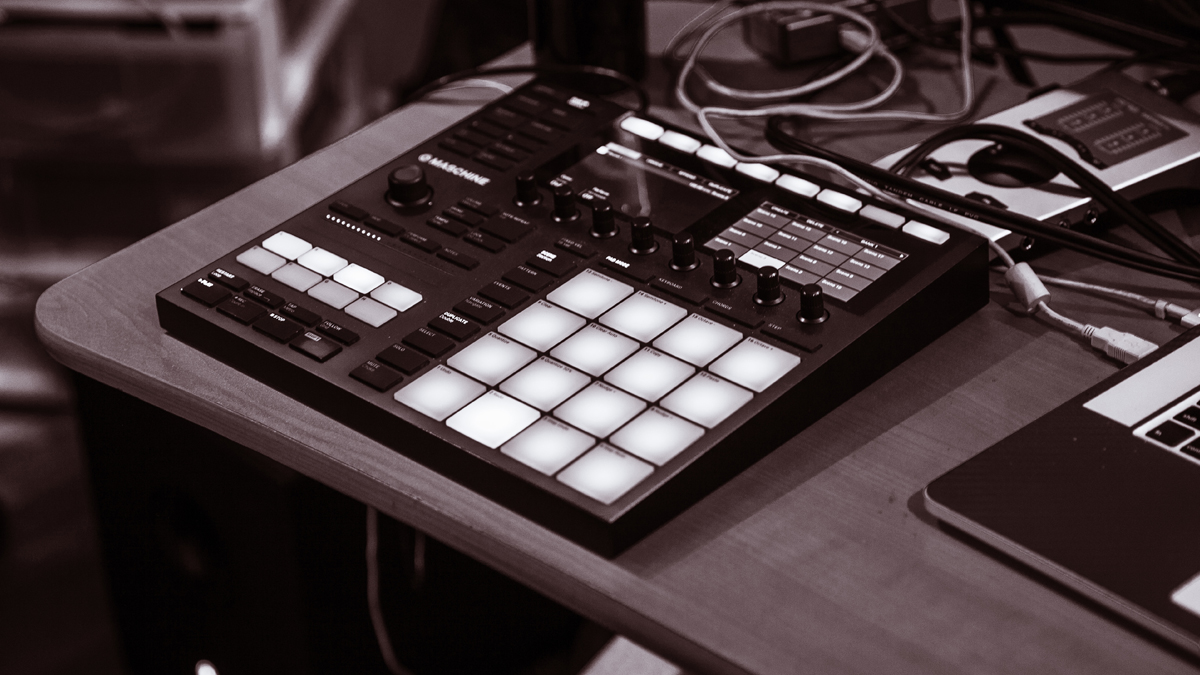
This type of controller is especially useful for rhythm creation. It allows users to build beats, tap out grooves, program patterns, and experiment with timing in a physical and intuitive way. Many controllers include drum pads, knobs, faders, buttons, step sequencers, transport controls, and display screens. These controls make the process of beat making more direct than using only a computer keyboard or mouse. A person can touch pads, record live finger drumming, adjust effects in real time, and build rhythm patterns in a structured but creative environment.
A Drum Machine Controller is important in modern music production because rhythm is the foundation of many styles such as hip hop, pop, electronic dance music, house, techno, trap, rock, ambient, film scoring, and experimental music. Whether a person is working in a studio, performing on stage, or creating demos at home, this controller helps translate rhythmic ideas into musical output with speed and precision.
How does Drum Machine Controller Work?
A Drum Machine Controller works by sending performance data to a connected system. In most cases, that system is a computer running music software, a hardware drum machine, a sampler, or a synthesizer. When a user taps a pad or presses a button, the controller sends a message. In a MIDI based setup, that message can include information such as note number, velocity, timing, aftertouch, and control changes. The receiving device interprets that message and plays the assigned sound.
For example, one pad may be assigned to a kick drum, another to a snare, another to a hi hat, and others to claps, cymbals, toms, or percussion. When the user presses a pad gently, the software may produce a softer sound. When the user presses with more force, the software may produce a louder or brighter sound. This is how expressive finger drumming becomes possible.
Some Drum Machine Controllers also include a step sequencer. In this system, the user programs beats by placing drum hits on steps across a timed grid. A pattern might contain 16 steps or more, and each step represents a rhythmic position. The controller sends the programmed pattern to software or hardware, which then plays it back in a loop. The user can mute sounds, change accents, add swing, adjust tempo, and vary the sequence while the rhythm continues to play.
In many production workflows, the controller connects through USB or traditional MIDI ports. USB is common in modern setups because it can send data directly to a computer and may also supply power. Some professional environments still use standard MIDI connections to integrate with external gear. Once connected, the user maps the controls to software functions. Pads can trigger sounds, knobs can adjust filter cutoff or volume, and transport buttons can start or stop recording.
A major reason for the popularity of Drum Machine Controllers is workflow efficiency. Instead of opening menus and clicking small screen elements, a user can work with hands on controls. This approach supports experimentation, improves timing during live input, and encourages musical interaction. The controller becomes an expressive interface between human rhythm and electronic sound production.
What are the Components of Drum Machine Controller?
A Drum Machine Controller contains several physical and digital control elements that help users shape rhythms and manage performance data. The exact layout depends on the model, but the main components are generally similar across many devices.
Pads: The pads are one of the most important parts. These rubber or pressure sensitive surfaces are used to trigger drum sounds. Good pads respond to velocity, which means they detect how hard the player hits them. This creates expressive variation and makes the controller suitable for live beat input.
Buttons: Buttons are used for pattern switching, track selection, mode changes, transport control, muting, soloing, and navigation. They help the user move through menus and workflows without needing constant access to a computer screen.
Knobs: Rotary knobs are commonly used to control parameters such as volume, pan, pitch, filter, decay, reverb send, and effect levels. In performance settings, knobs let users shape sound in real time.
Faders: Some controllers include faders for mixing drum levels or controlling automation parameters. Faders are helpful for balancing elements like kick, snare, percussion, and effects during a session or live show.
Step Sequencer Interface: Many Drum Machine Controllers include a row or matrix of buttons for sequence programming. These steps represent rhythmic positions where the user can place hits in time. This allows precise pattern building even for users who do not prefer live pad playing.
Display Screen: Some advanced controllers include LCD or LED screens. These show pattern names, tempo, sample settings, menu options, and editing details. A display improves workflow by giving the user visual feedback.
Transport Controls: Play, stop, record, loop, and metronome buttons are often included so users can control the recording environment directly from the device.
MIDI and USB Connectivity: Connectivity options allow the controller to communicate with computers, synthesizers, samplers, and drum machines. USB is common for modern music production, while MIDI ports support broader hardware integration.
Assignable Controls: Many devices let users customize pad assignments, knob functions, scene settings, and presets. This flexibility makes the controller suitable for different software and production styles.
Build and Chassis Design: The physical construction also matters. Portable controllers are lightweight and compact. Professional models may include stronger materials, larger pads, and more durable controls for stage use.
Together, these components create an interactive system that supports beat making, performance, sequencing, editing, and sound control.
What are the Types of Drum Machine Controller?
Drum Machine Controllers come in several types, each designed for different workflows, skill levels, and musical goals.
Pad Based Drum Machine Controllers: These are centered around performance pads. They are ideal for finger drumming, sample triggering, and real time beat input. They are widely used in hip hop, electronic music, and live performance.
Step Sequencer Drum Machine Controllers: These focus on programmed rhythm creation. Users place hits step by step to build patterns. This style is especially popular in techno, house, electro, and classic drum machine inspired production.
Hybrid Drum Machine Controllers: These combine performance pads with sequencing buttons, knobs, screens, and mixing controls. They are versatile and suited for both live playing and detailed programming.
Software Focused Controllers: These are designed to integrate tightly with specific programs such as drum plugins, DAWs, or production platforms. Their controls are pre mapped for fast workflow and deep software interaction.
Hardware Integrated Controllers: Some units are designed to control external samplers, synthesizers, grooveboxes, or standalone drum machines. They are valuable in hardware based studios and live electronic setups.
Portable Compact Controllers: These small controllers are made for mobile producers, beginners, and home users with limited space. They may have fewer controls but still offer basic drum programming and trigger functionality.
Professional Performance Controllers: These models are built for serious stage and studio use. They often include more pads, better sensitivity, stronger construction, more connectivity, and advanced editing features.
Vintage Style Controllers: Some controllers are inspired by classic drum machines and emphasize step entry, retro layout, and simple pattern programming. They appeal to users who want an old school workflow with modern digital convenience.
Each type serves a different purpose, and the right choice depends on whether the user values portability, live playing, deep sequencing, software integration, or hardware connectivity.
What are the Applications of Drum Machine Controller?
A Drum Machine Controller has a wide range of applications in music creation, performance, education, and sound design.
In music production, it is used to create drum patterns, grooves, loops, and rhythm layers. Producers can program basic beats quickly or build highly detailed percussive arrangements. This makes the controller essential in electronic, urban, and contemporary pop production.
In live performance, the controller helps performers trigger beats, launch drum loops, mute patterns, and change sounds on stage. Artists can improvise rhythms, build tension, and interact with the audience in a more dynamic way than using pre recorded backing tracks alone.
In film, television, and game scoring, Drum Machine Controllers are used to create percussive beds, hybrid rhythms, dramatic impacts, and tension patterns. Composers can combine acoustic and electronic drum sounds to match visual moods.
In sound design, controllers help shape one shot percussion, glitch textures, abstract rhythmic effects, and processed hits. Because many pads and knobs are assignable, users can manipulate sound in creative and unexpected ways.
In music education, these controllers are used to teach rhythm, timing, beat structure, MIDI concepts, and digital production workflows. They help students understand patterns such as quarter notes, eighth notes, syncopation, accents, and groove construction in an engaging format.
In rehearsal environments, a Drum Machine Controller can provide consistent rhythm backing for singers, instrumentalists, dancers, and bands. It can act as a rhythmic guide during practice sessions.
In content creation and home production, many creators use these controllers to make background music, short loops, podcast intros, social media content, and demo tracks. Their ease of use makes them valuable even beyond professional music studios.
What is the Role of Drum Machine Controller in Music Industry?
The Drum Machine Controller plays a major role in the music industry because it supports rhythm production, beat programming, live electronic performance, and modern studio workflow. As digital music creation has become central to commercial production, devices that make beat making easier and more expressive have become highly important.
In the recording industry, producers rely on these controllers to sketch ideas quickly and build the rhythmic foundation of songs. Many chart based genres depend heavily on programmed drums. A Drum Machine Controller helps turn creative rhythm concepts into usable patterns during songwriting and arrangement.
In the live entertainment sector, electronic artists, DJs, and hybrid performers use Drum Machine Controllers to perform rhythm parts, trigger backing elements, and shape shows in real time. This adds authenticity and flexibility to performances.
In music technology and equipment manufacturing, the demand for efficient and intuitive controllers has created a major product category. Companies design different models for beginners, professionals, touring artists, bedroom producers, educators, and studios.
In content production for advertising, streaming, gaming, and visual media, these controllers speed up workflow and help creators develop rhythmic material under time constraints. Since fast delivery is often important in commercial settings, hands on rhythm tools are especially useful.
The controller also plays a cultural role. It has contributed to the growth of beat making communities, producer performance culture, finger drumming techniques, and electronic music education. In this way, it is not only a tool but also a medium of musical expression and professional development.
What are the Objectives of Drum Machine Controller?
The objectives of a Drum Machine Controller are connected to efficiency, creativity, expressiveness, and control.
One objective is to make rhythm creation easier. A user can trigger and arrange drum sounds more naturally than by relying only on a mouse and computer keyboard.
Another objective is to improve workflow speed. Producers often need to record ideas immediately before inspiration fades. A controller helps translate ideas into patterns quickly.
A further objective is to increase performance expression. Velocity sensitive pads and real time controls allow subtle dynamics and human variation in beat making.
Another important objective is to support sequencing and timing accuracy. Step programming and quantization tools help users create rhythms that are tight and repeatable.
The controller also aims to improve interaction between user and sound. Physical controls make electronic music production feel more musical and less mechanical.
It also seeks to support flexibility. Many controllers can be customized for different software platforms, genres, and workflows.
A Drum Machine Controller aims to bridge technology and musicianship. It helps users work with digital systems while maintaining a tactile and creative performance experience.
What are the Benefits of Drum Machine Controller?
A Drum Machine Controller offers many benefits for musicians, producers, students, and performers.
It improves beat making speed. Users can quickly enter rhythms, test variations, and build grooves without complicated menu navigation.
It enhances musical feel. Pads allow live finger drumming, which often creates more human and lively results than only drawing notes on a grid.
It increases creativity. The physical act of tapping pads and turning controls often leads to ideas that may not emerge through screen based editing alone.
It supports precise sequencing. Step programming tools let users place hits exactly where needed, which is useful for structured electronic styles.
It encourages experimentation. Users can trigger unusual sounds, layer percussion, alter parameters, and discover new rhythmic textures in real time.
It improves stage performance. Artists can interact with rhythm live rather than depending entirely on pre programmed playback.
It helps learning and teaching. Students can understand rhythm structure and MIDI interaction through direct hands on practice.
It saves time in production. Workflow becomes faster when the controller integrates well with software, especially in repetitive beat creation tasks.
It offers portability. Many models are compact and easy to carry, making them practical for travel, home studios, and mobile production.
It supports many music genres. From electronic dance music to cinematic scoring, the controller can adapt to a broad range of creative needs.
What are the Features of Drum Machine Controller?
Drum Machine Controllers are known for a range of useful features that make them powerful in both studio and live environments.
Velocity Sensitivity: Pads respond to playing strength, allowing soft and loud hits for expressive performance.
Pad Assignment: Users can map individual pads to different drum sounds, samples, loops, or MIDI notes.
Aftertouch Support: Some advanced models detect pressure after a pad is struck, allowing further control over sound parameters.
Step Sequencing: Many controllers allow users to program patterns one step at a time.
Quantization: This feature aligns notes to rhythmic grids for cleaner timing.
Swing Control: Swing shifts the timing of certain notes slightly to create a more natural or grooved feel.
Pattern Memory: Controllers or linked software can store multiple patterns for recall and arrangement.
Scene and Preset Storage: Users can save custom mappings and settings for different projects or performances.
Real Time Control: Knobs, buttons, and faders can adjust sound parameters during playback.
Transport Integration: The controller can start, stop, record, and loop sessions from the hardware surface.
Software Integration: Many controllers work closely with DAWs and drum plugins for smooth setup and control.
MIDI Compatibility: Standard MIDI support allows communication with many digital and hardware systems.
USB Connectivity: USB offers simple connection and often provides power as well.
Visual Feedback: Lights, displays, and pad colors help users monitor mode, pattern status, or sound assignments.
Compact Design or Expanded Layout: Models vary from small travel units to larger studio and performance oriented devices.
These features help users choose a device that matches their technical needs, creative goals, and working style.
What are the Examples of Drum Machine Controller?
There are many examples of Drum Machine Controllers in the music electronics market, and they vary by design philosophy and intended use.
Some examples are pad based controllers used for finger drumming and sample triggering. These devices are common in beat production setups and are often connected to music software on a computer.
Other examples are groove production controllers with built in sequencing sections. These units allow users to trigger sounds with pads and also build patterns step by step. They are popular among electronic music producers.
There are also compact desktop controllers designed for beginners or mobile creators. These usually have fewer pads and knobs but still support core functions such as drum triggering, recording, and sequencing.
Some examples are controllers built for integration with a specific DAW or beat production platform. Their layout matches the software closely, which allows fast access to drum racks, mixer channels, pattern editing, and transport functions.
Hardware oriented examples include controllers designed to communicate with external drum modules, samplers, or synthesizers through MIDI ports. These are often used in hardware based live rigs.
In practical terms, examples may include performance pad controllers, desktop beat makers, hybrid groove controllers, sequencer focused rhythm units, and compact USB drum pads. Even though models differ in size and complexity, they all serve the main purpose of controlling drum and percussion performance within a digital or electronic music environment.
What is the Definition of Drum Machine Controller?
The definition of a Drum Machine Controller is an electronic control device used to trigger, program, and manage drum and percussion sounds through MIDI or similar digital control signals, usually in connection with software instruments, hardware drum machines, samplers, or digital audio workstations.
This definition highlights several important ideas. First, it is a controller, which means it is primarily an input and command device. Second, it focuses on drum and percussion functions. Third, it works within an electronic or digital music system. Fourth, it is commonly used for both performance and sequencing.
A simple definition may describe it as a rhythm focused MIDI controller. A more detailed definition would include its role in sound triggering, pattern programming, and real time manipulation of rhythmic elements.
What is the Meaning of Drum Machine Controller?
The meaning of Drum Machine Controller is best understood by breaking the term into parts.
Drum refers to the rhythmic and percussive sounds that form the beat or groove of a piece of music. This can include kick drums, snares, hi hats, toms, cymbals, claps, shakers, and many other percussion sounds.
Machine refers to the electronic and technological nature of the device. It is part of the broader field of music electronics and is designed to work with digital systems, software, and hardware instruments.
Controller means that the device is used to direct or control other sound generating tools. It may not produce all sounds independently, but it tells another system what to play and how to play it.
So, the meaning of Drum Machine Controller is a technology based music tool that gives a user physical and programmable control over drum and percussion performance in electronic production and live music environments. In practical terms, it represents a bridge between human rhythm input and digital sound generation.
What is the Future of Drum Machine Controller?
The future of Drum Machine Controller is likely to be shaped by smarter integration, better expressiveness, greater portability, and deeper connection with software ecosystems. As music production technology continues to evolve, these controllers are becoming more intelligent, responsive, and adaptable.
One future direction is enhanced sensitivity and performance realism. Pads may become more responsive to touch, pressure, and gesture, allowing more nuanced rhythmic input. This can make electronic drum programming feel even more natural.
Another trend is stronger software integration. Controllers are increasingly designed to work seamlessly with specific production environments. Setup processes are becoming easier, and users can expect more automatic mapping, visual feedback, and workflow optimization.
Artificial intelligence may also influence the future of Drum Machine Controllers. Intelligent rhythm assistance, pattern suggestions, groove correction, and adaptive sequencing tools may become more common. These features could help users generate ideas faster while still preserving creative control.
Wireless connectivity may expand as well. While wired USB remains reliable, some future models may offer stronger low latency wireless options for mobile and performance use.
Portability will likely remain important. More creators now work in small studios, home setups, or travel environments. Compact controllers with powerful features will continue to attract users.
There may also be more hybrid systems that combine controller functions with onboard sound engines, sampling, sequencing, and performance effects. This would give users more independence from laptops and support standalone music creation.
Educational use is also likely to grow. As more people learn music production online, beginner friendly Drum Machine Controllers may become even more common in training environments and creative classrooms.
Overall, the future looks strong because rhythm creation remains central to modern music. As long as artists need fast, tactile, and expressive tools for beat making, Drum Machine Controllers will continue to develop and remain relevant in the music industry.
Summary
- Drum Machine Controller is a rhythm focused electronic controller used to trigger, program, and shape drum and percussion sounds.
- It usually works through MIDI or USB by sending performance data to software, hardware drum machines, samplers, or DAWs.
- Common components include pads, buttons, knobs, faders, sequencer controls, displays, and connectivity ports.
- Major types include pad based, step sequencer based, hybrid, software focused, portable, and professional performance controllers.
- It is widely used in music production, live performance, sound design, education, rehearsal, and media scoring.
- Its role in the music industry is significant because it supports fast beat making, expressive rhythm input, and efficient digital workflow.
- Main objectives include improving creativity, speed, timing control, flexibility, and hands on interaction with rhythm.
- Key benefits include better workflow, stronger musical feel, easier experimentation, portability, and broad genre compatibility.
- Important features include velocity sensitive pads, quantization, swing, pattern memory, real time controls, and software integration.
- The meaning of Drum Machine Controller reflects its function as a tool that connects human rhythmic performance with digital music technology.
- The future of Drum Machine Controller includes smarter integration, improved pad response, portable designs, AI assisted rhythm tools, and more standalone capabilities.
- It remains an essential device within MIDI Controllers, Music Electronics, and the wider Music Industry.

