

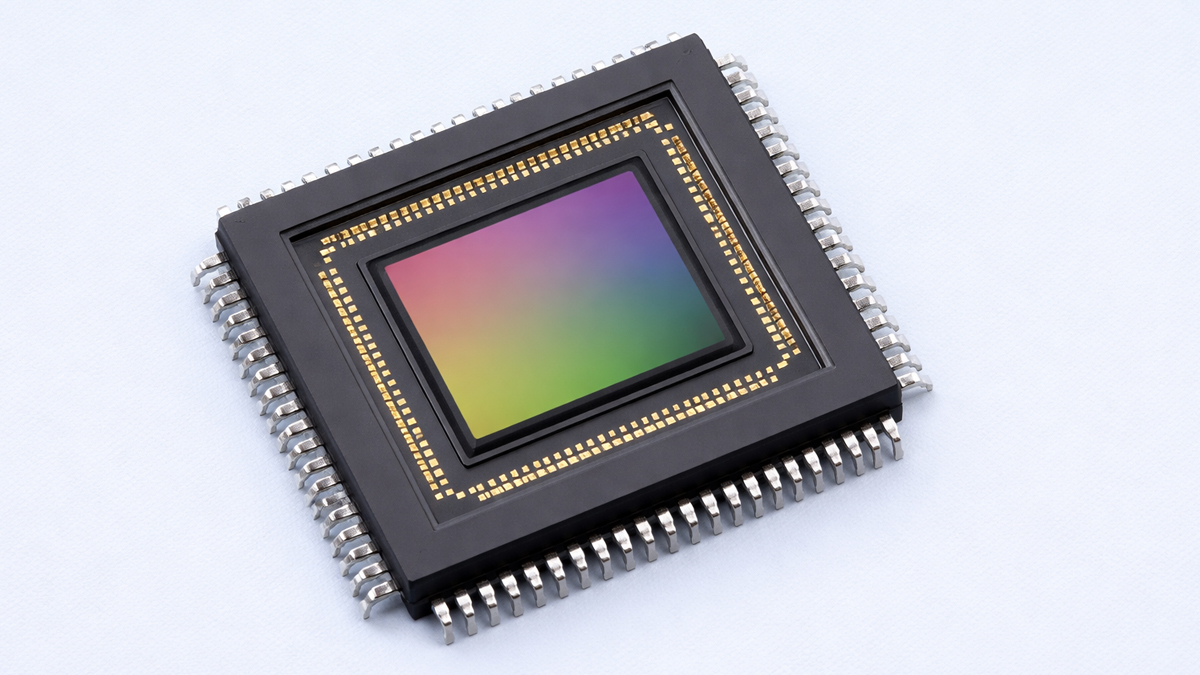
What is Image Signal Processor IC?
An Image Signal Processor IC is a specialized integrated circuit designed to process raw visual data captured by image sensors and convert it into high quality, usable images or video streams. In simple terms, it acts as the brain that understands and refines visual information before it becomes a picture or a moving image that humans can clearly see. Within the broader category of integrated circuits, an Image Signal Processor IC belongs to the domain of cinematic electronics when it is used in professional cameras, digital cinema systems, and advanced imaging equipment used in the cinema industry.
Image sensors, such as CMOS or CCD sensors, only capture raw electrical signals based on light intensity. These raw signals are not directly suitable for display or recording. The Image Signal Processor IC takes this unprocessed data and applies a sequence of intelligent operations to correct, enhance, and optimize the image. These operations include noise reduction, color correction, exposure control, contrast adjustment, and many other functions that are essential for producing cinematic quality visuals.
In the context of cinema, the Image Signal Processor IC is not just a technical component but a creative enabler. It ensures that the captured images reflect the artistic vision of filmmakers, cinematographers, and directors. By accurately interpreting light, color, and motion, it helps translate real world scenes into emotionally engaging visual stories. Without this integrated circuit, modern digital cinema as we know it would not be possible.
How does Image Signal Processor IC Work?
The working of an Image Signal Processor IC can be understood as a structured flow of data processing stages that begin at the image sensor and end with a refined image or video output. At its core, the processor receives raw pixel data that represents light intensity values captured by millions of tiny sensor elements.
Input stage: At this stage, the Image Signal Processor IC receives analog or digital signals from the image sensor. If the sensor outputs analog signals, an internal or external analog to digital converter transforms them into digital data that the processor can handle.
Pre processing stage: This stage focuses on correcting sensor level imperfections. Tasks such as black level correction, defective pixel correction, and lens shading correction are performed. These adjustments ensure that inconsistencies caused by sensor manufacturing variations or optical limitations are minimized.
Image enhancement stage: In this phase, the processor applies algorithms for demosaicing, noise reduction, white balance, and color correction. Demosaicing converts raw color filter array data into full color images. Noise reduction removes unwanted grain while preserving important details. White balance ensures that colors appear natural under different lighting conditions.
Advanced processing stage: For cinematic applications, advanced features such as dynamic range optimization, tone mapping, and motion analysis are applied. These processes help maintain detail in both bright and dark areas of a scene, which is crucial for high contrast cinematic visuals.
Output stage: Finally, the processed image or video data is formatted according to the required standard and sent to storage, display systems, or further post production pipelines. The result is a visually accurate and aesthetically pleasing output suitable for cinema quality production.
What are the Components of Image Signal Processor IC?
An Image Signal Processor IC is made up of multiple internal components that work together to achieve high performance image processing. Each component has a specific role in handling visual data efficiently and accurately.
Sensor interface: This component connects the processor to the image sensor. It manages data transfer, synchronization, and timing control to ensure that raw image data is received correctly.
Analog to digital conversion unit: When the image sensor outputs analog signals, this unit converts them into digital values. Precision at this stage is critical because it directly affects image quality.
Processing cores: These are specialized digital processing units optimized for image related computations. They execute algorithms for noise reduction, color processing, and image enhancement at high speed.
Memory blocks: Internal memory stores intermediate data during processing. This allows the processor to handle complex operations without delays and ensures smooth real time performance.
Control logic: This component manages the overall operation of the processor. It coordinates data flow, selects processing modes, and adapts parameters based on lighting conditions or user settings.
Output interface: This section prepares the processed data for output. It supports various formats and resolutions required by cinematic recording and display systems.
What are the Types of Image Signal Processor IC?
Image Signal Processor ICs can be categorized based on their design approach, level of integration, and intended application. Understanding these types helps in selecting the right processor for specific cinematic needs.
Standalone Image Signal Processor IC: This type exists as a dedicated chip whose sole purpose is image processing. It is commonly used in professional cinema cameras where maximum image quality and customization are required.
Integrated Image Signal Processor IC: In this type, the image signal processing functionality is integrated into a larger system on chip. This approach is common in compact devices but is also used in some cinematic equipment to reduce power consumption and size.
Programmable Image Signal Processor IC: This type allows software level customization of image processing algorithms. It is highly valuable in the cinema industry because filmmakers can fine tune image characteristics to match their creative vision.
Fixed function Image Signal Processor IC: This type uses predefined processing pipelines optimized for specific tasks. While less flexible, it offers high efficiency and consistency, making it suitable for standardized cinematic workflows.
What are the Applications of Image Signal Processor IC?
The applications of Image Signal Processor ICs extend across various industries, but their role in visual media and cinema is particularly significant. These processors are essential wherever high quality image capture and processing are required.
Digital cinema cameras: Image Signal Processor ICs enable professional cameras to capture high resolution, high dynamic range footage suitable for theatrical release.
Broadcast and live production: In live events and studio productions, these processors ensure consistent image quality under varying lighting conditions.
Post production and visual effects: Accurate image processing at the capture stage simplifies color grading and visual effects work during post production.
Surveillance and documentary filmmaking: High performance image processing ensures clarity and detail even in challenging environments.
Virtual production environments: Image Signal Processor ICs play a crucial role in real time rendering and compositing, supporting modern cinematic techniques.
What is the Role of Image Signal Processor IC in Cinema Industry?
In the cinema industry, the Image Signal Processor IC serves as a foundational technology that bridges raw image capture and cinematic storytelling. Its role goes beyond technical image correction and directly influences the visual language of films.
Visual fidelity: The processor ensures that images retain fine details, accurate colors, and natural contrast. This fidelity is essential for immersive cinematic experiences.
Creative control: Cinematographers rely on the processor to interpret light and color in ways that align with artistic intent. Adjustable processing parameters allow creative experimentation.
Consistency across scenes: Films are often shot under diverse lighting and environmental conditions. The Image Signal Processor IC helps maintain visual consistency across different scenes and locations.
Support for advanced formats: Modern cinema demands support for high resolution, wide color gamut, and high dynamic range formats. The processor enables these capabilities at the hardware level.
Efficiency in production workflows: By delivering high quality images directly from the camera, the processor reduces the need for excessive corrections in post production.
What are the Objectives of Image Signal Processor IC?
The objectives of an Image Signal Processor IC are aligned with delivering high quality visual output while maintaining efficiency and reliability. These objectives guide its design and implementation.
Accurate image reproduction: The processor aims to reproduce scenes as faithfully as possible, preserving colors, textures, and lighting nuances.
Noise minimization: One of its key goals is to reduce unwanted noise without sacrificing important details.
Dynamic range enhancement: The processor works to capture and display details in both bright highlights and deep shadows.
Real time performance: In cinematic applications, processing must occur in real time to support smooth video capture and monitoring.
Adaptability: The processor is designed to adapt to different sensors, lenses, and shooting conditions.
What are the Benefits of Image Signal Processor IC?
The use of an Image Signal Processor IC brings numerous benefits to cinematic electronics and the cinema industry as a whole. These benefits directly impact both technical performance and creative outcomes.
Improved image quality: Advanced processing algorithms result in sharper, cleaner, and more visually appealing images.
Enhanced creative expression: Filmmakers gain greater control over the look and feel of their visuals.
Reduced post production workload: High quality processing at capture reduces the need for extensive corrections later.
Operational efficiency: Dedicated hardware processing improves speed and reduces power consumption compared to software only solutions.
Reliability and consistency: Hardware based processing ensures predictable and repeatable results across different shoots.
What are the Features of Image Signal Processor IC?
An Image Signal Processor IC includes a range of features that make it suitable for demanding cinematic applications. These features are designed to handle complex visual data efficiently.
High resolution support: The processor can handle large image sizes required for modern cinema.
Wide dynamic range processing: This feature preserves details across extreme lighting conditions.
Advanced noise reduction: Intelligent algorithms reduce noise while maintaining texture and sharpness.
Color management capabilities: Accurate color processing ensures consistency with cinematic color standards.
Real time processing: The processor delivers immediate feedback, which is essential for on set monitoring.
What are the Examples of Image Signal Processor IC?
Examples of Image Signal Processor ICs can be understood by looking at their functional roles rather than specific brand names. In professional cinema cameras, dedicated standalone processors are used to achieve maximum image quality. In compact cinematic systems, integrated processors handle both image processing and system control. Some processors are designed specifically for high dynamic range cinema capture, while others focus on low light performance or high frame rate processing. These examples illustrate the diversity of Image Signal Processor IC designs tailored to different cinematic requirements.
What is the Definition of Image Signal Processor IC?
An Image Signal Processor IC can be defined as a specialized integrated circuit that processes raw image sensor data and converts it into high quality digital images or video suitable for display, storage, or further processing, particularly in visual and cinematic applications.
What is the Meaning of Image Signal Processor IC?
The meaning of Image Signal Processor IC lies in its function as an intelligent interpreter of visual information. It transforms electrical signals generated by light into meaningful images that convey visual stories. In cinematic electronics, it represents the intersection of technology and art, enabling machines to see and present the world in a way that resonates with human perception.
What is the Future of Image Signal Processor IC?
The future of Image Signal Processor IC technology is closely tied to advancements in cinema and visual media. As audience expectations continue to rise, these processors will evolve to support even higher resolutions, wider color gamuts, and more realistic dynamic range.
Artificial intelligence integration: Future processors are expected to incorporate machine learning techniques for smarter noise reduction, scene recognition, and automatic optimization.
Greater customization: Filmmakers will have more control over processing pipelines, allowing unique visual styles to be achieved directly in camera.
Energy efficiency improvements: As cinematic productions become more mobile, processors will be designed to deliver high performance with lower power consumption.
Integration with virtual production: Image Signal Processor ICs will play a key role in real time compositing and immersive production environments.
Enhanced collaboration with post production: Future designs will focus on seamless integration between capture and post production workflows.
Summary
- Image Signal Processor IC is a specialized integrated circuit that transforms raw sensor data into high quality images and video.
- It plays a central role in cinematic electronics and modern digital cinema.
- The processor works through structured stages including pre processing, enhancement, and output formatting.
- Key components include sensor interfaces, processing cores, memory, and control logic.
- Different types of Image Signal Processor ICs exist to meet various cinematic needs.
- Its applications range from cinema cameras to virtual production environments.
- The processor supports creative control, visual consistency, and high dynamic range imaging.
- Benefits include improved image quality, efficiency, and reduced post production effort.
- Future developments will focus on intelligence, customization, and deeper integration with cinematic workflows.

