

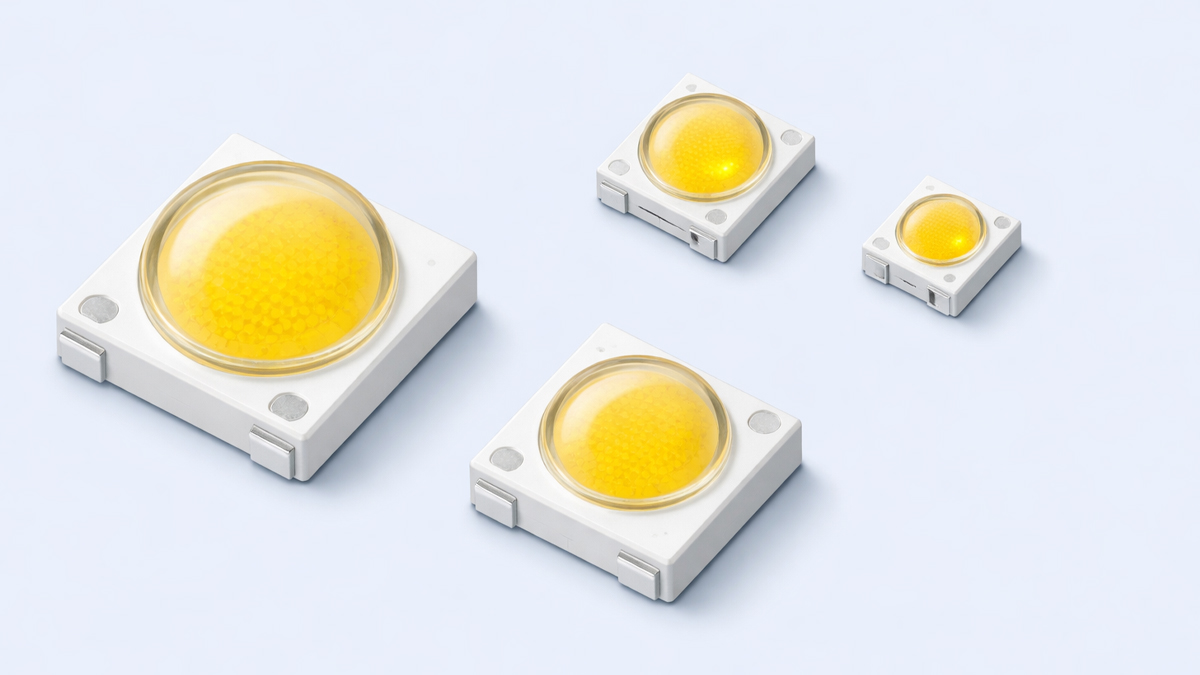
What is Mid Power LED?
Mid Power LED is a category of light emitting diode that operates between low power and high power LED ranges in terms of brightness, energy consumption, and heat generation. It is widely used in professional lighting systems where balanced performance is required. In the field of cinematic electronics under the cinema industry, Mid Power LED plays a significant role in delivering uniform illumination, energy efficiency, and cost effectiveness.
Mid Power LEDs are commonly designed in surface mount packages such as 2835, 3030, or similar compact formats. These packages allow them to be integrated into lighting panels, strips, and modules. They typically operate in the range of 0.2 watts to 0.5 watts per LED chip. Although each chip produces moderate light output, multiple chips are combined in arrays to generate powerful and evenly distributed light suitable for cinema environments.
In cinematic applications, lighting is not only about brightness. It is about color accuracy, consistency, and comfort for the audience. Mid Power LED solutions are engineered to meet these requirements while maintaining high reliability and reduced maintenance needs.
How does Mid Power LED Work?
Mid Power LED works based on the principle of electroluminescence. When electric current passes through a semiconductor material inside the LED chip, electrons recombine with holes. This recombination releases energy in the form of photons, which we see as visible light. The color of the light depends on the semiconductor material used in the diode.
In most Mid Power LED packages, a blue LED chip is coated with a phosphor layer. When blue light passes through the phosphor, part of it converts into yellow light. The combination of blue and yellow light produces white illumination. By adjusting the phosphor composition, manufacturers can control color temperature and color rendering index, which are critical in cinema lighting.
Thermal management is an important part of how Mid Power LED works. Even though it generates less heat compared to high power LEDs, it still requires proper heat dissipation to maintain performance and lifespan. Heat is transferred from the LED junction to the circuit board and then to a heat sink or metal core board. Efficient thermal design ensures stable brightness and prevents color shift over time.
In cinema applications, drivers are used to regulate current. Stable current ensures flicker free illumination, which is essential for high resolution projection environments and professional video recording setups.
What are the Components of Mid Power LED?
LED Chip: The LED chip is the core light emitting element made from semiconductor materials such as gallium nitride. It determines brightness, efficiency, and color output.
Phosphor Coating: In white Mid Power LEDs, phosphor coating converts part of the blue light into other wavelengths to produce white light with desired color temperature.
Lead Frame or Substrate: The substrate supports the LED chip and helps conduct heat away from the junction. In many Mid Power LEDs, a metal lead frame improves thermal performance.
Encapsulation Material: A transparent epoxy or silicone material covers the LED chip. This material protects the chip from dust and moisture while also shaping the light distribution.
Electrodes and Contacts: These provide electrical connections between the LED chip and the external circuit.
Printed Circuit Board: In practical installations, Mid Power LEDs are mounted on boards such as metal core printed circuit boards to improve heat dissipation and structural stability.
Driver Circuit: Though external to the LED package, the driver is essential. It regulates voltage and current to ensure stable light output, which is particularly important in cinematic electronics.
What are the Types of Mid Power LED?
White Mid Power LED: These are most common in cinema environments. They provide various color temperatures such as warm white, neutral white, and cool white.
High Color Rendering Mid Power LED: Designed for applications requiring accurate color reproduction, such LEDs are used in studio lighting and cinema halls where true color perception is critical.
RGB Mid Power LED: These combine red, green, and blue chips in a single package or module. They allow color mixing and dynamic lighting effects in theaters and entertainment spaces.
Tunable White Mid Power LED: These allow adjustment of color temperature from warm to cool. They are used in modern cinema interiors to create different moods before and after screenings.
Mid Power LED Arrays: Instead of single chips, these are multi chip modules designed for higher brightness and uniform lighting.
Each type is selected based on lighting goals, energy efficiency targets, and visual comfort standards in cinema spaces.
What are the Applications of Mid Power LED?
Mid Power LED is widely used in commercial and professional lighting. In general lighting, it is used in panel lights, tube lights, downlights, and strip lights.
In the entertainment and cinema sector, it is used for auditorium lighting, cove lighting, aisle illumination, stage background lighting, and lobby decorative lighting.
In projection rooms, Mid Power LEDs can be used in auxiliary lighting systems that require controlled brightness and minimal heat emission.
They are also used in LED video walls and display panels inside cinema complexes for promotional content.
Emergency lighting systems in theaters often rely on Mid Power LED technology due to its low power consumption and long lifespan.
Architectural lighting around cinema buildings also uses Mid Power LEDs for facade illumination and signage.
What is the Role of Mid Power LED in Cinema Industry?
Balanced Illumination: Mid Power LED provides uniform and glare controlled lighting inside auditoriums. This ensures comfort for viewers before and after movie screenings.
Energy Efficiency: Cinemas operate for long hours daily. Mid Power LED systems reduce electricity consumption compared to traditional incandescent or fluorescent lighting.
Low Heat Emission: Excessive heat can affect projection systems and audience comfort. Mid Power LEDs produce less heat, making them suitable for enclosed environments.
Color Accuracy: In areas such as screening rooms and post production studios, accurate lighting is necessary. High color rendering Mid Power LEDs help maintain visual clarity.
Design Flexibility: Compact packaging allows integration into modern architectural designs. Cinemas often use concealed lighting, and Mid Power LEDs fit easily into slim fixtures.
Reliability: Long operational life reduces maintenance interruptions, which is important in commercial cinema operations.
What are the Objectives of Mid Power LED?
The primary objective is to provide efficient and reliable illumination while minimizing energy consumption.
Another objective is to achieve uniform light distribution without hotspots or shadows.
In the context of cinematic electronics, an important objective is to ensure flicker free operation that does not interfere with cameras or projection systems.
Thermal stability is also a key objective, as maintaining optimal temperature enhances lifespan and consistent performance.
Cost effectiveness is a practical objective. Mid Power LEDs aim to balance performance and affordability, making them suitable for large scale cinema installations.
Environmental sustainability is another objective. Reduced energy consumption and lower carbon emissions contribute to greener cinema operations.
What are the Benefits of Mid Power LED?
Mid Power LED offers high luminous efficacy, meaning more light output per watt of energy consumed.
It has a long operational life, often exceeding 30000 to 50000 hours under proper conditions.
It provides flexible color temperature options suitable for different cinematic atmospheres.
Maintenance costs are reduced because of durable construction and long lifespan.
It improves safety due to low operating voltage and minimal heat emission.
It supports compact fixture designs, enabling creative lighting layouts in cinema interiors.
It contributes to environmental protection by reducing power consumption and waste associated with frequent lamp replacements.
What are the Features of Mid Power LED?
Compact Surface Mount Design: Small package sizes allow high density mounting on circuit boards.
Moderate Power Consumption: Operating typically below one watt per chip, making them efficient for large arrays.
High Luminous Efficiency: Advanced semiconductor materials ensure bright output with lower energy input.
Stable Color Output: Quality Mid Power LEDs maintain consistent color over time.
Good Thermal Performance: Designed to work with metal core boards and heat sinks for effective heat management.
Wide Viewing Angle: Many Mid Power LEDs offer broad beam angles suitable for uniform illumination.
Compatibility with Dimming Systems: They can be integrated with modern dimming controls for cinema ambiance adjustment.
What are the Examples of Mid Power LED?
Many global semiconductor companies manufacture Mid Power LEDs used in professional lighting. Examples include products from companies such as Nichia Corporation, Samsung Electronics, Osram, and Cree LED.
These companies produce mid range LED packages like 2835 and 3030 types that are widely adopted in cinema lighting systems.
Cinema equipment manufacturers integrate these LEDs into lighting panels, architectural fixtures, and digital display systems. While brand names may vary, the core technology remains consistent across manufacturers.
What is the Definition of Mid Power LED?
Mid Power LED is defined as a light emitting diode that operates in a moderate power range between low power indicator LEDs and high power illumination LEDs. It is designed to provide balanced brightness, energy efficiency, and thermal performance for professional lighting applications including cinematic electronics in the cinema industry.
This definition emphasizes its position in the LED classification spectrum and highlights its functional characteristics in practical applications.
What is the Meaning of Mid Power LED?
The meaning of Mid Power LED lies in its operational capacity. Mid refers to the moderate level of electrical power input, and Power LED refers to its ability to produce significant light output compared to basic indicator LEDs.
In simple terms, it means a lighting component that offers a middle ground between small signal LEDs and high intensity industrial LEDs. In cinema contexts, it symbolizes reliable, efficient, and visually comfortable illumination technology.
What is the Future of Mid Power LED?
The future of Mid Power LED is closely linked with advancements in semiconductor materials and smart lighting systems. Improvements in efficiency and thermal management will further increase lifespan and brightness.
In the cinema industry, integration with intelligent control systems will allow dynamic ambiance adjustment based on show schedules and audience presence.
Development of higher color rendering index and improved spectral control will enhance visual comfort and artistic lighting design.
As sustainability becomes more important, Mid Power LED technology will contribute to energy efficient cinema infrastructure.
Emerging trends such as human centric lighting and adaptive brightness control will expand the role of Mid Power LED in entertainment environments.
With ongoing research and innovation, Mid Power LED is expected to remain a core component in cinematic electronics and modern lighting systems.
Summary
- Mid Power LED operates in a moderate power range between low and high power LEDs
- It works through electroluminescence using semiconductor materials and phosphor coating
- It includes components such as LED chip, phosphor layer, substrate, encapsulation, and driver circuit
- It comes in various types including white, high color rendering, RGB, tunable white, and array modules
- It is widely used in auditorium lighting, stage lighting, lobby lighting, and display systems in cinemas
- It plays a crucial role in providing energy efficient, uniform, and reliable illumination in cinema industry
- It offers benefits such as long lifespan, low heat emission, and high luminous efficiency
- It supports modern design flexibility and smart lighting integration
- Its future involves higher efficiency, smarter control systems, and sustainable cinema infrastructure
- Mid Power LED is a key technology within LEDs under cinematic electronics under cinema industry

