

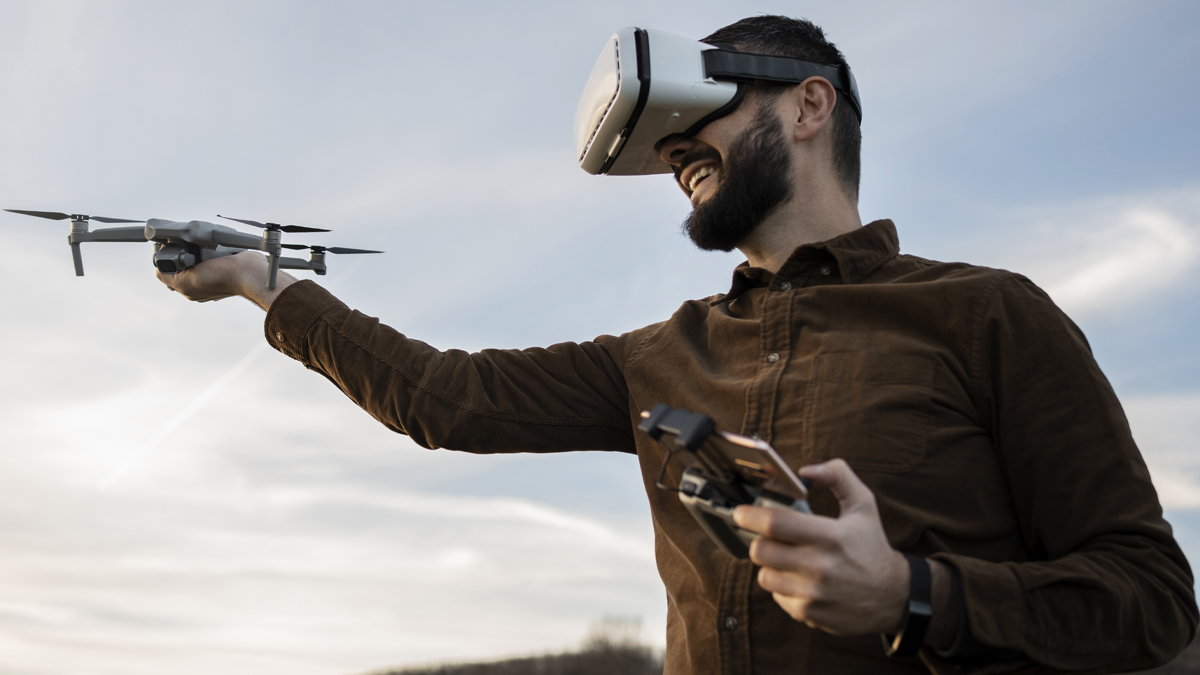
What is Simulcam?
Simulcam is an advanced cinematic technology used in virtual production that allows filmmakers to see live composite images of real world camera footage combined with computer generated imagery during the actual shoot. Instead of waiting for post production to merge visual effects with live action footage, Simulcam makes it possible to visualize both elements together in real time on set. This creates a powerful bridge between physical filmmaking and digital environments.
In traditional filmmaking, actors often perform in front of green screens with limited awareness of how digital creatures, environments, or effects will look. Simulcam changes this experience by providing an immediate visual representation of the final scene. When a camera captures live action, the system simultaneously integrates pre built digital assets into the frame. Directors, cinematographers, and actors can instantly see how real and virtual elements interact.
Simulcam is closely associated with virtual production workflows. It is especially valuable in high budget films, science fiction stories, fantasy epics, and action movies where complex visual effects are required. By merging live action and digital content during production, Simulcam improves creative decision making and reduces uncertainty. It allows filmmakers to adjust lighting, camera movement, and actor positioning with confidence because they can already see how the digital world fits into the real one.
Simulcam is not just a visual preview tool. It is a collaborative system that connects motion tracking, camera tracking, rendering engines, and display technologies. It plays a central role in modern cinematic technologies, helping the cinema industry move toward more efficient and immersive production methods.
How does Simulcam Work?
Simulcam works by combining real time camera tracking with computer generated imagery rendering. When a physical camera moves on set, its exact position, rotation, and lens data are tracked using advanced sensors or tracking markers. This tracking data is sent to a rendering engine that holds the digital environment or characters.
As the camera captures live footage, the rendering engine calculates the correct perspective of the virtual elements based on the camera movement. It then overlays the digital imagery onto the live video feed in real time. The result is a composite image that looks similar to the final visual effects shot, displayed instantly on monitors for the production team.
Camera tracking is a critical part of the process. Without accurate tracking, the virtual elements would not align correctly with the real world footage. Systems use optical tracking, infrared markers, or encoded lens data to ensure precision. The better the tracking accuracy, the more convincing the integration of digital and physical elements becomes.
Another key part of Simulcam is synchronization. The system must process tracking data, render digital assets, and combine them with live footage without noticeable delay. Real time processing is essential. Any lag can disrupt the creative flow and reduce confidence in the visual result.
Lighting also plays an important role. Virtual lighting inside the rendering engine must match the physical lighting conditions on set. When done correctly, shadows, reflections, and highlights appear consistent across real and digital elements. This consistency enhances realism and reduces the need for heavy corrections in post production.
Simulcam works by tracking camera movement, rendering digital content in real time, compositing it with live action footage, and displaying the combined result instantly for creative evaluation.
What are the Components of Simulcam?
Simulcam systems are made up of multiple integrated components that work together to deliver real time compositing. Each component plays a vital role in achieving accurate and reliable results.
Camera tracking system: This component captures the exact movement and position of the camera. It may use optical markers placed around the set, mechanical rigs attached to the camera, or sensor based tracking systems. Accurate tracking ensures that virtual elements move in perfect alignment with the physical camera.
Lens data encoder: Modern lenses can provide metadata about focal length, focus distance, and aperture. This information helps the rendering engine replicate the correct depth of field and perspective for digital objects.
Rendering engine: A real time rendering engine generates the digital environments, characters, and effects. Popular engines used in virtual production include Unreal Engine and Unity. These engines are optimized for high speed rendering and can produce realistic lighting and textures.
Compositing system: This system merges the live video feed with the rendered digital content. It ensures proper layering, color matching, and alignment between real and virtual elements.
Monitoring and display units: Directors and cinematographers rely on monitors to view the composite image. Some productions use on set screens, tablets, or even head mounted displays to observe the integrated scene.
Data synchronization infrastructure: High speed processors and networking equipment ensure that tracking, rendering, and compositing occur without delay. Stability and synchronization are essential for seamless operation.
Virtual asset library: Pre built digital models, environments, animations, and effects are stored and prepared in advance. These assets are integrated into the scene during filming.
Together, these components form a cohesive Simulcam system that transforms how filmmakers visualize and execute complex scenes.
What are the Types of Simulcam?
Simulcam can be categorized into different types based on the technology used and the production requirements.
Green screen based Simulcam: In this setup, actors perform in front of green screens. The system replaces the green background with digital environments in real time. This type is common in large studio productions where full control over background elements is required.
LED wall integrated Simulcam: With the rise of LED volume stages, digital environments are displayed on large LED walls behind the actors. Simulcam systems track camera movement and adjust the perspective of the displayed environment accordingly. This creates a more natural interaction between actors and their surroundings.
Augmented reality Simulcam: This type overlays digital characters or objects onto live action scenes in partially physical environments. It is often used for scenes involving digital creatures interacting with real sets.
Hybrid Simulcam systems: Some productions combine multiple techniques, using LED walls for backgrounds and additional digital overlays for characters or effects.
Each type of Simulcam serves specific storytelling and production needs. The choice depends on budget, creative goals, and technical infrastructure available to the filmmaking team.
What are the Applications of Simulcam?
Simulcam has a wide range of applications in the cinema industry and beyond. Its primary application is in feature films that require heavy visual effects. Science fiction films, fantasy stories, and superhero movies often rely on Simulcam to integrate digital worlds seamlessly with live action performances.
In action films, Simulcam helps visualize complex stunts involving digital explosions or large scale environments. Directors can see how digital effects align with actors and physical props during filming.
Television productions also benefit from Simulcam. High quality series that demand cinematic visuals use real time compositing to maintain consistency and reduce post production timelines.
Simulcam is also used in advertising and live events. Commercial shoots that require futuristic environments or product visualizations can integrate digital content instantly. Live broadcasts may use similar techniques to insert graphics into real time camera feeds.
In education and training simulations, Simulcam can create immersive environments where learners interact with digital elements layered onto physical spaces. While its strongest presence remains in cinema, its potential extends into gaming, architecture visualization, and virtual reality experiences.
What is the Role of Simulcam in Cinema Industry?
Simulcam plays a transformative role in the cinema industry by reshaping how visual effects are planned and executed. Traditionally, filmmakers relied heavily on post production teams to complete complex visual effects. Simulcam shifts part of this creative process to the production stage.
By allowing directors and cinematographers to see the final composition during filming, Simulcam reduces guesswork. It enhances collaboration between departments such as visual effects, cinematography, and production design. Creative decisions can be made with greater clarity because everyone shares a common visual reference.
Simulcam also supports performance quality. Actors can respond more naturally when they see digital characters or environments represented on set monitors. This improves emotional authenticity and timing.
From a financial perspective, Simulcam can reduce costly re shoots and extensive post production corrections. While the technology requires significant initial investment, it can streamline workflows and increase efficiency.
In essence, Simulcam strengthens the integration between technology and storytelling within the cinema industry.
What are the Objectives of Simulcam?
The objectives of Simulcam are centered around improving visualization, efficiency, and creative control.
Real time visualization: One primary objective is to allow filmmakers to view integrated scenes instantly during production.
Enhanced creative collaboration: By providing immediate feedback, Simulcam encourages collaboration among directors, cinematographers, visual effects supervisors, and actors.
Improved accuracy: Simulcam aims to ensure that digital elements align perfectly with live action footage, reducing errors in perspective and scale.
Reduced post production workload: Another objective is to minimize heavy reliance on post production adjustments by achieving accurate composites during filming.
Better storytelling: Ultimately, Simulcam seeks to support storytelling by enabling filmmakers to focus on narrative and performance rather than technical uncertainty.
What are the Benefits of Simulcam?
Simulcam offers numerous benefits that make it a valuable tool in modern filmmaking.
Increased creative confidence: Directors can make informed decisions on set because they see the composite image immediately.
Time efficiency: Real time compositing reduces the need for lengthy trial and error in post production.
Cost savings: Although setup costs are high, overall production expenses can decrease due to fewer corrections and re shoots.
Improved actor engagement: Performers can better understand the digital context of their scenes, leading to stronger performances.
Accurate lighting and composition: Cinematographers can adjust lighting and framing to match digital environments precisely.
Streamlined workflow: Simulcam integrates multiple departments, reducing communication gaps and improving coordination.
These benefits contribute to a more dynamic and efficient filmmaking process.
What are the Features of Simulcam?
Simulcam is defined by several distinctive features that differentiate it from traditional visual effects workflows.
Real time compositing capability: The system merges live footage and digital imagery instantly.
High precision tracking: Advanced camera and lens tracking ensures accurate alignment.
Integration with rendering engines: Simulcam works seamlessly with real time rendering platforms such as Unreal Engine.
On set visualization tools: Monitors and display systems allow immediate review of composite shots.
Scalability: Simulcam can be adapted to small scale productions or large studio projects.
Compatibility with LED volume stages: Modern Simulcam systems support LED wall technology for immersive backgrounds.
These features make Simulcam an essential element of contemporary virtual production systems.
What are the Examples of Simulcam?
Simulcam has been used in several major film productions. One of the most notable examples is Avatar, directed by James Cameron. The film utilized advanced real time visualization systems to allow the director to see digital environments while filming performance capture scenes.
Another example is The Mandalorian, which heavily relied on virtual production techniques including real time compositing and LED volume stages. Simulcam style workflows enabled seamless integration of digital worlds with live action performances.
Superhero films within large cinematic franchises have also adopted similar technologies to integrate digital characters and environments during filming. These examples demonstrate how Simulcam enhances storytelling in visually complex productions.
What is the Definition of Simulcam?
Simulcam can be defined as a real time compositing technology used in virtual production that combines live action camera footage with computer generated imagery during filming, allowing filmmakers to visualize integrated scenes instantly on set.
This definition highlights its key characteristics such as real time operation, integration of digital and physical elements, and its role within virtual production workflows.
What is the Meaning of Simulcam?
The meaning of Simulcam lies in its name, which combines the idea of simultaneous capture and camera integration. It refers to the simultaneous blending of real and virtual imagery through a tracked camera system.
In practical terms, Simulcam means that filmmakers no longer have to imagine how digital elements will appear after post production. Instead, they can see a close representation of the final shot while filming. This meaning reflects a shift toward immediate visualization and collaborative creativity in the cinema industry.
What is the Future of Simulcam?
The future of Simulcam appears promising as technology continues to advance. Improvements in real time rendering, artificial intelligence, and camera tracking will enhance accuracy and reduce latency. More affordable hardware solutions may make Simulcam accessible to independent filmmakers.
Integration with advanced LED volume stages is likely to expand. As display technology becomes more realistic, digital backgrounds will appear even more convincing on set. Cloud based collaboration tools may allow remote teams to participate in real time visualization sessions.
Artificial intelligence may also play a role in automating lighting adjustments and scene optimization. This could further reduce manual workload and enhance creative flexibility.
As the cinema industry continues to adopt virtual production, Simulcam will remain a key technology that bridges imagination and reality.
Summary
- Simulcam is a real time compositing technology used in virtual production.
- It combines live action footage with computer generated imagery during filming.
- The system relies on camera tracking, rendering engines, and compositing tools.
- Simulcam enhances creative collaboration and reduces post production uncertainty.
- It improves efficiency, accuracy, and actor engagement on set.
- Major films and series have used Simulcam style workflows successfully.
- The future of Simulcam includes advancements in rendering, artificial intelligence, and immersive display technologies.

