

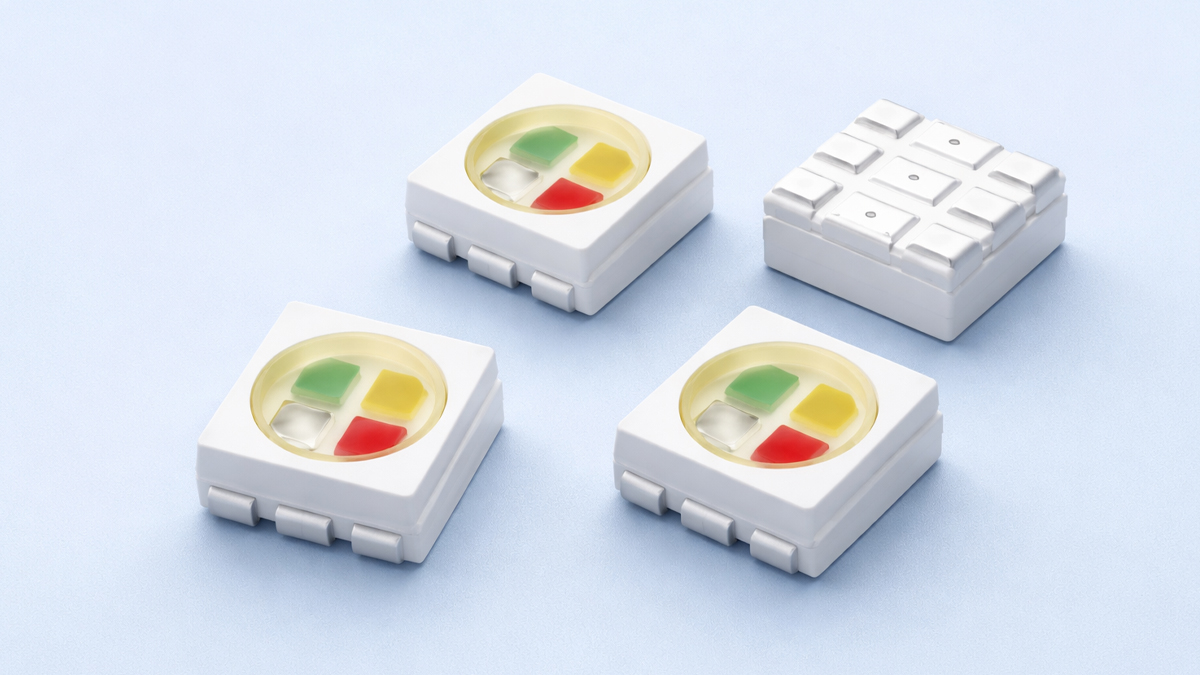
What is SMD 5050?
SMD 5050 is a type of surface mounted light emitting diode that is widely used in modern lighting systems, including professional cinematic electronics. The term SMD stands for surface mounted device, which means the LED is designed to be mounted directly onto the surface of a printed circuit board without the need for through hole leads. The number 5050 refers to the physical dimensions of the LED chip, which measures approximately 5.0 millimeters by 5.0 millimeters.
In the field of LEDs, SMD 5050 is known for its relatively high brightness and versatility. Unlike smaller SMD chips such as 3528, the 5050 package typically contains three individual LED chips inside a single housing. This multi chip design allows it to produce stronger illumination and, in many cases, multiple colors from a single unit. Because of this, SMD 5050 LEDs are commonly used in RGB lighting applications where red, green, and blue chips are combined to create a wide range of colors.
Within cinematic electronics, SMD 5050 plays an important role in lighting setups for film production, cinema halls, LED panels, stage backdrops, and decorative architectural lighting. It is appreciated for its brightness, color flexibility, and compatibility with advanced control systems.
How does SMD 5050 Work?
SMD 5050 works on the basic principle of electroluminescence. When an electric current passes through the semiconductor material inside the LED, electrons recombine with holes and release energy in the form of light. This process is highly efficient compared to traditional incandescent lighting, as it produces less heat and more visible light.
Inside a typical SMD 5050 package, there are three separate LED chips. In a single color version, all three chips may emit the same color to increase brightness. In an RGB version, one chip emits red light, one emits green light, and one emits blue light. By adjusting the current flowing to each chip, different color combinations can be created.
In cinematic electronics, SMD 5050 LEDs are often connected to LED drivers and control circuits. These drivers regulate voltage and current to ensure stable performance and prevent overheating. In advanced cinema lighting systems, SMD 5050 modules are integrated with dimmers and digital controllers. This allows technicians to adjust brightness levels, create color transitions, and synchronize lighting effects with audio or video content.
The wide viewing angle of SMD 5050, typically around 120 degrees, ensures uniform light distribution. This characteristic is important in cinema environments where smooth and even illumination enhances visual comfort and aesthetic appeal.
What are the Components of SMD 5050?
An SMD 5050 LED is made up of several key components that work together to produce light efficiently.
LED Chips: The core of the SMD 5050 package contains three semiconductor chips. These chips are responsible for generating light when electric current passes through them. In RGB models, each chip corresponds to a primary color.
Phosphor Coating: In white SMD 5050 LEDs, a phosphor coating is applied over blue LED chips. This coating converts part of the blue light into yellow light, which combines to produce white illumination.
Encapsulation Resin: A transparent epoxy or silicone resin encases the LED chips. This material protects the internal components from moisture, dust, and mechanical damage while allowing light to pass through.
Lead Frame and Contacts: Metal contacts within the package connect the LED chips to the external circuit. These contacts ensure proper electrical conductivity and mechanical stability.
Substrate: The base of the SMD 5050 LED is designed to mount securely onto a printed circuit board. It helps in heat dissipation, which is essential for maintaining performance and longevity.
In cinematic electronics, these components are often mounted on aluminum backed PCBs to improve heat management. Effective heat dissipation is critical in cinema applications where lighting systems operate for extended periods.
What are the Types of SMD 5050?
SMD 5050 LEDs are available in several types based on color configuration, voltage, and application requirements.
Single Color SMD 5050: These LEDs emit a single color such as white, red, green, or blue. They are commonly used in decorative lighting and signage.
RGB SMD 5050: These contain three chips in red, green, and blue. By adjusting the intensity of each chip, a wide range of colors can be produced. This type is widely used in cinema mood lighting and stage effects.
RGBW SMD 5050: In addition to red, green, and blue, these LEDs include a dedicated white chip. This allows for more accurate white tones and improved color mixing.
High Power SMD 5050: Some variants are designed for higher current operation to deliver greater brightness. These are used in professional lighting panels and large cinema halls.
Waterproof SMD 5050 Strips: These are encased in protective materials for use in outdoor cinema events or architectural lighting installations.
Each type serves different needs within the cinema industry, from subtle ambient lighting to dynamic stage and screen effects.
What are the Applications of SMD 5050?
SMD 5050 LEDs have a wide range of applications across various sectors, including the cinema industry.
Architectural Lighting: SMD 5050 LED strips are used to highlight building features in cinema complexes and theaters.
Backlighting: They are commonly used in LED display panels and digital signboards inside cinema halls.
Stage Lighting: RGB SMD 5050 LEDs are used for stage backdrops and special lighting effects during film premieres and events.
Cove Lighting: In cinema auditoriums, SMD 5050 strips are installed in ceilings and walls to create soft ambient lighting.
Set Design: In film production studios, SMD 5050 LEDs are integrated into set designs for creative lighting effects.
Their flexibility, brightness, and color options make them suitable for both functional and decorative purposes.
What is the Role of SMD 5050 in Cinema Industry?
SMD 5050 plays a significant role in enhancing the visual experience in cinemas. Lighting is an essential part of cinematic electronics, as it influences audience comfort, mood, and overall perception of the environment.
In cinema halls, SMD 5050 LEDs are used to provide ambient lighting that guides viewers to their seats without distracting from the screen. Their dimmable feature allows gradual reduction of brightness as the movie begins.
In film production, SMD 5050 LEDs are used in light panels, props, and background elements. RGB versions enable filmmakers to create dynamic color effects that match the theme of a scene.
In outdoor screenings and film festivals, SMD 5050 lighting systems are used for decorative and safety lighting. Their energy efficiency and durability make them suitable for long hours of operation.
Overall, SMD 5050 contributes to the technical and aesthetic aspects of cinema environments.
What are the Objectives of SMD 5050?
The objectives of using SMD 5050 in cinematic electronics are focused on performance, efficiency, and visual impact.
One objective is to provide high brightness in a compact form factor. The 5050 package allows more light output compared to smaller SMD packages.
Another objective is color versatility. RGB SMD 5050 enables creative lighting designs that enhance storytelling and audience engagement.
Energy efficiency is also a major objective. Compared to traditional lighting systems, SMD 5050 consumes less power while delivering effective illumination.
Reliability and long lifespan are additional goals. In cinema settings where lighting runs for many hours daily, durable components are essential.
These objectives align with the broader goals of modern cinema technology, which emphasizes sustainability, quality, and immersive experiences.
What are the Benefits of SMD 5050?
SMD 5050 offers several benefits that make it suitable for cinematic electronics.
High Brightness: With three chips inside a single package, SMD 5050 produces strong illumination suitable for large spaces.
Color Flexibility: RGB variants allow a wide spectrum of colors, enhancing creative lighting design.
Energy Efficiency: SMD 5050 LEDs consume less electricity compared to traditional bulbs.
Long Lifespan: They typically operate for tens of thousands of hours, reducing maintenance costs.
Compact Design: Despite high output, the package remains small and easy to integrate into different systems.
Low Heat Emission: Compared to incandescent lights, SMD 5050 generates less heat, improving safety and comfort in cinema environments.
What are the Features of SMD 5050?
SMD 5050 has distinct features that differentiate it from other LED types.
Chip Size: The 5.0 millimeter by 5.0 millimeter dimension allows multiple chips within one housing.
Wide Viewing Angle: Typically around 120 degrees, providing even light distribution.
Multiple Color Options: Available in single color, RGB, and RGBW configurations.
Compatibility: Works with dimmers and digital controllers for advanced lighting control.
High Luminous Output: Suitable for applications requiring bright illumination.
Surface Mount Technology: Enables automated production and compact circuit design.
These features make SMD 5050 adaptable for various cinematic lighting applications.
What are the Examples of SMD 5050?
Examples of SMD 5050 usage in the cinema industry include LED strip lights installed under theater seats, RGB backlit stage panels for film award ceremonies, and decorative façade lighting for multiplex buildings.
In film studios, SMD 5050 LEDs are integrated into flexible light strips that can be hidden behind set elements. They are also used in custom LED panels that provide adjustable color temperatures for shooting scenes.
Cinema lobbies often use SMD 5050 based cove lighting to create a welcoming atmosphere. Digital posters and LED display boards inside theaters also rely on SMD 5050 modules for bright and uniform backlighting.
These examples highlight the versatility of SMD 5050 in real world cinema environments.
What is the Definition of SMD 5050?
SMD 5050 can be defined as a surface mounted LED package measuring 5.0 millimeters by 5.0 millimeters, typically containing three LED chips within a single housing, designed for high brightness and multi color lighting applications in electronic systems including cinematic electronics.
This definition emphasizes its size, structure, and application scope.
What is the Meaning of SMD 5050?
The meaning of SMD 5050 can be understood by breaking down the term. SMD refers to surface mounted device, indicating the method of mounting the LED onto a circuit board. The number 5050 represents the physical dimensions of the LED package in tenths of a millimeter.
Therefore, SMD 5050 means a 5.0 by 5.0 millimeter surface mounted LED component that is widely used for bright and versatile lighting applications, including in the cinema industry.
What is the Future of SMD 5050?
The future of SMD 5050 in cinematic electronics looks promising as technology continues to evolve. Advancements in semiconductor materials and manufacturing processes are likely to improve efficiency and brightness further.
Smart lighting integration is another key area of growth. SMD 5050 modules are increasingly being connected to intelligent control systems that allow remote management, automation, and synchronization with multimedia content.
Sustainability will also shape the future. As cinema complexes aim to reduce energy consumption and carbon footprint, energy efficient solutions like SMD 5050 will become even more important.
Improved color rendering and higher luminous efficacy are expected in next generation SMD 5050 designs. These enhancements will provide filmmakers and cinema operators with more creative and technical possibilities.
Summary
- SMD 5050 is a surface mounted LED measuring 5.0 millimeters by 5.0 millimeters with three chips inside one package
- It operates on the principle of electroluminescence and is controlled by regulated current
- It includes components such as LED chips, phosphor coating, encapsulation resin, and metal contacts
- It is available in single color, RGB, RGBW, and high power variants
- It is widely used in architectural lighting, stage lighting, backlighting, and cinema halls
- It plays a vital role in enhancing visual comfort and creative lighting in the cinema industry
- It offers benefits such as high brightness, energy efficiency, long lifespan, and compact design
- Its future includes smarter integration, better efficiency, and improved color performance in cinematic electronics

