

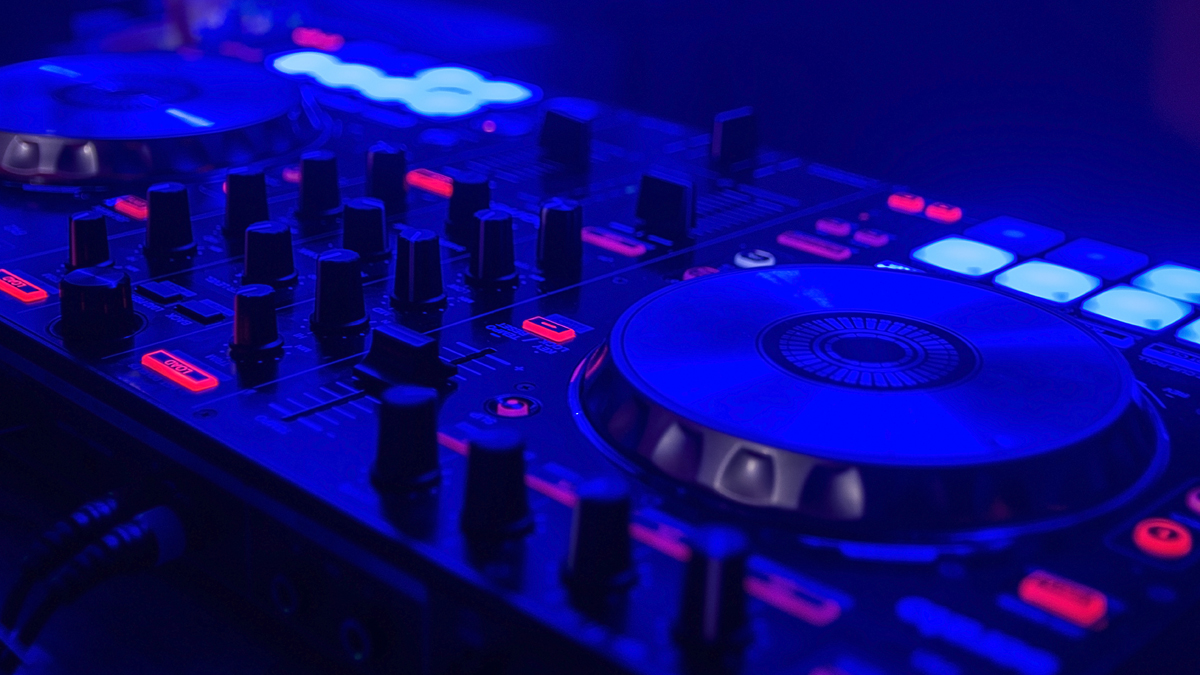
What is Turntable?
A turntable is a device used to play vinyl records by rotating them at a constant speed so that recorded sound can be reproduced. It is one of the most important inventions in the history of recorded music and remains a powerful tool in live performance and DJing. In simple words, a turntable allows music stored on a vinyl disc to be heard through speakers by converting physical grooves into sound signals.
In the context of Live Performance and DJing under Music Technologies in the Music Industry, a turntable is more than just a playback device. It becomes a musical instrument. DJs use turntables to mix songs, create transitions, manipulate sounds, and perform techniques such as scratching and beatmatching. The turntable has shaped entire music genres including hip hop, electronic dance music, and turntablism.
A vinyl record contains spiral grooves that represent sound waves. When the record spins, a stylus moves through these grooves and transforms mechanical vibrations into electrical signals. These signals are amplified and sent to speakers, producing music. This process connects physical movement with audio output, making the turntable a blend of mechanical engineering and audio technology.
Even in the digital age, turntables continue to hold value. Many professionals prefer the warm sound quality of vinyl. Others use digital vinyl systems that combine traditional turntables with modern software. Because of this combination of tradition and innovation, the turntable remains relevant in both studio and live performance environments.
How does Turntable Work?
Understanding how a turntable works requires knowledge of mechanical motion and audio signal conversion. The basic principle is simple. A vinyl record rotates on a flat circular platform called a platter. The platter spins at a constant speed, commonly 33 and one third revolutions per minute or 45 revolutions per minute. Some records also use 78 revolutions per minute.
A stylus, which is a tiny needle, rests in the grooves of the vinyl record. As the record spins, the stylus follows the tiny grooves that represent sound vibrations. These grooves move the stylus back and forth. The movement of the stylus is transferred to a cartridge, which converts the mechanical motion into an electrical signal.
Signal Conversion: The cartridge uses either magnetic or moving coil technology to convert vibrations into electrical signals. These signals are extremely weak at first. They need to pass through a phono preamplifier, which boosts the signal to a level that can be processed by an amplifier or mixer.
Amplification and Output: After amplification, the audio signal travels to speakers or headphones. The speakers convert the electrical signal into sound waves that people can hear. In DJ setups, the signal often goes through a DJ mixer before reaching the speakers. This allows the DJ to control volume, equalization, and crossfading between tracks.
Speed Control: Turntables include a motor that rotates the platter. In direct drive systems, the motor is directly connected to the platter. In belt drive systems, a rubber belt connects the motor to the platter. The speed control mechanism ensures consistent rotation, which is essential for accurate sound reproduction.
In DJing, turntables are used creatively. DJs may manually adjust the speed to match the tempo of two songs. They may also move the record back and forth to create scratching sounds. This transforms the turntable from a playback machine into a performance instrument.
What are the Components of Turntable?
A turntable consists of several important parts that work together to produce sound. Each component plays a specific role in the overall functioning of the device.
Platter: The platter is the circular platform that holds and rotates the vinyl record. It is usually made of metal and designed to maintain steady rotation. Some platters include rubber mats to reduce vibration.
Motor: The motor powers the rotation of the platter. In DJ turntables, motors are strong and provide high torque to allow quick start and stop actions.
Tonearm: The tonearm holds the cartridge and stylus. It allows the stylus to move smoothly across the record surface. Proper balance and alignment of the tonearm are essential for accurate sound and to prevent record damage.
Cartridge: The cartridge is attached to the end of the tonearm. It houses the stylus and converts mechanical vibrations into electrical signals.
Stylus: The stylus is the needle that touches the grooves of the vinyl. It must be precise and durable because it directly reads the sound information.
Phono Output: This is the output connection that sends the audio signal to a mixer or amplifier. Many modern turntables include built in preamplifiers.
Pitch Control: In DJ turntables, pitch control sliders allow adjustment of playback speed. This feature is essential for beatmatching.
Start and Stop Controls: These buttons allow the user to control platter rotation instantly.
Each of these components must function correctly to ensure high quality audio and reliable performance during live events.
What are the Types of Turntable?
Turntables are available in various types based on their design, drive mechanism, and intended use.
Belt Drive Turntable: This type uses a rubber belt to connect the motor to the platter. It reduces motor noise and vibration, making it ideal for home listening and audiophile use. However, it is not usually preferred for DJing due to slower start up times.
Direct Drive Turntable: In this type, the motor is directly connected to the platter. It provides higher torque and faster response. This design is widely used in DJing and live performance because it allows precise control and durability.
Idler Drive Turntable: This older design uses a wheel between the motor and platter. It is less common today but was popular in earlier decades.
Manual Turntable: The user manually places and removes the tonearm from the record. This type offers more control and is preferred by DJs and vinyl enthusiasts.
Automatic Turntable: This type automatically moves the tonearm at the beginning and end of playback. It is convenient for casual listeners.
Digital Turntable: These modern turntables can connect to computers via USB. They allow vinyl records to be converted into digital audio files.
Each type serves a different purpose, from professional DJing to home music enjoyment.
What are the Applications of Turntable?
Turntables are used in multiple areas within the music industry and beyond.
Music Playback: The most basic application is playing vinyl records for personal listening.
Live DJ Performance: DJs use turntables in clubs, concerts, festivals, and events. They mix tracks, create transitions, and perform scratching techniques.
Music Production: Producers use turntables to sample sounds from vinyl records. These samples are integrated into new tracks.
Archiving and Restoration: Old recordings stored on vinyl can be digitized using turntables connected to recording software.
Education and Training: Music schools teach DJing and turntablism using professional turntables.
Broadcasting: Radio stations may use turntables to play vinyl records on air.
Because of these applications, turntables remain relevant in both creative and technical settings.
What is the Role of Turntable in Music Industry?
The turntable has played a revolutionary role in shaping modern music culture.
Birth of DJ Culture: In the 1970s, DJs in urban communities used turntables to extend dance breaks in songs. This led to the creation of hip hop music and DJ culture.
Creative Instrument: Turntables became instruments in their own right. Artists used scratching, beat juggling, and other techniques to produce new sounds.
Preservation of Analog Sound: Many musicians and listeners prefer the warmth and character of analog vinyl playback.
Live Performance Enhancement: Turntables allow DJs to interact directly with music. They can respond to the audience, change tempo, and mix tracks seamlessly.
Innovation in Music Technologies: The development of direct drive motors and digital vinyl systems has influenced other audio technologies.
The turntable continues to connect past traditions with modern innovations in the music industry.
What are the Objectives of Turntable?
The main objectives of a turntable are connected to sound reproduction and performance enhancement.
Accurate Sound Reproduction: To play recorded music exactly as stored in the vinyl grooves.
Creative Expression: To enable DJs to manipulate sound in live settings.
Durability and Stability: To provide reliable performance during extended live events.
Speed Consistency: To maintain constant rotation for pitch accuracy.
Integration with Technology: To connect with mixers, amplifiers, and digital systems.
These objectives guide manufacturers in designing professional grade turntables.
What are the Benefits of Turntable?
Turntables offer several advantages in both listening and performance contexts.
High Sound Quality: Many listeners appreciate the depth and warmth of vinyl sound.
Tactile Experience: Handling vinyl records creates a physical connection with music.
Performance Control: DJs can manually adjust speed and position for creative effects.
Cultural Value: Vinyl and turntables represent heritage and authenticity.
Longevity: Well maintained turntables can last for decades.
These benefits explain why turntables remain popular despite digital streaming dominance.
What are the Features of Turntable?
Modern turntables include various features that enhance functionality.
Adjustable Pitch Control: Allows tempo changes.
High Torque Motor: Ensures fast start and stop.
Anti Skating Control: Keeps the tonearm balanced.
Replaceable Cartridge and Stylus: Allows customization.
USB Connectivity: Enables digital recording.
Shock Absorption Design: Reduces vibration.
These features support both professional DJs and home users.
What are the Examples of Turntable?
Some well known examples of turntables in the music industry include:
Technics SL-1200: A legendary direct drive turntable widely used by professional DJs for decades.
Pioneer PLX-1000: Known for strong build quality and club performance.
Audio-Technica AT-LP120: Popular among beginners and vinyl enthusiasts with USB capability.
Numark PT01 Scratch: A portable turntable designed for scratch performance.
These examples demonstrate the diversity of turntables available for different needs.
What is the Definition of Turntable?
A turntable is a mechanical and electronic device designed to rotate vinyl records at a constant speed so that a stylus can read the grooves and convert them into audible sound through an amplification system.
What is the Meaning of Turntable?
The meaning of turntable refers to a rotating platform used for playing records and performing DJ techniques. In a broader sense, it symbolizes the art of manipulating sound physically to create music.
What is the Future of Turntable?
The future of the turntable lies in the fusion of analog tradition and digital innovation. Manufacturers are integrating wireless connectivity, advanced materials, and improved motor technologies. Digital vinyl systems allow DJs to control software using real vinyl records. Sustainability efforts are also influencing production methods.
Vinyl sales have increased in recent years, showing renewed interest in physical music formats. As long as people value tactile interaction and authentic sound, the turntable will continue to evolve and remain important in live performance and DJing.
Summary
- A turntable is a device used to play vinyl records by converting grooves into sound.
- It works through mechanical rotation, stylus vibration, and electrical signal amplification.
- Key components include platter, motor, tonearm, cartridge, and stylus.
- Types include belt drive, direct drive, manual, automatic, and digital turntables.
- It is widely used in DJing, music production, archiving, and broadcasting.
- The turntable has played a major role in the birth of DJ culture and hip hop.
- It offers benefits such as sound warmth, creative control, and cultural value.
- Modern features include pitch control, USB connectivity, and high torque motors.
- Iconic models like Technics SL 1200 remain industry standards.
- The future of turntables combines analog experience with digital technology integration.

