

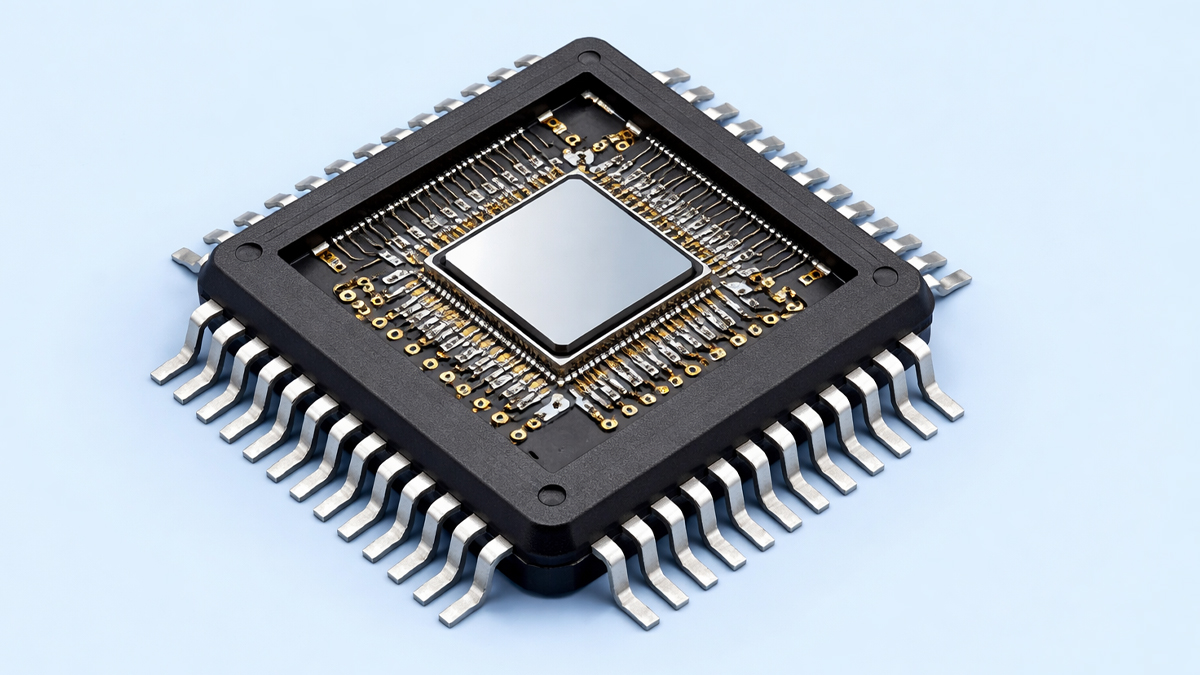
What is Video Decoder IC?
Video Decoder IC: A Video Decoder Integrated Circuit is a specialized electronic component designed to convert compressed digital or analog video signals into a format that can be displayed on a screen or further processed by visual systems. In simple terms, it takes encoded video data and translates it into usable visual information.
Video Decoder IC: In the context of cinematic electronics and the cinema industry, this integrated circuit plays a foundational role in transforming raw or compressed video streams into high quality images suitable for professional projection, editing, broadcasting, and archiving.
Video Decoder IC: Modern video content is often compressed to save bandwidth and storage space. A Video Decoder IC is responsible for decoding these compressed formats efficiently, accurately, and in real time, ensuring smooth playback without visual distortion.
Video Decoder IC: Unlike general processing units, a Video Decoder IC is optimized specifically for video decoding tasks. This allows it to handle high resolution formats, complex color spaces, and cinematic frame rates with precision and stability.
How does Video Decoder IC Work?
Video Decoder IC Working Principle: A Video Decoder IC operates by receiving a compressed video signal from a source such as a camera, storage device, streaming server, or cinema playback system. This signal is typically encoded using video compression standards.
Video Decoder IC Data Processing: The IC first identifies the encoding format and then applies mathematical algorithms to decompress the video data. This process restores the original pixel information while maintaining image quality.
Video Decoder IC Signal Conversion: After decompression, the decoded video data is converted into a standardized digital or analog format. This format can then be transmitted to display controllers, projectors, or image processors used in cinema systems.
Video Decoder IC Synchronization: The IC also manages timing signals, frame synchronization, and color accuracy. This ensures that audio and video remain synchronized and that motion appears smooth on screen.
Video Decoder IC Real Time Performance: In cinematic applications, real time decoding is critical. The Video Decoder IC is designed with hardware acceleration features that allow it to process large volumes of data instantly without delays or buffering.
What are the Components of Video Decoder IC?
Input Interface Component: This part receives incoming video signals from external sources. It supports multiple signal standards and ensures compatibility with different video inputs.
Decompression Engine: The decompression engine is the core of the Video Decoder IC. It performs complex decoding algorithms to reconstruct the original video frames from compressed data.
Memory Controller: Temporary memory is required to store video frames during decoding. The memory controller manages this storage efficiently to avoid data loss or latency.
Color Processing Unit: This unit handles color space conversion, brightness adjustment, contrast balancing, and gamma correction. It ensures accurate color reproduction essential for cinematic visuals.
Clock and Timing Controller: This component manages frame timing, synchronization, and refresh rates. It ensures that video playback remains stable and smooth.
Output Interface Component: The decoded video signal is transmitted through this interface to display systems such as digital projectors, monitors, or video processors.
What are the Types of Video Decoder IC?
Analog Video Decoder IC: This type is designed to decode analog video signals into digital formats. It is commonly used in legacy cinema systems and video conversion setups.
Digital Video Decoder IC: Digital video decoder ICs work with compressed digital video formats. They are widely used in modern cinema equipment and digital projection systems.
Multi Standard Video Decoder IC: These ICs support multiple video formats and resolutions. They are ideal for cinema environments where different content sources are used.
High Definition Video Decoder IC: Designed for high resolution formats, this type supports full HD, ultra HD, and higher cinematic resolutions with enhanced detail.
Low Power Video Decoder IC: These ICs focus on energy efficiency while maintaining decoding performance. They are used in portable cinematic devices and embedded systems.
What are the Applications of Video Decoder IC?
Cinema Projection Systems: Video Decoder ICs are used to decode movie files before projection. They ensure that images appear sharp, stable, and color accurate on large cinema screens.
Professional Video Editing: Editing workstations rely on Video Decoder ICs to decode video streams in real time, allowing editors to preview and manipulate footage smoothly.
Broadcasting Systems: Television and digital broadcasting systems use these ICs to decode incoming video feeds for transmission and display.
Surveillance and Monitoring: High resolution video decoding is essential for monitoring systems that require detailed visual information.
Media Players and Streaming Devices: Video Decoder ICs enable smooth playback of cinematic content from various digital sources.
What is the Role of Video Decoder IC in Cinema Industry?
Content Playback Role: In the cinema industry, the Video Decoder IC ensures that digital movie files are accurately decoded for theatrical playback without visual artifacts.
Visual Quality Enhancement Role: These ICs maintain high image clarity, dynamic range, and color fidelity, which are critical for immersive cinematic experiences.
Operational Reliability Role: Cinema operations depend on consistent and uninterrupted playback. Video Decoder ICs are designed for long term reliability under continuous use.
Format Compatibility Role: The cinema industry handles multiple video formats. Video Decoder ICs enable seamless compatibility across different standards and sources.
Technological Integration Role: Video Decoder ICs integrate with sound systems, projectors, and control units to deliver synchronized audiovisual experiences.
What are the Objectives of Video Decoder IC?
Accurate Video Decoding Objective: The primary objective is to decode compressed video data with high accuracy and minimal loss of quality.
Real Time Performance Objective: Ensuring smooth playback without lag or frame drops is a key objective, especially in professional cinema environments.
Compatibility Objective: Supporting a wide range of video formats and resolutions is essential for versatile cinematic applications.
Efficiency Objective: Video Decoder ICs aim to perform complex decoding tasks with optimized power consumption and processing efficiency.
Reliability Objective: Long term stability and consistent performance are crucial objectives in commercial cinema systems.
What are the Benefits of Video Decoder IC?
Enhanced Visual Quality Benefit: Video Decoder ICs deliver sharp, detailed, and color accurate images suitable for large screen projection.
Reduced Processing Load Benefit: Dedicated decoding hardware reduces the workload on central processors, improving overall system performance.
Energy Efficiency Benefit: Hardware based decoding consumes less power compared to software based decoding methods.
Operational Consistency Benefit: These ICs provide consistent playback quality across different cinema sessions and environments.
Scalability Benefit: Video Decoder ICs support future upgrades in resolution and format without major system redesigns.
What are the Features of Video Decoder IC?
Multi Format Support Feature: Supports a wide range of video compression standards used in cinematic content.
High Resolution Capability Feature: Capable of decoding ultra high definition and cinema grade video resolutions.
Color Accuracy Feature: Advanced color processing ensures true to life image reproduction.
Low Latency Feature: Designed for real time decoding with minimal delay.
Robust Thermal Performance Feature: Built to operate continuously under high performance conditions without overheating.
What are the Examples of Video Decoder IC?
Professional Cinema Decoder IC Example: Used in digital cinema servers for decoding feature films before projection.
Broadcast Grade Decoder IC Example: Integrated into television broadcasting equipment for decoding live video feeds.
Embedded Decoder IC Example: Used in compact cinema devices and portable projection systems.
Multi Channel Decoder IC Example: Designed to handle multiple video streams simultaneously in cinema control rooms.
High Performance Decoder IC Example: Used in advanced cinematic visualization and simulation systems.
What is the Definition of Video Decoder IC?
Video Decoder IC Definition: A Video Decoder Integrated Circuit is an electronic component specifically engineered to decode compressed video signals into display ready formats for visual systems.
Video Decoder IC Definition in Cinema Context: In the cinema industry, it refers to a critical integrated circuit that ensures accurate, high quality video playback for professional cinematic applications.
What is the Meaning of Video Decoder IC?
Video Decoder IC Meaning: The meaning of Video Decoder IC lies in its function of translating encoded video data into visible images that can be displayed on screens and projectors.
Video Decoder IC Meaning in Simple Terms: It means a dedicated electronic solution that makes digital video content watchable and visually appealing.
Video Decoder IC Meaning in Cinematic Electronics: It represents the backbone of digital video processing within cinema systems.
What is the Future of Video Decoder IC?
Technological Advancement Future: The future of Video Decoder ICs will involve support for higher resolutions, enhanced color depth, and advanced cinematic formats.
Artificial Intelligence Integration Future: Future decoder ICs may include intelligent processing features to enhance image quality and optimize decoding efficiency.
Energy Optimization Future: Continued focus on lower power consumption will make these ICs more sustainable and efficient.
Cinema Industry Evolution Future: As cinema technology evolves, Video Decoder ICs will play a vital role in immersive formats and advanced visual experiences.
Global Standardization Future: Future designs will focus on universal compatibility across international cinema standards.
Summary
- Video Decoder IC is a specialized integrated circuit used to decode compressed video signals into display ready formats
- It plays a critical role in cinematic electronics and the cinema industry
- The IC ensures high quality visual output, real time performance, and reliable playback
- It consists of multiple components including input interfaces, decompression engines, and output controllers
- Different types exist to support analog, digital, high definition, and multi format decoding
- Video Decoder ICs are widely used in cinema projection, broadcasting, editing, and media playback
- They provide benefits such as enhanced image quality, energy efficiency, and system reliability
- The future of Video Decoder ICs focuses on higher resolution support, intelligent processing, and cinematic innovation

