

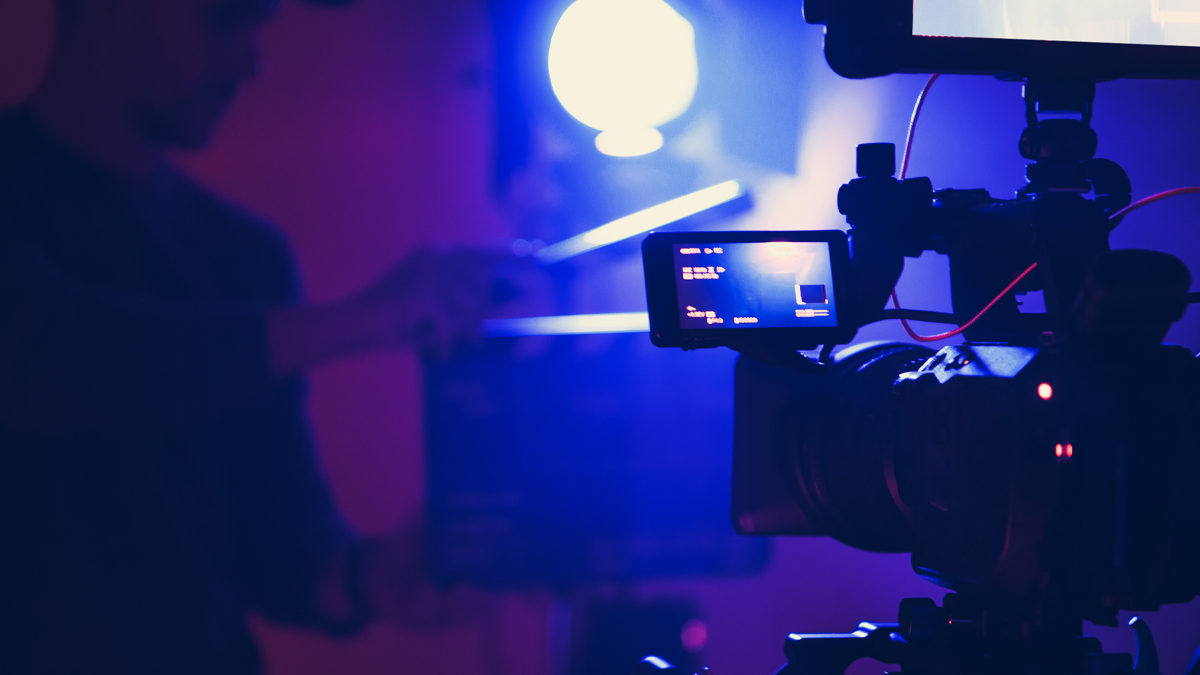
What is Virtual Production?
Virtual Production: Virtual Production is a modern filmmaking approach that combines physical production techniques with digital technology to create cinematic content in real time. It sits under Cinematic Technologies within the Cinema Industry and represents a major shift in how films, television shows, advertisements, and digital media are produced. Instead of relying entirely on physical sets or completing visual effects after filming, Virtual Production integrates computer generated environments, real time rendering, motion capture, and advanced camera tracking directly into the shooting process.
In traditional filmmaking, scenes are often shot on physical sets or green screens, and digital effects are added later during post production. Virtual Production changes this workflow by allowing filmmakers to see digital environments and visual effects while they are filming. This means directors, cinematographers, actors, and production designers can interact with virtual elements as if they were physically present.
Virtual Production is not just about technology. It is about collaboration. It brings together artists, engineers, software developers, and filmmakers to work simultaneously in a connected digital environment. By combining creativity with advanced tools, Virtual Production enables filmmakers to create complex scenes that would be expensive, dangerous, or impossible to achieve in the real world.
How does Virtual Production Work?
Real Time Rendering: At the core of Virtual Production is real time rendering. Game engines such as Unreal Engine and Unity generate high quality 3D environments instantly. These engines process lighting, textures, shadows, and camera movements in real time, allowing filmmakers to view digital scenes live on set.
Camera Tracking: Special tracking systems monitor the physical camera’s position and movement. When the camera moves, the digital environment adjusts instantly to match the new perspective. This synchronization creates the illusion that actors are standing inside a real digital world rather than in front of a flat screen.
LED Volume Technology: One of the most advanced tools in Virtual Production is the LED volume. This is a large stage surrounded by high resolution LED panels that display digital environments. Instead of using green screens, filmmakers project realistic backgrounds on these LED walls. The light from the screens reflects naturally on actors and props, creating realistic lighting effects.
Motion Capture and Performance Capture: Actors wear special suits or markers that track their movements. These movements are transferred to digital characters in real time. This allows directors to see how animated characters perform during filming rather than waiting until post production.
Collaborative Workflow: Virtual Production requires collaboration between departments. Art directors design digital sets, technical teams manage rendering systems, and cinematographers adjust lighting to match virtual environments. Because changes can be made instantly, creative decisions happen faster and more efficiently.
What are the Components of Virtual Production?
Game Engines: Game engines are the software backbone of Virtual Production. They render complex digital environments in real time and allow instant modifications to lighting, textures, and camera angles.
LED Walls and Volume Stages: LED panels form large curved walls that surround the actors. These screens display realistic landscapes, cityscapes, or fantasy worlds.
Camera Tracking Systems: These systems use sensors and markers to monitor camera movement and ensure the digital environment responds accurately.
Motion Capture Equipment: Sensors, suits, and facial capture devices record body and facial expressions.
Previsualization Tools: Previsualization, often called previs, allows filmmakers to plan scenes digitally before shooting. Directors can experiment with camera angles, movement, and staging in a virtual environment.
Virtual Art Department: This team creates digital assets such as buildings, landscapes, props, and lighting setups. Their work forms the foundation of the virtual world.
What are the Types of Virtual Production?
Previsualization: Previsualization involves creating rough digital versions of scenes before filming begins. This helps filmmakers test ideas and plan shots efficiently.
Simulcam: Simulcam technology blends live action footage with digital elements in real time. Directors can see actors interacting with virtual objects while filming.
In Camera Visual Effects: This technique uses LED walls to display digital backgrounds during filming. The effects are captured directly in camera, reducing the need for heavy post production.
Performance Capture: This method records full body and facial movements to create realistic digital characters.
Virtual Scouting: Filmmakers can explore digital sets using virtual reality headsets. They can walk through locations and decide camera placements before building physical sets.
What are the Applications of Virtual Production?
Film Production: Virtual Production is widely used in feature films to create realistic environments such as outer space, futuristic cities, and historical settings.
Television Series: High quality streaming series rely on Virtual Production to maintain cinematic standards while controlling budgets.
Advertising and Commercials: Brands use Virtual Production to create visually stunning commercials without traveling to multiple locations.
Video Games: Game developers use Virtual Production techniques to create cinematic cut scenes.
Live Events: Concerts and virtual performances integrate real time graphics and digital backgrounds.
Education and Training: Film schools and training institutes use Virtual Production to teach modern filmmaking techniques.
What is the Role of Virtual Production in Cinema Industry?
Creative Enhancement: Virtual Production expands creative possibilities. Directors can visualize complex scenes before filming and adjust them instantly.
Cost Management: By reducing travel, set construction, and reshoots, Virtual Production helps manage production budgets.
Time Efficiency: Real time rendering shortens production schedules because many visual effects are completed during filming.
Collaboration Improvement: Teams from different locations can work together in a shared digital space.
Risk Reduction: Dangerous scenes can be simulated safely in virtual environments.
Virtual Production is becoming a central pillar of the Cinema Industry. It bridges the gap between physical filmmaking and digital innovation.
What are the Objectives of Virtual Production?
Improved Visualization: One major objective is to allow filmmakers to see final results during filming rather than waiting for post production.
Streamlined Workflow: Virtual Production aims to combine production and post production processes.
Creative Freedom: It encourages experimentation without high financial risk.
Budget Optimization: Reducing physical resources lowers overall production costs.
Environmental Sustainability: Virtual sets reduce travel and physical material usage, supporting eco friendly filmmaking.
What are the Benefits of Virtual Production?
Realistic Lighting: LED walls produce natural reflections and lighting on actors.
Faster Decision Making: Directors can adjust scenes instantly.
Reduced Post Production: Many effects are captured directly during filming.
Enhanced Actor Performance: Actors perform better when they can see the environment around them.
Global Collaboration: Teams across the world can work on the same digital project.
What are the Features of Virtual Production?
Real Time Rendering: Scenes are displayed instantly without long processing times.
Interactive Environments: Digital backgrounds respond to camera and actor movement.
High Resolution Displays: LED walls provide detailed visuals.
Integrated Workflow: Production and post production are closely connected.
Flexible Scene Design: Sets can be changed quickly without rebuilding physical structures.
What are the Examples of Virtual Production?
The Mandalorian: The television series The Mandalorian used LED volume technology to create realistic alien landscapes.
Avatar: The film Avatar directed by James Cameron relied heavily on motion capture and virtual cameras.
The Lion King 2019: The Lion King utilized virtual production techniques to create a photorealistic animated world.
These examples demonstrate how Virtual Production transforms storytelling.
What is the Definition of Virtual Production?
Virtual Production is defined as a filmmaking methodology that integrates digital tools such as real time rendering, motion capture, and camera tracking with traditional production techniques to create interactive and immersive environments during filming.
What is the Meaning of Virtual Production?
The meaning of Virtual Production lies in blending physical and digital worlds. It represents the convergence of cinema, computer graphics, and real time technology. It allows filmmakers to produce scenes that combine reality with imagination in a seamless manner.
What is the Future of Virtual Production?
Technological Advancement: As computing power increases, rendering quality will improve.
Artificial Intelligence Integration: AI tools will automate scene design and character animation.
Cloud Based Collaboration: Teams will work remotely using shared virtual platforms.
Wider Accessibility: Smaller studios will adopt Virtual Production as technology becomes affordable.
Immersive Storytelling: Virtual reality and augmented reality experiences will expand cinematic boundaries.
Virtual Production will continue to evolve and reshape the Cinema Industry by making filmmaking more flexible, creative, and efficient.
Summary
- Virtual Production combines physical filmmaking with digital technology in real time.
- It uses game engines, LED walls, camera tracking, and motion capture.
- It improves creative control, reduces costs, and speeds up production.
- It enhances collaboration between departments.
- It is widely used in films, television, advertising, and gaming.
- It allows realistic lighting and immersive environments.
- It reduces reliance on green screens and heavy post production.
- It supports safe and sustainable filmmaking practices.
- It represents the future direction of Cinematic Technologies.

