

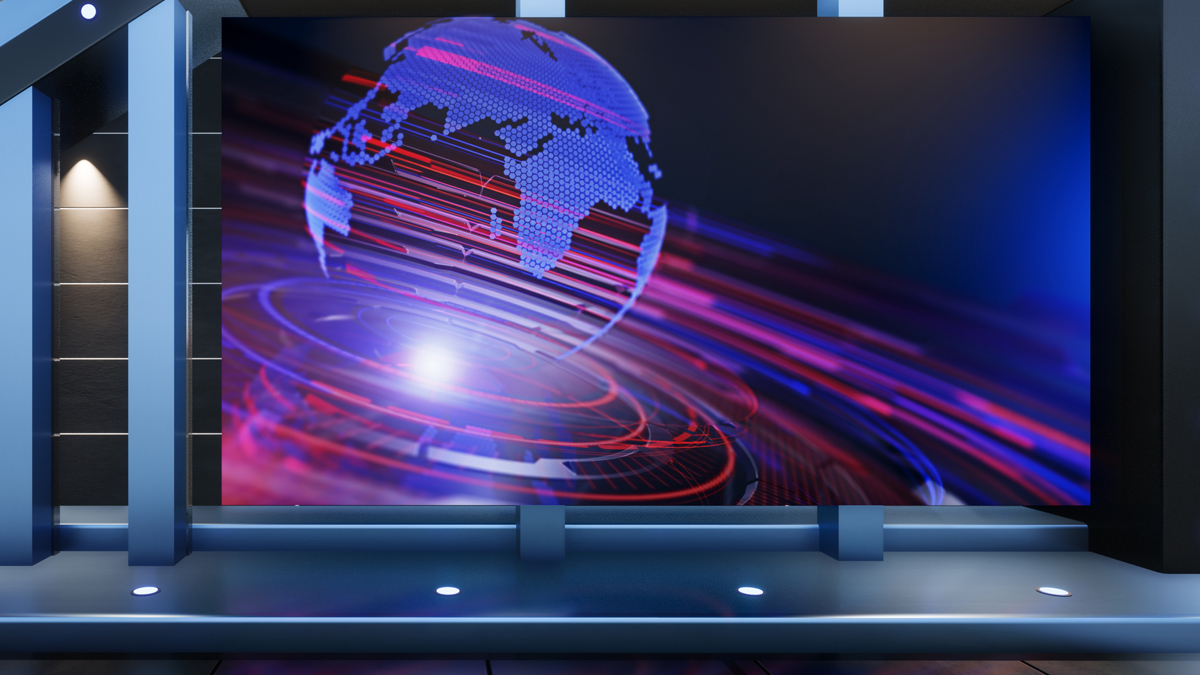
What is Virtual Set Extension?
Virtual Set Extension is an advanced cinematic technique used in Virtual Production to expand physical film sets with digitally created environments. It allows filmmakers to create the illusion of larger, more detailed, or more complex locations than what physically exists on a soundstage or real location. Instead of building massive structures or traveling to distant places, production teams combine real sets with computer generated imagery to create seamless environments that appear authentic on screen.
In the Cinema Industry, Virtual Set Extension plays a major role in blending the physical and digital worlds. Actors perform in partially built environments while the remaining background, architecture, landscapes, or cityscapes are digitally added. These digital elements are carefully matched with lighting, camera movement, and perspective to maintain realism. Virtual Set Extension is not only about visual effects but also about enhancing storytelling by allowing creative freedom without logistical limitations.
This technique is widely used in feature films, web series, television productions, advertisements, and streaming content. It reduces production costs, increases creative possibilities, and enables directors to visualize complex scenes in real time. As part of Virtual Production under Cinematic Technologies, Virtual Set Extension bridges the gap between traditional filmmaking and modern digital workflows.
How does Virtual Set Extension Work?
Virtual Set Extension works by combining live action footage with digitally created environments using real time rendering engines and visual effects pipelines. The process begins during pre production, where concept artists and production designers create digital models of environments. These models are developed in 3D software and optimized for integration with live action footage.
Pre visualization: Before shooting begins, filmmakers create digital previews of scenes. These previews help directors plan camera angles, lighting, and composition. This stage ensures that the physical set aligns correctly with the virtual extension.
On set integration: During production, actors perform on a partial set. Green screens, LED volumes, or tracking markers may be used. Motion tracking systems capture camera movement so that the digital background matches the exact perspective and motion of the live camera.
Real time rendering: Modern Virtual Production often uses game engines such as Unreal Engine to render environments in real time. This allows directors and cinematographers to see the extended set directly on monitors while filming.
Post production enhancement: After filming, visual effects artists refine the digital environment. They add details such as atmospheric effects, distant buildings, mountains, skies, and lighting adjustments. The final composite merges live action and digital elements seamlessly.
By combining these steps, Virtual Set Extension creates an immersive visual experience that feels natural and believable.
What are the Components of Virtual Set Extension?
Virtual Set Extension relies on multiple technical and creative components working together.
Digital environment design: This includes 3D modeling, texturing, and shading of virtual elements. Artists create buildings, landscapes, interiors, and props that match the physical set.
Camera tracking systems: These systems track the position and movement of the camera in real time. This ensures accurate alignment between real and virtual elements.
Rendering engines: Real time engines like Unreal Engine are used to generate high quality visuals instantly. They provide dynamic lighting, reflections, and shadows that interact with live actors.
LED walls and green screens: LED volumes display digital environments during filming. Green screens allow backgrounds to be replaced later in post production.
Lighting integration: Virtual lighting must match physical lighting. This requires careful calibration to maintain realism.
Compositing software: Programs such as Nuke or After Effects are used to combine live footage with digital elements during post production.
Collaboration tools: Virtual Production involves close coordination between directors, cinematographers, VFX artists, and production designers.
Each component plays a crucial role in ensuring that the final result appears seamless and cinematic.
What are the Types of Virtual Set Extension?
There are different types of Virtual Set Extension depending on production needs.
Background extension: This type extends existing physical sets by adding digital skylines, landscapes, or distant structures. It is commonly used in historical films and fantasy genres.
Architectural extension: Only part of a building or interior is physically built, while upper floors, ceilings, or surrounding structures are digitally created.
Environmental extension: Natural environments such as mountains, oceans, deserts, or forests are digitally expanded to create large scale settings.
Crowd extension: Digital doubles and virtual crowds are added to make scenes appear populated without hiring thousands of extras.
Set replacement: Sometimes the entire background is replaced with a fully digital environment, while actors remain filmed in real space.
Hybrid extension: This combines LED volume technology with post production VFX for enhanced realism.
Each type offers flexibility depending on budget, creative vision, and technical requirements.
What are the Applications of Virtual Set Extension?
Virtual Set Extension has wide applications across the Cinema Industry.
Feature films: Large scale movies use this technique to create imaginary worlds, futuristic cities, and epic battle scenes.
Television series: Streaming platforms frequently rely on virtual extensions to maintain consistent environments across episodes.
Historical dramas: Period films extend cityscapes to reflect past eras without reconstructing entire locations.
Science fiction and fantasy: These genres benefit greatly from digital world building.
Commercial advertising: Brands use Virtual Set Extension to create visually striking environments.
Music videos: Artists experiment with surreal landscapes and creative backgrounds.
News and broadcast studios: Virtual sets are used to simulate modern and dynamic studio spaces.
Gaming cinematics: Cut scenes in video games often use similar techniques for immersive storytelling.
These applications demonstrate how Virtual Set Extension enhances visual storytelling across media formats.
What is the Role of Virtual Set Extension in Cinema Industry?
Virtual Set Extension plays a transformative role in modern filmmaking. It allows filmmakers to overcome physical limitations of space, budget, and logistics. Instead of traveling to multiple countries, production teams can recreate global environments within controlled studio settings.
Creative expansion: Directors can visualize complex scenes without worrying about physical constraints.
Cost efficiency: Building partial sets reduces construction costs while digital assets can be reused.
Safety improvement: Dangerous environments such as war zones or extreme weather can be simulated safely.
Time management: Virtual environments reduce location scouting and travel time.
Environmental sustainability: Fewer physical builds and less travel contribute to lower carbon emissions.
The role of Virtual Set Extension is not limited to aesthetics. It fundamentally reshapes production workflows and storytelling possibilities.
What are the Objectives of Virtual Set Extension?
The objectives of Virtual Set Extension focus on improving creative and technical outcomes in filmmaking.
Enhancing realism: Digital extensions must blend seamlessly with physical sets.
Expanding creative freedom: Filmmakers can design worlds beyond physical limits.
Optimizing budgets: Reducing large scale physical construction lowers expenses.
Streamlining production: Faster setup and adjustments improve efficiency.
Improving collaboration: Real time visualization allows creative teams to make decisions instantly.
Maintaining continuity: Digital assets ensure consistent environments across multiple scenes.
These objectives align with the broader goals of Virtual Production and Cinematic Technologies.
What are the Benefits of Virtual Set Extension?
Virtual Set Extension offers numerous benefits to filmmakers and production studios.
Flexibility: Environments can be modified instantly without rebuilding sets.
Real time visualization: Directors can see near final results during filming.
Reduced risk: Controlled studio environments minimize weather and logistical risks.
Creative scalability: Massive cities or alien planets can be created without physical constraints.
Reusable assets: Digital environments can be adapted for sequels or spin offs.
Global accessibility: Filmmakers can represent international locations without travel.
Higher production value: Even smaller budget films can achieve grand visuals.
These benefits make Virtual Set Extension a valuable tool in modern cinema.
What are the Features of Virtual Set Extension?
Virtual Set Extension includes distinctive features that define its effectiveness.
Seamless compositing: Digital and physical elements merge naturally.
Accurate perspective matching: Camera tracking ensures correct alignment.
Dynamic lighting interaction: Virtual lighting reacts to actor movement.
High resolution textures: Detailed digital assets enhance realism.
Real time adjustments: Creative changes can be made instantly on set.
Scalable environments: Worlds can expand infinitely beyond the physical stage.
Integration with sound design: Digital spaces can influence acoustic planning.
Collaborative workflow: Teams work simultaneously across departments.
What are the Examples of Virtual Set Extension?
Several major productions have demonstrated the power of Virtual Set Extension.
The Mandalorian: Produced by Lucasfilm, this series used LED volume technology to extend environments digitally and create immersive worlds.
Avengers Endgame: Produced by Marvel Studios, many large scale battle scenes used digital set extensions to expand physical sets.
Game of Thrones: Produced by HBO, large castles and cityscapes were digitally extended to create epic medieval settings.
The Lion King: Produced by Walt Disney Pictures, virtual environments played a key role in creating realistic landscapes.
These examples show how Virtual Set Extension enhances both blockbuster films and television series.
What is the Definition of Virtual Set Extension?
Virtual Set Extension can be defined as a cinematic technique within Virtual Production that digitally expands or enhances physical sets using computer generated imagery to create larger, more detailed, or imaginative environments for visual storytelling.
This definition highlights its integration with real time technologies and visual effects pipelines. It is both a technical and creative process that merges live action with digital artistry.
What is the Meaning of Virtual Set Extension?
The meaning of Virtual Set Extension lies in its purpose. It means extending the visible boundaries of a physical set through digital technology. Instead of limiting storytelling to built structures, filmmakers expand the world beyond what exists physically.
It represents the blending of practical filmmaking and digital innovation. It signifies freedom from spatial constraints and opens doors to imaginative world building.
What is the Future of Virtual Set Extension?
The future of Virtual Set Extension is closely linked to advancements in artificial intelligence, real time rendering, and immersive display technologies.
Artificial intelligence integration: AI tools will assist in faster environment creation and automatic lighting adjustments.
Improved realism: Higher resolution rendering and advanced simulation systems will create near photoreal environments.
Wider adoption: Smaller studios will adopt this technology as costs decrease.
Integration with virtual reality: Filmmakers may design environments interactively within immersive spaces.
Cloud collaboration: Teams across different countries will collaborate in shared digital environments.
As technology evolves, Virtual Set Extension will become a standard part of film production workflows.
Summary
- Virtual Set Extension expands physical sets using digital environments.
- It combines live action with computer generated imagery.
- It relies on camera tracking, rendering engines, and compositing tools.
- It enhances creativity while reducing costs and risks.
- It plays a key role in Virtual Production under Cinematic Technologies.
- It supports feature films, television series, commercials, and more.
- It enables real time visualization and efficient collaboration.
- It represents the future of immersive storytelling in the Cinema Industry.

