

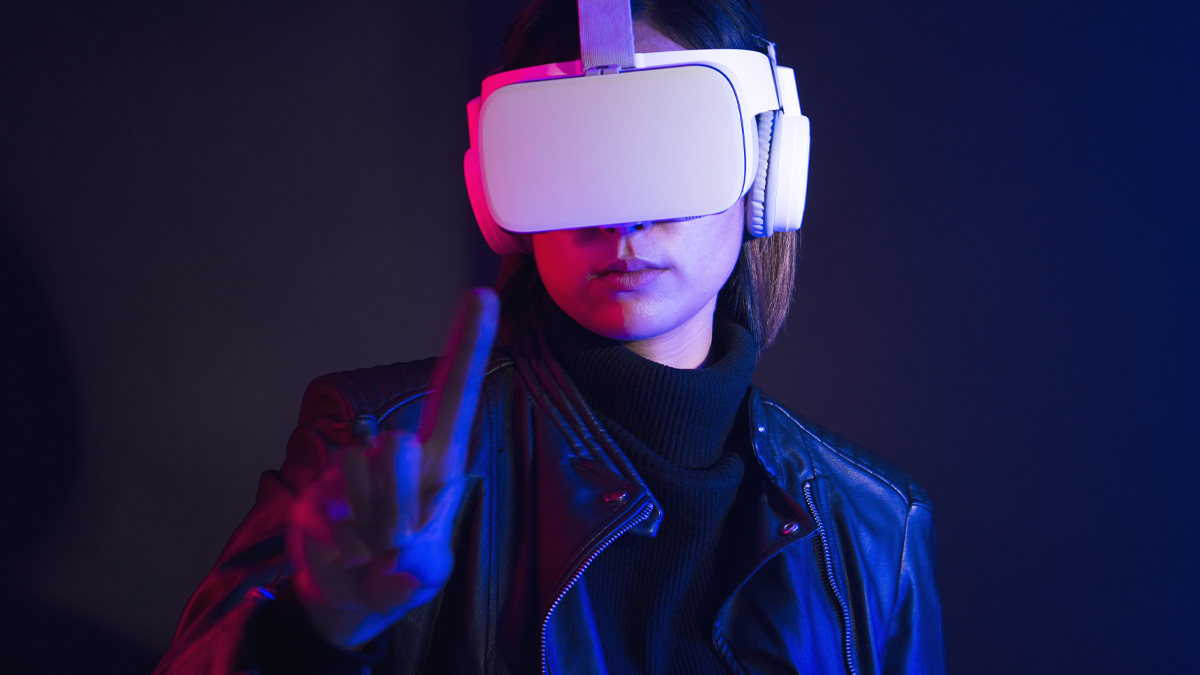
What is Volumetric Capture?
Volumetric Capture: Volumetric capture is a way of recording real people, objects, or spaces as true three dimensional content that you can view from many angles, not just from the single angle of a traditional camera.
Core idea: Instead of capturing only a flat image for each frame, volumetric capture records shape and depth information across time. The output is often described as volumetric video because it behaves like video in motion, but it also behaves like a 3D model that you can move around and inspect.
Why it matters for Extended Reality (XR): In XR experiences such as virtual reality, augmented reality, and mixed reality, viewers expect to look around naturally. Volumetric capture supports this by letting the audience move their head and sometimes their body to see different perspectives of the same captured performance. This makes the content feel more present, more believable, and more cinematic inside immersive environments.
How it differs from traditional filming: Traditional cinema uses lenses, framing, and editing to guide the viewer through a scene. Volumetric capture can still use cinematic language, but it also allows a new option where the viewer can explore the scene spatially. In other words, the camera can become the audience, and the audience can become the camera.
Where it sits inside cinematic technologies: Volumetric capture is part of a larger set of tools that support modern storytelling, including virtual production, real time rendering, motion capture, photogrammetry, and computer generated imagery. In cinema, it is often used to create realistic digital humans, immersive bonus content, interactive scenes, and new types of narrative experiences built for XR.
How does Volumetric Capture Work?
Overview of the pipeline: Volumetric capture typically follows a workflow that starts with recording and ends with playback inside a real time engine or a cinematic post production pipeline.
Capture stage: Multiple cameras or depth sensors surround the subject and record synchronized data. These devices capture color information (appearance) and depth information (geometry). The subject performs inside a controlled volume, often called a capture volume, where lighting and background are carefully managed.
Calibration and synchronization: The system must know exactly where each camera is located and how its lens behaves. It also must align every camera frame in time so that all devices record the same moment. This step is essential because a small timing mismatch can create visual tearing or ghosting in the reconstructed result.
Reconstruction: Software combines the many viewpoints into a 3D representation for each moment in time. Depending on the method, reconstruction may create a surface mesh, a point cloud, a volumetric field, or a neural representation. Color data is then mapped onto the geometry so the result looks like the original subject.
Cleanup and post processing: Raw volumetric data is heavy and often noisy. Artists and technicians may remove artifacts, smooth surfaces, fill holes, improve edges around hair or transparent materials, and adjust color. This stage may also include editing timing, trimming takes, and aligning audio.
Compression and streaming preparation: Volumetric content can be huge, so it is often compressed for storage and for delivery. Compression can involve geometry decimation, texture optimization, and special codecs designed for dynamic 3D content.
Playback in XR or cinema tools: Finally, the volumetric asset is imported into a real time engine or a post production environment where it can be lit, placed in a virtual set, combined with visual effects, and viewed from different angles. In XR, the engine renders the content based on the viewer position, so the experience feels spatial and responsive.
What are the Components of Volumetric Capture
Capture volume: The physical space where recording happens. It is designed to reduce unwanted shadows, reflections, and background noise, and to keep the subject fully visible to the sensor array.
Camera array or sensor array: A ring or grid of cameras, depth sensors, or a mix of both. More viewpoints generally improve reconstruction quality, especially for challenging surfaces like hair, fabric folds, and fast motion.
Lighting system: Consistent, flicker free lighting helps reconstruction and produces better textures. Some stages use soft uniform lighting for clean data, while others experiment with controlled lighting patterns to support advanced reconstruction.
Background and markers: Many setups use a clean background such as green or neutral gray to make segmentation easier. Some stages use markers or structured patterns for calibration, while others rely on automated calibration techniques.
Synchronization and timing hardware: Accurate time alignment across all devices is critical. Systems often use genlock or other timing solutions so every camera captures each frame at the same instant.
Calibration tools: Calibration includes measuring camera positions, lens distortion, and sensor alignment. This can involve calibration targets, software routines, and periodic re checks to keep the stage accurate.
Audio capture: For cinematic use, audio is usually recorded separately with professional microphones, then synced to the volumetric performance. Clean audio matters because immersive content feels less believable when voice and motion do not match.
Reconstruction software: This is the engine that turns many camera views into 3D data over time. It includes algorithms for depth estimation, multi view stereo, surface reconstruction, and texture generation.
Data storage and compute infrastructure: Volumetric capture creates large amounts of data quickly. High speed storage, fast networking, and powerful compute (often using GPUs) are common requirements.
Post production and editing tools: Artists need tools for trimming, cleaning, retiming, relighting, compositing, and integrating volumetric assets into scenes. This component connects volumetric work to familiar cinema workflows.
Delivery runtime: The final component is the playback system, usually a real time engine or an XR runtime that can render the volumetric asset efficiently on the target device.
What are the Types of Volumetric Capture
Multi camera photogrammetry style capture: Many cameras capture the subject from different angles, and software reconstructs geometry using multi view techniques. This approach can deliver high visual detail but usually needs strong lighting control and careful reconstruction.
Depth sensor based capture: Depth cameras directly measure distance to surfaces. This can be faster and simpler for real time use, but depth sensors may struggle with fine detail, reflective materials, and outdoor lighting conditions.
Hybrid capture: Some stages combine RGB cameras with depth sensors. The depth sensors provide a rough geometry foundation while RGB cameras provide high quality textures and extra detail.
Light field and view synthesis approaches: Some systems capture dense angular information so the viewer can see realistic view dependent effects such as subtle reflections or changing highlights. These methods can look very natural but often require heavy data and advanced processing.
Point cloud video: The subject is represented as a set of points in 3D space for each frame. Point clouds can be easier to generate and stream than dense meshes in some workflows, but they can look noisy and may require specialized rendering techniques.
Mesh with textures approach: The reconstruction produces a surface mesh for each frame along with textures. This is common in cinematic pipelines because meshes integrate well with existing tools, though dynamic meshes can be heavy.
Neural rendering representations: Newer approaches represent the scene using learned models that can generate novel views. These methods can produce impressive realism and handle complex lighting effects, but they may require training time and can be harder to edit like traditional geometry.
What are the Applications of Volumetric Capture
Immersive storytelling in XR: Volumetric performances can be placed inside virtual environments so audiences can experience scenes as if they are present with the actors. This supports narrative XR films, interactive drama, and immersive documentary.
Virtual production and previsualization: Directors and cinematographers can capture a performance volumetrically and place it into a virtual set early in the process. This helps with blocking, camera planning, and creative decisions before expensive shooting days.
Digital doubles and performance preservation: Volumetric capture can create a reusable digital version of a performer for specific shots, stunt augmentation, or continuity. It can also preserve unique performances for archives and future projects.
Visual effects integration: Volumetric assets can be composited into computer generated environments, used as reference for animation, or combined with simulation effects like smoke, dust, and magical elements.
Interactive experiences and location based entertainment: Theme parks, museums, and experiential venues can use volumetric captures to create lifelike guides, historical figures, or interactive characters.
Sports and live events: Volumetric capture can support immersive replays, spatial highlights, and interactive viewing angles for fans in XR platforms.
Education and training: Realistic volumetric demonstrations can help teach medical procedures, industrial tasks, or cultural heritage content in a more engaging way than flat video.
Telepresence and communication: Volumetric capture can enable more natural remote presence, where a person appears as a 3D representation in another space, improving eye contact cues and body language perception.
Marketing and product visualization: Brands can use volumetric capture to create interactive campaigns where audiences can walk around a performer, explore fashion, or see a product demonstration from any angle.
What is the Role of Volumetric Capture in Cinema Industry
Bridge between film language and immersive media: The cinema industry has strong storytelling craft, but XR changes how audiences experience a scene. Volumetric capture helps bridge that gap by bringing authentic human performance into immersive spaces while still allowing cinematic direction and editorial choices.
New form of acting for immersive scenes: In traditional film, the camera frame defines what matters. In volumetric scenes, the audience may look anywhere. This pushes filmmakers to think differently about blocking, staging, and performance. Volumetric capture makes that possible by preserving the actor performance as spatial content.
Expansion of cinematic universes: Studios can extend a film world into XR experiences where audiences meet characters, explore locations, and experience side stories. Volumetric characters can become the emotional anchor of these experiences because they feel real and present.
Support for virtual production workflows: Cinema increasingly uses real time tools, virtual sets, and digital pipelines. Volumetric capture fits into this trend by providing realistic human assets that can be placed into virtual environments, tested in real time, and refined through iterative creative reviews.
Efficiency in complex shots: Some shots are difficult to film traditionally because they require impossible camera moves, dangerous environments, or heavy post production. A volumetric performance can be captured once and then staged in multiple virtual shots, giving directors more flexibility.
Audience engagement and premium experiences: Cinema is competing with many forms of entertainment. Immersive cinematic experiences can add value by offering something that cannot be achieved in a standard theater seat. Volumetric capture is a key ingredient for lifelike characters and emotional connection in these premium formats.
What are the Objectives of Volumetric Capture
Create lifelike presence: One of the main objectives is to make captured subjects feel like they are truly in the same space as the viewer, especially in XR where presence drives emotional impact.
Enable viewpoint freedom: Volumetric capture aims to support viewing from multiple angles, allowing the director to design scenes that can be explored without breaking realism.
Preserve performance authenticity: Another objective is to keep subtle human motion, facial expression, and timing that can be difficult to recreate through manual animation.
Integrate real humans into virtual worlds: Volumetric capture supports cinematic technologies by providing realistic humans that can be placed into computer generated environments, virtual sets, and interactive scenes.
Support reuse and repurposing: A volumetric asset can be reused in trailers, XR extensions, interactive installations, and behind the scenes content. The objective is to capture once and deploy many times.
Improve production iteration: By capturing a performance as data, teams can iterate on scene design, lighting, and camera paths without reshooting the actor repeatedly.
Scale immersive content creation: Many creators want XR content, but traditional pipelines can be slow. Volumetric capture aims to make high quality human content more repeatable and scalable.
What are the Benefits of Volumetric Capture
Stronger immersion: Viewers can experience characters as spatial beings rather than flat images. This increases emotional engagement, especially in close, intimate scenes.
Natural realism: Because the subject is captured from reality, the result can carry natural motion and micro details that are hard to animate convincingly.
Creative flexibility: Directors can change camera placement, adjust staging in virtual space, and explore multiple shot options after capture.
Better continuity across media: A single volumetric performance can appear in XR, marketing experiences, and interactive content, keeping character portrayal consistent.
Reduced dependency on manual animation: For certain types of scenes, volumetric capture can reduce the time required for hand animation or motion retargeting, though cleanup and optimization still require effort.
Enhanced audience participation: In XR, the audience can feel like part of the scene. Volumetric characters respond well to this because they feel physically present.
Opportunities for new business models: Cinema companies can create premium immersive experiences, virtual meet and greets, collectible scenes, or interactive story chapters that extend a film brand beyond the theater.
What are the Features of Volumetric Capture
Six degrees of freedom viewing: A core feature is that the viewer can move and look around within limits and see correct perspectives, which is essential for XR.
Time based 3D data: The content changes over time like video, but each moment contains 3D information rather than a flat frame.
High fidelity textures and motion: Many pipelines prioritize detailed textures and accurate motion capture so the subject looks photorealistic and expressive.
Spatial integration: Volumetric assets can be placed into virtual sets with correct scale, allowing believable interaction with environment elements.
Metadata and timing control: Professional systems store information about frame timing, calibration, and camera positions, enabling consistent editing and integration.
Compatibility with real time engines: Modern workflows aim for playback in real time environments so creators can preview scenes, adjust lighting, and deliver interactive content.
Compression and streaming support: Volumetric capture systems often include tools to reduce file size and enable smooth playback on headsets and mobile devices.
Relighting and shading options: Advanced pipelines support some level of relighting so the subject matches the lighting of the virtual scene. This can range from simple color adjustments to more complex shading models depending on capture method.
Editing and compositing hooks: A practical feature is the ability to trim takes, blend segments, and integrate visual effects so volumetric content fits into cinematic storytelling.
What are the Examples of Volumetric Capture
Immersive interview in VR: A documentary team captures a real person volumetrically and places them in a virtual environment that represents their story. The viewer can sit close, walk around slightly, and feel the human presence during emotional moments.
XR companion character for a film release: A studio captures an actor performance and releases an XR experience where audiences can meet the character in their living room through augmented reality. The character can deliver lines, react with body language, and guide the viewer through story clues.
Volumetric stunt performance for a virtual set: A complex action move is captured once in a volumetric stage. The performance is then placed into multiple virtual locations and viewed from dynamic camera paths, supporting creative shot design without repeating the stunt.
Historical figure in a museum installation: A performer is captured in period costume and displayed as a lifelike 3D presence. Visitors can move around the figure and hear a narrative, creating a stronger sense of time and place than a flat screen.
Sports highlight replay in XR: A key moment is captured volumetrically so fans can view the play from different angles, pause in space, and understand tactics better than a standard broadcast replay.
Medical training scenario: A clinician demonstrates a procedure with correct hand positioning and tool handling. Students can watch from any angle and replay steps, improving understanding and retention.
What is the Definition of Volumetric Capture
Technical definition: Volumetric capture is the process of recording a real world subject or scene as a time varying three dimensional representation by using multiple synchronized sensors to acquire geometry and appearance data, then reconstructing that data into a 3D asset that can be rendered from different viewpoints.
Key elements in the definition: The definition includes time variation (motion), 3D representation (geometry or volumetric field), multi sensor acquisition (many viewpoints or depth measurements), reconstruction (software creation of 3D data), and view dependent rendering (the ability to display the subject correctly from new angles).
Why this definition matters for cinematic technologies: Cinema depends on repeatable workflows. A clear definition helps production teams understand what they are getting, how it will be processed, and how it can be integrated into editing, visual effects, and XR delivery.
What is the Meaning of Volumetric Capture
Plain meaning: Volumetric capture means recording a person or object in a way that keeps their full shape in 3D, so you can place them inside a digital world and look at them from different angles while they move naturally.
What it means for creators: For filmmakers and XR creators, it means you can capture a real performance and then treat it like a digital asset. You can position it in a virtual set, adjust the viewpoint, and build interactive experiences around it.
What it means for audiences: For viewers, it means characters and moments feel closer to real life. Instead of watching through a rectangle, the viewer can feel like they share space with the subject, which can increase empathy and attention.
What it means for the cinema industry: It signals a shift toward experiences that combine the emotional strengths of film with the spatial freedom of XR, opening paths for new formats, new distribution channels, and new creative roles.
What is the Future of Volumetric Capture
Better quality with fewer cameras: Future systems are expected to deliver higher fidelity from smaller setups, using improved sensors and smarter reconstruction algorithms. This can make volumetric capture more accessible beyond large studios.
Neural rendering and AI assisted reconstruction: Machine learning is likely to play a bigger role in filling missing data, reducing noise, improving hair and cloth details, and generating more realistic view dependent effects. This can reduce cleanup time and improve realism.
More real time workflows: As hardware improves, more of the pipeline can happen live or near live, enabling directors to see volumetric performances inside virtual sets during production, similar to how virtual production previews work today.
Standardization and interoperability: The industry will benefit from stronger standards for file formats, compression, metadata, and playback. This will help volumetric assets move smoothly between capture stages, post tools, and real time engines.
Device friendly delivery: XR headsets and mobile devices have limits on compute and battery. Future compression and streaming methods will aim to deliver volumetric content smoothly with lower latency and better visual stability.
Integration with virtual production stages: Volumetric capture may increasingly connect with LED volume workflows and digital set pipelines, enabling hybrid productions where captured humans and virtual environments blend seamlessly.
New creative grammar for cinematic XR: Filmmakers will continue developing new ways to direct attention without relying only on framing. Sound design, light cues, character blocking, interactive pacing, and guided movement will become more important.
Ethics and consent practices: As volumetric humans become more realistic and reusable, the industry will need clear rules for consent, ownership, performance rights, and safe handling of digital likeness, especially when content is reused across projects.
Expanding roles and skills: The future will likely include new job roles that blend cinematography, real time rendering, VFX, and XR interaction design, helping cinema teams create volumetric stories efficiently.
Summary
- Volumetric capture records real people, objects, or scenes as time based 3D content that can be viewed from many angles.
- It works by capturing synchronized data from many sensors, calibrating and reconstructing it into a 3D representation, then optimizing it for editing and playback.
- Key components include the capture volume, camera or sensor array, lighting, synchronization, calibration, reconstruction software, compute infrastructure, and delivery runtime.
- Common types include multi camera reconstruction, depth sensor capture, hybrid approaches, point cloud video, mesh based volumetric video, and neural rendering methods.
- Applications range from immersive XR storytelling and virtual production to education, sports replays, telepresence, museums, and marketing.
- In the cinema industry, volumetric capture supports new immersive formats, extends film worlds, improves iteration, and provides lifelike digital humans for virtual environments.
- Objectives focus on presence, authenticity, viewpoint freedom, integration into virtual worlds, reuse across media, and scalable content production.
- Benefits include stronger immersion, realistic performances, creative flexibility, consistent character portrayal, and new premium audience experiences.
- The future points toward higher quality with smaller setups, more AI assistance, more real time pipelines, better standards, improved compression, and clearer ethics around digital likeness.

