

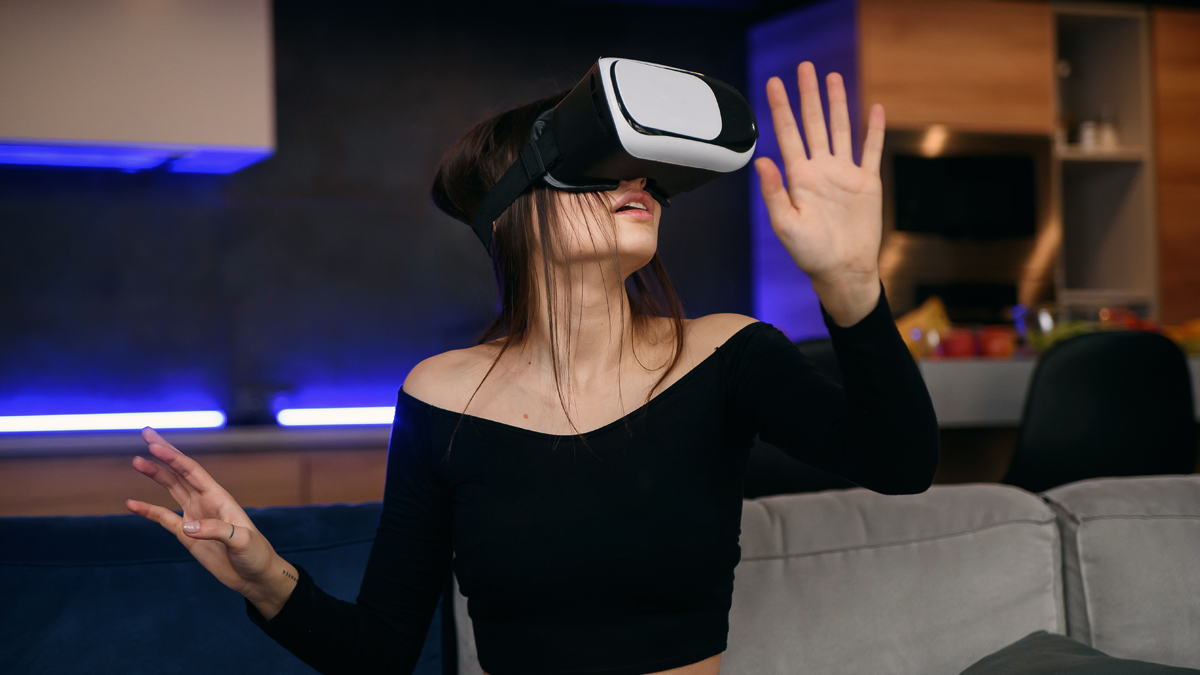
What is XR Stage?
XR Stage is an advanced filmmaking environment used in virtual production under cinematic technologies in the cinema industry. XR stands for Extended Reality, which includes virtual reality, augmented reality, and mixed reality technologies. An XR Stage combines real time computer generated environments with physical film sets, allowing filmmakers to capture immersive digital backgrounds directly in camera during shooting. Instead of relying heavily on green screens and post production visual effects, XR Stage enables directors, cinematographers, and actors to interact with lifelike digital worlds in real time.
In traditional filmmaking, large parts of the environment are added later using computer graphics. With XR Stage, the digital environment is displayed live on massive LED walls that surround the actors and the set. These LED screens show high resolution, photorealistic backgrounds that move and adjust according to camera movement. As a result, what the camera captures already includes realistic lighting, reflections, and depth from the virtual world. This approach bridges the gap between physical production and digital production, transforming the way films, series, and advertisements are created.
XR Stage is not only a technical setup but also a creative ecosystem. It blends cinematography, computer graphics, game engine technology, motion tracking, lighting design, and production design into a unified workflow. It represents a major shift in how stories are visualized and executed within the cinema industry.
How does XR Stage Work?
XR Stage works by synchronizing real time rendering technology with physical camera systems and LED display technology. At the core of this system is a powerful game engine such as Unreal Engine or Unity, which generates high quality 3D environments in real time. These environments are projected onto large LED panels that form walls and sometimes ceilings around the shooting area.
Camera tracking system: A specialized tracking system monitors the exact position, rotation, and movement of the physical camera. Sensors and markers are placed on the camera rig, and tracking cameras installed in the studio capture its movement. The data is sent to the rendering engine, which adjusts the digital background perspective in real time. This ensures that the virtual environment changes naturally as the camera moves, creating a realistic parallax effect.
Real time rendering: The game engine continuously renders the digital environment based on the camera data. When the camera pans or moves forward, the background shifts accordingly, just as it would in a real physical location. This real time adjustment makes the virtual environment look natural and believable through the camera lens.
LED wall projection: The rendered environment is displayed on high resolution LED panels. These panels emit light that interacts with the actors and physical objects on set. The reflections and color tones from the digital environment are cast onto the actors, costumes, and props, enhancing realism and reducing the need for post production adjustments.
In camera visual effects: Unlike green screen, where backgrounds are added later, XR Stage allows many visual effects to be captured directly during filming. This approach is known as in camera visual effects. It helps directors and cinematographers see the final look of the scene immediately, which improves creative decision making and reduces uncertainty.
What are the Components of XR Stage?
XR Stage consists of multiple integrated components that work together seamlessly.
LED volume: The LED volume is the most visible element of the XR Stage. It usually includes curved LED walls and sometimes a ceiling made of LED panels. The curved structure enhances immersion and prevents visible edges in wide shots.
Real time engine: A high performance rendering engine such as Unreal Engine generates the virtual environments. This engine processes complex 3D models, lighting, textures, and animations in real time.
Camera tracking system: This includes sensors, tracking cameras, and data processing units that capture the camera movement with high precision. Accurate tracking is essential to maintain the illusion of depth and realism.
Physical set elements: Even in an XR Stage, physical props and partial set pieces are used. For example, a car interior or a piece of terrain might be built physically, while the surrounding world is digital.
Lighting system: Traditional film lighting equipment is integrated with the LED wall lighting. Lighting designers adjust both digital and physical lights to achieve a consistent visual tone.
Control and processing units: Powerful computers and servers manage data flow between tracking systems, rendering engines, and LED panels. These systems ensure synchronization and minimize latency.
Content creation tools: 3D modeling software, animation tools, and asset libraries are used to design and prepare virtual environments before shooting begins.
What are the Types of XR Stage?
XR Stage setups can vary depending on scale, budget, and production requirements.
Full LED volume stage: This type surrounds the set with LED walls on multiple sides and often includes an LED ceiling. It provides maximum immersion and is suitable for large scale productions.
Partial LED wall stage: In this setup, LED panels are installed on one or two sides of the stage. It is more cost effective and suitable for specific shots or smaller productions.
Hybrid XR stage: This type combines green screen and LED walls. Some parts of the background are displayed live on LED panels, while others are added later in post production.
Portable XR stage: Compact and mobile XR systems can be assembled in different studio spaces or event locations. These are useful for advertisements, music videos, and corporate productions.
High resolution cinematic XR stage: Designed specifically for cinema, this type features ultra high resolution LED panels and advanced tracking systems to meet theatrical quality standards.
What are the Applications of XR Stage?
XR Stage has a wide range of applications within and beyond the cinema industry.
Feature films: Major film productions use XR Stage to create complex environments such as futuristic cities, alien planets, or historical landscapes without traveling to multiple locations.
Television series: High quality television series benefit from the efficiency and visual consistency of XR Stages, especially for fantasy and science fiction genres.
Advertising and commercials: Brands use XR Stage to create visually striking advertisements in controlled studio environments while simulating diverse locations.
Music videos: Artists and directors use XR Stage to experiment with dynamic backgrounds and creative visual concepts.
Live events and broadcasting: XR technology is used in live television shows, sports broadcasts, and award ceremonies to create immersive digital stages.
Corporate communication and training: Companies use XR environments for presentations, simulations, and virtual experiences that require realistic digital backdrops.
What is the Role of XR Stage in Cinema Industry?
XR Stage plays a transformative role in the cinema industry. It changes how films are planned, shot, and completed.
Creative collaboration: XR Stage encourages closer collaboration between directors, cinematographers, visual effects artists, and production designers. Since the virtual environment is visible during shooting, all departments can make informed decisions together.
Cost management: By reducing location travel, weather delays, and large scale set construction, XR Stage helps manage production budgets more efficiently.
Time efficiency: Scenes that would traditionally require months of post production work can now be completed during principal photography. This accelerates the overall production timeline.
Visual consistency: Since lighting and environment are controlled within the studio, filmmakers can maintain consistent visual quality across scenes.
Innovation in storytelling: XR Stage allows filmmakers to imagine and execute stories that were previously difficult or expensive to produce.
What are the Objectives of XR Stage?
The objectives of XR Stage are centered on efficiency, creativity, and technological integration.
Enhancing realism: XR Stage aims to create photorealistic digital environments that seamlessly blend with physical sets.
Improving workflow: It seeks to integrate pre production, production, and post production processes into a unified workflow.
Reducing dependency on green screen: By capturing realistic backgrounds in camera, XR Stage minimizes extensive chroma key work.
Increasing creative control: Directors and cinematographers gain immediate visual feedback, enabling precise artistic decisions.
Optimizing resources: XR Stage reduces the need for travel, large crew deployments, and multiple location setups.
What are the Benefits of XR Stage?
XR Stage offers numerous benefits to filmmakers and production companies.
Real time visualization: Filmmakers can see near final visuals during shooting, reducing guesswork.
Enhanced actor performance: Actors perform better when they can see and interact with realistic environments instead of imagining green screen backdrops.
Reduced post production workload: Many visual effects are captured directly, decreasing post production time and costs.
Environmental sustainability: By minimizing travel and physical set construction, XR Stage supports eco friendly production practices.
Safety and control: Dangerous or remote environments can be simulated safely within a studio setting.
What are the Features of XR Stage?
XR Stage is defined by several advanced features.
High resolution LED displays: Modern LED panels provide detailed visuals with accurate color reproduction.
Seamless integration: XR Stage integrates hardware and software systems for synchronized operation.
Dynamic lighting interaction: LED walls emit light that interacts naturally with physical elements.
Real time adjustments: Directors can modify digital environments instantly during shooting.
Scalability: XR setups can be scaled from small studios to large cinematic volumes.
Precision tracking: Advanced tracking ensures accurate alignment between camera movement and digital perspective.
What are the Examples of XR Stage?
Several major studios and productions have adopted XR Stage technology.
Industrial Light & Magic StageCraft: This pioneering virtual production stage gained global recognition for its use in the television series The Mandalorian. It demonstrated how LED volumes and real time rendering could replace traditional green screen workflows.
Pinewood Studios virtual production stage: Pinewood Studios has developed advanced XR facilities to support major international film projects.
Netflix production facilities: Streaming platforms such as Netflix have invested in virtual production stages to create high quality content efficiently.
These examples highlight how XR Stage has moved from experimental technology to mainstream adoption within the cinema industry.
What is the Definition of XR Stage?
XR Stage is defined as a controlled studio environment that uses extended reality technologies, real time rendering engines, LED display systems, and camera tracking to project interactive digital environments around physical sets, enabling in camera visual effects during filming.
What is the Meaning of XR Stage?
The meaning of XR Stage lies in its combination of Extended Reality and stage based filmmaking. XR refers to technologies that blend physical and digital worlds, while stage refers to a controlled studio environment. Together, XR Stage represents a filmmaking space where digital and physical realities coexist and interact seamlessly.
What is the Future of XR Stage?
The future of XR Stage is closely tied to advancements in computing power, artificial intelligence, and display technology. As LED panels become brighter and more color accurate, and as rendering engines become faster, XR Stages will deliver even more realistic visuals.
Integration with artificial intelligence: AI tools will assist in generating dynamic environments and automating certain aspects of scene design.
Global accessibility: As costs decrease, more studios around the world will adopt XR technology.
Improved interactivity: Future XR Stages may allow more complex real time interactions between actors and digital characters.
Expansion beyond cinema: XR Stage technology will continue to influence gaming, education, architecture visualization, and live entertainment.
The ongoing evolution of cinematic technologies suggests that XR Stage will become a standard tool in modern film production.
Summary
- XR Stage is an advanced virtual production environment within cinematic technologies.
- It combines LED walls, real time rendering, and camera tracking systems.
- XR Stage enables in camera visual effects and realistic digital backgrounds.
- It reduces dependency on green screen and heavy post production work.
- It improves collaboration between creative and technical teams.
- XR Stage supports cost efficiency and time management.
- It enhances actor performance through immersive environments.
- Major studios and platforms have adopted XR Stage technology.
- The future of XR Stage includes AI integration and wider accessibility.
- XR Stage represents a major transformation in the cinema industry.

