

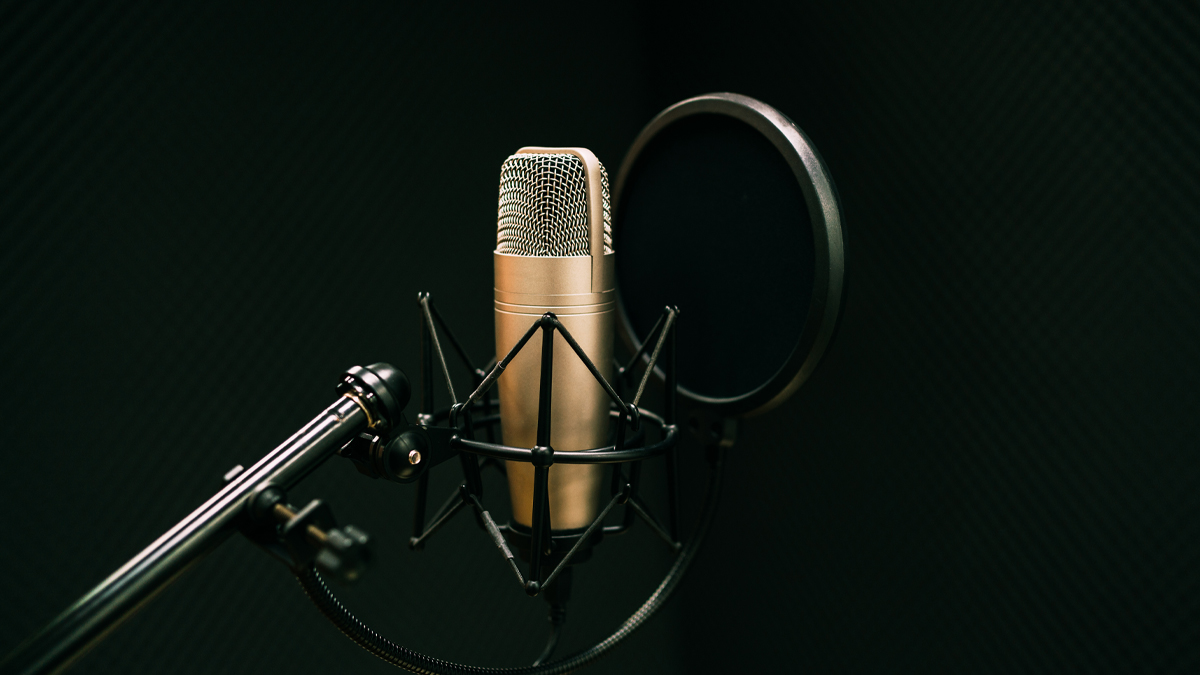
What is Spot Microphone?
A spot microphone is a microphone that is placed close to a specific sound source so that the source can be captured with greater clarity, control, and presence than it would have through distant or general microphones alone. In the context of cinematic electronics and the cinema industry, a spot microphone is not always one single special product type. Rather, it is a role or application of a microphone within a recording system. When a sound engineer uses a microphone to focus on one actor, one instrument, one prop, one sound effect, or one part of an environment, that microphone is functioning as a spot microphone.
Purpose: The main purpose of a spot microphone is to isolate an important sound source from surrounding noise, room reflections, and competing audio elements. In cinema, many scenes contain complex layers of sound such as dialogue, footsteps, cloth movement, traffic, weather ambience, crowd reactions, music, and mechanical effects. A spot microphone helps the production team obtain a clean and usable recording of the most important source within that sonic environment.
Context: Spot microphones are commonly used in film production, television drama, documentary work, animation dubbing, Foley recording, orchestral scoring for films, and post production sound design. They are especially valuable when the primary sound source needs additional detail, intelligibility, or emphasis in the final soundtrack.
Importance: In practical filmmaking, the difference between average and professional sound often comes from microphone placement. A spot microphone allows the sound department to gather direct sound with precision, making it easier to shape the emotional and narrative impact of a scene. Because cinema is both a visual and auditory medium, a clearly captured voice, instrument, or effect can strengthen realism and audience immersion.
How does Spot Microphone Work?
A spot microphone works by capturing sound at a close distance from the intended source so that the direct signal becomes stronger than the surrounding ambient sound. The closer the microphone is to the source, the more dominant the source becomes relative to background noise and room reverberation. This basic acoustic principle is what makes spot miking so effective in cinema and other professional recording applications.
Placement: The microphone is positioned as near as possible to the sound source without entering the camera frame or causing sonic distortion. In dialogue recording, this may mean placing a boom microphone just above an actor. In music scoring, it may mean placing a condenser microphone near a violin section or a solo instrument. In Foley work, it may mean placing a microphone close to a prop or movement surface.
Signal capture: Once sound waves reach the microphone capsule, the capsule converts the acoustic energy into an electrical signal. That signal is then passed through a preamplifier, sent to a mixer or recorder, and monitored by the sound team. Because the source is close, the recorded signal usually contains more detail, transient clarity, and intelligibility.
Isolation: Spot microphones reduce the proportion of unwanted sound in the recording. This is useful on noisy sets, in large rooms, or during scenes with several active sound elements. Instead of relying only on wide environmental capture, the sound engineer can record key details separately and blend them later in the final mix.
Control in post production: A major strength of spot miking is that it gives editors and re recording mixers more flexibility. If each important source has been recorded clearly, the post production team can raise or lower levels, shape tonal balance, remove noise, and position sounds in the cinematic sound field more accurately.
Balance with ambience: A spot microphone is rarely used in total isolation from other microphones. In cinema, engineers often combine spot microphones with room microphones, ambience microphones, or stereo arrays. The spot microphone provides focus, while the wider microphones preserve natural space and environmental realism. The art lies in balancing intimacy and realism.
What are the Components of Spot Microphone?
A spot microphone setup consists of more than just the microphone itself. It includes several interconnected parts that help capture, transmit, monitor, and preserve sound quality throughout production and post production.
Microphone capsule: The capsule is the heart of the microphone. It receives sound waves and converts them into an electrical signal. Different capsules have different sensitivities, frequency responses, and polar patterns. For spot miking, the capsule must be suited to the source and the recording environment.
Polar pattern: The pickup pattern determines how the microphone responds to sound from different directions. Cardioid, supercardioid, hypercardioid, and shotgun patterns are commonly used in spot applications because they help focus on the intended source and reject unwanted sound from the sides or rear.
Body and housing: The microphone body protects the internal electronics and supports stable operation. In cinema production, durable construction is important because microphones are used on sets, stages, outdoors, and in mobile rigs.
Preamplifier stage: The preamplifier boosts the weak microphone signal to a usable level. High quality preamplification is essential because a clean gain structure preserves detail and reduces noise. Some microphones have active internal electronics, while others rely more heavily on external preamps.
Mounting system: Shock mounts, clips, stands, booms, and suspension systems are important parts of spot microphone operation. They reduce handling noise, vibration, and mechanical interference. In film production, a poorly isolated mount can ruin an otherwise good take.
Wind protection: Foam covers, soft windshields, and blimps help prevent air movement from creating unwanted rumble or distortion. This is especially critical for outdoor cinema recording where wind can quickly overpower dialogue or delicate effects.
Cable or wireless link: The captured signal must travel reliably to the recorder or mixer. This may happen through balanced XLR cables or through wireless transmission systems in the case of body worn microphones and some location sound setups.
Recorder or mixer: The signal is routed into professional audio equipment that allows gain adjustment, metering, routing, monitoring, and recording. Modern cinema sound workflows often use multitrack field recorders so that each spot microphone can be recorded on a separate channel.
Monitoring system: Headphones and monitoring circuits help the sound mixer judge whether the spot microphone is positioned correctly, whether noise is present, and whether the performance is being captured cleanly.
What are the Types of Spot Microphone?
The term spot microphone refers more to application than to one fixed design, so several microphone types can function as spot microphones depending on the recording task.
Shotgun spot microphone: This type is widely used for film dialogue. It has a highly directional pickup pattern and is often mounted on a boom pole. It is effective when the microphone must stay out of frame while still focusing strongly on a specific actor or sound source.
Cardioid spot microphone: A cardioid microphone captures sound mainly from the front and rejects much of the rear sound. It is useful for closer indoor dialogue, Foley, and controlled music recording where natural tone and manageable directionality are needed.
Supercardioid and hypercardioid spot microphone: These microphones offer tighter front focus than standard cardioids. They are often chosen for sets, stages, and music recording situations where stronger isolation is required.
Lavalier spot microphone: A lavalier is a small body worn microphone often hidden in clothing or costume. In cinema, it serves as a spot microphone for dialogue when boom placement is difficult or when actors move extensively.
Small diaphragm condenser spot microphone: This type is common in orchestral and instrumental recording for film scores. It captures detail and fast transients, making it ideal for strings, percussion, piano, and acoustic effects.
Large diaphragm condenser spot microphone: This microphone can also serve as a spot microphone in studio environments when a fuller and more present sound is desired, such as voiceover, ADR, or certain Foley elements.
Boundary spot microphone: A boundary microphone is placed on a flat surface and can be used to capture localized sound with reduced phase issues from nearby reflections. It is sometimes useful for stage work, room detail, or special set recording needs.
Contact microphone in special use: Although less common in standard location sound, contact microphones may be used as spot microphones for mechanical objects, surfaces, and props when the goal is to capture vibration directly rather than airborne sound.
What are the Applications of Spot Microphone?
Spot microphones have a wide range of applications across the cinema workflow because films depend on precise and controllable sound capture at every stage.
Dialogue recording on set: This is one of the most important applications. Spot microphones capture actors voices clearly while reducing environmental distractions. Clean dialogue is essential because the audience must understand speech without strain.
Film score recording: During orchestral scoring sessions, spot microphones are placed on specific instruments or sections to improve clarity and control in the final music mix. This allows the composer and engineer to highlight melodic lines, support dramatic moments, and shape the overall cinematic sound.
Foley recording: Foley artists recreate footsteps, cloth movement, impacts, and prop handling. Spot microphones capture these details closely so that the sound can be matched precisely to on screen action.
Sound effects collection: Spot microphones are used to record single objects or events such as doors, engines, weapon mechanisms, glass movement, paper handling, or environmental textures. Close capture increases editing flexibility.
ADR and voice recording: In automated dialogue replacement and voiceover work, spot microphones capture speech with precision, consistency, and tonal detail. This helps the replacement dialogue blend with production sound or stand out clearly when needed.
Documentary production: In documentaries, real world locations often contain unpredictable noise. Spot microphones help isolate interview subjects and important live events even in difficult sound environments.
Animation and game cinematic work: Voice performances for animated films and cinematic sequences benefit from spot microphone recording because character delivery must be expressive, intelligible, and easy to process.
What is the Role of Spot Microphone in Cinema Industry?
The role of the spot microphone in the cinema industry is central to professional sound capture, storytelling clarity, and post production flexibility. Cinema is a collaborative art that depends on many technical departments, and the sound department relies heavily on spot microphones to preserve critical sonic information.
Narrative support: Spot microphones help make key story elements understandable. A whispered line, a subtle breath, a delicate prop movement, or a solo instrument can carry emotional meaning. Without close focused capture, these important details may be lost.
Production reliability: Film sets are busy environments with lighting rigs, camera movement, crew traffic, weather, wardrobe noise, and changing acoustics. Spot microphones help the sound team maintain reliable recordings despite these variables.
Creative control: Directors and sound designers often want specific sounds to feel intimate, dramatic, aggressive, soft, or psychologically close. Spot microphones provide the raw material for such creative decisions by delivering detailed recordings that can be shaped later.
Music integration: In film scoring, spot microphones allow musical lines to be adjusted so they fit the emotional arc of a scene. A score must support dialogue, effects, and image. Spot recorded elements can be balanced with greater precision than distant room captures alone.
Post production efficiency: Clean spot recordings reduce the need for expensive correction later. While post production tools are powerful, strong source recordings remain the foundation of high quality cinematic sound. Good spot microphone work saves time and improves results.
Audience immersion: When the audience hears clear speech, realistic movement, and well defined sonic textures, the illusion of the cinematic world becomes more convincing. Spot microphones contribute directly to that immersive experience.
What are the Objectives of Spot Microphone?
The objectives of spot microphone use in cinema are practical, technical, and artistic. The microphone is not used simply to record louder sound. It is used to capture sound that is clearer, more usable, and more expressive.
Clarity: One objective is to record the main source with maximum intelligibility. This is especially important for dialogue, lead musical lines, and important effects.
Isolation: Another objective is to reduce unwanted bleed from surrounding sources. On a film set, multiple sounds happen at the same time. Spot microphones help separate them.
Detail preservation: Spot microphones are intended to preserve subtle textures such as breath, articulation, transients, and micro movements. These details help create realism and emotional depth.
Mixing flexibility: By capturing important elements on separate tracks, the sound team gains the ability to rebalance the soundtrack later. This is essential in cinema where the final mix must serve both story and technical playback standards.
Consistency: A spot microphone can provide stable tonal and level characteristics across multiple takes. Consistency makes editing easier and helps scenes feel sonically continuous.
Problem prevention: Spot microphones are also used to avoid future issues. If a wide room microphone fails to provide enough focus, the spot track can rescue the scene or support the final mix.
Creative emphasis: Sometimes the goal is not strict realism but dramatic presence. A close microphone can make a sound feel personal, immediate, or emotionally charged.
What are the Benefits of Spot Microphone?
Spot microphones provide many benefits that make them essential tools in professional cinema audio practice.
Improved intelligibility: Speech and focused sounds are easier to understand when captured closely. This reduces the chance that important lines will be buried by noise or reflections.
Higher signal quality: The direct to ambient ratio improves with close placement. This usually results in cleaner recordings with less unwanted room coloration.
Better source separation: In scenes with multiple performers or layered sound sources, spot microphones help keep each element distinct. This is valuable during editing and final mixing.
Greater editorial precision: Editors can cut, clean, and synchronize sound more effectively when the source is well defined. Precise recordings lead to smoother scene assembly.
Enhanced emotional impact: Close captured sound often feels more intimate and immediate. This can strengthen audience connection to characters and action.
Reduced reliance on repair: Although noise reduction and restoration tools are helpful, they cannot always replace a poor original recording. Spot microphones reduce the need for heavy correction.
Flexible mixing options: Separate spot tracks can be adjusted in level, tone, panorama, and spatial treatment. This allows the final soundtrack to serve different playback environments such as cinemas, streaming platforms, and broadcast versions.
Support for complex productions: Large ensemble scenes, action sequences, musical sessions, and effects heavy scenes all benefit from the additional control that spot microphones provide.
What are the Features of Spot Microphone?
A spot microphone setup typically includes several features that make it suitable for focused cinematic recording. These features may vary depending on the microphone model and application, but the core qualities remain similar.
Directional pickup: One of the most important features is the ability to emphasize sound from a desired direction while reducing unrelated sound. This improves focus and clarity.
High sensitivity to detail: Spot microphones used in cinema often capture fine articulation, fast transients, and subtle tonal variations. This is important for both dialogue and effects.
Low self noise: A microphone with low internal noise performs better when recording quiet or nuanced sources. Low noise is especially valuable in dramatic scenes and subtle Foley work.
Wide frequency response: Many professional spot microphones capture a broad range of frequencies so that voices, instruments, and effects sound natural and complete.
Compact placement options: Some spot microphones are small enough to hide in costumes, sets, cars, or props. This allows close capture without affecting the visual frame.
Compatibility with cinema workflows: Professional spot microphones usually integrate with balanced cabling, phantom power systems, wireless packs, field mixers, and multitrack recorders.
Mechanical isolation support: Many are designed to work with shock mounts and suspension systems that minimize handling and structure borne noise.
Durability: Because cinema production often involves long hours and changing conditions, reliability and rugged construction are important features.
What are the Examples of Spot Microphone?
Examples of spot microphone use are often easier to understand than abstract definitions because they show how the technique functions in real cinema situations.
Dialogue boom example: A shotgun microphone suspended on a boom just above an actor during a conversation scene is functioning as a spot microphone. It captures that actor with focus while avoiding the wider room sound as much as possible.
Hidden lavalier example: A small lavalier microphone concealed in a costume for a moving actor is another clear example. It serves as a close source for dialogue, especially in wide shots or physically demanding scenes.
Film score example: During orchestral recording, a small diaphragm condenser microphone placed near a solo violin or lead woodwind part works as a spot microphone. It allows the music mixer to bring out that line in an emotional moment.
Percussion example: A microphone placed near timpani, snare, or cymbals during a scoring session gives the engineer more control over attack and rhythmic presence.
Foley prop example: A close microphone aimed at keys, paper, leather movement, or a weapon mechanism during Foley recording is acting as a spot microphone.
Mechanical object example: A microphone placed near a car door latch, an old projector, or a typewriter for a film sound library recording is also a spot microphone because it is focused on one target source.
Studio voice example: In ADR or narration sessions, the recording microphone used to capture one performer in a controlled booth also functions as a spot microphone.
What is the Definition of Spot Microphone?
The definition of a spot microphone is a microphone placed close to a particular sound source in order to record that source with enhanced presence, clarity, and control relative to surrounding sounds. In professional cinema sound practice, the term often describes the purpose of the microphone within a recording setup rather than a unique hardware category.
Technical definition: From an audio engineering perspective, a spot microphone is used to improve the ratio of direct sound to ambient sound. This makes the selected source easier to isolate, edit, and mix.
Operational definition: In film production and post production, a spot microphone is any microphone assigned to an individual subject or sound element that needs special attention in the final soundtrack.
Creative definition: From a storytelling perspective, a spot microphone is a tool that helps the audience hear what matters most in a scene.
What is the Meaning of Spot Microphone?
The meaning of spot microphone becomes clearer when the word spot is understood as a focused point of attention. In cinema, the microphone is directed toward a sound source that has been singled out for emphasis, accuracy, or control.
Literal meaning: The term refers to the practice of targeting one source rather than covering the whole acoustic environment evenly.
Professional meaning: For sound mixers, editors, and designers, it means recording with intention. The goal is not only to capture sound, but to capture the right sound in a form that supports storytelling.
Practical meaning: In everyday production language, saying that a source has a spot microphone usually means there is a dedicated microphone for that source, ready to provide a stronger and more manageable signal during editing and mixing.
Artistic meaning: The term also carries expressive value because a spot microphone can make the audience feel closer to the action, the character, or the object that the filmmaker wants to highlight.
What is the Future of Spot Microphone?
The future of spot microphone use in cinema is strong because the industry continues to demand greater precision, cleaner source capture, and more flexible post production workflows. While recording technology evolves, the basic value of focused close capture remains highly relevant.
Smarter wireless integration: More productions are using advanced wireless systems for body worn microphones and mobile recording setups. This will make spot microphone deployment more flexible, especially in dynamic scenes and complex camera movement.
Miniaturization: Microphones are becoming smaller, lighter, and easier to conceal. This helps filmmakers place spot microphones more effectively without compromising costume design or cinematography.
Improved signal processing: Future workflows will likely combine spot microphone recordings with real time noise management, dialogue enhancement, and intelligent metadata tagging. This will speed up editing and improve consistency.
Immersive sound formats: As cinema continues to use immersive audio formats, the need for clean isolated source tracks will increase. Spot microphones provide the precise material needed to place sounds convincingly in three dimensional playback environments.
Hybrid recording strategies: The future will not replace spot microphones with only distant capture or software based separation. Instead, the industry will continue to combine close microphones, room arrays, ambiences, and advanced post tools for richer results.
Greater use in virtual production: As virtual production stages become more common, spot microphones will remain essential for clean dialogue and detailed effects capture in technologically dense environments.
Continued artistic importance: No matter how advanced automated tools become, microphone placement decisions will still shape the emotional quality of recorded sound. Human judgment in choosing where and how to place a spot microphone will remain important.
Summary
- A spot microphone is a microphone placed close to a specific sound source to capture that source with greater clarity and control.
- In cinema, spot microphone refers more to a recording role or technique than to one single hardware design.
- It works by increasing the strength of the direct sound compared to ambient noise and room reflections.
- Common spot microphone types include shotgun, cardioid, supercardioid, hypercardioid, lavalier, condenser, boundary, and certain specialty microphones.
- Spot microphones are widely used for dialogue, film scoring, Foley, sound effects, ADR, interviews, and controlled studio recording.
- In the cinema industry, they support storytelling, improve production reliability, and give editors and mixers more flexibility.
- Their main objectives include clarity, isolation, detail capture, consistency, problem prevention, and creative emphasis.
- Their benefits include cleaner recordings, better intelligibility, easier editing, stronger emotional impact, and reduced dependence on repair tools.
- Important features include directional pickup, low noise, detailed response, compact placement options, workflow compatibility, and durability.
- The future of spot microphone use remains strong due to wireless advances, smaller microphone designs, immersive audio formats, and smarter production workflows.

