

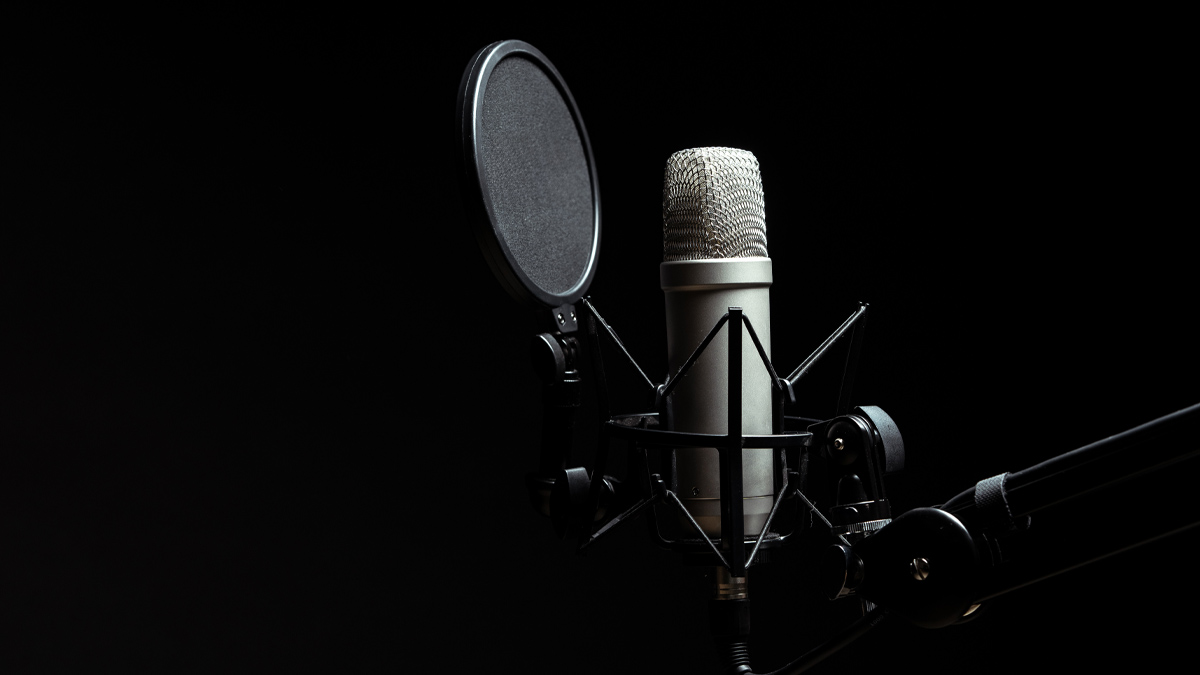
What is Plant Microphone?
A Plant Microphone is a microphone that is hidden or placed within the set of a film scene so it can capture dialogue and natural sound without appearing on camera. In cinema sound practice, the word plant refers to a microphone that is planted in a fixed position inside props, furniture, vehicles, walls, lamps, flower arrangements, desks, shelves, or any other part of the environment. The purpose is to record clean and usable sound while preserving the visual composition of the shot.
Plant microphones are especially valuable when a boom microphone cannot get close enough to the actors, when camera framing is too wide, when movement blocks the boom position, or when the scene includes complex staging. They are often used in addition to boom microphones and body worn microphones, not as a total replacement. A skilled sound team chooses a plant microphone when it offers the best compromise between audio quality, invisibility, and practical set operation.
In filmmaking, sound is not only about hearing words clearly. It is also about preserving tone, distance, realism, emotional detail, and continuity. A plant microphone helps the crew capture speech in challenging locations while keeping the audience immersed in the world of the film. It can support intimate dialogue, quiet tension, hidden conversations, group scenes, and moments when actors interact naturally with the environment.
Plant microphones are common in narrative film, television drama, commercials, streaming productions, documentary reenactments, and studio based productions. They are part of a broader location sound strategy that combines technique, planning, acoustics, set design awareness, and coordination between departments. Because of this, the plant microphone is a practical and creative tool within cinematic electronics.
How does Plant Microphone Work?
A plant microphone works by being positioned close to the sound source while staying out of the camera frame. The closer a microphone is to speech, the clearer and fuller that speech usually sounds. The sound department uses this basic principle to hide the microphone inside or near set elements so that dialogue can be recorded with better presence than a distant microphone would provide.
Placement principle: The microphone is hidden in a location that has a direct or near direct acoustic path to the actor’s voice. For example, it may be concealed in a table centerpiece, behind a lamp shade, inside a car visor, under a desk edge, or within a couch cushion area. Even a few inches of better placement can significantly improve dialogue clarity.
Concealment principle: The microphone must remain invisible to the camera and safe from actor contact. This means the sound team studies camera angles, lens sizes, blocking, and prop usage before placing it. If the actor touches or moves the object containing the microphone, the placement must be secured to avoid bumps, rustle, or shifting.
Signal capture principle: Once positioned, the microphone converts sound waves into an electrical signal. That signal travels through a cable or wireless transmitter to a mixer or recorder, where the production sound mixer adjusts gain, monitors noise, and records the track. The signal may also be sent to camera for reference, but the main master recording is usually handled through a dedicated field recorder.
Acoustic control: Plant microphones work best when the hidden location does not muffle speech or create strong reflections. If the microphone is buried too deep inside fabric, wood, or closed surfaces, the sound may become boxy, dull, or uneven. The sound team therefore balances concealment with acoustic openness.
Scene adaptation: Different scenes require different plant choices. In a dinner table conversation, a plant microphone may be positioned in the floral arrangement or table lamp base. In a car interior scene, it may be hidden in the sun visor, dashboard trim, or roof lining. In a bedroom scene, it may be hidden near a headboard or bedside prop. The method changes with the set, blocking, and tone of the scene.
Redundancy and safety: Plant microphones are often used as backup or supplemental coverage. If boom coverage becomes difficult because of wide frames, reflections, low ceilings, or physical movement, the plant microphone can save the take. This is one reason they are highly respected in professional sound recording.
What are the Components of Plant Microphone?
A plant microphone setup includes more than the microphone itself. It is a full recording arrangement that supports hidden placement, stable capture, and reliable signal flow.
Microphone capsule: This is the actual sound sensing element. It may be part of a miniature lavalier microphone, a compact condenser microphone, or a small shotgun style unit depending on the application. The capsule determines sensitivity, tonal balance, directionality, and detail.
Mounting accessories: Hidden microphones need secure placement. Mounting tools can include clips, tape, sticky pads, reusable putty, soft isolation mounts, elastic holders, foam supports, and miniature brackets. These prevent movement and reduce unwanted vibrations.
Wind and rustle protection: Even indoor sets can create air movement from fans, air conditioning, costume motion, or actor movement. Small foam covers, fabric shields, fur covers, and soft padding help protect the microphone from noise.
Cables or wireless transmitter: Some plant microphones are hardwired with thin cables routed carefully through the set. Others use small wireless transmitters when cable hiding is difficult. The choice depends on set logistics, visibility concerns, and signal reliability.
Power system: Many condenser microphones need power, either from plug in power, phantom power through an interface, or battery powered wireless systems. Reliable power is essential because a hidden microphone is harder to access once the scene starts.
Mixer or recorder: The captured audio travels to a field mixer or recorder where the sound team monitors levels, adjusts input gain, and records isolated tracks. Professional recorders allow each microphone to be recorded separately for later editing.
Monitoring headphones: The production sound mixer uses headphones to detect issues such as rustle, hum, clothing bumps, prop noise, distortion, or off axis speech. Good monitoring is critical because hidden microphones can sound different from expected placement plans.
Set coordination notes: Although not a physical electronic component, communication with the camera, art, script, and assistant director teams is part of the system. A plant microphone placement must not interfere with the shot, actor performance, or set continuity.
What are the Types of Plant Microphone?
There is no single universal type of plant microphone. Instead, several microphone styles can function as plant microphones depending on how they are hidden and used on set.
Lavalier plant microphone: A lavalier microphone is one of the most common choices for plant use. Its very small size makes it easy to hide inside props, set dressing, or vehicle interiors. It is excellent for close dialogue capture in controlled placements.
Boundary plant microphone: A boundary microphone is designed to sit against a flat surface and reduce phase issues caused by reflections. In some situations, it can be hidden on a table, wall panel, or floor section to record group dialogue or environmental speech.
Miniature condenser plant microphone: These microphones are small, sensitive, and capable of detailed sound. They are useful when the sound team wants better tonal quality while still keeping the microphone concealed.
Shotgun style plant microphone: A compact shotgun microphone may be planted above a doorway, behind furniture, or within ceiling decor when directional focus is needed. It is less common in very tight hidden spaces but useful when aiming toward a specific actor position.
Car plant microphone: Vehicle scenes often require specialized plant placements. Small microphones may be hidden in visors, dashboards, seat areas, or rear panels to capture dialogue that would otherwise be difficult due to engine noise, road sound, and tight camera space.
Prop integrated plant microphone: Sometimes the microphone is built into a practical set object such as a telephone base, flower pot, lamp, picture frame, or desk ornament. This is a highly strategic form of plant recording because the prop itself provides natural concealment.
Wireless plant microphone: When cable management is impossible or would slow the shoot, a wireless transmitter can turn a hidden microphone into a flexible plant system. This is useful in fast moving productions or elaborate camera setups.
Wired plant microphone: Wired plant systems remain popular because they can offer stable signal quality and remove some wireless risk. They are often preferred on interior sets where cables can be routed discreetly and securely.
What are the Applications of Plant Microphone?
Plant microphones serve many practical applications in cinema production where direct boom coverage is limited or where hidden local sound capture improves the scene.
Dialogue recording in wide shots: In very wide frames, the boom microphone may be too far from the actors to capture strong dialogue. A planted microphone near the action helps maintain clarity without entering the frame.
Table scenes: Dinner conversations, interrogation scenes, office meetings, and interviews often benefit from plant microphones hidden in centerpieces, table decor, or furniture edges. These placements help capture multiple actors in a stable and discreet way.
Vehicle interiors: Cars, buses, vans, and taxis are difficult spaces for traditional boom operation. Plant microphones hidden inside the vehicle can capture speech more consistently during driving scenes.
Bedroom and living room scenes: Quiet intimate scenes often require microphones that stay out of sight but remain close to performers. Hiding a microphone near a headboard, lamp, cushion, or side table can provide natural sounding dialogue.
Crowded sets: In scenes with many actors, props, or camera moves, a plant microphone can supplement coverage in zones where performance is concentrated. It supports cleaner editing options in post production.
Action support: Although action scenes usually rely on many sound methods, a plant microphone can sometimes help catch a crucial line spoken near a fixed position, such as beside a car, doorway, control panel, or workstation.
Documentary styled fiction: Productions that aim for realism often allow actors more natural movement. Plant microphones can help preserve spontaneous speech when fixed boom patterns are harder to maintain.
Sound backup: One of the most important applications is as a safety track. If wardrobe noise affects a body microphone or camera constraints ruin boom coverage, the planted microphone may provide the usable dialogue that saves the scene.
What is the Role of Plant Microphone in Cinema Industry?
The role of the plant microphone in the cinema industry is both technical and creative. It supports the production sound department in capturing dialogue that is clear, controlled, and edit friendly while protecting the visual quality of the image.
Production efficiency: Plant microphones help crews record difficult scenes without constant camera compromise. This reduces the need for repeated takes caused by visible boom shadows, frame intrusions, or missed lines.
Creative flexibility: Directors and cinematographers often want freedom in staging and composition. Plant microphones allow wider frames, more complex movement, and natural actor blocking because the sound team has another discreet capture method available.
Performance preservation: Some scenes lose emotional truth if actors must adjust for visible microphones or restrictive boom positions. A well hidden plant microphone lets performers focus on the scene rather than technical limits.
Continuity support: Because a plant microphone can remain in a stable position through coverage changes, it may help maintain consistent tonal perspective across multiple shots, especially in controlled interior scenes.
Post production value: Editors and re recording mixers benefit from having multiple production sound options. Plant microphone tracks can be blended with boom tracks or used selectively to repair lines, improve intelligibility, or smooth scene transitions.
Professional sound strategy: In the cinema industry, good location sound is rarely dependent on one microphone alone. The plant microphone has an important role inside a layered approach that may include boom microphones, body worn transmitters, room tone capture, and wild lines. It expands the toolkit of the production sound team and improves the overall reliability of on set audio.
What are the Objectives of Plant Microphone?
The objectives of a plant microphone are centered on sound quality, invisibility, and production practicality.
Dialogue clarity: A primary objective is to capture speech clearly when the boom microphone cannot get close enough or cannot maintain ideal position.
Visual invisibility: The microphone must stay hidden so that the audience remains immersed in the story and the camera frame stays clean.
Scene support: Plant microphones are intended to support complex blocking, wide shots, low ceilings, reflective rooms, vehicle scenes, and other situations that challenge normal microphone placement.
Backup security: Another important objective is to provide a secondary or safety recording source in case another microphone fails, rustles, or misses the line.
Natural tonal capture: When positioned properly, a plant microphone can capture a voice with more realism and less clothing noise than some body worn options.
Production continuity: The use of plant microphones helps maintain smooth shooting schedules by reducing technical interruptions and giving the sound team practical alternatives.
What are the Benefits of Plant Microphone?
Plant microphones offer several strong benefits in cinema production.
Improved hidden proximity: Because they can be placed close to actors without being visible, plant microphones often deliver clearer dialogue than distant overhead recording.
Reduced costume noise: Unlike body worn microphones, a planted microphone does not move with clothing, so it may avoid fabric rubbing and body movement noise.
Support for difficult framing: Wide compositions, low angle shots, reflective ceilings, and crowded camera setups become easier to manage when plant microphones are part of the sound plan.
Useful backup tracks: In post production, a backup track can be the difference between using original location sound and replacing lines later in automated dialogue replacement sessions.
Actor comfort: A plant microphone can reduce the need for attaching microphones directly to costumes or skin in certain scenes, which may help comfort and speed during production.
Set integration: Because these microphones can be hidden inside natural environment elements, they work with the set rather than against it.
Flexible editorial choices: Editors can select the best sounding source for each moment. This flexibility improves dialogue editing, noise control, and scene continuity.
What are the Features of Plant Microphone?
The features of a plant microphone setup reflect the needs of professional film sound recording.
Compact size: Most plant microphones are small enough to disappear into set dressing or props without attracting attention.
Concealable design: Their form factor allows discreet placement behind objects, inside fabric folds, under furniture edges, or within decorative items.
High speech intelligibility: Good plant microphones are chosen for clear vocal reproduction so that dialogue remains understandable and emotionally present.
Low handling sensitivity: Since they may be hidden in objects that vibrate or move slightly, many plant setups use isolation methods and microphones that tolerate discreet mounting.
Flexible mounting options: A plant microphone system usually works with tape, clips, mounts, adhesive pads, and soft supports for many kinds of set surfaces.
Directional or omni options: Some plant microphones capture sound from all directions, while others focus more narrowly. This allows the sound team to match the microphone pattern to the scene.
Compatibility with professional recorders: Plant microphones are designed or adapted to work with production mixers, wireless systems, timecode workflows, and multitrack recorders.
Reliable concealment performance: An important feature is the ability to remain hidden while still sounding open enough for usable dialogue.
What are the Examples of Plant Microphone?
Practical examples help explain how plant microphones are used in real filming situations.
Restaurant table setup: A small lavalier microphone is hidden inside the floral centerpiece during a two person dinner scene. It captures both voices while the camera moves around the table in wide and medium shots.
Office desk setup: A microphone is taped under the front edge of a desk for a tense interview scene. Because the actors lean forward while speaking, the placement provides close and controlled dialogue.
Car visor setup: During a driving conversation, miniature microphones are hidden behind each sun visor and routed to a multitrack recorder. This gives separate dialogue sources for the driver and passenger.
Bedroom lamp setup: In a quiet emotional night scene, a microphone is concealed behind the shade or base of a bedside lamp. The goal is to record soft speech without placing a boom too close to a delicate performance.
Sofa area setup: For a living room conversation, a microphone is hidden near the seam of a couch or in nearby decor. This helps when actors shift naturally and the camera stays wide.
Doorway plant setup: A compact directional microphone is planted above a doorway where a key exchange of dialogue happens as characters enter and leave. The plant covers a precise performance zone.
Conference room setup: In a multi character scene, one or more microphones are hidden in table objects or room decor so the sound team can capture several speakers during long takes.
What is the Definition of Plant Microphone?
The definition of a Plant Microphone is a hidden or fixed microphone placed within a film set, prop, vehicle, or scenic environment for the purpose of recording dialogue or ambient sound without appearing in the camera frame. It is called a plant because it is intentionally planted in a strategic location to capture sound discreetly.
This definition highlights three essential ideas. Hidden placement means visual concealment. Fixed position means the microphone remains in a chosen place rather than moving with the actor. Strategic recording means the placement is selected for a specific acoustic and cinematic reason.
What is the Meaning of Plant Microphone?
The meaning of Plant Microphone in cinema is a concealed on set microphone used to record sound from within the scene environment. In practical terms, it means the sound department has placed a microphone somewhere inside the physical space of the shot so that it can capture voices naturally while remaining unseen.
The term also carries a professional meaning within production culture. It suggests planning, ingenuity, and collaboration. A plant microphone is not simply hidden equipment. It is a thoughtful audio solution created in response to camera needs, set design, actor movement, and storytelling goals. Its meaning therefore combines technology with creative problem solving.
What is the Future of Plant Microphone?
The future of plant microphones in cinema is likely to become even more advanced as productions demand better sound, smaller equipment, faster setups, and more invisible workflows.
Miniaturization trend: Microphones and transmitters continue to become smaller and lighter. This will make concealment easier and allow placement in tighter set locations without compromising visual design.
Improved wireless reliability: Better digital wireless systems can reduce interference and improve monitoring confidence. This will help plant microphones function more smoothly in complex production environments.
Enhanced sound quality: As microphone capsules improve, even very small planted units may deliver richer and more accurate dialogue capture. This will increase their value as both primary and backup sources.
Smarter mounting solutions: Future accessories may offer better vibration isolation, more reusable adhesives, and faster installation methods suited to modern production speed.
Integration with virtual production: As sets evolve with LED stages and technologically complex environments, plant microphones may become more carefully integrated with scenic electronics, hidden rigging, and controlled acoustic strategies.
Greater post production compatibility: Advanced metadata handling, cleaner isolated tracks, and improved noise reduction tools will make planted microphone recordings easier to edit and blend with other sources.
Continued importance of human skill: Even with better technology, the future of plant microphones will still depend on experienced sound professionals. Choosing the right place, understanding actor movement, reading the set, and predicting noise problems are human decisions that technology alone cannot replace.
Summary
- Plant Microphone is a hidden microphone placed within a set, prop, vehicle, or scenic element to record sound without appearing on camera.
- It is mainly used when boom coverage is difficult, when framing is wide, or when additional dialogue support is needed.
- Plant microphones work by staying close to the actor’s voice while remaining visually concealed.
- Their setup may include the microphone capsule, mounts, protection materials, cables or wireless transmitters, power, and a professional recorder.
- Common types include lavalier, boundary, miniature condenser, shotgun style, wired, wireless, vehicle specific, and prop integrated plant microphones.
- They are widely applied in table scenes, car interiors, living spaces, office scenes, wide shots, and complex multi actor setups.
- In the cinema industry, they play an important role in sound quality, visual freedom, production efficiency, and post production flexibility.
- Their objectives include dialogue clarity, invisibility, backup recording, natural sound capture, and practical scene support.
- Their benefits include reduced costume noise, stronger hidden proximity, actor comfort, and better editorial options.
- Their features include compact size, concealability, speech clarity, flexible mounting, and compatibility with professional sound workflows.
- Their future will likely involve smaller devices, better wireless systems, improved audio quality, and deeper integration with modern production technology.
- Overall, the plant microphone remains an essential and intelligent tool in cinematic electronics and professional film sound recording.

