

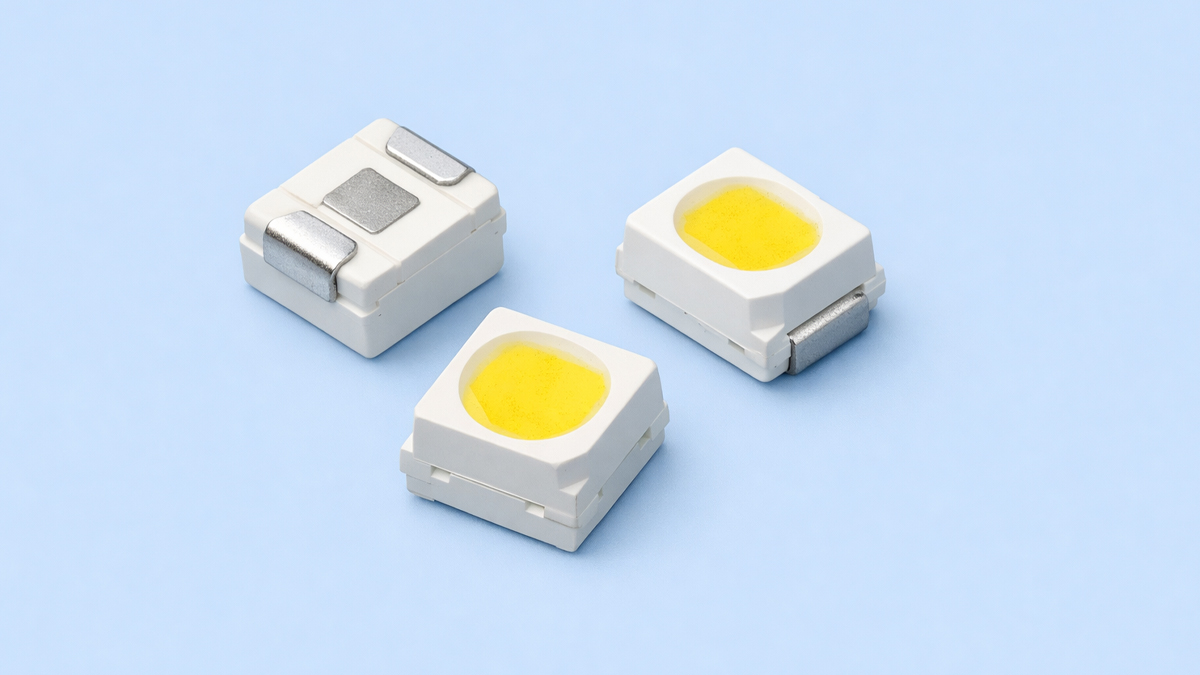
What is SMD 3528?
SMD 3528 is a type of Surface Mounted Device light emitting diode that is widely used in modern lighting systems, including cinematic electronics within the cinema industry. The term 3528 refers to the physical size of the LED chip, which measures approximately 3.5 millimeters by 2.8 millimeters. This compact size allows it to be mounted directly onto printed circuit boards, making it highly suitable for slim and flexible lighting designs.
In the context of LEDs used under cinematic electronics, SMD 3528 plays an important role in decorative lighting, accent lighting, display lighting, and indirect illumination systems found in cinema halls, screening rooms, production studios, and post production environments. These LEDs are known for their energy efficiency, uniform light distribution, and compact structure.
SMD 3528 LEDs are commonly used in LED strips, backlighting panels, signage boards, control panels, and ambient lighting systems. Because of their relatively low power consumption and moderate brightness output, they are ideal for creating subtle and controlled lighting effects, which are essential in the cinema industry where lighting precision influences visual experience.
How does SMD 3528 Work?
SMD 3528 works on the basic principle of electroluminescence. When electric current passes through a semiconductor material inside the LED chip, it excites electrons. As these electrons return to their normal energy state, they release energy in the form of visible light. This process produces illumination without generating excessive heat.
In cinematic electronics, SMD 3528 LEDs are connected to a power supply system that regulates voltage and current. The LED chip inside the SMD package is mounted on a small substrate and covered with an epoxy resin that protects the diode and helps diffuse light evenly. When voltage is applied, current flows through the anode and cathode terminals, activating the diode.
Because SMD 3528 LEDs are surface mounted, they are soldered directly onto circuit boards using automated assembly methods. This ensures precise placement and reliable electrical connections. In cinema environments, these LEDs may be integrated with dimming systems, color controllers, and programmable lighting systems. This allows lighting technicians to adjust brightness levels and create specific ambiance effects.
The efficiency of SMD 3528 comes from its solid state design. There are no filaments or gas filled chambers. This reduces energy loss and increases lifespan. In cinema halls, where lighting must operate for extended hours, such efficiency is highly beneficial.
What are the Components of SMD 3528?
An SMD 3528 LED consists of several essential components that work together to produce light effectively and safely.
LED chip: The semiconductor chip is the core component. It generates light when electrical current passes through it. The material composition of the chip determines the color of light produced, such as warm white, cool white, red, green, or blue.
Substrate or base: The chip is mounted on a small base that provides structural support and electrical connections. This base is designed to handle heat and maintain stability during operation.
Anode and cathode terminals: These are the positive and negative electrical contacts that allow current to flow through the LED. In SMD 3528, these terminals are designed for surface mounting on printed circuit boards.
Encapsulation layer: A transparent epoxy or resin coating covers the chip. This protects the LED from dust, moisture, and mechanical damage. It also helps in diffusing light for uniform illumination.
Phosphor coating: In white LEDs, a phosphor layer is used to convert blue light emitted by the chip into white light. This is especially important in cinema lighting applications where accurate color rendering is required.
Heat dissipation structure: Although SMD 3528 produces less heat compared to traditional bulbs, it still requires proper heat management. The base and board design help in transferring heat away from the chip.
In cinematic electronics, these components are carefully selected to ensure color consistency, brightness stability, and long operational life.
What are the Types of SMD 3528?
SMD 3528 LEDs are available in several types based on color, brightness, and functionality.
Single color SMD 3528: These LEDs emit a single fixed color such as white, red, green, or blue. They are commonly used for backlighting, aisle lighting in cinema halls, and decorative lighting.
White SMD 3528: These are available in warm white, natural white, and cool white variations. Warm white is often used in cinema interiors to create a comfortable and inviting atmosphere.
RGB SMD 3528: These LEDs combine red, green, and blue chips within a single package or on a strip to produce multiple colors. They are used for dynamic lighting effects in cinema lobbies and stage areas.
High density SMD 3528 strips: These strips contain a large number of LEDs per meter, providing more uniform and brighter illumination. They are useful in display panels and architectural lighting within cinema complexes.
Waterproof SMD 3528: Encased in protective silicone or resin layers, these are used in areas exposed to moisture or outdoor cinema setups.
Different types allow cinema designers and engineers to choose suitable lighting solutions depending on ambiance, brightness requirements, and design goals.
What are the Applications of SMD 3528?
SMD 3528 LEDs have a wide range of applications in the cinema industry and cinematic electronics.
Ambient lighting in cinema halls: These LEDs are installed along walls, ceilings, and seating rows to provide soft background illumination without distracting from the screen.
Aisle and step lighting: For safety purposes, SMD 3528 strips are used along stairs and walkways to guide audiences in low light conditions.
Backlighting for display boards: Cinema ticket counters and promotional boards use SMD 3528 for uniform backlighting.
Equipment panel lighting: Cinematic electronic systems such as control panels, sound mixers, and projection systems use these LEDs for indicator lights and panel illumination.
Decorative lighting in lobbies: RGB SMD 3528 LEDs create attractive visual effects in cinema entrance areas.
Home theater systems: In personal cinema setups, SMD 3528 is used in LED strips behind screens and speakers to enhance visual appeal.
Studio lighting accents: Production studios use them for background lighting and set decoration.
These applications highlight the versatility of SMD 3528 in creating both functional and aesthetic lighting environments.
What is the Role of SMD 3528 in Cinema Industry?
SMD 3528 plays a significant role in enhancing the visual and emotional experience of cinema audiences. Lighting in a cinema is not only about visibility but also about atmosphere. Proper lighting design supports storytelling and audience comfort.
In cinema halls, SMD 3528 LEDs provide subtle illumination that ensures safe movement without affecting screen visibility. Their low brightness compared to high power LEDs makes them ideal for controlled environments where excessive light can interfere with projection quality.
In cinematic electronics systems, these LEDs contribute to control panels, display systems, and equipment indicators. They ensure clear visual feedback for technicians operating sound and projection equipment.
Cinema lobbies use SMD 3528 for decorative and architectural lighting. This helps create a premium and modern look. With programmable controllers, RGB versions can change colors to match movie themes or special events.
In post production studios, SMD 3528 lighting is used for ambient backlighting that reduces eye strain during long editing sessions. Balanced lighting improves concentration and visual accuracy.
Overall, SMD 3528 supports safety, design aesthetics, equipment functionality, and audience comfort within the cinema industry.
What are the Objectives of SMD 3528?
The primary objectives of SMD 3528 LEDs in cinematic electronics include energy efficiency, consistent illumination, compact design, and long operational life.
- Energy saving: Cinema complexes require lighting systems that operate for many hours daily. SMD 3528 reduces electricity consumption compared to traditional bulbs.
- Space efficiency: Their small size allows installation in narrow spaces such as seat edges, panel corners, and display frames.
- Uniform lighting: The design ensures even light distribution, which is important for professional visual environments.
- Low heat emission: Reduced heat output helps maintain comfortable indoor conditions and protects sensitive electronic equipment.
- Cost effectiveness: Lower energy usage and long lifespan reduce maintenance and replacement costs.
These objectives align with the needs of modern cinema infrastructure, where efficiency and performance are equally important.
What are the Benefits of SMD 3528?
SMD 3528 offers multiple benefits in cinema related applications.
- Long lifespan: These LEDs can operate for tens of thousands of hours, reducing replacement frequency.
- Low power consumption: They consume less energy, lowering operational costs.
- Compact and flexible design: Suitable for flexible LED strips and slim installations.
- Consistent color output: Important for maintaining aesthetic appeal and visual harmony in cinema interiors.
- Easy integration: Compatible with dimmers and controllers for customized lighting effects.
- Environment friendly: They do not contain harmful materials such as mercury.
- Reliable performance: Stable light output over long periods enhances cinema reliability.
These benefits make SMD 3528 a practical choice in cinematic electronics.
What are the Features of SMD 3528?
SMD 3528 LEDs are characterized by several technical and functional features.
- Small physical size of 3.5 millimeters by 2.8 millimeters.
- Surface mounted design suitable for automated assembly.
- Moderate brightness output ideal for accent lighting.
- Available in multiple color temperatures and RGB options.
- Low heat generation compared to traditional lighting sources.
- Wide viewing angle for uniform light distribution.
- Compatibility with 12 volt and 24 volt systems commonly used in LED strips.
These features make SMD 3528 adaptable to different lighting requirements within cinema environments.
What are the Examples of SMD 3528?
Examples of SMD 3528 usage in the cinema industry include LED strip lighting installed under seats, illuminated stair edges in multiplex halls, backlit movie posters, and decorative ceiling patterns in cinema lobbies.
In home theaters, SMD 3528 strips are placed behind television screens to create soft backlighting. In projection rooms, small indicator lights on control panels use SMD 3528 chips for operational signals.
Cinema themed restaurants and entertainment zones within multiplex complexes also use SMD 3528 strips for ambient and decorative lighting.
These real world examples demonstrate the adaptability of this LED type in different cinematic spaces.
What is the Definition of SMD 3528?
SMD 3528 is defined as a surface mounted light emitting diode measuring 3.5 millimeters by 2.8 millimeters, designed for compact electronic applications and widely used in LED strip lighting and decorative illumination systems within cinematic electronics and the broader cinema industry.
It is a solid state lighting component that produces light through electroluminescence and is mounted directly onto printed circuit boards.
What is the Meaning of SMD 3528?
The meaning of SMD 3528 can be understood by breaking down the term.
SMD stands for Surface Mounted Device, which refers to electronic components that are mounted directly onto the surface of circuit boards rather than inserted through holes.
3528 refers to the dimensions of the LED chip package, measured in tenths of a millimeter. It indicates that the component is 3.5 millimeters long and 2.8 millimeters wide.
Together, SMD 3528 represents a specific size and format of LED designed for efficient, compact, and versatile lighting applications.
What is the Future of SMD 3528?
The future of SMD 3528 in cinematic electronics is closely linked to advancements in LED technology and smart lighting systems.
Although higher power LED types are emerging for brighter applications, SMD 3528 will continue to be relevant for ambient and decorative lighting. Improved manufacturing techniques may enhance brightness and efficiency without increasing size.
Integration with smart control systems will allow more dynamic lighting experiences in cinemas. Automated color changing systems, energy monitoring solutions, and intelligent dimming controls will expand its functionality.
Sustainability trends in the cinema industry will also encourage the continued use of energy efficient LED technologies like SMD 3528. As cinemas adopt green building practices, compact and low power LEDs will remain important.
Miniaturization and improved phosphor technologies may further enhance color rendering quality, supporting better visual comfort in post production and screening environments.
Summary
- SMD 3528 is a compact surface mounted LED measuring 3.5 millimeters by 2.8 millimeters
- It works through electroluminescence using semiconductor technology
- Key components include LED chip, substrate, terminals, encapsulation, and phosphor coating
- Available in single color, white, RGB, and waterproof variants
- Widely used in ambient lighting, aisle lighting, display backlighting, and equipment panels
- Plays an important role in safety, aesthetics, and equipment functionality in cinemas
- Designed for energy efficiency, compact installation, and uniform light distribution
- Offers long lifespan, low heat output, and reliable performance
- Compatible with programmable lighting systems in modern cinematic electronics
- Expected to remain relevant in future smart and sustainable cinema lighting systems

