

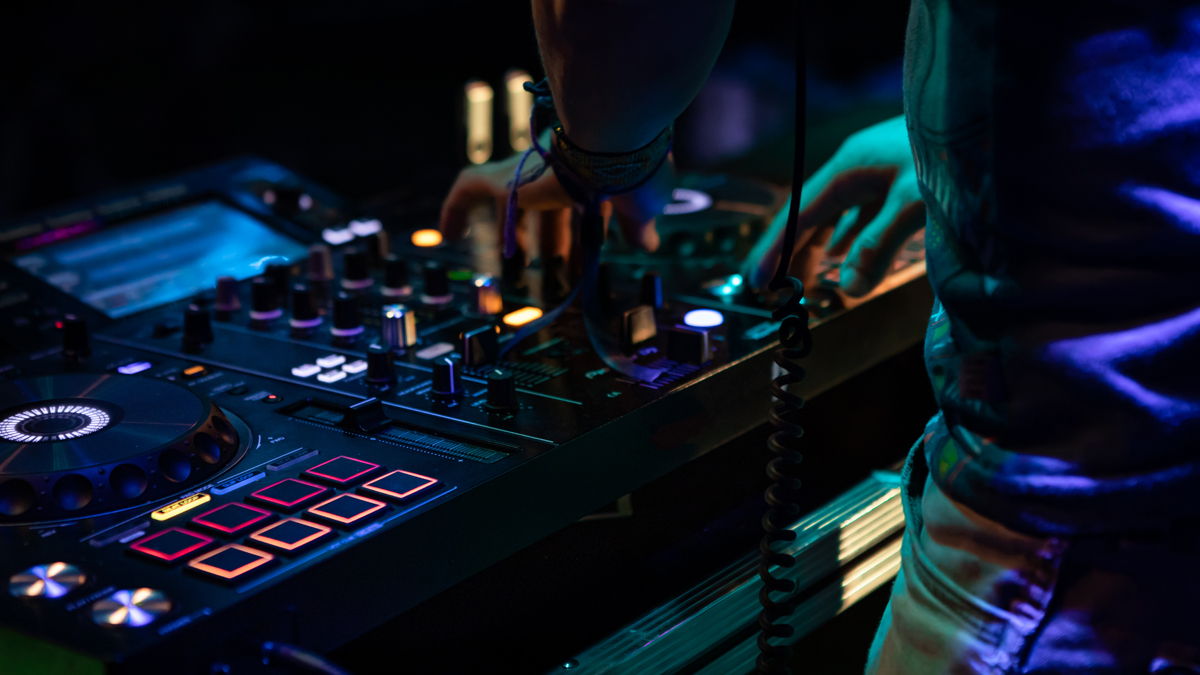
What is CDJ?
A CDJ is a professional digital music player designed specifically for disc jockeys in live performance and club environments. The term CDJ originally referred to a compact disc jockey player, but over time it has evolved into a powerful digital media player that can play music from CDs, USB drives, SD cards, and even network connections. A CDJ allows DJs to control, manipulate, and mix digital audio tracks with high precision.
In modern DJ culture, a CDJ is often paired with a DJ mixer to create seamless transitions between songs. It offers advanced features such as pitch control, looping, cue points, waveform displays, and tempo synchronization. CDJs have become a standard setup in nightclubs, music festivals, and professional studios because they combine the feel of traditional turntables with the convenience of digital technology.
The introduction of CDJs transformed DJing by replacing vinyl-only systems with digital solutions. This shift allowed DJs to carry thousands of tracks on a single USB drive instead of transporting heavy crates of vinyl records. Today, CDJs are considered an essential tool in live performance and DJing under music technologies in the music industry.
How does CDJ Work?
A CDJ works by reading digital audio files and converting them into sound signals that can be mixed and amplified. When a DJ inserts a CD or connects a USB drive, the CDJ reads the audio data stored in formats such as MP3, WAV, or AIFF. The internal processor decodes these files and prepares them for playback.
The device includes a jog wheel that allows the DJ to manually control the track. By rotating or touching the jog wheel, the DJ can scratch, nudge, or fine tune the timing of a track. The pitch fader adjusts the playback speed, enabling beat matching between two songs. Beat matching ensures that the rhythms of different tracks align smoothly.
Modern CDJs display detailed waveforms on a built in screen. These waveforms visually represent the audio signal, helping DJs identify beats, drops, and transitions. Many models also support hot cues and loops. Hot cues allow instant playback from specific points in a track. Looping enables repeating a section of music for creative mixing.
When connected to a DJ mixer, the audio output from the CDJ is sent to different channels. The DJ then blends multiple tracks using crossfaders, equalizers, and effects. Some advanced CDJs connect via network cables to share music libraries and synchronize tempo automatically across multiple units.
What are the Types of CDJ?
There are several types of CDJs available in the market, designed for different levels of experience and performance environments.
Entry Level CDJ: These models are designed for beginners and small venues. They include basic features such as pitch control, simple looping, and limited display options.
Professional Club Standard CDJ: These are high end units used in major clubs and festivals. They offer large touch screens, advanced waveform displays, multiple cue points, and network connectivity. They are considered industry standards in many performance spaces.
All in One DJ Systems: These combine CDJs and a mixer into a single unit. They are suitable for mobile DJs and home setups, offering portability and convenience.
Controller Style CDJ: Some CDJs function as standalone players or as controllers for DJ software. They connect to laptops and allow integration with digital DJ platforms.
Media Player Only Units: These focus purely on playing digital files without integrated mixing capabilities, designed to be paired with external mixers.
Each type serves specific needs depending on the DJ’s experience, performance setting, and budget.
What are the Applications of CDJ?
CDJs are widely used across various areas of the music industry and entertainment sector.
Nightclubs and Festivals: CDJs are the standard equipment in clubs and large music festivals. They allow DJs to perform seamless live sets with high reliability.
Radio Stations: Many radio DJs use CDJs for mixing tracks during live broadcasts.
Recording Studios: Producers use CDJs to preview and test mixes in professional studio environments.
Mobile DJ Services: Wedding DJs and event DJs rely on portable CDJ setups for corporate events and private functions.
Music Education: Training institutes use CDJs to teach aspiring DJs the fundamentals of beat matching, mixing, and live performance.
Streaming and Online Performances: Many DJs use CDJs during live streaming sessions to ensure professional sound quality.
The versatility of CDJs makes them valuable across different music related fields.
What is the Role of CDJ in Music Industry?
The CDJ plays a significant role in shaping modern DJ culture and electronic music performance. It bridges the gap between traditional vinyl DJing and digital music production. By enabling access to large digital libraries, CDJs have expanded creative possibilities for DJs worldwide.
CDJs support consistent performance standards in professional venues. Because many clubs use standardized CDJ models, touring DJs can perform anywhere with minimal adjustments. This uniformity enhances efficiency and professionalism.
The CDJ also supports innovation in electronic dance music. DJs can experiment with looping, remixing, and layering tracks in real time. This encourages creative performance rather than simple track playback.
CDJs contribute to sustainability by reducing reliance on vinyl production and transportation. Digital storage reduces physical resource consumption and makes music distribution more efficient.
Overall, the CDJ is a central tool in live performance and DJing under music technologies in the music industry.
What are the Objectives of CDJ?
The objectives of a CDJ focus on enhancing DJ performance and improving audience experience.
Precision Control: A CDJ aims to provide accurate tempo and pitch adjustments for seamless mixing.
Creative Flexibility: It allows DJs to manipulate tracks through looping, cueing, and effects.
Reliability: Professional CDJs are designed to operate consistently in demanding live environments.
Accessibility: CDJs make DJing more accessible by allowing digital file playback instead of vinyl only systems.
Portability: They enable DJs to carry extensive music libraries in compact storage devices.
Integration: CDJs are built to integrate with mixers, sound systems, and DJ software platforms.
These objectives support both artistic expression and technical efficiency.
What are the Benefits of CDJ?
The CDJ offers many advantages for DJs and the music industry.
Convenience: DJs can store thousands of songs on a single USB drive, reducing physical storage needs.
Consistency: Digital playback reduces issues such as skipping and wear that are common with vinyl records.
Enhanced Performance Tools: Features such as waveform displays and beat sync improve accuracy.
Durability: CDJs are built for heavy professional use and withstand frequent transport.
Creative Possibilities: Looping and cueing enable live remixing and dynamic performances.
Compatibility: CDJs work with various audio formats and DJ software systems.
These benefits have made CDJs a preferred choice in professional DJ environments.
What are the Features of CDJ?
Modern CDJs include a wide range of advanced features that enhance performance.
High Resolution Displays: Touch screens show waveforms, track information, and library browsing.
Jog Wheel Sensitivity: Adjustable jog wheels simulate vinyl feel for scratching and pitch bending.
Multiple Cue Points: DJs can set and trigger several hot cues within a track.
Loop Controls: Auto loop and manual loop functions allow precise repetition of music sections.
Beat Sync Technology: Synchronizes tempo between connected CDJs.
USB and Network Support: Allows music sharing across multiple units.
Digital Effects Integration: Some CDJs include built in effects or integrate with external processors.
Quantize Function: Ensures cues and loops align perfectly with the beat grid.
These features support creative and technical control during live performances.
What are the Examples of CDJ?
Several well known models have shaped the professional DJ landscape.
Pioneer CDJ 1000: One of the first widely adopted professional CDJs that introduced features such as a large jog wheel and cue points.
Pioneer CDJ 2000: A club standard model with USB support and advanced waveform display.
Pioneer CDJ 3000: A modern high performance media player with powerful processing and high resolution touch screen.
Denon DJ SC6000: A competitive media player offering dual layer playback and advanced connectivity.
These examples demonstrate the technological evolution and innovation within the CDJ market.
What is the Definition of CDJ?
A CDJ is defined as a digital audio playback device designed for disc jockeys that allows manipulation, mixing, and performance of music tracks from digital media sources in live and studio environments.
It combines elements of traditional turntables with digital technology to provide advanced control over tempo, cue points, looping, and track management. It serves as a core instrument in professional DJ setups within the music industry.
What is the Meaning of CDJ?
The meaning of CDJ originally stood for compact disc jockey, indicating a DJ who used compact discs instead of vinyl records. Over time, the meaning expanded to represent professional digital DJ media players capable of handling various digital formats.
Today, CDJ symbolizes a standard of professional DJ equipment that merges tactile control with digital convenience. It represents innovation in music technologies and modern live performance tools.
What is the Future of CDJ?
The future of CDJ technology is closely connected to advancements in digital processing, artificial intelligence, and network integration. Future models may include smarter track analysis, improved beat detection, and enhanced synchronization features.
Cloud based music libraries are becoming more common. CDJs may increasingly integrate with streaming services and online storage systems. This would allow DJs to access vast music collections without physical storage devices.
Touch screen interfaces are likely to become more intuitive and interactive. Improved visual feedback and customizable layouts may enhance workflow efficiency.
Integration with production tools may blur the line between DJing and live music production. CDJs could include advanced performance pads, sampling capabilities, and hybrid control features.
Sustainability and durability will remain priorities. Manufacturers may focus on energy efficient designs and environmentally friendly materials.
The future of CDJ technology aims to enhance creativity, accessibility, and performance quality in the evolving music industry.
Summary
- A CDJ is a professional digital media player used in DJing and live performance.
- It reads digital audio files and allows tempo, pitch, and cue control.
- It evolved from traditional turntables but uses digital processing instead of physical vinyl.
- There are different types including entry level, club standard, and all in one systems.
- CDJs are widely used in clubs, festivals, studios, and radio stations.
- They play a major role in shaping modern electronic music culture.
- Objectives include precision, reliability, creativity, and portability.
- Benefits include convenience, durability, and enhanced performance tools.
- Features include waveform displays, hot cues, looping, and beat sync.
- The future of CDJs involves cloud integration, smart technology, and improved user interfaces.

