

What is Substrate Material?
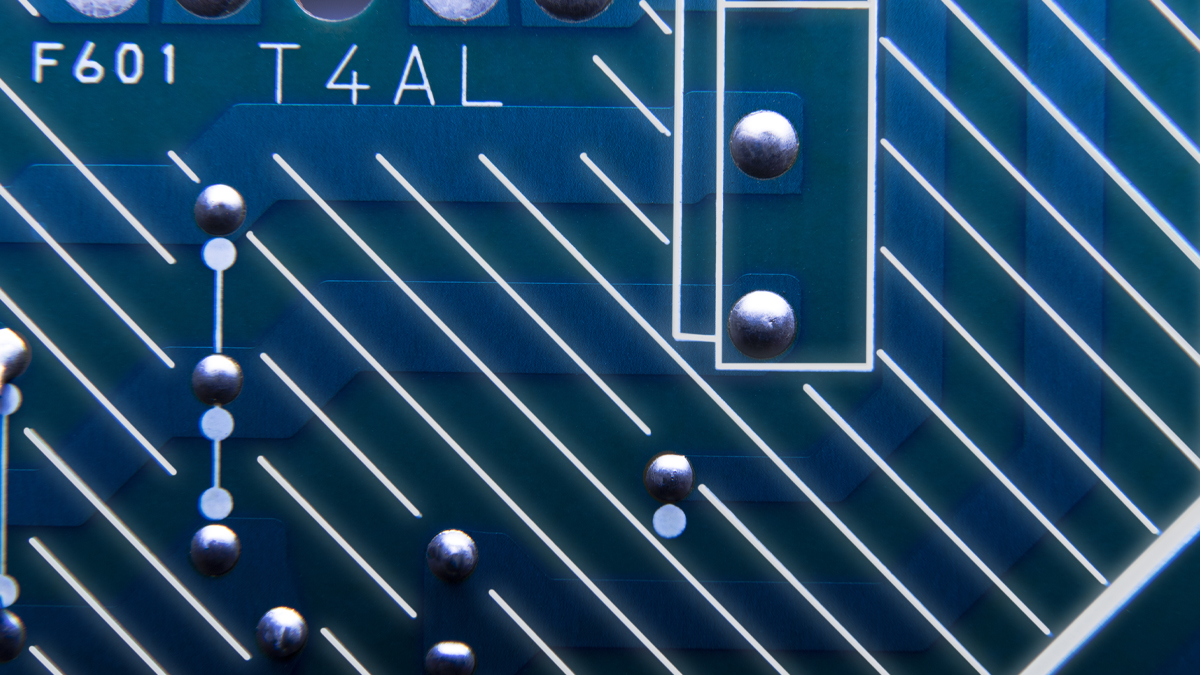
Substrate material is the insulating base of a printed circuit board that gives the board its shape, strength, and electrical separation. In a PCB, copper traces carry signals and power, but those traces need a nonconductive foundation underneath them. That foundation is the substrate. It helps hold copper layers in place, supports mounted parts, and influences how heat and electrical signals behave across the board. In most standard boards, the substrate is not a single simple sheet. It is usually a laminate system made from resin and reinforcement materials that are pressed together to create a stable dielectric structure.
In everyday PCB manufacturing, substrate material is the part of the board that designers select when they need to balance cost, rigidity, flexibility, electrical performance, thermal behavior, and reliability. FR-4 remains the most common substrate family because it is a woven glass reinforced epoxy laminate that is widely manufacturable and cost effective, while other materials such as polyimide, ceramic based laminates, and insulated metal substrates are chosen when a design needs bending, lower loss, or better heat handling.
How does Substrate Material Work?
Electrical function: Substrate material works by electrically isolating conductive copper patterns while still allowing signals to travel in a controlled way through traces, planes, and transmission paths. Its dielectric constant affects signal speed and impedance, and its dissipation factor affects how much electrical energy is lost as heat. In simple terms, the substrate does not merely sit under the circuit. It actively influences signal integrity, phase behavior, and loss, especially as frequencies rise or when a board carries sensitive analog, digital, or RF paths.
Thermal and mechanical function: Substrate material also works by handling physical stress. During soldering and normal operation, a board heats and cools many times. The substrate must resist warping, moisture related damage, delamination, and excessive expansion. Properties such as glass transition temperature, decomposition temperature, coefficient of thermal expansion, and moisture behavior determine whether the board remains reliable after thermal excursions and reflow cycles. A good substrate keeps plated holes, copper adhesion, and layer bonding stable over time.
What are the Components of Substrate Material?
Material makeup: The components of substrate material usually include a resin system, a reinforcement system, and, in some cases, fillers or performance additives. In standard FR-4 style laminates, epoxy resin acts as the matrix and woven glass fabric provides structural reinforcement. In other materials, the chemistry changes. Some low loss laminates may use hydrocarbon and ceramic elements with glass reinforcement, while flex materials often rely on polyimide film. These combinations are chosen because each part of the material contributes something different, such as stiffness, thermal resistance, low loss, dimensional control, or flexibility.
Build system: In multilayer boards, substrate related components also include prepreg or bonding films that join layers together during lamination. In flex and rigid-flex products, polyimide films, adhesives, and copper clad laminate systems work together as the board structure. It is also important to distinguish substrate from copper. Copper foil is laminated onto the substrate to form circuits, but copper itself is not the substrate. The substrate is the insulating structural body that supports the copper and keeps circuit layers separated.
What are the Types of Substrate Material?
Standard rigid materials: The most widely used type is FR-4, a glass reinforced epoxy laminate that offers a strong balance of cost, insulation, mechanical stability, and manufacturing familiarity. Higher performance FR-4 families also exist, with better thermal performance, lead-free assembly compatibility, and stronger resistance to repeated reflow stress. These materials are often selected for mainstream electronics because they are dependable and broadly supported by PCB fabricators.
Flexible and rigid-flex materials: Polyimide is a leading substrate type for flexible and rigid-flex boards. It is valued because it can bend while maintaining good electrical, chemical, and thermal performance over a wide temperature range. Flexible PCB systems built with polyimide are useful when a product needs compact internal folding, dynamic movement, or lighter interconnect structures. In advanced products, all polyimide and fluoropolymer polyimide laminate systems are used for high speed or high frequency flex designs.
High frequency and low loss materials: When a board must support RF, microwave, or other high frequency paths with tighter control over dielectric behavior and lower electrical loss, designers may choose specialized laminates such as hydrocarbon ceramic or PTFE based materials. These materials offer well controlled dielectric constant, lower loss, and, in some cases, improved thermal conductivity compared with typical standard laminates. They are especially valuable when signal precision matters more than lowest cost.
Thermal management materials: Ceramic substrates and insulated metal substrates are selected when heat is a major concern. Ceramic options are known for strong heat spreading, high insulation voltage, and temperature resistance, while metal core PCBs use a metal base, usually aluminum or copper, plus an insulating dielectric layer to move heat away from hot components more efficiently than standard FR-4 structures. These types are important in power dense designs.
Legacy and low cost materials: Some lower cost substrate families also exist, including paper based and composite epoxy materials such as CEM-1 and paper phenolic laminates. These have historically been used where cost, punching, or simpler board construction mattered more than through-hole plating flexibility or high performance electrical behavior. They are less common in advanced designs but still help illustrate how broad the substrate category is.
What are the Applications of Substrate Material?
General electronics use: Substrate material is used in almost every category of electronic hardware because every PCB needs a stable insulating base. Standard rigid laminates are common in consumer devices, computing products, industrial controls, and communication hardware. Flexible and rigid-flex materials are used when space is tight or when interconnects need to bend. Low loss laminates appear in RF and high speed designs, while ceramic and metal core options are used for thermally demanding circuits. In other words, the application of substrate material changes with the electrical, thermal, and mechanical demands of the product.
Board level purpose: At the board level, substrate material is applied anywhere a design needs insulation, structural support, controlled dielectric behavior, and manufacturing compatibility. It appears in single sided boards, double sided boards, multilayer boards, flex circuits, rigid-flex assemblies, RF modules, power boards, and compact mixed signal systems. The same basic idea remains constant, but the exact material changes according to whether the priority is low price, low loss, high temperature survival, dimensional control, or heat dissipation.
What is the Role of Substrate Material in Music Industry?
Audio quality support: In the music industry, substrate material plays a quiet but essential role inside electronic products such as audio amplifiers, mixers, synthesizers, audio interfaces, effect pedals, wireless microphone systems, digital stage equipment, and control surfaces. Music electronics often combine sensitive analog audio paths with digital control or processing sections. Because analog circuits are highly noise sensitive, board material and layout choices help support cleaner signal behavior, stable impedance, good grounding strategy, and reduced interference. For audio products, a poor board foundation can contribute to hum, hiss, distortion, or unstable performance.
Thermal reliability in performance gear: Many music products also contain power stages, especially amplifiers, powered speakers, stage lighting control electronics, and power supply sections in professional rack gear. These circuits produce heat, and thermal stress can alter component behavior or shorten product life. Substrate material influences how well the board handles thermal cycling, dissipates heat, and resists expansion related damage. In practical music hardware, that means the right substrate helps equipment stay dependable during long rehearsals, live shows, transport, and repeated power cycles.
Form factor and wireless performance: Modern music electronics also include compact and portable devices such as foldable controllers, wearable systems, in-ear monitoring hardware, battery powered pedals, and wireless audio links. Flexible polyimide materials support compact packaging where boards or interconnects must bend. Low loss materials can be useful in RF or wireless sections where controlled dielectric behavior matters. As music equipment becomes smaller, smarter, and more connected, substrate choice becomes more important.
What are the Objectives of Substrate Material?
Primary objectives: The main objectives of substrate material are to provide electrical insulation, mechanical support, dimensional stability, and a controlled platform for copper circuitry. A suitable substrate must let the board be fabricated accurately, assembled safely, and operated reliably. It should support trace adhesion, plated hole integrity, soldering survival, and signal control while remaining compatible with the cost and complexity targets of the product.
Design objectives in practice: In advanced PCB work, substrate objectives expand to include low electrical loss, predictable dielectric constant, reduced thermal expansion, better heat flow, moisture resistance, and compatibility with lead-free processes. In music electronics, those objectives become especially relevant because the board may need to preserve delicate analog audio, tolerate transport vibration, survive repeated stage use, and fit into compact enclosures without sacrificing reliability.
What are the Benefits of Substrate Material?
Performance benefits: A well chosen substrate material improves overall board performance by helping maintain insulation, supporting controlled impedance, limiting electrical loss, and keeping mechanical dimensions stable. It also helps the board survive soldering, thermal cycles, and long-term use. These benefits are not abstract. They directly affect whether a PCB remains quiet, accurate, and reliable in real equipment. Better substrate selection can reduce signal degradation, minimize failure risk, and support more repeatable manufacturing outcomes.
Product level benefits: For music electronics, the benefits show up as cleaner audio paths, better durability, improved heat handling in amplifier or power sections, and stronger confidence that a device will behave the same way on stage, in a studio, or in portable use. Polyimide enables compact flexible construction, metal core and ceramic options improve thermal behavior, and high reliability FR-4 families improve assembly robustness and long-term service life. Each benefit ties back to the requirements of the final product.
What are the Features of Substrate Material?
Electrical and thermal features: Important features of substrate material include dielectric constant, dissipation factor, dielectric strength, thermal conductivity, glass transition temperature, decomposition temperature, and coefficient of thermal expansion. These features determine how signals travel, how much energy is lost, how heat moves, and how the board behaves during soldering or operation. Materials with tighter dielectric control and lower loss are preferred for precision and high frequency work, while materials with stronger thermal properties are chosen for heat intensive designs.
Mechanical and environmental features: Substrate materials also differ in flexibility, stiffness, moisture response, dimensional control, chemical resistance, flame behavior, and compatibility with fabrication processes. FR-4 is valued for broad manufacturability, polyimide for flexibility and thermal endurance, ceramic for heat spreading and temperature resistance, and insulated metal substrate systems for efficient heat dissipation with mechanical stability. These features explain why no single substrate is perfect for every board. The right feature set depends on the intended application.
What are the Examples of Substrate Material?
Common examples: Examples of substrate material include FR-4 glass epoxy laminate, high Tg FR-4 systems, polyimide film based flex laminates, hydrocarbon ceramic low loss laminates, PTFE based RF laminates, ceramic substrates, insulated metal substrates, CEM-1 composites, and paper phenolic materials. These examples show the wide range of choices available to PCB designers, from economical rigid boards to specialized structures for heat, frequency, or flexibility.
Music electronics examples: In a music industry context, FR-4 is a practical example for mixers, audio interfaces, control boards, and many pedals because it balances cost and performance. Polyimide is a fitting example for compact foldable or space constrained internal interconnects. Low loss laminates are logical examples for wireless audio and RF related sections. Ceramic or metal core options are useful examples for power dense audio electronics where extra thermal support is needed. The exact material depends on the product, but these examples match the real technical demands found across modern music equipment.
What is the Definition of Substrate Material?
Substrate material is the dielectric structural base used in a printed circuit board to support conductive layers, electrically isolate circuits, and provide the mechanical, thermal, and dimensional foundation required for reliable electronic operation.
What is the Meaning of Substrate Material?
The meaning of substrate material is the base board material on which the entire PCB is built. It is the part that holds the circuit together physically while keeping electricity flowing only where the copper pattern is intended to carry it. In simple terms, substrate material is the backbone and insulator of the PCB.
What is the Future of Substrate Material?
Technology direction: The future of substrate material is moving toward higher reliability, lower loss, better thermal management, and more design flexibility. Product development across the electronics industry shows growing emphasis on lead-free assembly compatibility, repeated reflow survival, improved signal integrity, fine pitch support, and stronger performance in flexible, rigid-flex, and high speed structures. This suggests that future substrate systems will continue to become more specialized as electronics grow denser and more demanding.
Music industry outlook: For music electronics, future substrate use will likely support smaller portable gear, smarter digital audio hardware, cleaner mixed signal performance, stronger wireless connectivity, and better thermal reliability in compact enclosures. As musicians and audio engineers expect quieter systems, lighter products, and more integrated control surfaces, substrate materials will need to help deliver stable electrical behavior without adding unnecessary size or weight. Flexible polyimide systems, improved FR-4 families, and advanced low loss or thermally enhanced materials are well aligned with that direction.
Summary
- Substrate material is the insulating and structural base of a PCB, and it supports copper circuitry while controlling electrical separation and board stability.
- It affects signal behavior, impedance, heat flow, soldering survival, and long-term reliability, so it plays an active role in PCB performance.
- Common substrate types include FR-4, polyimide, low loss RF laminates, ceramic substrates, insulated metal substrates, and some legacy paper based or composite materials.
- FR-4 is widely used because it offers a strong balance of cost, insulation, and manufacturability.
- Polyimide is important for flexible and rigid-flex PCB designs, especially where compact form factors are needed.
- Ceramic and insulated metal substrate options are valuable when heat dissipation and temperature resistance are critical.
- In music electronics, substrate material helps support low noise audio performance, thermal reliability, compact construction, and stable operation in amplifiers, mixers, interfaces, pedals, and wireless systems.
- The future of substrate material points toward better thermal control, lower electrical loss, stronger lead-free reliability, and more advanced flexible and high density PCB solutions.

