

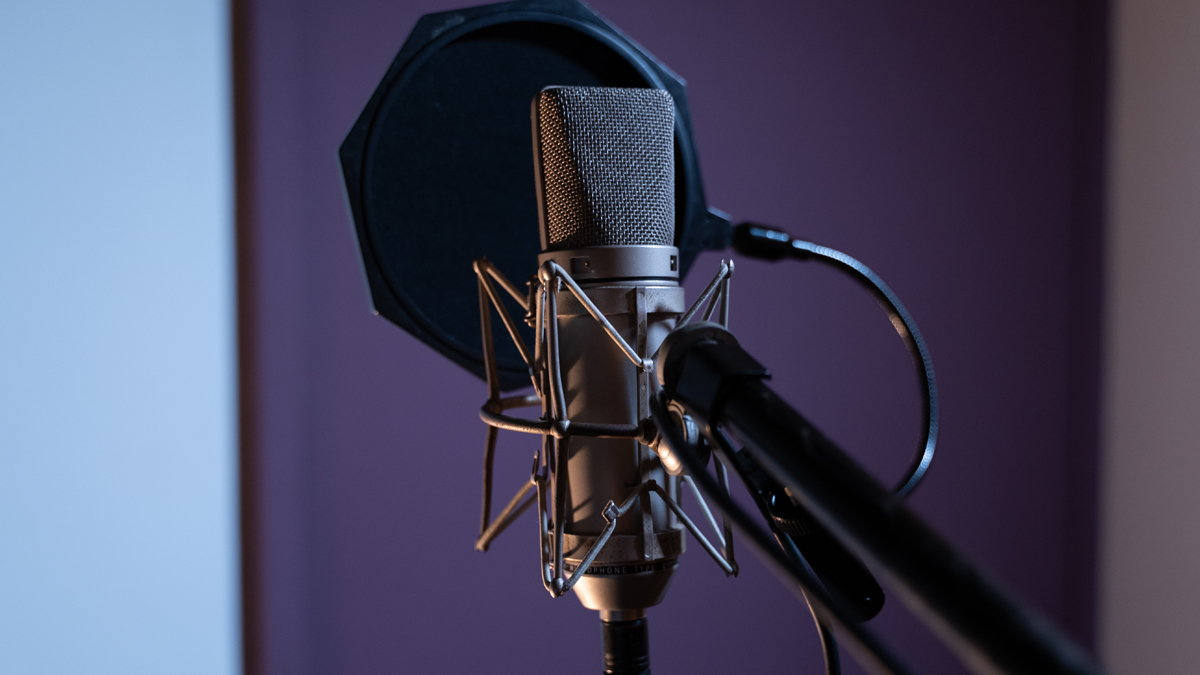
What is Dynamic Microphone?
A dynamic microphone is a type of microphone that converts sound waves into electrical signals by using electromagnetic induction. It is one of the most widely used microphones in the world of audio, live performance, broadcasting, recording, and public speaking. In simple terms, it captures sound by moving a lightweight diaphragm that is attached to a coil of wire inside a magnetic field. When the diaphragm vibrates because of sound, the coil also moves, and this motion creates an electrical signal that represents the original sound.
Dynamic microphones are especially known for their strength, reliability, and practicality. They are often chosen for situations where the microphone must handle loud sound sources, rough handling, or changing environmental conditions. Singers on stage, drummers in live concerts, guitar amplifier users, and sound engineers often depend on dynamic microphones because they are durable and can perform well without requiring external power.
In the broader category of microphones under music electronics in the music industry, the dynamic microphone holds a very important place. It is a basic yet powerful tool for capturing sound in a clear, controlled, and dependable way. While other microphones may offer greater sensitivity or finer detail in some studio environments, dynamic microphones remain essential because they are versatile, affordable, and effective in many practical applications.
How does Dynamic Microphone Work?
A dynamic microphone works through the principle of electromagnetic induction. This process begins when sound waves travel through the air and reach the microphone. These sound waves strike a thin diaphragm located near the front of the microphone. The diaphragm is designed to move in response to changes in air pressure created by sound.
Attached to this diaphragm is a small coil of wire, sometimes called a voice coil. This coil is positioned within the magnetic field of a permanent magnet inside the microphone. As the diaphragm vibrates, the coil also moves back and forth within the magnetic field. According to the principle of electromagnetic induction, when a conductor moves through a magnetic field, it generates an electrical current. In the case of the dynamic microphone, this movement creates a small electrical signal.
That signal is an audio signal that corresponds to the sound entering the microphone. A quiet sound produces a smaller signal, while a louder sound creates a stronger signal. The electrical signal then travels through the microphone cable to a mixer, audio interface, amplifier, recorder, or sound system. Once processed, it can be amplified, recorded, or transmitted.
One of the reasons dynamic microphones are so valued is that this method of sound conversion is simple and robust. It does not require an external power source such as phantom power, which is often needed for condenser microphones. Because of their mechanical simplicity, dynamic microphones can withstand loud sound pressure levels and are less sensitive to moisture, dust, and handling noise than many other microphone types.
What are the Components of Dynamic Microphone?
A dynamic microphone consists of several important parts that work together to capture and convert sound into an electrical signal.
Diaphragm: The diaphragm is a thin membrane that reacts to sound waves. When sound pressure reaches the diaphragm, it vibrates according to the pattern of the incoming sound. It is one of the most critical parts of the microphone because it begins the sound conversion process.
Voice coil: The voice coil is attached to the diaphragm. As the diaphragm moves, the coil moves with it. This coil is usually made of very fine wire and plays a direct role in generating the electrical signal.
Magnet: The permanent magnet creates the magnetic field in which the voice coil moves. Without this magnetic field, electromagnetic induction would not occur. The magnet is a central part of the microphone’s operating system.
Pole pieces and magnetic structure: These internal components help direct and shape the magnetic field so that the movement of the coil produces an efficient and accurate signal. They support the overall performance and sensitivity of the microphone.
Grille: The grille is the protective outer mesh at the top of the microphone. It shields the diaphragm and internal parts from physical impact, dust, and moisture. It also helps reduce damage from breath and plosive sounds in vocal use.
Windscreen or internal foam: Many dynamic microphones include internal foam beneath the grille. This material helps reduce wind noise, breath noise, and popping sounds caused by certain spoken or sung consonants.
Body or housing: The body holds all the components together and provides structural strength. Dynamic microphones often have metal housings because they are designed to survive frequent transport and stage use.
Output connector: Most dynamic microphones use an XLR connector. This connector allows the microphone to send balanced audio signals through a cable to professional sound equipment.
Shock mounting elements: Some designs include internal mechanical supports to reduce unwanted vibrations and handling noise. These help improve clarity when the microphone is held by hand or mounted on a stand.
Each of these components contributes to the microphone’s durability, sound quality, and reliability. Even though the design is relatively simple compared to some other microphone types, every part has a clear and important purpose.
What are the Types of Dynamic Microphone?
Dynamic microphones are commonly divided into two major types based on how they create the electrical signal.
Moving coil dynamic microphone: This is the most common type of dynamic microphone. It uses a diaphragm attached to a coil of wire that moves within a magnetic field. This type is widely used for live vocals, drums, guitar amplifiers, speeches, and general stage applications. It is the microphone type most people mean when they refer to a dynamic microphone.
Ribbon microphone: Ribbon microphones are also considered dynamic microphones because they use electromagnetic induction. However, instead of a coil attached to a diaphragm, they use a very thin metal ribbon suspended within a magnetic field. When sound waves move the ribbon, it generates an electrical signal. Ribbon microphones are known for their smooth, natural sound and are often used in studio recording for instruments, room sound, and certain vocal styles. Traditional ribbon microphones are more delicate than moving coil microphones, although modern ribbon designs are often more durable.
Dynamic microphones can also be classified by their directional pickup patterns.
Cardioid dynamic microphone: This pattern picks up sound mainly from the front and rejects much of the sound from the sides and rear. It is very popular in live sound because it helps reduce feedback and isolates the desired source.
Supercardioid and hypercardioid dynamic microphone: These patterns are more focused than cardioid and provide stronger side rejection. They are useful in loud stage environments where extra isolation is needed.
Omnidirectional dynamic microphone: This pattern picks up sound from all directions. It is less common in live stage work but can be useful in certain interview, ambient, or group speaking situations.
Bidirectional ribbon microphone: Many ribbon microphones naturally capture sound from the front and rear while rejecting sound from the sides. This is often useful in studio applications.
These variations allow users to choose a dynamic microphone that best fits the source, space, and intended use.
What are the Applications of Dynamic Microphone?
Dynamic microphones are used in many different areas of sound production and audio communication. Their flexibility makes them useful in both professional and everyday settings.
Live vocal performance: Singers frequently use dynamic microphones on stage because they can handle loud voices, reduce feedback, and withstand physical movement and travel.
Instrument miking: Dynamic microphones are often used on drums, guitar amplifiers, bass amplifiers, percussion, brass instruments, and other loud sound sources. Their ability to handle high sound pressure levels makes them ideal for these tasks.
Public speaking: Dynamic microphones are common in conferences, speeches, classrooms, political events, and religious gatherings because they are clear, dependable, and easy to manage.
Broadcasting and podcasting: Many radio stations, streaming creators, and podcasters use dynamic microphones because they reject room noise better than highly sensitive microphones in untreated environments.
Studio recording: Although condenser microphones are often associated with studio work, dynamic microphones are still important in studios for recording snare drums, toms, guitar cabinets, loud vocals, and spoken word.
Field reporting: Reporters and interviewers often use handheld dynamic microphones because they are rugged and perform well outdoors or in crowded environments.
Rehearsal spaces: Bands and music groups frequently use dynamic microphones in practice rooms because they are affordable, durable, and resistant to accidental damage.
Installed sound systems: Dynamic microphones are often found in permanent setups such as auditoriums, houses of worship, community halls, and event venues.
These applications show that the dynamic microphone is not limited to one specific role. It serves as a general-purpose audio tool that adapts to many sound environments.
What is the Role of Dynamic Microphone in Music Industry?
In the music industry, the dynamic microphone plays a central role in both live and recorded sound. It is one of the most practical tools for capturing vocals and instruments in real world conditions where sound levels, movement, and environmental noise must be managed effectively.
For live performance, dynamic microphones are almost indispensable. Singers need microphones that are durable, easy to handle, and resistant to feedback. Sound engineers need microphones that can isolate the performer’s voice and survive the demands of touring, setup, teardown, and transport. Dynamic microphones meet these needs extremely well. They have become standard equipment for concerts, festivals, clubs, rehearsal studios, and event production.
For instrument recording and reinforcement, dynamic microphones are essential because many musical sources are loud and energetic. Snare drums, toms, kick drums, electric guitar cabinets, bass cabinets, and brass instruments can produce strong sound pressure. Dynamic microphones can capture these sources cleanly without being overloaded. This makes them valuable in both live mixing and studio recording.
The dynamic microphone also supports accessibility in the music industry. Because many models are affordable, beginners, schools, local venues, worship teams, and independent musicians can access quality sound tools without high cost. This helps people enter music production, performance, and audio engineering with dependable equipment.
In professional studios, dynamic microphones remain important even when more sensitive microphones are available. Engineers often choose them for their focused pickup, tonal character, and ability to control harshness or excessive room sound. Some famous recordings in music history have relied heavily on dynamic microphones for vocals, drums, and amplifiers.
Overall, the dynamic microphone serves as a bridge between artistic performance and technical sound reproduction. It helps performers be heard, helps engineers shape sound, and helps audiences experience music with clarity and impact.
What are the Objectives of Dynamic Microphone?
The objectives of a dynamic microphone can be understood in terms of what it is designed to achieve in practical audio work.
Sound capture: The first objective is to convert acoustic energy into electrical energy accurately enough for amplification, recording, or transmission.
Durability: A dynamic microphone is built to remain functional under frequent use, transport, and physical handling. This makes it suitable for demanding environments.
High sound handling: Another objective is to capture loud sound sources without distortion or damage. This is especially important in music and live performance.
Noise control: Many dynamic microphones are designed to focus on the intended source and reduce unwanted background sound, especially when using directional pickup patterns.
Ease of use: Dynamic microphones aim to provide reliable operation without complex setup requirements. Most do not need external power, which simplifies their use.
Affordability: An important objective is to offer practical and effective sound capture at a cost that is accessible to a wide range of users.
Versatility: Dynamic microphones are intended to serve multiple uses, including vocals, instruments, speaking, broadcasting, and rehearsal.
Consistency: They are expected to provide stable performance in different environments, whether indoors, outdoors, on stage, or in a studio.
These objectives explain why the dynamic microphone remains one of the most successful and widely used microphone technologies in the audio world.
What are the Benefits of Dynamic Microphone?
Dynamic microphones offer many benefits that make them popular across the music industry and beyond.
One major benefit is rugged construction. Dynamic microphones are known for being physically strong. They can often survive drops, transport, and repeated stage use much better than more delicate microphone types.
Another important benefit is their ability to handle high sound pressure levels. This means they can capture loud singers, drums, amplifiers, and percussion instruments without easily distorting.
They also perform well in noisy environments. Because many dynamic microphones have directional pickup patterns and lower sensitivity than condensers, they can help reduce the capture of room noise, audience sound, and stage bleed.
A further benefit is that they do not usually require external power. This makes setup easier and reduces compatibility concerns in basic audio systems.
Dynamic microphones are also cost effective. Many excellent models are available at reasonable prices, making them suitable for beginners as well as professionals.
They are practical for live performance because they help manage feedback better in many situations. Their focused pickup and controlled sensitivity make them easier to use on loud stages.
Maintenance is another area where dynamic microphones have an advantage. They generally require less care and are less affected by humidity and environmental changes than more sensitive designs.
Finally, they provide a familiar and proven sound character. For many applications, especially live vocals and close miking of instruments, their tonal response is trusted by performers and engineers around the world.
What are the Features of Dynamic Microphone?
Dynamic microphones are recognized by a combination of technical and practical features.
Electromagnetic induction design: Their core operating method is based on coil movement within a magnetic field.
No external power requirement: Most moving coil dynamic microphones work without batteries or phantom power.
Strong physical construction: Metal bodies, protective grilles, and solid internal assembly make them suitable for heavy use.
Good feedback resistance: Many dynamic microphones, especially cardioid models, work well in stage sound systems where feedback control is important.
Focused pickup options: They are available in cardioid, supercardioid, hypercardioid, omnidirectional, and bidirectional forms depending on model and design.
High sound pressure tolerance: They can capture loud instruments and voices effectively.
Moderate sensitivity: Compared to condenser microphones, dynamic microphones usually have lower sensitivity, which can be useful in loud or untreated spaces.
Reliable performance: They work consistently in a wide range of conditions.
Portability: Their solid design and practical size make them easy to carry, mount, and use in different settings.
Wide compatibility: Most dynamic microphones connect easily to mixers, audio interfaces, stage boxes, and recording equipment.
These features explain why the dynamic microphone remains one of the most dependable audio tools in music electronics.
What are the Examples of Dynamic Microphone?
There are many well known examples of dynamic microphones used in music, speech, and broadcasting.
Shure SM58: This is one of the most famous live vocal microphones in the world. It is widely used for singing, public speaking, and stage performance because of its dependable cardioid pattern and durable design.
Shure SM57: This microphone is commonly used for snare drums, guitar amplifiers, brass instruments, and speeches. It is also popular in studios and live sound systems.
Sennheiser e835: This is a respected handheld dynamic vocal microphone known for clear sound and good feedback rejection.
Sennheiser MD421: This microphone is often used on tom drums, guitar cabinets, bass cabinets, and broadcast voice. It is valued for its versatility and strong sound.
Electro Voice RE20: This is a broadcast and recording dynamic microphone known for smooth voice reproduction and reduced proximity effect. It is widely used in radio studios and podcasting.
Electro Voice RE320: This model is used for both voice and instruments, especially kick drum and broadcasting applications.
Beyerdynamic M88: This dynamic microphone is known for detailed sound and strong output, making it useful for vocals, bass instruments, and kick drum.
Rode PodMic: This microphone is a modern example designed for podcasting and spoken word in content creation environments.
Royer R 121: This is a ribbon microphone, which belongs to the dynamic category. It is widely used in studios for guitar cabinets, brass, and room capture.
These examples show that dynamic microphones serve many roles, from concert stages to radio booths to professional recording rooms.
What is the Definition of Dynamic Microphone?
The definition of a dynamic microphone is a microphone that converts sound waves into electrical signals through electromagnetic induction, usually by moving a coil attached to a diaphragm within a magnetic field or by moving a conductive ribbon within that field.
This definition highlights the essential principle behind the technology. It identifies the dynamic microphone not by its shape or application, but by the method through which it transforms acoustic energy into an audio signal. The defining feature is motion within a magnetic field that creates electricity corresponding to the incoming sound.
What is the Meaning of Dynamic Microphone?
The meaning of dynamic microphone goes beyond a technical description. It refers to a practical, dependable, and widely used sound capture device that is valued for strength, simplicity, and real-world performance.
In everyday audio language, when people talk about a dynamic microphone, they usually mean a microphone that is tough, stage ready, and effective for close sound pickup. It is often associated with live singers, drum kits, amplified instruments, speeches, and broadcasts in spaces where control and reliability matter.
In educational terms, the meaning of dynamic microphone can also be understood as a foundation technology in audio engineering. It teaches how sound can be turned into electricity through physical movement and magnetism. In industry terms, it means a microphone type that has earned trust through long term use in professional and non-professional settings alike.
What is the Future of Dynamic Microphone?
The future of the dynamic microphone remains strong because its core advantages are timeless. Durability, ease of use, feedback resistance, and affordability will continue to make it relevant in live music, broadcasting, education, and content creation.
One area of future growth is improved design refinement. Manufacturers are developing dynamic microphones with better internal shock control, improved clarity, stronger off axis rejection, and more application specific tuning. This means future models may offer even better performance while keeping the same reliable operating principle.
Another trend is the growth of podcasting, streaming, online teaching, and home content production. Dynamic microphones are well suited to these uses because they can help reduce room noise in untreated spaces. As more creators build home recording setups, dynamic microphones will likely remain a popular first choice.
Hybrid product development may also shape the future. Some companies are combining classic dynamic microphone concepts with modern materials, internal electronics, digital connectivity options, and smarter acoustic design. This can improve output level, reduce noise, and expand convenience without changing the basic value of the microphone.
In the music industry, live performance will continue to depend heavily on dynamic microphones. Concerts, tours, worship events, public functions, and rehearsal spaces need equipment that can survive transport and repeated use. That need is unlikely to disappear.
The future of ribbon microphones, which are part of the dynamic family, also looks promising. Modern manufacturing techniques are making them more reliable and more accessible, which may increase their use in both professional and project studios.
Overall, the future of the dynamic microphone is not based on replacing old technology, but on improving a proven technology so that it continues to meet modern audio needs.
Summary
- A dynamic microphone converts sound into an electrical signal through electromagnetic induction.
- It usually works by moving a diaphragm and attached coil within a magnetic field.
- It is one of the most widely used microphone types in music electronics and the music industry.
- Dynamic microphones are valued for durability, affordability, and dependable performance.
- They are especially useful for live vocals, drums, guitar amplifiers, speeches, and broadcasting.
- Main components include the diaphragm, voice coil, magnet, grille, housing, and output connector.
- The two main dynamic microphone types are moving coil microphones and ribbon microphones.
- Common pickup patterns include cardioid, supercardioid, hypercardioid, omnidirectional, and bidirectional forms.
- They can handle high sound pressure levels and often work well in loud environments.
- Most dynamic microphones do not require external power.
- Their role in the music industry is essential for live sound, rehearsal, touring, recording, and sound reinforcement.
- Their objectives include accurate sound capture, durability, noise control, versatility, and ease of use.
- Their benefits include strong build quality, good feedback resistance, reduced room noise pickup, and cost effectiveness.
- Their features make them practical for both beginners and professionals.
- Popular examples include the Shure SM58, Shure SM57, Sennheiser MD421, Electro Voice RE20, and various ribbon microphones.
- The definition of a dynamic microphone is based on sound conversion through motion in a magnetic field.
- The meaning of a dynamic microphone includes not only its technical function but also its practical importance in real world audio work.
- The future of the dynamic microphone remains bright because live performance, broadcasting, and content creation continue to need reliable and robust microphones.

