

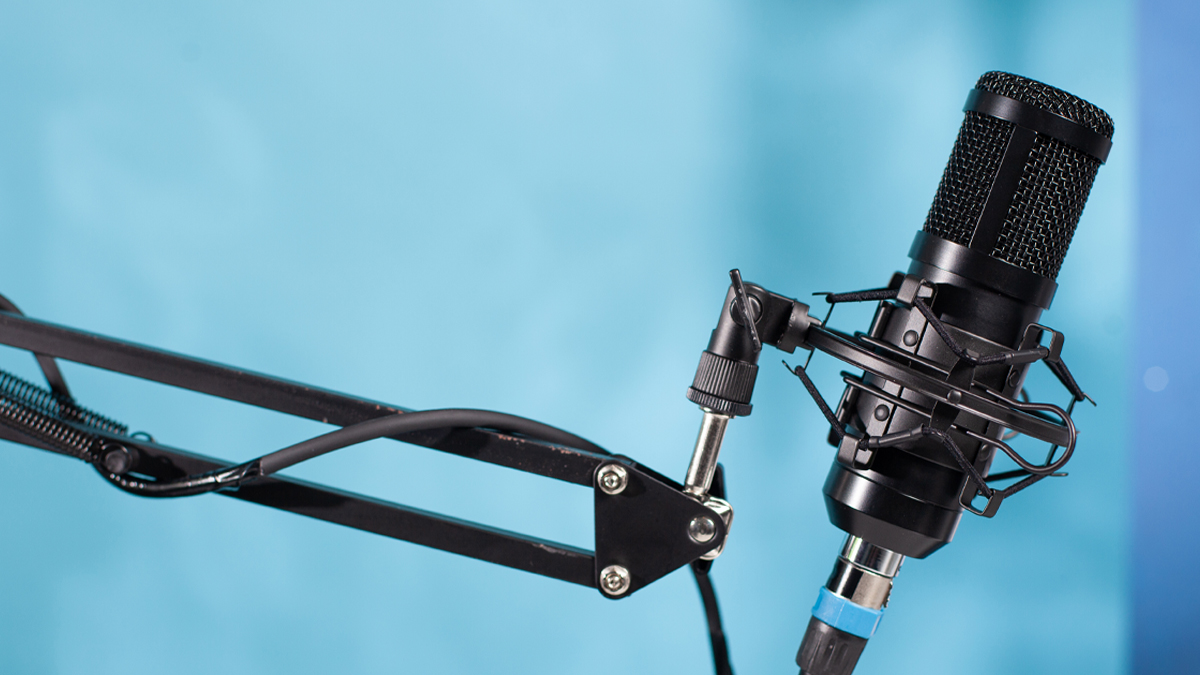
What is Condenser Microphone?
A condenser microphone is a highly sensitive audio transducer that converts sound waves into electrical signals with excellent detail, clarity, and frequency response. It is widely used in the music industry because it can capture subtle tonal variations, delicate vocal textures, room ambience, and fine instrumental nuances better than many other microphone types. The term condenser comes from an older name for a capacitor, which is the core principle behind how this microphone works.
In simple terms, a condenser microphone listens very closely to sound. When a singer performs softly, when an acoustic guitar string resonates gently, or when a piano note fades into the room, a condenser microphone can capture these small details with impressive accuracy. This makes it a preferred choice in recording studios, podcast setups, broadcast environments, film production, and professional music sessions.
Sensitivity: A condenser microphone is more sensitive than many other microphones, which means it can pick up quieter sounds and more sonic detail.
Sound quality: It is known for a clean, open, bright, and natural sound character, especially in studio environments.
Professional use: Because of its detailed sound reproduction, it is commonly used for vocals, acoustic instruments, overhead drum recording, choirs, strings, and studio narration.
A condenser microphone is especially valued where precision matters. In music production, engineers often choose it when they want the audience to hear breath, texture, resonance, and space in a recording. It is not just a tool for making sound louder. It is a tool for preserving the character of the original sound source.
How does Condenser Microphone Work?
A condenser microphone works through electrostatic principles. Its main operating system is based on a capacitor, which consists of two plates placed very close together. One plate is the diaphragm, which is a very thin and lightweight membrane, and the other is a fixed backplate. When sound waves strike the diaphragm, it vibrates in response to the changing air pressure.
Diaphragm movement: As sound reaches the microphone, the diaphragm moves slightly back and forth according to the sound wave pattern.
Capacitance change: Because the distance between the diaphragm and the backplate changes during vibration, the capacitance between them also changes.
Electrical signal creation: These capacitance changes are converted into an electrical audio signal that matches the original sound.
Power requirement: A condenser microphone needs electrical power to operate its internal electronics. This power usually comes from phantom power, batteries, or external power supplies.
The signal created by the diaphragm is very small, so the microphone includes an internal impedance conversion circuit or preamplifier section that strengthens and stabilizes the signal for practical use. This is one of the reasons condenser microphones require power, unlike many passive dynamic microphones.
Phantom power: In professional audio systems, condenser microphones often receive 48 volt phantom power from mixers, audio interfaces, or preamps through an XLR cable.
Internal electronics: These electronics help convert the fragile high impedance signal into a usable low impedance output that can travel through cables with less noise and signal loss.
Accuracy: Because the diaphragm is extremely light, it can react quickly to sound changes, allowing the microphone to capture high frequencies and transient details very effectively.
For example, when a vocalist sings, the diaphragm responds to every breath, consonant, and tonal shift. When a cymbal is struck, the microphone captures its shimmer and decay. When an acoustic guitar is recorded, the microphone can reproduce finger movement, body resonance, and string articulation with notable realism. This working principle is what gives the condenser microphone its reputation for precision and detail.
What are the Components of Condenser Microphone?
A condenser microphone is made up of several essential components that work together to capture and process sound accurately. Each part plays a specific role in transforming acoustic energy into an electrical output.
Diaphragm: The diaphragm is the thin membrane that vibrates when sound waves hit it. It is one of the most important parts of the microphone because its movement directly affects the quality and sensitivity of the recorded sound.
Backplate: The backplate sits behind the diaphragm and forms the second plate of the capacitor system. The relationship between the diaphragm and backplate is central to the microphone’s operation.
Capsule: The capsule is the assembly that contains the diaphragm and backplate. It is often considered the heart of the condenser microphone because it determines much of the microphone’s tonal character and performance.
Housing: The body or housing protects the internal components from physical damage and environmental interference. It also contributes to the microphone’s durability and handling.
Grille: The grille covers the top portion of the microphone and protects the capsule while allowing sound to enter. It also helps reduce some plosive air movement and physical contact.
Electronic circuit: The internal circuit converts the capsule’s high impedance signal into a more stable output. This circuit requires power and is necessary for efficient signal transmission.
Output connector: Most professional condenser microphones use an XLR output connector. Some consumer and digital models may use USB or other formats.
Shock mounting system: Some condenser microphones include internal shock isolation to reduce handling noise and mechanical vibration.
Pad switch: Many models have a pad switch that reduces input sensitivity so the microphone can handle louder sound sources such as drums, guitar amplifiers, or brass instruments.
High pass filter: Some microphones include a built in high pass filter to reduce low frequency rumble, footstep noise, air conditioning noise, and proximity effect.
Polar pattern controls: Advanced condenser microphones may allow users to switch between cardioid, omnidirectional, figure eight, or multiple polar patterns.
The quality of these components influences the overall performance of the microphone. A well designed capsule improves detail and tonal balance. A strong housing adds durability. A good internal circuit reduces noise and improves signal integrity. Together, these elements make the condenser microphone an advanced and reliable tool for professional audio capture.
What are the Types of Condenser Microphone?
Condenser microphones come in several types, each designed for different recording needs, sound sources, and studio situations. Understanding these types helps users choose the right microphone for the right application.
Large diaphragm condenser microphone: This type has a bigger diaphragm and is popular for studio vocals, voiceovers, podcasts, and many solo instruments. It is often chosen for its warm tone, full body, and flattering vocal response.
Small diaphragm condenser microphone: This type has a smaller diaphragm and is known for accuracy, speed, and consistent off axis response. It is commonly used for acoustic guitar, piano, strings, cymbals, orchestral recording, and stereo microphone techniques.
Cardioid condenser microphone: This microphone mainly captures sound from the front while rejecting much of the sound from the sides and rear. It is useful for isolating a sound source in a studio or live setting.
Omnidirectional condenser microphone: This microphone captures sound from all directions. It is useful for room recording, choirs, ensemble performances, and natural ambient sound capture.
Figure eight condenser microphone: This type captures sound from the front and rear while rejecting the sides. It is often used in duet recording, stereo techniques, and mid side recording.
Multi pattern condenser microphone: This microphone allows the user to switch between different polar patterns. It offers greater flexibility in studio sessions and can adapt to different recording situations.
Tube condenser microphone: This microphone uses a vacuum tube in its electronics, often producing a rich, smooth, and vintage style sound. It is highly valued in some vocal and instrument recording applications.
FET condenser microphone: This microphone uses solid state electronics, often resulting in a clean, detailed, and modern sound with reliability and lower maintenance.
USB condenser microphone: This type includes a built in digital interface and connects directly to a computer. It is widely used for home studios, online content creation, podcasting, and voice recording.
Shotgun condenser microphone: This is a directional condenser microphone designed to capture sound from a focused area. It is often used in film, television, location audio, and broadcasting.
Each type serves a different purpose. A large diaphragm model may be ideal for studio singing, while a small diaphragm model may be better for recording acoustic instruments with accuracy. A multi pattern microphone offers flexibility, while a USB version provides convenience for beginners and creators working without external interfaces.
What are the Applications of Condenser Microphone?
Condenser microphones have a wide range of applications because of their clarity, sensitivity, and ability to reproduce detailed sound. They are used across music production, broadcasting, education, media, and sound design.
Studio vocal recording: One of the most common applications is recording lead vocals and backing vocals. Condenser microphones capture voice detail, breath control, tonal color, and dynamic expression very effectively.
Acoustic instrument recording: They are excellent for acoustic guitar, violin, cello, piano, harp, flute, and other instruments where natural detail is important.
Drum overheads: Small diaphragm or specialized condenser microphones are often placed above drum kits to capture cymbals, stereo image, and overall kit detail.
Choir and ensemble recording: Because condenser microphones can capture a broad frequency range and spatial detail, they are suitable for choirs, orchestras, and group performances.
Podcasting and voiceovers: Many podcasters, narrators, and voice artists use condenser microphones because they provide clear and articulate speech reproduction.
Broadcasting: Radio studios and media production houses use condenser microphones for clear spoken word transmission and professional voice presentation.
Film and television: Shotgun condenser microphones are commonly used in production sound and location dialogue recording.
Field recording: Nature recording, ambient sound capture, and documentary work often use condenser microphones because they can capture subtle environmental textures.
Online teaching and streaming: USB condenser microphones are widely used for webinars, lectures, remote teaching, and live streaming.
Music education: In training institutions and music schools, condenser microphones are used for recording practice sessions, performances, and technical studies.
These applications show that condenser microphones are not limited to one environment. They are useful anywhere sound quality, detail, and precision matter. From a professional recording studio to a home content creation setup, condenser microphones remain one of the most versatile tools in audio technology.
What is the Role of Condenser Microphone in Music Industry?
The condenser microphone plays a major role in the music industry because it helps capture performances with high fidelity and artistic accuracy. It is one of the most important tools in recording, production, broadcasting, and audio archiving.
Recording accuracy: In professional music production, accuracy is essential. Artists and producers want the microphone to capture the real tone, expression, and emotion of a performance. A condenser microphone supports this goal by reproducing subtle detail.
Studio standard: Many studio recording sessions depend on condenser microphones for vocals, piano, acoustic guitar, strings, and room ambience. They are often considered standard equipment in professional studios.
Creative shaping: Different condenser microphones offer different tonal colors. Producers use them creatively to shape the final sound of a recording. One microphone may sound bright and airy, while another may sound warm and smooth.
Preserving performance nuance: The emotional quality of a singer, the resonance of an acoustic guitar, or the spatial realism of a room can be preserved more effectively with a condenser microphone.
Supporting music genres: Pop, classical, jazz, folk, film music, and acoustic styles often rely heavily on condenser microphones because these genres benefit from detail and tonal realism.
Improving production quality: High quality source recording makes mixing and mastering easier. When the microphone captures sound clearly at the beginning, the final production often sounds more polished and professional.
Archival value: Condenser microphones also help preserve music performances for future listening, study, and historical documentation.
In the music industry, a microphone is more than a recording device. It is a bridge between performance and playback. The condenser microphone helps that bridge remain faithful to the original sound. It captures not only notes and words, but also atmosphere, texture, and emotion. That is why it remains central to modern music production.
What are the Objectives of Condenser Microphone?
The objectives of a condenser microphone go beyond simply picking up sound. It is designed to achieve a set of performance goals that support professional and accurate audio capture.
To capture fine detail: One main objective is to record subtle elements of sound, including breath, articulation, harmonics, room reflections, and transient response.
To provide high sensitivity: A condenser microphone is intended to respond effectively to quiet sounds and delicate performances that might be missed by less sensitive microphone types.
To reproduce a wide frequency range: Another objective is to capture both low and high frequencies with clarity so the recorded sound feels full and natural.
To maintain tonal accuracy: Condenser microphones are designed to reproduce the original character of the source with minimal coloration, depending on the model and intended sound signature.
To support professional recording: They are built to meet the demands of studio work, broadcast applications, film production, and critical listening environments.
To offer flexibility: Many condenser microphones include multiple patterns, pads, and filters so that they can be used in varied situations.
To improve speech intelligibility: In voice recording, one objective is to produce clear and understandable speech with good presence and articulation.
To enhance musical realism: In instrument recording, the goal is to preserve the natural tone, dynamics, and spatial qualities of the performance.
To support modern content creation: Contemporary condenser microphones, especially USB models, are also designed to help creators produce professional quality content from home or small studios.
These objectives explain why condenser microphones are so valuable in audio work. They are not designed only for volume capture. They are designed for precision, realism, flexibility, and expressive sound reproduction.
What are the Benefits of Condenser Microphone?
Condenser microphones offer many benefits that make them highly desirable in professional and semi professional audio environments. Their strengths are especially noticeable when sound quality and detail are the highest priorities.
High sensitivity: They can capture subtle vocal inflections, light instrument attacks, and ambient room details.
Excellent clarity: Condenser microphones are often praised for their crisp and transparent sound reproduction.
Wide frequency response: They can reproduce a broad range of frequencies, which helps recordings sound more complete and realistic.
Fast transient response: Because the diaphragm is lightweight, the microphone responds quickly to sudden sound changes such as pick attacks, percussion hits, and consonants in speech.
Professional studio performance: They are trusted in recording studios for vocals, acoustic instruments, orchestras, and sound design.
Versatility: With different diaphragm sizes, polar patterns, and design types available, there is a condenser microphone for many recording tasks.
Better detail for mixing: Detailed recordings provide engineers with more information to work with during editing, mixing, and mastering.
Enhanced vocal presentation: Many singers and voice artists prefer condenser microphones because they often present vocals with richness, intimacy, and presence.
Useful for home studios: With the growth of content creation and home recording, condenser microphones have become more accessible and practical for independent users.
Creative options: Different models give different sonic characters, allowing producers to choose the right microphone for artistic effect.
These benefits make condenser microphones especially useful when the goal is not just to record sound, but to capture a polished and expressive performance. For users who want realism, brightness, depth, and precision, condenser microphones provide clear advantages.
What are the Features of Condenser Microphone?
Condenser microphones have several important features that distinguish them from other microphone types and make them suitable for critical audio work.
Sensitive diaphragm: A thin diaphragm allows the microphone to respond to small changes in air pressure with high precision.
Capacitor based design: The operating principle is based on capacitance change between the diaphragm and backplate.
Power requirement: Most condenser microphones require phantom power, batteries, or dedicated power supplies.
Wide frequency response: They typically handle a broad audio spectrum and capture more detail in the upper frequencies.
Low mass moving system: Because the diaphragm is lightweight, it reacts quickly to transient sound events.
Detailed sound capture: They are able to reproduce subtle tonal characteristics and ambience.
Available in many polar patterns: Cardioid, omnidirectional, figure eight, and multi pattern options are common.
Professional connectivity: Most studio models use balanced XLR connections, while consumer models may use USB.
Built in controls: Some models include pads, filters, pattern switches, gain controls, headphone monitoring, or digital features.
Compact and studio ready designs: Small diaphragm models are often compact and easy to place, while large diaphragm models are designed for studio presentation and vocal work.
Strong compatibility: They can be used with audio interfaces, mixers, preamps, studio monitors, computers, and digital workstations.
These features make the condenser microphone adaptable, technically advanced, and capable of meeting the needs of many recording situations. Its design supports both artistic performance and technical precision.
What are the Examples of Condenser Microphone?
There are many well known condenser microphones used across recording studios, live production, broadcasting, and content creation. Examples can be grouped by category to make them easier to understand.
Large diaphragm studio examples: These microphones are commonly used for lead vocals, narration, and solo instruments. They are often chosen for their rich detail and strong studio presence.
Small diaphragm examples: These are frequently used for acoustic guitar, piano, drum overheads, orchestral work, and stereo recording because of their precision and balanced response.
Tube condenser examples: These microphones are valued for a smooth and often vintage style tone in professional vocal and instrument recording.
USB condenser examples: These are popular among podcasters, streamers, educators, and home studio users because they are easy to connect and use.
Shotgun condenser examples: These microphones are often used in film sets, television shoots, interviews, and location audio recording.
In general practice, recording engineers choose examples of condenser microphones based on the source they want to record. A singer in a studio may use a large diaphragm microphone. A classical guitar session may use small diaphragm microphones. A video production crew may select a shotgun condenser microphone for dialogue capture. The exact brand or model may vary, but the underlying condenser microphone principle remains the same.
What is the Definition of Condenser Microphone?
A condenser microphone is defined as a microphone that uses electrostatic capacitance to convert sound waves into electrical signals. It contains a diaphragm and a backplate that act as the two plates of a capacitor. When sound waves move the diaphragm, the capacitance changes, and this variation is transformed into an audio signal by the microphone’s internal electronic circuit.
Technical definition: It is an active microphone that requires electrical power for polarization and signal conversion.
Functional definition: It is a sound capture device designed to reproduce audio with high sensitivity, detail, and broad frequency response.
Practical definition: It is a microphone commonly used in studio, broadcast, and professional recording environments where sound clarity and precision are important.
This definition highlights both the scientific principle and the practical purpose of the condenser microphone. It is not simply a device for hearing sound. It is a precision instrument for turning acoustic events into usable audio signals with high accuracy.
What is the Meaning of Condenser Microphone?
The meaning of condenser microphone can be understood from both language and practical use. Historically, the word condenser was used as an older term for capacitor. Therefore, a condenser microphone is essentially a capacitor microphone. The name reflects the core technology used inside the microphone capsule.
Technical meaning: It means a microphone that works through changes in electrical capacitance caused by diaphragm movement.
Practical meaning: It refers to a microphone known for clear, sensitive, and detailed sound capture.
Industry meaning: In the music industry, it often means a microphone associated with studio quality recording, especially for vocals and acoustic instruments.
Educational meaning: For beginners, the meaning of condenser microphone can be explained as a microphone that captures more fine detail than many basic microphone designs, but also requires power to operate.
So, the meaning of condenser microphone is closely connected to its operating principle, sound quality, and professional role. It represents a class of microphones designed for accurate and expressive audio recording.
What is the Future of Condenser Microphone?
The future of condenser microphone is promising because audio technology continues to evolve while the demand for high quality sound keeps growing. Music production, online broadcasting, podcasting, virtual education, streaming, and digital media all rely on clear sound capture, and condenser microphones remain important in these fields.
Improved digital integration: More condenser microphones are being developed with direct digital connectivity, onboard processing, and easier integration with computers and mobile devices.
Greater accessibility: High quality condenser microphones are becoming available to more users, including students, creators, home studio musicians, and educators.
Advanced noise control: Future designs may include better internal shielding, smarter noise reduction support, and improved resistance to environmental interference.
Compact professional designs: Manufacturers are likely to continue making smaller microphones that still provide studio level performance.
Hybrid workflows: Modern creators often work across music, video, streaming, and online teaching. Future condenser microphones will likely support multi purpose use more effectively.
Better portability: Lightweight and travel friendly condenser microphones are expected to become more common for mobile recording and location work.
Enhanced user features: More products may include built in headphone monitoring, touch controls, gain management, app connectivity, and digital signal support.
Refined capsule engineering: Continued research may improve consistency, durability, and tonal customization while preserving the natural detail that condenser microphones are known for.
Growth in immersive audio: As spatial audio and advanced recording formats become more important, condenser microphones will likely play a major role in capturing detailed and realistic sound fields.
Sustained role in music industry: Even with changing technology, professional studios will continue to depend on condenser microphones for vocals, instruments, and room capture because their core strengths remain highly relevant.
The future of condenser microphone is not just about new technology. It is also about wider use, easier access, and better performance for all kinds of audio creators. As content platforms expand and sound quality becomes more important to audiences, condenser microphones will continue to be essential tools in the modern music and media landscape.
Summary
- A condenser microphone is a sensitive and detailed audio recording device that converts sound into electrical signals through capacitance changes.
- It uses a diaphragm and backplate system, along with internal electronics, to capture accurate and expressive sound.
- It requires power, usually phantom power, battery power, or an external supply, to operate properly.
- Its major components include the diaphragm, backplate, capsule, housing, grille, electronic circuit, and output connector.
- Common types include large diaphragm, small diaphragm, cardioid, omnidirectional, figure eight, multi pattern, tube, FET, USB, and shotgun condenser microphones.
- It is widely used for studio vocals, acoustic instruments, drum overheads, podcasting, broadcasting, film sound, field recording, and online content creation.
- In the music industry, it plays a key role in capturing nuance, realism, and professional quality performances.
- Its objectives include sensitivity, tonal accuracy, detailed recording, broad frequency capture, and flexible professional use.
- Its benefits include clarity, wide frequency response, fast transient response, strong studio performance, and versatile application.
- Its features include a lightweight diaphragm, capacitor based design, power requirement, multiple polar patterns, and detailed sound capture.
- The meaning of condenser microphone is connected to the older term condenser, which refers to a capacitor.
- The future of condenser microphones includes better digital integration, wider accessibility, improved design, and continued importance in the music industry.

