

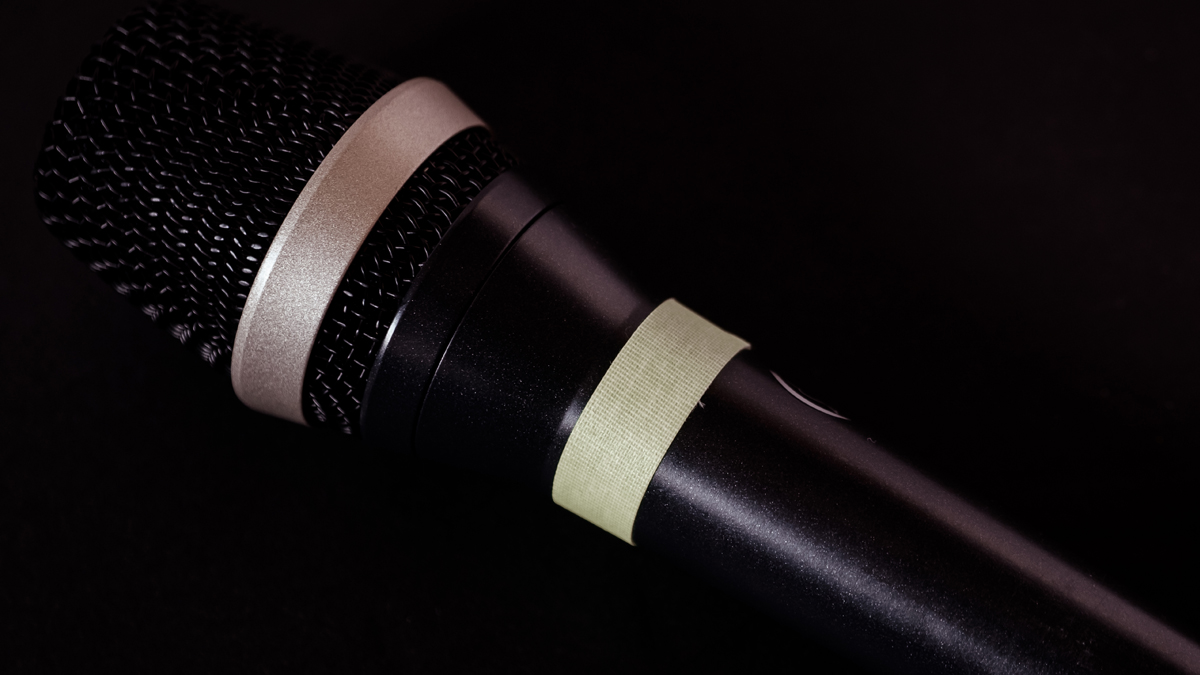
What is Ribbon Microphone?
Ribbon Microphone is a type of microphone that uses a very thin metal ribbon suspended within a magnetic field to capture sound. When sound waves reach the ribbon, the ribbon moves back and forth. This movement creates a tiny electrical signal that matches the pattern of the original sound. That signal is then amplified and processed so it can be recorded, mixed, or broadcast.
Ribbon microphones are widely respected for their smooth, natural, and warm sound character. They are often associated with vintage studio equipment, but they are still highly valued in modern recording, live sound, and broadcasting environments. Unlike some microphones that emphasize sharp high frequencies, ribbon microphones often reproduce sound in a softer and more balanced way. This makes them especially useful when an engineer wants a full, realistic, and less harsh tonal result.
In the field of music electronics, ribbon microphones occupy an important place because they combine mechanical simplicity with a unique sound signature. They are often chosen for recording guitar amplifiers, brass instruments, strings, drum overheads, room ambience, and vocals in situations where a natural tone is desired. Their ability to capture detail without sounding overly bright makes them a favorite tool for many recording professionals.
A ribbon microphone can be either passive or active. Passive ribbon microphones do not contain built in electronic amplification, while active ribbon microphones include internal circuitry that boosts the signal. Both versions are used in the music industry, depending on the needs of the studio, stage, or recording session.
How does Ribbon Microphone Work?
A ribbon microphone works through the principle of electromagnetic induction. At the center of the microphone is a very thin ribbon made from lightweight conductive metal, often aluminum. This ribbon is suspended between the poles of a magnet. When sound waves hit the ribbon, the ribbon vibrates in response to air pressure changes.
Because the ribbon is placed inside a magnetic field, its movement cuts through magnetic lines of force. This motion generates a small electrical current. The current follows the same pattern as the sound wave that caused the ribbon to move. In this way, the microphone converts acoustic energy into electrical energy.
The signal produced by the ribbon is usually very low in level. For that reason, a transformer is often used to increase the output to a more practical level. In passive ribbon microphones, the output still remains lower than many other microphone types, so a high quality preamp is often necessary. In active ribbon microphones, internal electronics help raise the signal and improve compatibility with a wider range of audio equipment.
One of the distinctive features of many ribbon microphones is their bidirectional pickup pattern, also called figure eight. This means the microphone captures sound from the front and back while rejecting much of the sound from the sides. This pickup pattern is a natural result of the ribbon design. It makes ribbon microphones very useful for stereo recording methods, duet recordings, room capture, and controlled studio setups.
The ribbon itself is extremely light, which allows it to respond quickly to sound movement. This contributes to the microphone’s ability to reproduce transient detail in a smooth and realistic way. At the same time, the ribbon design tends to produce a more gentle high frequency response compared to many condenser microphones. This is one reason why ribbon microphones are often described as smooth, warm, and natural.
What are the Components of Ribbon Microphone?
A ribbon microphone contains several important parts that work together to capture sound accurately. The most essential component is the ribbon element itself. This is a very thin strip of metal, usually corrugated to improve flexibility and durability. The ribbon is the part that directly reacts to sound waves, and its design strongly affects the microphone’s tone and sensitivity.
Another major component is the magnet assembly. Strong magnets create the magnetic field in which the ribbon moves. The interaction between the moving ribbon and this magnetic field is what produces the electrical signal. The strength and quality of the magnet system influence output level, sensitivity, and overall performance.
The transformer is also a key part in many ribbon microphones. Since the ribbon produces a very weak signal, the transformer helps increase the voltage to a usable level. It also plays a role in impedance matching between the microphone and the input stage of audio equipment. The transformer can affect tonal character as well, especially in passive ribbon designs.
The grille and housing protect the ribbon from physical damage and air blasts. Because the ribbon is delicate, the outer body must shield it from strong wind, rough handling, and sudden pressure changes. The shape and construction of the grille can also influence how sound reaches the ribbon.
In active ribbon microphones, internal electronics are included as an additional component. These electronics usually require phantom power and help provide stronger output, improved signal consistency, and easier connection to standard microphone preamps.
Other structural parts include the ribbon clamps or supports, internal frame, connector pins, shock absorption materials, and acoustic damping elements. All of these contribute to the reliability, stability, and sonic quality of the microphone. Although the ribbon microphone may appear simple from the outside, its internal design requires careful engineering and precision manufacturing.
What are the Types of Ribbon Microphone?
Ribbon microphones can be divided into several types based on their design, circuitry, and intended use. One common distinction is between passive ribbon microphones and active ribbon microphones.
Passive ribbon microphones are traditional ribbon microphones that do not contain built in amplification. They rely entirely on the ribbon, magnetic structure, and transformer to create and deliver the audio signal. These microphones often require a clean and powerful external preamp because their output level can be relatively low. Many engineers appreciate passive ribbon microphones for their classic tone and straightforward design.
Active ribbon microphones include internal electronics that boost the microphone signal. These models usually require phantom power to operate. Because the output is stronger, they can be easier to use with a wide variety of mixers, interfaces, and preamps. Active ribbon microphones often provide more consistent performance across different recording chains.
Ribbon microphones can also be classified by their pickup pattern. The most common type is the bidirectional or figure eight ribbon microphone. This design captures sound from the front and rear while rejecting the sides. It is highly valued for stereo techniques and room recordings. Some ribbon microphones are engineered to provide other patterns, but figure eight remains the most iconic and widely used.
Another classification is based on physical design. Large ribbon microphones are often used in studio settings for room sound, brass, strings, and vocals. Compact ribbon microphones may be designed for close miking guitar cabinets, snare drums, or portable recording setups.
There are also vintage ribbon microphones and modern ribbon microphones. Vintage ribbon microphones are often prized for their historical significance and classic sonic character. Modern ribbon microphones benefit from improved materials, stronger magnets, better transformers, and more durable construction. These advances have made ribbon microphones more practical and reliable than many of the early models.
What are the Applications of Ribbon Microphone?
Ribbon microphones are used in many audio applications because of their natural tone and smooth frequency response. In recording studios, they are often placed in front of electric guitar amplifiers. Many engineers prefer ribbon microphones for this purpose because they can capture the body and texture of the amplifier without excessive brightness or harshness.
Ribbon microphones are also widely used for brass instruments such as trumpet, trombone, and saxophone. These instruments can produce strong and bright upper frequencies, and a ribbon microphone can tame that intensity while preserving detail and musicality. This helps the recorded sound remain full, balanced, and pleasing.
For string instruments, ribbon microphones can capture warmth and realism. Violins, cellos, and acoustic guitars often benefit from the natural response of ribbon designs. Instead of sounding overly sharp, the recording may feel more organic and dimensional.
Drum recording is another major application. Ribbon microphones can be used as overhead microphones, room microphones, or even close microphones in certain situations. Their bidirectional pickup pattern can help capture room ambience in a musically useful way. They are often chosen when a drummer or producer wants a vintage or natural drum sound rather than an aggressively bright one.
Vocals are another important use case. Not every vocalist is best suited to a ribbon microphone, but for bright or edgy voices, a ribbon model can create a smoother and more flattering result. It can help reduce harshness in the upper range while preserving intimacy and emotional detail.
Ribbon microphones are also used in radio broadcasting, podcasting, film sound, orchestral recording, and stereo recording setups. Their ability to reproduce sound in a balanced, realistic way makes them useful wherever natural tone and tonal smoothness are priorities.
What is the Role of Ribbon Microphone in Music Industry?
In the music industry, the ribbon microphone plays the role of a specialist tool for capturing sound with warmth, realism, and tonal control. While dynamic microphones are often chosen for toughness and condenser microphones are often chosen for sensitivity and detail, ribbon microphones fill an important middle space where smoothness and natural character are most valued.
Ribbon microphones help shape the sonic identity of recordings. Many classic records used ribbon microphones on vocals, horns, orchestral sections, and guitar amplifiers. As a result, the ribbon microphone became closely associated with professional studio sound and vintage recording quality. Even in modern production, engineers use ribbon microphones to achieve a timeless tone that feels less sharp and more musical.
The ribbon microphone also supports creative decision making in production and mixing. By choosing a ribbon microphone at the recording stage, engineers can reduce the need for heavy equalization later. A bright guitar amp may already sound balanced through a ribbon microphone. A brass section may sit more naturally in the mix. A vocal may need less harsh frequency correction. In this way, the ribbon microphone helps improve the quality of the raw recorded signal.
In live and studio contexts, ribbon microphones offer tonal diversity. They give producers and artists another sound option beyond the common dynamic and condenser categories. This expands artistic possibilities and allows for more precise matching between the microphone and the sound source.
The music industry values tools that can preserve authenticity while still supporting modern production needs. Ribbon microphones continue to serve that purpose by delivering a rich, elegant, and highly musical sound that remains relevant across genres and recording styles.
What are the Objectives of Ribbon Microphone?
The main objective of a ribbon microphone is to capture sound in a natural and smooth manner. It is designed to reproduce audio with realism rather than exaggeration. Many ribbon microphones aim to avoid the harshness or excessive brightness that can sometimes appear with other microphone types.
Another objective is to provide accurate transient response while maintaining tonal softness. Because the ribbon element is very light, it can react quickly to sound changes. This allows the microphone to retain detail and nuance without making the sound feel brittle or overly aggressive.
A ribbon microphone also aims to preserve the character of the sound source. Instead of strongly coloring the sound in a modern or polished direction, it often presents the source in a more organic and believable way. This is especially useful in professional recording where the true timbre of an instrument or voice matters.
Durable signal capture in controlled environments is another objective. Although ribbon microphones are traditionally delicate, modern designs seek to improve reliability while keeping the classic sound intact. Manufacturers work to strengthen the ribbon structure, improve shock resistance, and make the microphone more practical for everyday studio use.
Another important objective is directional control. The bidirectional pattern found in many ribbon microphones allows engineers to manage room interaction and source placement creatively. This supports stereo recording, ambience capture, and rejection of unwanted side noise.
In the broader sense, the objective of a ribbon microphone is to give audio professionals a refined tool for recording sound with depth, smoothness, and musical accuracy.
What are the Benefits of Ribbon Microphone?
Ribbon microphones offer many benefits that make them valuable in both classic and modern audio work. One major benefit is their warm and natural sound. They tend to reproduce instruments and voices in a way that feels balanced and realistic. This makes them useful for sources that can sound too sharp through brighter microphones.
Another benefit is their smooth high frequency response. Ribbon microphones often handle upper frequencies in a gentle way, which can reduce harshness and listening fatigue. This is especially helpful for brass instruments, distorted guitars, cymbals, and certain vocalists.
Their bidirectional pickup pattern is also beneficial. It allows engineers to record sound from the front and rear while rejecting the sides. This can be useful in duet recordings, stereo techniques, and creative room capture. It also helps shape the sense of space in a recording.
Ribbon microphones often respond well to equalization and processing because their source tone starts from a natural and balanced foundation. Engineers can shape the sound further without fighting harsh resonances as much as they might with brighter microphones.
Another benefit is tonal depth. Ribbon microphones often capture low midrange richness and body in a way that flatters many instruments. Guitar cabinets, strings, pianos, and room recordings can sound fuller and more dimensional.
Modern ribbon microphones also offer improved usability compared to older designs. Many models are more durable, more consistent, and easier to connect with current audio systems. Active ribbon microphones in particular can simplify gain staging and reduce problems caused by weak preamps.
Overall, the benefit of a ribbon microphone lies in its ability to deliver refined sound quality with musical smoothness and strong tonal character.
What are the Features of Ribbon Microphone?
Ribbon microphones have several distinct features that set them apart from other microphone types. One important feature is the ribbon transducer element. This thin conductive strip serves as both the diaphragm and the moving conductor, making the design unique and elegant.
Another feature is the figure eight pickup pattern that many ribbon microphones naturally produce. This pattern captures sound from the front and back while rejecting much of the side sound. It gives the microphone strong spatial character and makes it useful for advanced recording methods.
Low output level is another traditional feature, especially in passive ribbon microphones. This means they often require high gain and clean microphone preamps. In active versions, built in circuitry helps increase output and improve compatibility.
Ribbon microphones are also known for smooth top end reproduction. This feature makes them a preferred choice for bright sound sources. Rather than exaggerating sibilance, edge, or metallic sharpness, they present high frequencies in a more relaxed and natural manner.
Their transient handling is another notable feature. Ribbon microphones can respond quickly to changes in sound while still sounding soft and musical. This combination of precision and gentleness is one reason they are admired in professional studios.
A further feature is tonal realism. Ribbon microphones often produce recordings that feel open, deep, and less artificially enhanced. Many users describe the sound as natural, classic, or three dimensional.
In terms of design, ribbon microphones often include strong magnets, transformers, protective grilles, and carefully tuned acoustic structures. These features work together to maintain signal quality and safeguard the delicate ribbon element.
What are the Examples of Ribbon Microphone?
There are many well known examples of ribbon microphones used in the music industry and audio production. One famous historical example is the RCA 44BX. This microphone became an icon of broadcast and studio recording because of its rich tone and classic design. Another historic example is the RCA 77DX, which gained popularity in radio, television, and vocal recording.
Among modern ribbon microphones, the Royer R 121 is one of the most recognized models. It is widely used for guitar cabinets, brass, percussion, and studio recording because of its balanced sound and reliable performance. The AEA R84 is another respected ribbon microphone known for its natural tone and vintage inspired character.
The Coles 4038 is a classic broadcast style ribbon microphone that is also widely used in music recording. It is often chosen for drum overheads, room recording, brass, and strings because of its smooth response and strong sonic personality.
The Beyerdynamic M 160 is an important example because it differs from many other ribbon microphones by offering a hypercardioid pattern rather than the typical figure eight pattern. This makes it especially useful when more focused directionality is needed.
Other examples include the AEA R92, SE Electronics VR1, and Royer R 10. These microphones show how ribbon technology has evolved to suit modern studios, live stages, and project recording environments.
These examples demonstrate that ribbon microphones can range from historic broadcast tools to highly refined modern studio instruments.
What is the Definition of Ribbon Microphone?
Ribbon Microphone is defined as a microphone that uses a thin conductive ribbon suspended in a magnetic field to convert sound waves into electrical signals through electromagnetic induction. The ribbon acts as the moving element that responds directly to changes in air pressure caused by sound.
This definition highlights the essential technical nature of the microphone. It identifies the core mechanism, which is the movement of the ribbon inside a magnetic structure. It also explains that the microphone transforms acoustic energy into electrical energy so that sound can be amplified, recorded, or transmitted.
From an engineering perspective, the ribbon microphone belongs to the family of dynamic microphones because it relies on electromagnetic motion rather than electrostatic charge. However, in practical use and industry language, ribbon microphones are usually treated as their own distinct category because their design, sound, and application differ significantly from moving coil dynamic microphones.
What is the Meaning of Ribbon Microphone?
The meaning of Ribbon Microphone goes beyond its technical definition. In practical audio work, it means a microphone that is valued for warmth, smoothness, and natural sound reproduction. It represents a recording approach that prioritizes musicality and realism over exaggerated brightness.
For sound engineers, the meaning of a ribbon microphone often includes trust in a classic studio sound. It suggests a tool that can soften harsh sources, reveal tonal depth, and capture a sense of space in a pleasing way. In many cases, using a ribbon microphone means choosing character, balance, and authenticity.
In the history of recorded music, the ribbon microphone also symbolizes craftsmanship and tradition. It connects modern audio practice with earlier eras of broadcasting, jazz recording, orchestral capture, and classic studio engineering. Even though technology has advanced, the meaning of the ribbon microphone remains strongly tied to high quality sound and professional listening.
What is the Future of Ribbon Microphone?
The future of ribbon microphone technology appears strong because the demand for natural sound continues to grow. As digital recording becomes more precise and sometimes more revealing, many engineers and artists look for microphones that provide tonal smoothness and musical depth. Ribbon microphones answer that need very well.
Manufacturers are improving ribbon microphone durability, sensitivity, and consistency. Modern materials, better magnet structures, advanced transformers, and improved internal electronics are making ribbon microphones more reliable and easier to use. Active ribbon designs are especially likely to continue growing because they solve many gain and compatibility challenges.
The future will probably bring more hybrid designs that combine classic ribbon character with modern engineering convenience. This may include better shock protection, higher output, reduced noise, stronger resistance to air blasts, and more flexible polar patterns in specialized models.
Ribbon microphones are also likely to remain important in home studios, professional studios, live sound, and content creation. As more musicians, podcasters, and audio educators learn about microphone choice, appreciation for ribbon microphones will continue to expand. Their ability to shape tone at the source makes them highly relevant in a world where good recording technique matters as much as software processing.
At the same time, classic ribbon sound will likely remain in demand. Even as technology changes, the desire for recordings that feel human, warm, and natural will not disappear. This gives ribbon microphones a strong place in the future of the music industry and audio production.
Summary.
- Ribbon Microphone is a microphone that uses a thin metal ribbon inside a magnetic field to convert sound into an electrical signal.
- It works through electromagnetic induction as sound waves move the ribbon and generate current.
- Key components include the ribbon element, magnet assembly, transformer, protective housing, and in some models active electronic circuitry.
- Main types include passive ribbon microphones, active ribbon microphones, vintage ribbon microphones, and modern ribbon microphones.
- Ribbon microphones are widely used for guitar amplifiers, brass, strings, drums, vocals, room recording, broadcasting, and stereo techniques.
- In the music industry, they play an important role by delivering warm, natural, and smooth sound that supports high quality recording.
- Their objectives include accurate sound capture, tonal realism, directional control, and smooth handling of bright or harsh audio sources.
- Major benefits include natural tone, soft high frequency response, useful figure eight pickup pattern, and strong tonal depth.
- Common features include a ribbon transducer, smooth top end, detailed transient response, and often a bidirectional polar pattern.
- Notable examples include RCA 44BX, RCA 77DX, Royer R 121, AEA R84, Coles 4038, and Beyerdynamic M 160.
- The technical definition focuses on the ribbon moving in a magnetic field, while the broader meaning relates to musicality, warmth, and professional studio character.
- The future of ribbon microphones is promising because modern engineering is improving durability and usability while preserving the classic sound qualities that make them valuable.

