

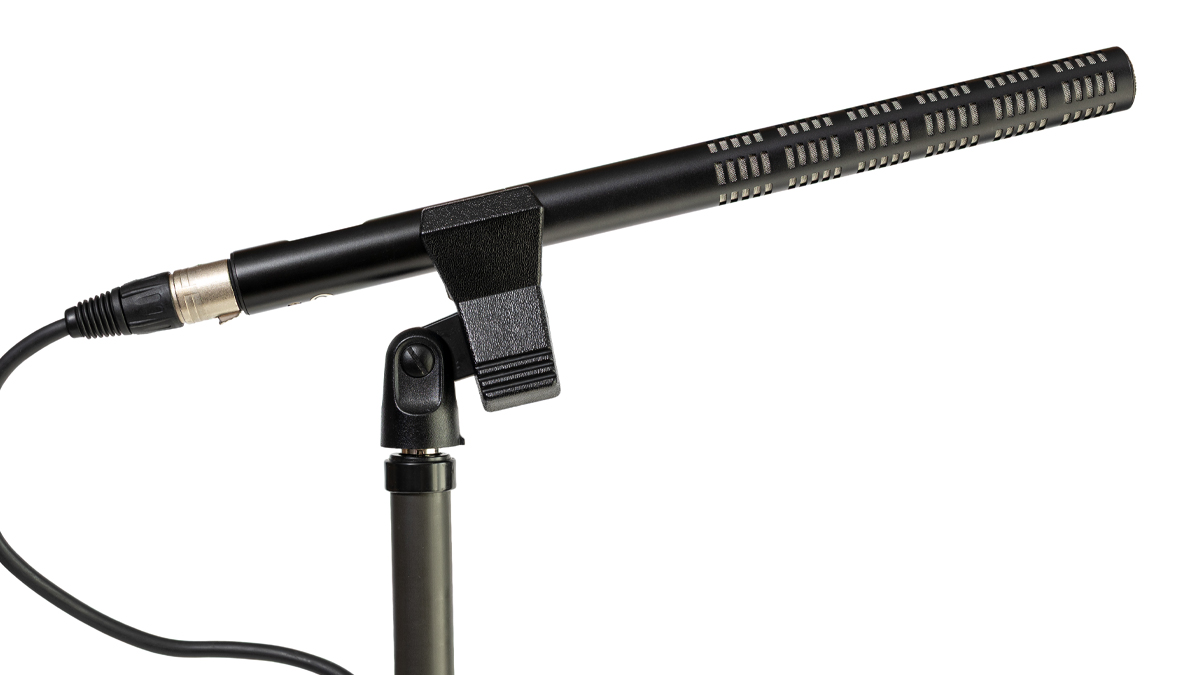
What is Tube Microphone?
A tube microphone is a type of microphone that uses a vacuum tube as part of its internal electronic circuit. It is widely respected in the music industry for its warm, rich, and smooth sound character. Unlike many modern microphones that rely only on solid state electronics, a tube microphone includes a valve-based amplification stage that shapes the audio signal in a distinctive way. Because of this design, tube microphones are often chosen when engineers and artists want recordings that sound full, detailed, and musical.
In practical use, a tube microphone captures sound waves through its capsule, converts those waves into an electrical signal, and then sends that signal through a tube circuit. This process can add gentle harmonic coloration, a pleasing sense of depth, and a natural softness in the upper frequencies. These qualities make tube microphones especially popular for studio vocals, acoustic instruments, orchestral recording, and other situations where tone and emotional character are important.
Tube microphones are usually associated with professional recording environments, although they can also be found in advanced home studios. They often require an external power supply because the vacuum tube needs special voltage to operate correctly. This extra hardware can make them more complex than other microphone types, but many users consider the tonal reward worth the effort.
In simple terms, a tube microphone is a premium microphone known for warmth, elegance, and musicality. It remains an important tool in recording because it can capture sound in a way that feels both technically strong and artistically expressive.
How does Tube Microphone Work?
A tube microphone works by transforming acoustic energy into an electrical signal and then shaping that signal through a vacuum tube circuit. The process begins at the microphone capsule, which is the part that reacts directly to sound waves in the air. In many tube microphones, this capsule is a condenser capsule, meaning it uses a thin diaphragm placed close to a backplate. When sound reaches the diaphragm, it vibrates according to the pressure changes in the air.
Signal conversion: As the diaphragm moves, the electrical relationship between the diaphragm and the backplate changes. This creates a varying electrical signal that represents the original sound. Because this signal is very delicate, it must be amplified carefully so that it can travel to recording equipment without losing detail.
Tube amplification: After the capsule generates the signal, the signal passes into the vacuum tube stage. The tube acts as an amplifier and tonal shaper. It increases the strength of the signal while also introducing subtle harmonic content. This harmonic enhancement is one of the main reasons tube microphones are admired. Instead of sounding harsh or overly clinical, the signal often becomes smoother and more rounded.
Powering system: A tube microphone usually needs an external power supply. This supply provides the electrical energy needed for the vacuum tube and other parts of the microphone circuit. Standard phantom power from an audio interface is usually not enough for traditional tube microphone operation. The external supply also often includes pattern control for microphones with multiple pickup options.
Output stage: Once the signal is amplified through the tube, it often passes through an output transformer. The transformer helps match electrical impedance and can further contribute to the microphone sound. The final signal then travels through a cable to a microphone preamp, mixer, or recording interface.
Sound character result: The combined effect of the capsule, the tube, and the transformer creates the signature tube microphone tone. This tone is often described as warm, flattering, polished, and dimensional. While the exact result depends on the microphone model and recording setup, the overall working principle remains the same. Sound is captured, converted, amplified, and colored in a musically pleasing way.
What are the Components of Tube Microphone?
A tube microphone contains several important parts that work together to capture and shape sound accurately. Each component has a specific purpose, and the quality of these parts strongly influences the final recording result.
Capsule: The capsule is the heart of the microphone. It detects sound waves and converts them into an electrical signal. In most tube microphones, the capsule is a large diaphragm condenser capsule because this type is known for capturing vocals and instruments with excellent detail and presence.
Diaphragm: The diaphragm is a very thin membrane inside the capsule. It moves when sound waves strike it. Its sensitivity, material, and tension all affect how the microphone responds to different frequencies and dynamics.
Backplate: The backplate sits behind the diaphragm and works with it to form the condenser system. As the diaphragm moves in response to sound, the electrical relationship between the diaphragm and backplate changes, generating the signal.
Vacuum tube: The vacuum tube is the defining element of a tube microphone. It amplifies the weak signal coming from the capsule and contributes a smooth, harmonically rich quality. Different tube types can create slightly different sonic flavors, which is why some engineers experiment with replacement tubes.
Transformer: Many tube microphones include an output transformer. This part helps transfer the signal efficiently and can add weight, fullness, and a classic analog tone to the sound.
Internal circuit: The internal electronics manage signal flow, amplification, and operating stability. High quality components in this circuit can improve noise performance, clarity, and reliability.
External power supply: A tube microphone usually cannot operate correctly without a dedicated power supply. This unit provides the voltages required for the tube and the capsule. In some designs, it also allows the user to select polar patterns such as cardioid, omnidirectional, or figure eight.
Microphone body and grille: The body protects the internal parts, while the grille shields the capsule and reduces damage from physical contact. The design of the body can also affect internal reflections and overall durability.
Connector and cable: Tube microphones often use special multi pin cables to connect the microphone to the external power supply. From there, a standard audio output sends the signal to recording equipment.
Shock mount and accessories: Although not always part of the microphone itself, a shock mount is commonly included. It helps reduce vibrations, handling noise, and rumble from stands or floors. Pop filters are also often used with tube microphones, especially for vocals.
What are the Types of Tube Microphone?
Tube microphones can be classified in different ways, including by polar pattern, diaphragm size, intended application, and circuit design. Understanding these types helps users choose the most suitable model for their needs.
Large diaphragm tube microphone: This is the most common type in professional studios. It is widely used for vocals, voice over work, and acoustic instruments. It tends to deliver a full and polished sound with strong presence and smooth upper frequencies.
Small diaphragm tube microphone: This type is less common but valuable for certain recording situations. It can provide precise detail and excellent transient response, making it useful for instruments such as acoustic guitar, piano, strings, and overhead drum recording.
Fixed pattern tube microphone: Some tube microphones have only one polar pattern, usually cardioid. These are simpler in design and can be a practical choice when the recording need is straightforward.
Multi pattern tube microphone: These microphones allow users to switch between different pickup patterns such as cardioid, omnidirectional, and figure eight. This flexibility makes them useful in a wide range of studio situations, from solo vocal tracking to room recording and duet performance capture.
Vintage style tube microphone: These microphones are inspired by classic models from earlier recording eras. They often aim to recreate the sound, design, and tonal personality of historic studio microphones. Many engineers value them for nostalgia and musical coloration.
Modern tube microphone: These models combine tube warmth with updated engineering. They may offer lower noise, better consistency, and more reliable manufacturing while still preserving the tube sound character.
Vocal focused tube microphone: Some models are designed primarily to flatter the human voice. They often emphasize clarity in the midrange, smoothness in the high frequencies, and pleasing depth in the lower range.
Instrument focused tube microphone: Other models are better suited for acoustic instruments, amplifiers, percussion, or orchestral recording. Their tuning may prioritize accuracy, transient handling, or tonal neutrality with a touch of warmth.
What are the Applications of Tube Microphone?
Tube microphones are used in many professional audio settings because of their ability to capture sound with richness and refinement. Their applications are broad, especially in music production and high quality recording work.
Vocal recording: One of the most common uses of a tube microphone is recording lead vocals. Singers often benefit from the smooth top end and warm midrange that a tube microphone can provide. This can help the vocal sit beautifully in a mix while still sounding intimate and expressive.
Backing vocals and choir: Tube microphones can also work well for layered vocals, harmonies, and choir recording. Their depth and detail help maintain clarity even when many voices are present.
Acoustic instruments: Instruments such as acoustic guitar, violin, cello, piano, and flute can sound especially natural through a tube microphone. The microphone can capture fine detail while also adding a pleasing softness that reduces harshness.
Room recording: In some situations, a tube microphone is used to capture the ambience of a room. This can be valuable in drum recording, orchestral sessions, and live ensemble performance where natural space is part of the sound.
Voice over and broadcast: Tube microphones are also used for narration, podcasting, and broadcast style voice work when a rich and polished vocal tone is desired. Their flattering response can make spoken word sound professional and engaging.
Orchestral and ensemble recording: In classical and cinematic production, tube microphones can help preserve the emotional and spatial qualities of a performance. They are often chosen for solo instruments, room capture, and featured sections.
Studio production: Tube microphones are common in commercial music studios because they provide a premium recording option for artists across many genres including pop, jazz, classical, soul, folk, and film music.
Special tone creation: Some engineers use tube microphones specifically because they want a certain color or mood. When a recording needs elegance, romance, vintage feel, or smooth harmonic richness, a tube microphone can be an excellent choice.
What is the Role of Tube Microphone in Music Industry?
Tube microphones play a major role in shaping the sound of recorded music. They are not simply sound capture tools. They are also artistic instruments that influence the emotional quality of a performance. In the music industry, where sound character can define a song, a voice, or an entire production style, tube microphones hold a respected place.
Studio standard for premium recordings: In many professional studios, a tube microphone is considered a premium option for important recording sessions. Lead vocals, featured solo instruments, and high end projects often rely on these microphones to achieve a refined sound.
Enhancing artist identity: Every singer and musician has a unique tone. A tube microphone can help present that identity in a flattering way. Its warm and smooth response often supports expressive performances and allows subtle emotional details to come forward.
Contribution to classic recording sound: Many famous recordings from past decades used tube microphones. Because of this history, tube microphones are associated with classic studio excellence. Their role in the industry includes preserving and continuing that tradition.
Creative tone shaping: Producers and engineers often choose microphones the same way photographers choose lenses. A tube microphone offers a particular aesthetic. It can make a vocal feel larger, closer, softer, or more luxurious. That creative control is very important in commercial music production.
Supporting genre diversity: Tube microphones are useful in many genres. In pop, they can make vocals glossy and intimate. In jazz, they can highlight warmth and realism. In classical music, they can preserve subtle dynamics. In folk and acoustic music, they can add natural beauty and presence.
Professional value and prestige: Tube microphones are often seen as premium studio assets. Owning and using them can signal a commitment to high quality recording. Their presence in a studio can also attract artists who want a more serious and polished production environment.
What are the Objectives of Tube Microphone?
The objectives of a tube microphone go beyond simply making sound louder. Its design aims to achieve several recording goals that matter in professional audio work.
High quality sound capture: A major objective is to record sound accurately while maintaining musical depth and detail. Tube microphones are built to capture subtle vocal expressions, instrumental texture, and tonal nuance.
Warm tonal character: One of the most recognized objectives is to produce a warm and pleasing sound. The tube stage helps soften harshness and create gentle harmonic richness that many listeners find attractive.
Professional studio performance: Tube microphones are designed to meet the expectations of serious recording environments. They aim to deliver strong sensitivity, reliable frequency response, and a polished final result suitable for albums, film scores, and broadcast content.
Flattering reproduction of voices and instruments: Another objective is to make the recorded source sound naturally beautiful. Rather than presenting sound in an overly sterile way, tube microphones often aim to enhance musicality without hiding important detail.
Flexible use across sessions: Many tube microphones are built to perform well on a variety of sources. This means one microphone may be used for vocals one day, acoustic guitar the next day, and room ambience on another session.
Preservation of emotional quality: Music is not only about technical accuracy. It is also about feeling. Tube microphones aim to preserve the emotional energy of a performance by capturing tone in a way that feels alive, smooth, and expressive.
Long term studio value: Many tube microphones are built with the objective of lasting for years. High quality construction, serviceable parts, and respected designs make them long term tools in professional studios.
What are the Benefits of Tube Microphone?
Tube microphones offer many benefits that explain why they remain popular even in a world filled with advanced digital recording tools. Their advantages are strongly connected to both sound quality and artistic value.
Rich and warm tone: Perhaps the most famous benefit is tonal warmth. Tube microphones often produce recordings that feel fuller and more natural, especially on vocals and acoustic instruments.
Smooth high frequencies: Some microphones can sound sharp or brittle in the top end. Tube microphones are often appreciated for smoother treble response, which can make bright voices or instruments easier to record.
Pleasant harmonic coloration: The tube circuit can add subtle harmonics that make the sound more engaging. This coloration is usually musical rather than distracting, which helps tracks feel more polished.
Excellent vocal presence: Many singers sound especially strong through a tube microphone. The voice may appear more intimate, more dimensional, and more emotionally compelling.
Professional sonic character: A good tube microphone can instantly give a recording a higher end feel. This is valuable in commercial production where quality and impression matter.
Versatility in the studio: Although many people connect tube microphones mainly with vocals, they can also be excellent on piano, strings, acoustic guitar, room ambience, and many other sources.
Reduced harshness: Tube microphones can be forgiving on sources that might otherwise sound too hard or edgy. This makes them useful when recording aggressive voices, bright instruments, or reflective spaces.
Timeless appeal: Tube microphones have a classic sound that continues to be valued across generations. Their recordings often age well because the tone feels natural and musical.
What are the Features of Tube Microphone?
Tube microphones are distinguished by several features that set them apart from other microphone categories. These features influence both their operation and their sound.
Vacuum tube circuitry: The most important feature is the use of a vacuum tube in the signal path. This gives the microphone its characteristic tonal behavior.
Condenser capsule design: Most tube microphones use condenser capsules, allowing them to capture fine detail, broad frequency range, and strong sensitivity.
External power supply unit: A typical feature of a tube microphone is a dedicated power supply. This powers the tube and other circuits while sometimes allowing control over polar patterns.
Multi pattern capability: Many professional tube microphones offer selectable pickup patterns. This makes them adaptable to solo recording, duet recording, room capture, and other studio techniques.
Transformer based output: Many designs include an output transformer, which can contribute to classic analog depth and solidity in the sound.
High sensitivity: Tube microphones are often very sensitive, allowing them to capture subtle details in voice and instrument performance.
Premium build quality: Many models are made with carefully selected components, solid metal bodies, precision capsules, and durable connectors.
Distinctive tonal personality: Unlike extremely neutral microphones, tube microphones often have an intentional sonic character. This can be one of their most desirable features because it helps shape the sound during recording.
Studio oriented design: These microphones are usually intended for controlled recording environments rather than rough live stage use. Their design often prioritizes fidelity and tone over portability or simplicity.
What are the Examples of Tube Microphone?
Several famous tube microphones are recognized throughout the music industry for their sound quality and historical importance. These examples are often referenced in discussions about premium recording equipment.
Neumann U47: This is one of the most iconic tube microphones ever made. It is widely associated with classic vocal recording and has been used on countless legendary sessions. It is admired for depth, authority, and musical richness.
Neumann U67: Another celebrated studio microphone, the U67 is known for smoothness, balance, and versatility. It is often chosen for vocals, acoustic instruments, and room recording.
AKG C12: This microphone is famous for its open top end, luxurious sound, and premium studio heritage. It is highly respected for vocal and orchestral work.
Telefunken ELA M 251: This model is often regarded as one of the most beautiful sounding tube microphones for vocals. It is valued for air, clarity, and elegance.
Sony C800G: Although it is a more modern example compared to vintage classics, this microphone became extremely popular in high end vocal recording, especially in pop and contemporary studio production.
Warm Audio WA 47 and similar modern recreations: Many contemporary brands produce microphones inspired by vintage tube designs. These models aim to bring classic tone within reach of more studios and artists.
Mojave and other boutique tube microphones: Boutique manufacturers also produce respected tube microphones designed for modern recording needs while honoring classic sonic principles.
These examples show that tube microphones exist across vintage, reissue, and modern categories. Each model has its own sonic identity, but all share the goal of delivering rich and expressive recordings.
What is the Definition of Tube Microphone?
The definition of a tube microphone is a microphone that incorporates a vacuum tube in its electronic circuitry to amplify and shape the audio signal captured by the microphone capsule. It is commonly a condenser microphone and typically requires an external power supply to operate.
From a technical perspective, the microphone converts sound waves into an electrical signal and then uses the tube stage to process that signal. From a practical perspective, it is a recording tool valued for warmth, smoothness, and harmonic richness.
This definition helps separate tube microphones from purely dynamic microphones and from solid state condenser microphones. The presence of the vacuum tube is the defining characteristic that gives the microphone both its operating needs and its sonic signature.
What is the Meaning of Tube Microphone?
The meaning of tube microphone can be understood on both technical and artistic levels. Technically, it means a microphone that uses vacuum tube technology as part of its internal signal path. Artistically, it means a microphone known for character, warmth, and classic studio tone.
For engineers, the term suggests a microphone capable of delivering refined recordings with a rich texture. For singers, it often means a microphone that feels flattering and expressive. For producers, it can mean a creative choice that helps define the sound of a project.
In broader music culture, the meaning of tube microphone is closely linked with studio excellence, analog tradition, and premium sound quality. It represents an approach to recording that values both precision and musical beauty.
What is the Future of Tube Microphone?
The future of tube microphone remains promising, even as recording technology continues to become more digital, compact, and software driven. Tube microphones occupy a special place because they offer a sound character that cannot be fully replaced by convenience alone.
Continued demand in professional studios: As long as artists and engineers value rich and emotionally engaging recordings, tube microphones will remain relevant. Their role in premium vocal and instrument capture is likely to continue.
Growth of boutique manufacturing: Many modern audio companies are building new tube microphones inspired by vintage classics. This trend suggests that interest in tube technology is not fading. Instead, it is evolving through new manufacturing methods and improved component consistency.
Hybrid workflows: Future recording environments will likely continue blending analog front ends with digital production systems. In this context, tube microphones are especially valuable because they provide analog tone at the very beginning of the signal chain.
Restoration and preservation of vintage models: Classic tube microphones are likely to remain treasured assets. Studios, collectors, and technicians will continue to repair, restore, and preserve them for future generations.
Improved accessibility: More affordable tube microphones are becoming available, allowing smaller studios and independent musicians to experience tube sound. This could expand the user base beyond elite commercial facilities.
Innovation without losing character: The future may also bring quieter circuits, better power supplies, more reliable tubes, and refined capsule designs. These improvements can help make tube microphones more practical while preserving their traditional charm.
In summary, tube microphones are not outdated technology. They are specialized tools with a unique musical value. As recording continues to seek emotional depth and sonic individuality, tube microphones are likely to remain important.
Summary
- Tube microphone is a microphone that uses a vacuum tube in its internal circuit to amplify and shape the captured sound.
- It is most often a condenser microphone and usually requires an external power supply for proper operation.
- It is known for warm tone, smooth high frequencies, and pleasing harmonic richness.
- The main parts include the capsule, diaphragm, backplate, vacuum tube, transformer, internal circuit, and power supply.
- Common types include large diaphragm, small diaphragm, fixed pattern, multi pattern, vintage style, and modern tube microphones.
- It is widely used for vocals, acoustic instruments, room recording, orchestral work, and professional studio sessions.
- In the music industry, it plays an important role in premium recording, artist tone shaping, and classic studio sound creation.
- Its objectives include accurate sound capture, warmth, musicality, flexibility, and preservation of emotional detail.
- Its benefits include professional sonic character, reduced harshness, strong vocal presence, and timeless appeal.
- Its features often include tube circuitry, condenser design, transformer output, high sensitivity, and studio oriented construction.
- Famous examples include Neumann U47, Neumann U67, AKG C12, Telefunken ELA M 251, and Sony C800G.
- The definition of tube microphone centers on its use of a vacuum tube for amplification and tonal shaping.
- The meaning of tube microphone includes both technical function and artistic value in recording.
- The future of tube microphone remains strong because musicians and engineers continue to value analog warmth and expressive sound quality.

