

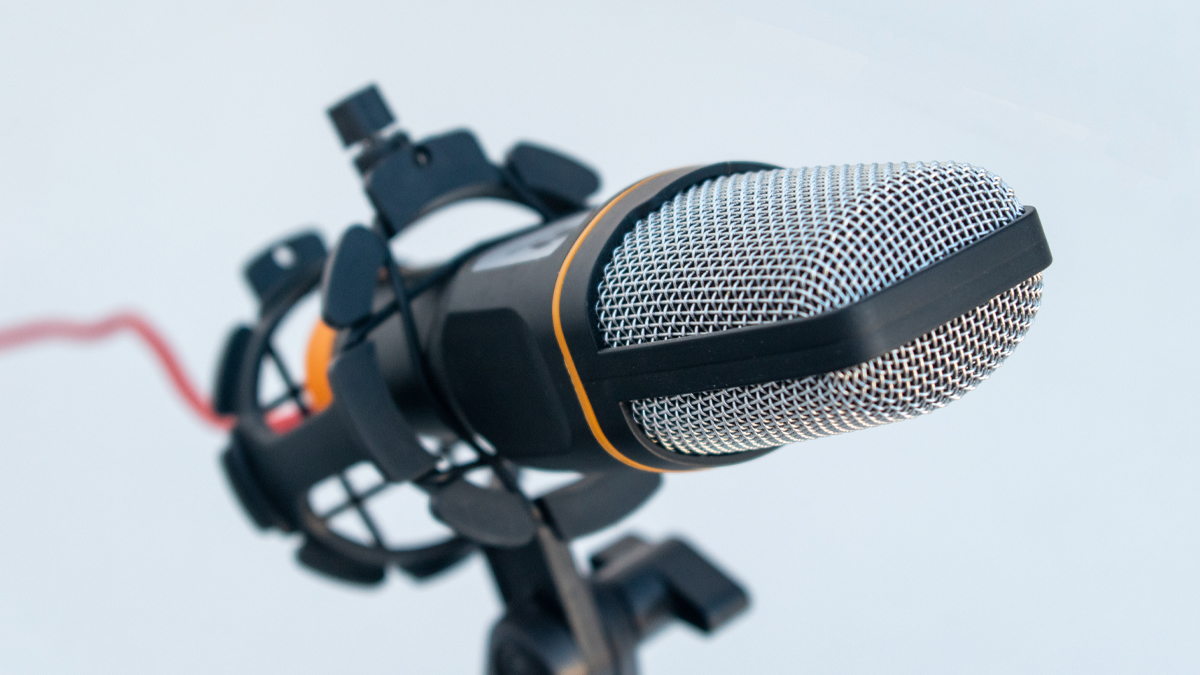
What is Electret Condenser Microphone?
An electret condenser microphone is a type of condenser microphone that uses a permanently charged material called an electret to capture sound. It belongs to the microphone family under music electronics and plays an important role in the wider music industry. Unlike traditional condenser microphones that require an external polarization voltage to charge the capsule, an electret condenser microphone already contains a built-in electrostatic charge in its diaphragm or backplate material. This design makes it simpler, smaller, more affordable, and highly practical for a wide range of audio uses.
Basic concept: An electret condenser microphone converts sound waves into electrical signals by using changes in capacitance between two conductive surfaces. One surface move when sound hits it, and this movement causes variations in the electrical field. Those variations are then turned into an audio signal that can be amplified, recorded, or transmitted.
Electret condenser microphones are popular because they offer good sensitivity, clear detail, and compact construction. They are commonly found in lavalier microphones, headset microphones, mobile devices, laptop microphones, cameras, field recorders, portable audio equipment, and many budget friendly studio products. In music applications, they are often used where a lightweight, responsive, and relatively inexpensive microphone is needed.
Practical identity: These microphones are known for balancing performance and convenience. They are often chosen when a user wants the sonic advantages of condenser technology but in a form that is easier to power and less expensive to manufacture than large traditional condenser systems.
In simple terms, an electret condenser microphone is a permanently charged condenser microphone designed to capture sound accurately and efficiently for professional, semi professional, and consumer audio purposes.
How does Electret Condenser Microphone Work?
An electret condenser microphone works by converting air pressure changes into electrical energy through electrostatic principles. Sound travels through the air in waves. When these waves reach the microphone, they strike a thin diaphragm inside the microphone capsule. This diaphragm vibrates in response to the incoming sound.
Sound entry: The diaphragm is the first active part that reacts to sound. As it moves back and forth, the distance between the diaphragm and the fixed backplate changes.
Capacitance change: The diaphragm and backplate together form a capacitor. When the distance between them changes, the capacitance changes as well. Since the electret material holds a permanent electric charge, these capacitance changes create a varying electrical signal that matches the sound wave.
Signal conversion: The signal produced at this stage is extremely weak and has high impedance. Because of this, the microphone includes a tiny internal preamplifier or impedance converter, usually based on a field effect transistor. This electronic stage makes the signal stronger and easier to use with mixers, recorders, cameras, audio interfaces, and wireless transmitters.
Power requirement: Although the electret itself carries a permanent charge, most electret condenser microphones still need some external power to run the internal electronics. This may come from plug in power, battery power, bias voltage from a wireless bodypack, USB circuitry, or phantom power through an adapter or internal design.
Output stage: After the internal electronics condition the signal, the microphone sends the audio output to the connected device. The device then amplifies, records, broadcasts, or processes that sound.
Working principle in music: Because the diaphragm is lightweight and responsive, electret condenser microphones can capture detail, transient response, and subtle tonal information very effectively. This makes them especially useful for vocals, acoustic instruments, spoken word, and live performance situations that require clarity in a compact format.
What are the Components of Electret Condenser Microphone?
An electret condenser microphone contains several important components that work together to capture and transmit sound accurately.
Diaphragm: The diaphragm is a very thin membrane that vibrates when sound waves hit it. Its movement is essential for turning acoustic energy into electrical variation.
Backplate: The backplate sits behind the diaphragm and forms the second plate of the capacitor. It remains fixed while the diaphragm moves.
Electret material: The electret is a permanently charged dielectric material. It provides the fixed electrostatic charge that allows the microphone to work without requiring the same external polarization system as a standard externally polarized condenser microphone.
Capsule housing: The capsule housing protects the diaphragm and backplate and helps determine how sound enters the microphone. Its design influences sensitivity, frequency response, and directional behavior.
Field effect transistor or internal preamp: This tiny electronic part converts the high impedance signal generated by the capsule into a usable lower impedance signal. It is vital for practical operation.
Resistors and supporting circuitry: These parts help bias the internal electronics, stabilize operation, and control signal flow.
Protective grille or mesh: The grille shields the sensitive capsule from physical damage, dust, and some wind disturbance while still allowing sound to enter.
Microphone body: The body holds the internal components together and may be designed for handheld, lavalier, gooseneck, headset, camera mounted, or built in use.
Connector or output cable: The microphone must send its signal outward, so it includes a connector such as XLR, mini jack, USB interface, or permanently attached cable depending on the application.
Power interface: Many electret microphones include a method for receiving battery power, plug in power, or other low voltage supply for their internal electronic circuit.
Acoustic ports: In directional designs, carefully placed acoustic openings help shape the polar pattern and determine whether the microphone behaves as omnidirectional, cardioid, or another pattern.
Together, these components create a complete system that allows an electret condenser microphone to offer dependable sound capture in a compact and efficient design.
What are the Types of Electret Condenser Microphone?
Electret condenser microphones can be classified in several ways, including by size, application, and pickup pattern.
Lavalier type: These are tiny clip on microphones often used for stage, interviews, presentations, and video recording. They are valued for their discreet appearance and clear voice capture.
Headset type: These microphones are attached to a headband or ear mount and keep the capsule close to the mouth. They are useful for performers, fitness instructors, broadcasters, and stage speakers.
Handheld type: Some handheld vocal microphones use electret condenser capsules. They provide clarity and detail for singing and speech, especially in live performance or event work.
Shotgun type: Electret technology is often used in compact shotgun microphones for cameras and field recording. These microphones focus on sound from the front and reduce off axis pickup.
Boundary type: These microphones are placed on flat surfaces such as tables, floors, or stages. They are often used in conference rooms, theater stages, and ensemble pickup.
Gooseneck type: Gooseneck electret microphones are common in lecterns, podiums, houses of worship, and conference systems because they can be positioned precisely.
Measurement type: Some small measurement microphones are electret based and designed for accurate acoustic analysis, testing, and calibration.
Built in miniature type: Many phones, laptops, headsets, smart devices, and compact recorders use miniature electret microphones due to their size and low production cost.
Omnidirectional type: This pickup pattern receives sound from all directions. It is common in lavalier microphones because it allows consistent pickup even if the speaker moves slightly.
Cardioid and directional type: These microphones focus more on sound coming from the front and help reduce background noise. They are useful in stage and studio situations.
Large diaphragm electret type: Some microphones use a larger electret capsule for smoother vocal tone and richer character. These may be marketed for podcasting, streaming, or recording.
Small diaphragm electret type: These are often used where precision, portability, and fast transient response are important, such as acoustic instruments, field recording, and miniature mounting applications.
Each type serves different creative and technical needs, but all share the same core electret condenser operating principle.
What are the Applications of Electret Condenser Microphone?
Electret condenser microphones are used in many areas of audio production, communication, and music technology.
Vocal recording: They are widely used for speech and singing, especially in podcasting, voiceovers, rehearsal spaces, and project studios.
Live performance: Many performers use electret headset and lavalier microphones because they allow movement while preserving vocal clarity.
Broadcast and media: Television presenters, interview hosts, and reporters often rely on electret microphones for consistent and clean voice pickup.
Video production: Camera mounted electret microphones and wireless electret lavaliers are standard tools in filmmaking, vlogging, and documentary work.
Acoustic instrument capture: Electret microphones can record guitar, violin, piano, percussion, and other acoustic sources with good detail and sensitivity.
Conference systems: Meeting rooms and lecture halls use electret microphones in gooseneck, boundary, and ceiling mounted forms.
Portable recording: Small field recorders frequently use built in electret microphones for ambient sound, rehearsals, songwriting ideas, and interviews.
Educational environments: Teachers, trainers, and presenters use electret microphones in classrooms, seminars, and public speaking events.
Consumer electronics: Smartphones, tablets, laptops, earbuds, and headsets rely heavily on miniature electret microphone capsules.
Theater and stage production: Body worn electret microphones are essential for actors, presenters, and musical performance where freedom of movement is required.
Streaming and content creation: Many online creators use electret condenser microphones for spoken content, music demos, tutorials, and gaming communication.
These wide applications show why electret condenser microphones are among the most commonly used microphone technologies in modern audio life.
What is the Role of Electret Condenser Microphone in Music Industry?
The electret condenser microphone plays a valuable role in the music industry because it supports recording, performance, production, education, communication, and content distribution.
Accessibility in music production: One major role of the electret condenser microphone is making condenser style sound capture available at lower cost. This has helped more musicians, home studios, educators, and independent creators produce quality recordings without needing expensive large format equipment.
Support for live performance: In concerts, theater, worship, and stage shows, electret lavalier and headset microphones allow performers to sing or speak while moving freely. This flexibility is vital for choreography, dramatic performance, and interactive stage work.
Utility in rehearsal and songwriting: Portable recorders with electret microphones help artists capture rehearsals, melodies, lyrics, and arrangement ideas quickly. This supports the creative process from the earliest stages.
Contribution to content driven music culture: Modern music industry activity is not limited to studio albums. Artists now create livestreams, interviews, tutorials, behind the scenes videos, and social media performances. Electret microphones are central to this wider communication environment.
Efficiency in education and training: Music schools, coaches, and workshop leaders use electret microphones for lectures, demonstrations, and ensemble direction. Their compact design and good speech clarity make them practical teaching tools.
Bridge between professional and everyday audio: Electret microphones connect high quality audio practice with consumer technology. Musicians use them in phones, cameras, laptops, and portable devices to produce and share work quickly. This bridge is important in a digital industry where speed and flexibility matter.
In the music industry, the electret condenser microphone supports both artistic performance and practical communication, making it a highly influential tool across many levels of professional activity.
What are the Objectives of Electret Condenser Microphone?
The objectives of an electret condenser microphone relate to sound capture, usability, cost efficiency, and adaptability.
Accurate sound pickup: A core objective is to capture sound clearly and convert it into a faithful electrical signal.
Compact design: Many electret microphones are designed to be very small so that they can fit into wearable systems, portable devices, and miniature electronics.
Cost effective production: Another objective is to provide condenser microphone performance in a more affordable form for manufacturers and users.
Low power operation: Electret microphones are often intended to work with modest power sources, making them suitable for battery powered and portable systems.
Ease of integration: They are designed to integrate easily into cameras, recorders, wireless packs, computers, and communication systems.
Speech intelligibility: For many applications, especially broadcast, conferencing, education, and live speaking, a major objective is clear and understandable voice reproduction.
Wide application range: Electret microphones aim to serve many contexts, from music and media to consumer devices and industrial use.
Reliable performance: They are expected to operate consistently over time with stable sensitivity and usable frequency response.
Support for mobility: In many performance and field environments, these microphones are meant to deliver quality audio without restricting movement.
These objectives explain why electret condenser microphones remain so widely used in both professional and everyday audio systems.
What are the Benefits of Electret Condenser Microphone?
Electret condenser microphones offer many important benefits that make them attractive in music electronics and the music industry.
High sensitivity: They can detect subtle sounds and fine details more easily than many basic dynamic designs.
Compact size: Their small form allows discreet placement in clothing, instruments, cameras, and portable devices.
Affordable cost: They are generally more economical to manufacture than many traditional condenser systems.
Clear audio quality: Electret microphones can deliver crisp, detailed sound with good presence, especially for speech and acoustic sources.
Lightweight construction: This makes them ideal for body worn applications such as headsets and lavaliers.
Versatile usage: They can be used in live sound, recording, broadcasting, video, education, and consumer electronics.
Fast transient response: Because the diaphragm is very light, the microphone can respond quickly to changes in sound pressure.
Convenient powering options: Many models can work with low voltage sources, plug in power, or small batteries.
Good integration into modern devices: Their design suits digital and mobile technology, which has helped them remain highly relevant.
Practical for creators: Musicians, teachers, streamers, and content creators can access quality sound without the cost and complexity of higher end studio systems.
These benefits have helped electret condenser microphones maintain a strong presence across professional, semi professional, and consumer markets.
What are the Features of Electret Condenser Microphone?
Electret condenser microphones are recognized by a number of technical and practical features.
Permanent charge element: The defining feature is the electret material that retains a long lasting electrostatic charge.
Internal impedance converter: Most models include a built in transistor based circuit to make the signal more usable.
Small capsule format: Many electret microphones are miniature or compact, which supports hidden placement and portable equipment.
Detailed frequency response: They often reproduce upper frequencies clearly, which helps speech articulation and instrument detail.
Low mass diaphragm: This feature contributes to responsiveness and transient accuracy.
Flexible polar patterns: Electret microphones can be designed as omnidirectional, cardioid, supercardioid, or specialty directional types.
Low voltage compatibility: Many operate with simple bias voltage systems rather than requiring more complex powering arrangements.
Portable design: Their structure is suitable for mobile recording, travel use, and lightweight audio setups.
Application specific designs: Some are optimized for speech, some for instruments, some for on camera use, and others for wearable performance.
Broad market availability: Electret microphones are made in a wide range of prices and qualities, from basic internal capsules to advanced stage and recording products.
These features make electret condenser microphones practical tools in both specialized and everyday sound environments.
What are the Examples of Electret Condenser Microphone?
Examples of electret condenser microphones can be found across many product categories rather than only one form factor.
Lavalier microphones: Many clip on microphones used in interviews, public speaking, theater, and video production are electret condenser models.
Headworn microphones: Fitness instructors, stage performers, and presenters often use electret headset microphones for clear speech and hands free operation.
Camera microphones: Compact shotgun microphones made for video cameras and portable recorders often use electret condenser capsules.
Built in device microphones: The internal microphones in laptops, smartphones, tablets, and many portable recorders are commonly electret based.
Boundary microphones: Conference table microphones and stage floor microphones frequently use electret technology.
Gooseneck podium microphones: These are common in lecture halls, churches, parliaments, and conference venues.
Portable field recorder microphones: Many handheld audio recorders include stereo electret condenser microphone pairs built into the device.
Consumer headset microphones: Online meeting headsets and communication devices often use small electret elements for speech capture.
Instrument clip microphones: Some miniature microphones designed to attach directly to brass, strings, or percussion instruments use electret condenser capsules.
In practical understanding, an example of an electret condenser microphone is any microphone that combines condenser style sound capture with a permanently charged electret element and compact internal electronics.
What is the Definition of Electret Condenser Microphone?
The definition of an electret condenser microphone is a microphone that uses a permanently charged electret material within a capacitor based transducer system to convert sound waves into electrical signals.
Technical definition: It is a condenser microphone in which the required electrostatic field is provided by an electret instead of relying entirely on an external polarization voltage.
Functional definition: It is a sound transducer that captures air pressure changes through a vibrating diaphragm and converts them into variable capacitance and then into an audio signal.
Industry definition: In music electronics and audio production, it is viewed as a practical condenser microphone solution known for compact size, useful sensitivity, and broad application across recording, performance, and communication systems.
This definition highlights both its scientific principle and its practical identity in modern audio use.
What is the Meaning of Electret Condenser Microphone?
The meaning of electret condenser microphone can be understood by breaking the term into its parts.
Electret: This refers to a material that holds a quasi-permanent electric charge.
Condenser: In microphone language, condenser refers to the capacitor principle used in the transducer, where two conductive surfaces create electrical variation when their spacing changes.
Microphone: A microphone is a device that converts sound into an electrical signal.
Combined meaning: An electret condenser microphone is a microphone that uses a permanently charged electret-based capacitor system to capture sound.
Practical meaning: In everyday audio language, it means a compact and sensitive microphone that offers many of the advantages of condenser technology in an efficient and affordable form.
This meaning helps explain why the electret condenser microphone has become so common in both professional audio and ordinary consumer technology.
What is the Future of Electret Condenser Microphone?
The future of the electret condenser microphone remains strong because audio technology continues to expand into portable, wearable, networked, and content focused environments.
Miniaturization: Future designs will likely become even smaller while maintaining better audio performance. This will support smart wearables, advanced hearing devices, compact instruments, and invisible stage systems.
Improved signal processing: As digital audio processing improves, electret microphones will benefit from better noise control, beamforming, feedback management, and voice enhancement systems.
Integration with smart devices: Electret microphones will continue to be important in phones, laptops, smart speakers, remote collaboration tools, and creator equipment.
Stronger role in streaming culture: Since artists and creators increasingly publish music related content online, electret microphones will remain relevant for livestreaming, tutorials, rehearsals, and mobile production.
Higher quality portable recording: Better capsule engineering and improved electronic design may allow small electret microphones to deliver more refined sound than before in compact field and video systems.
Wireless development: As wireless audio systems continue to advance, electret lavaliers and headsets will remain central to stage performance, broadcast, and event production.
Broader educational use: Music learning, remote lessons, and digital classrooms will continue to depend on microphones that are easy to use, lightweight, and intelligible in speech reproduction.
Environmental and manufacturing refinement: Future products may be designed with better consistency, improved durability, and more efficient production methods.
In the coming years, the electret condenser microphone is likely to remain one of the most important microphone technologies because it fits the needs of modern communication, music creation, and portable media production so effectively.
Summary.
- Electret condenser microphones are condenser microphones that use a permanently charged electret material to capture sound.
- They work by changing capacitance between a moving diaphragm and a fixed backplate in response to sound waves.
- Most models still need external power for their internal electronics, even though the electret charge itself is built in.
- Their main components include the diaphragm, backplate, electret element, internal transistor circuit, housing, grille, and output connection.
- Common types include lavalier, headset, handheld, shotgun, boundary, gooseneck, omnidirectional, and directional models.
- They are used in music, broadcasting, education, video production, live performance, conferencing, streaming, and consumer electronics.
- In the music industry, they support recording, stage mobility, teaching, content creation, and affordable audio production.
- Their key objectives include accurate sound capture, compact design, low power use, cost efficiency, and wide compatibility.
- Their benefits include sensitivity, clarity, small size, low weight, fast response, and practical affordability.
- Their defining features include the permanent charge element, internal impedance conversion, compact capsule size, and broad application range.
- Many lavalier microphones, camera microphones, portable recorder microphones, and built in device microphones are examples of electret condenser microphones.
- The term means a microphone that uses an electret-based condenser system to convert sound into an electrical signal.
- The future of electret condenser microphones is promising because they match the needs of portable, digital, wireless, and content driven audio environments.

