

What is Floor Unit?
A Floor Unit is a floor placed electronic effects device used by musicians to shape, control, and enhance sound during practice, recording, and live performance. It belongs to the broader category of effects units in music electronics and is commonly designed for use with the feet, although many models also allow hand based control through knobs, switches, screens, and software editors. In simple terms, a Floor Unit is a device that sits on the ground near the performer and processes an incoming audio signal before sending it onward to an amplifier, speaker system, recording interface, or mixing console.
Basic idea: A Floor Unit changes the character of an instrument or vocal signal in a practical and performance friendly way. Guitarists and bassists use Floor Units most often, but keyboard players, singers, and even electronic music performers also use them. These devices may provide one effect such as distortion or delay, or they may combine many functions in one chassis, including amp simulation, cabinet modeling, compression, equalization, modulation, reverb, looping, and digital preset storage.
Physical form: The reason it is called a Floor Unit is tied to its design and placement. It is built to rest on the floor so that a musician can activate or bypass sounds while both hands remain focused on playing. This design improves stage efficiency and allows quick sound changes during songs.
Use in modern setups: In the present music industry, Floor Units range from simple analog pedals to advanced digital multi effects systems. Some models are compact and portable, while others are powerful enough to replace an amplifier and a full pedalboard. As music technology has developed, the Floor Unit has become more than a simple accessory. It is now a central tool in many professional and home studio rigs.
How does Floor Unit Work?
A Floor Unit works by receiving an audio signal from a source, processing that signal through electronic circuits or digital algorithms, and then sending the modified signal to the next stage in the audio chain. The source is usually an electric guitar or bass, but it may also be a keyboard, microphone, or electronic instrument depending on the design of the unit.
Signal flow: The working process starts when the instrument sends an electrical signal through a cable into the input of the Floor Unit. Once inside the device, the signal passes through one or more processing stages. In an analog Floor Unit, the signal is altered by physical electronic components such as resistors, capacitors, transistors, diodes, and operational amplifiers. In a digital Floor Unit, the incoming analog signal is first converted into digital data, processed by a digital signal processor, and then converted back into analog form for output.
Effect generation: Different types of sound effects are created in different ways. Distortion may be produced by clipping the signal, which adds harmonic content and changes tone texture. Delay works by repeating the signal after a short time interval. Reverb simulates the reflections of sound in a room or hall. Chorus, flanger, and phaser effects create motion and width by altering timing or phase relationships. Equalization changes frequency balance, while compression controls dynamic range.
Control method: What makes a Floor Unit especially useful is the foot based control system. Switches allow the musician to turn an effect on or off instantly. In more advanced units, footswitches can also change presets, activate tap tempo, control looping, or select performance modes. Expression pedals can change effect parameters in real time, such as wah intensity, volume, pitch, or delay mix.
Integration with equipment: After processing, the signal exits the unit and goes to an amplifier, audio interface, powered speaker, or PA system. Some modern Floor Units include amp and cabinet simulations, which means they can send a finished tone directly to a mixer without requiring a traditional amplifier. This makes them highly valuable in modern stage and studio environments.
What are the Components of Floor Unit?
A Floor Unit contains several hardware and electronic elements that work together to process sound and support performance. The exact parts depend on whether the unit is analog, digital, or hybrid, but many core components are common across most designs.
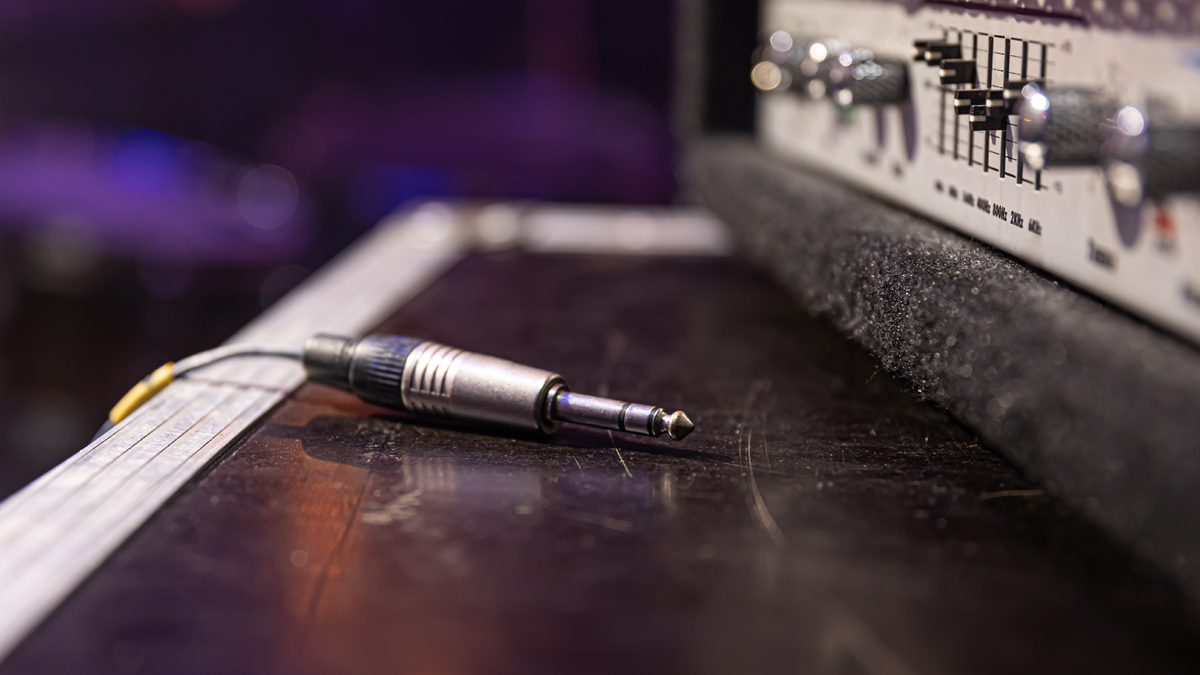
Input and output jacks: These are the connection points for instruments, amplifiers, mixers, headphones, and external devices. The input jack receives the source signal, while output jacks deliver the processed audio to the next destination.
Footswitches: Footswitches are one of the defining components of a Floor Unit. They allow the performer to engage effects, change presets, mute sound, activate a tuner, or trigger loop functions without bending down or interrupting performance.
Control knobs and buttons: Knobs adjust parameters such as gain, tone, level, delay time, modulation depth, and reverb mix. Buttons may provide access to menus, banks, or utility settings. In smaller units, these controls are simple and direct. In larger units, they support deep editing.
Display screen: Many digital Floor Units include screens to show patch names, effect chains, parameter values, tempo, tuner information, and system settings. A clear display improves navigation and stage usability.
Expression pedal: Some Floor Units include a built in expression pedal. This allows real time control over volume, wah, pitch shifting, filter sweeps, and assigned parameters. It adds expressive capability to performance.
Processing circuit or digital processor: In analog models, tone shaping is carried out through discrete circuits or integrated analog components. In digital models, a digital signal processor performs the calculations needed for amp models, reverb algorithms, cabinet impulse responses, and advanced effects.
Power section: The power section supplies the necessary voltage and current for operation. Some Floor Units use batteries, but most modern units use external power adapters or dedicated power supplies because advanced digital processing requires stable power.
Housing and chassis: The enclosure protects the internal electronics and must be strong enough to survive stage use. Floor Units are usually made from metal or durable high impact materials so they can handle foot pressure, transport, and frequent setup changes.
Memory and connectivity: Advanced units often include internal memory for presets and scenes. They may also provide USB, MIDI, Bluetooth, or software integration for editing, recording, firmware updates, and synchronization with other equipment.
What are the Types of Floor Unit?
Floor Units can be classified in several ways, including by effect function, signal technology, and overall design approach. Understanding the types helps musicians choose the right device for their needs.
Single effect Floor Unit: This type focuses on one main effect, such as distortion, wah, chorus, delay, or reverb. It is often simple to use and preferred by players who want a dedicated sound with direct control.
Multi effects Floor Unit: A multi effects unit combines many effects into one housing. It may include amp models, cabinets, modulation, time based effects, dynamics, pitch processing, and utilities such as tuning and looping. This type is popular because it reduces the need for multiple separate pedals.
Amp modeler Floor Unit: This type is designed to simulate the sound and behavior of famous amplifiers, speaker cabinets, and microphones. It is especially useful for direct recording and silent stage setups. Many modern professionals use these units in place of traditional amplifiers.
Pedalboard style Floor Unit: Some devices are designed as integrated boards with multiple switches, routing options, and expression control. They may contain effects processing or act as command centers for external pedals and amplifiers.
Looper Floor Unit: A looper records short phrases and plays them back repeatedly. It is used for practice, songwriting, solo performance, and live layering. Some loopers are basic, while others include multiple tracks and synchronization features.
Controller based Floor Unit: Certain Floor Units do not process sound directly. Instead, they control other devices through MIDI or switching systems. These are useful in advanced rigs where several processors or amplifiers need coordinated control.
Analog Floor Unit: Analog units are valued for their immediate response, tactile simplicity, and distinctive sonic character. Many musicians feel that analog distortion, overdrive, and modulation provide a warm and organic result.
Digital Floor Unit: Digital units offer flexibility, preset storage, broad effect variety, and compact convenience. They are especially useful when a player needs many sounds in one device.
Hybrid Floor Unit: A hybrid unit combines analog and digital elements. For example, it may use analog drive stages with digital delay and reverb. This approach aims to balance character with flexibility.
What are the Applications of Floor Unit?
The Floor Unit has many applications across music creation, performance, education, and sound production. Its usefulness comes from its ability to modify tone in a controllable and repeatable way.
Live performance: On stage, Floor Units help musicians switch sounds quickly between song sections. A guitarist may move from clean rhythm to heavy lead, while a singer may activate vocal ambience or harmonies. This improves performance variety and musical impact.
Studio recording: In recording environments, Floor Units are used to capture processed tones directly or to experiment with sound design. They allow engineers and artists to shape tone before recording or re process tracks later using reamping methods.
Home practice: Many musicians use Floor Units for quiet practice with headphones, built in drum patterns, loopers, metronomes, and amp simulations. This makes practice more engaging and practical in limited spaces.
Songwriting and composition: Effects can inspire new musical ideas. Delay may suggest rhythmic patterns, reverb may create atmosphere, and looping may help build layered arrangements. A Floor Unit often becomes a creative partner during writing sessions.
Touring rigs: Because modern Floor Units can replace many separate devices, they simplify transport and setup. Musicians on tour benefit from reduced cable complexity, lighter equipment loads, and easier consistency between venues.
Church and event performance: In many contemporary worship and event settings, silent stages and direct input systems are common. Floor Units with amp and cabinet simulation fit these environments very well because they can feed a mixer directly.
Music education: Teachers and students use Floor Units to demonstrate tone shaping, signal flow, effects categories, and modern performance methods. They also help students understand how electronics influence musical expression.
Content creation: Online performers, streamers, and video musicians use Floor Units to produce polished tones quickly for recordings, tutorials, and live streams. Their direct output and preset recall make them efficient tools for content production.
What is the Role of Floor Unit in Music Industry?
The Floor Unit plays a major role in the music industry because it connects artistic creativity with practical sound control. It supports live entertainment, recording production, touring logistics, musical branding, and technological innovation.
Tone identity: In the music industry, tone matters as much as technique in many genres. Artists often develop signature sounds through specific combinations of gain, delay, modulation, and ambience. Floor Units help create and preserve that sonic identity.
Performance efficiency: Professional performance requires speed, reliability, and repeatability. A Floor Unit allows preset based sound changes that fit tightly with arranged music. This is important in concerts, studio sessions, television performances, and musical theater productions.
Production flexibility: Producers and engineers benefit from Floor Units because they provide a wide tonal range without needing large collections of separate hardware. This supports faster workflow and broader experimentation.
Economic value: Floor Units contribute to the commercial side of the industry as product categories within music electronics. Manufacturers invest heavily in research, artist partnerships, software development, and user interface design. Retailers, reviewers, educators, and technicians are also part of the wider ecosystem built around these devices.
Technology adoption: The rise of digital modeling and direct recording has changed how music is produced and performed. Floor Units have been at the center of this shift. They have helped move the industry toward compact, software integrated, and stage efficient systems.
Accessibility: Floor Units make advanced tone shaping available to a wider range of musicians. A beginner can access many professional style sounds from a single device, while experienced players can use high end units to build complex rigs. This broadens participation and lowers barriers to experimentation.
What are the Objectives of Floor Unit?
The objectives of a Floor Unit go beyond adding effects. Its design and purpose are tied to musical control, signal enhancement, convenience, and performance support.
Sound shaping: One key objective is to modify the audio signal so it better fits the desired musical style, mood, or mix position. This may involve adding distortion, controlling dynamics, expanding space, or adjusting tonal balance.
Hands free control: A major objective is to let musicians control sound while continuing to play. Foot operation allows immediate changes without interrupting performance flow.
Preset consistency: Many Floor Units are created to store and recall exact settings. This objective is important for live shows, repeatable recording sessions, and touring situations where consistency matters.
System simplification: Another objective is to reduce the complexity of music setups. A single Floor Unit can replace multiple separate devices, reduce cable runs, and make transport easier.
Creative expansion: Floor Units are also meant to inspire creativity. By offering new textures, rhythms, and ambient layers, they encourage musicians to explore beyond basic dry tones.
Adaptability: Modern Floor Units aim to serve multiple environments, including bedroom practice, professional studios, houses of worship, clubs, festivals, and broadcast stages. Their objective is to remain useful across changing performance needs.
Reliability: Because they are built for repeated physical interaction and stage travel, Floor Units are designed with the objective of dependable operation under practical working conditions.
What are the Benefits of Floor Unit?
Floor Units offer many benefits to musicians, technicians, and producers. These benefits explain why they remain a central part of music electronics.
Convenience: One of the biggest benefits is convenience. A musician can access several sounds from one location on the floor without handling multiple rack devices or desk controls.
Portability: Many Floor Units combine a wide range of features into one portable unit. This reduces the need to carry separate pedals, amps, and processors.
Cost efficiency: A multi effects Floor Unit can be more economical than buying many individual pedals and accessories. For many users, it provides strong value in relation to the number of sounds and functions offered.
Versatility: Floor Units can suit multiple genres, from rock and blues to metal, worship, pop, jazz, ambient music, and experimental performance. A single unit can often cover clean, driven, spatial, and special effect sounds.
Consistency: Preset recall helps musicians achieve dependable results night after night. This is valuable for touring artists and session players who need stable performance.
Space saving: In smaller studios, rehearsal rooms, and stage setups, a compact Floor Unit saves space compared with large amplifiers or extensive pedalboards.
Quiet operation options: Units with headphone outputs, direct recording, and cabinet simulation allow players to work quietly. This is a major advantage in home environments and sound controlled venues.
Ease of learning: Many modern Floor Units provide user friendly interfaces, visual signal chains, and software editors. This helps musicians understand signal processing more clearly.
What are the Features of Floor Unit?
The features of a Floor Unit vary by model and price range, but several common features define the category and support its practical use.
Multiple effects engines: Many Floor Units include distortion, overdrive, fuzz, compression, equalization, chorus, flanger, phaser, tremolo, delay, reverb, pitch shifting, and filtering.
Preset and bank storage: Users can save settings as presets and group them into banks for quick access during performance. This is one of the most important features for stage use.
Amp and cabinet simulation: Advanced units model famous amplifiers and speaker cabinets. Some also load impulse responses for detailed speaker emulation.
Tuner function: Many Floor Units include a built in tuner, which adds convenience and reduces the need for separate tuning devices.
Looper capability: A looper function allows phrase recording and playback. This feature is useful for solo practice, teaching, live layering, and composition.
Expression assignment: Expression pedals can often be assigned to multiple parameters, giving dynamic control over volume, wah, pitch, or custom effect changes.
USB and computer integration: USB connectivity allows firmware updates, preset management, audio recording, and software based editing. This feature is common in modern digital units.
MIDI support: MIDI allows synchronization, control of external devices, and integration into larger rigs. This is a valuable feature in professional systems.
Stereo operation: Some Floor Units provide stereo inputs and outputs, which can enhance width and spatial depth for delay, reverb, and modulation effects.
Routing flexibility: Advanced units may allow users to place effects in different orders, create parallel paths, use external loops, or connect through four cable methods with amplifiers.
What are the Examples of Floor Unit?
Examples of Floor Units can be understood in both general and product based terms. In general use, any floor placed effects processor designed for foot control can be called a Floor Unit. This includes individual pedals, multi effects processors, amp modelers, loopers, and controller boards.
Single purpose examples: Common examples include distortion pedals, wah pedals, delay pedals, reverb pedals, chorus pedals, compressor pedals, and tuner pedals. Each of these performs a specific function and is often used as part of a larger pedalboard.
Multi effects examples: A multi effects Floor Unit may combine several classic effects and allow preset switching. These are common among players who need flexibility without building a large collection of separate pedals.
Amp modeling examples: Some Floor Units are designed to act as the main tone source in a rig. They may emulate amplifier channels, speaker cabinets, microphones, and room response, making them suitable for direct output to recording interfaces or live mixers.
Looper examples: Loop stations are another example of Floor Units. They let performers record rhythmic or melodic phrases and build layered performances in real time.
Controller examples: MIDI foot controllers and switching systems are also examples within the wider Floor Unit family because they sit on the floor and manage signal flow or preset changes across other devices.
Real world use example: A live guitarist may use one Floor Unit to switch between clean verses, driven choruses, ambient intros, and lead solos. A bassist may use another for compression, octave effects, and amp simulation. A singer may use a vocal Floor Unit for harmony, reverb, and looping. These practical uses show how broad the category has become.
What is the Definition of Floor Unit?
The definition of Floor Unit in music electronics is a floor placed audio processing device that is designed to be operated by foot and used to alter, manage, or enhance an incoming sound signal. It usually forms part of a musician’s signal chain and is commonly used with electric instruments and performance audio systems.
Functional definition: From a technical perspective, a Floor Unit is an effects or control device located on the floor so that a performer can access it during playing. It may contain one or many effects, analog circuits, digital processors, control switches, memory, and signal routing features.
Practical definition: From a user perspective, a Floor Unit is a performance tool that gives musicians immediate command over tone, dynamics, ambience, and preset changes without using their hands.
Industry definition: In the music industry, the term often refers to any professional or consumer effects processor built in a floorboard or pedal format for live and studio use.
What is the Meaning of Floor Unit?
The meaning of Floor Unit is closely related to both its physical placement and musical purpose. The word floor identifies where the device is placed during use, while unit suggests a self contained piece of equipment that performs a specific function or set of functions.
Literal meaning: Literally, a Floor Unit is a unit that sits on the floor. This makes it accessible by foot and practical for performers who must continue playing while controlling sound.
Musical meaning: In a musical sense, the Floor Unit represents real time command over expression. It allows a performer to shift mood, texture, intensity, and atmosphere during a performance. Because of this, it is not just a technical object but also an expressive instrument support tool.
Broader meaning: In modern music technology, the term also reflects the movement toward compact, integrated, and user controlled systems. It symbolizes how electronics have become more directly connected to the performer’s body and stage movement.
What is the Future of Floor Unit?
The future of Floor Unit technology is likely to be shaped by continued progress in digital processing, interface design, connectivity, and intelligent workflow features. As music production and live performance continue to evolve, Floor Units are expected to become even more capable, compact, and integrated.
Improved realism: One likely direction is higher quality sound modeling. Future Floor Units will probably offer even more accurate amplifier, cabinet, microphone, and room simulations. This will further narrow the gap between digital systems and traditional hardware rigs.
Smarter control: User interfaces are expected to become more intuitive. Better touch screens, customizable footswitch displays, faster editing, and simpler signal chain visualization will make complex systems easier to manage.
Software integration: Future units will likely connect more deeply with computers, tablets, phones, and cloud based libraries. This could allow wireless editing, preset sharing, automatic backup, collaborative sound design, and easier firmware management.
Artificial intelligence support: Some future Floor Units may use intelligent systems to suggest tones, balance levels, or match sounds from recordings. This could help both beginners and professionals reach desired results more quickly.
Greater portability: As technology becomes more efficient, powerful processors may fit into smaller enclosures. This will benefit musicians who travel frequently or work in flexible performance settings.
Expanded instrument support: While guitar and bass remain central, future Floor Units may increasingly support vocals, synthesizers, electronic percussion, and hybrid performance systems. This could broaden the market and encourage cross genre use.
Sustainable design: Manufacturers may also focus more on durable materials, lower power consumption, repairability, and longer product life cycles as environmental awareness grows.
Summary
- A Floor Unit is a floor placed effects or control device used to shape and manage sound in real time.
- It works by receiving an audio signal, processing it through analog circuits or digital algorithms, and sending the modified signal onward.
- Key components include input and output jacks, footswitches, control knobs, display screens, processors, power sections, and durable housing.
- Main types include single effect units, multi effects units, amp modelers, loopers, controller boards, and hybrid systems.
- Floor Units are widely used in live performance, recording, practice, songwriting, touring, education, and online content creation.
- In the music industry, they support tone identity, workflow efficiency, product innovation, and broader access to professional sound tools.
- Their objectives include sound shaping, hands free control, system simplification, preset consistency, creativity, and reliability.
- Their benefits include convenience, portability, cost efficiency, versatility, consistency, quiet practice options, and ease of learning.
- Common features include multiple effects, preset storage, amp simulation, tuners, loopers, expression control, USB, MIDI, stereo operation, and flexible routing.
- The term Floor Unit refers both to the physical placement of the device and its role as a self contained sound control system.
- The future of Floor Unit technology points toward improved modeling, smarter interfaces, stronger software integration, and greater portability.

