

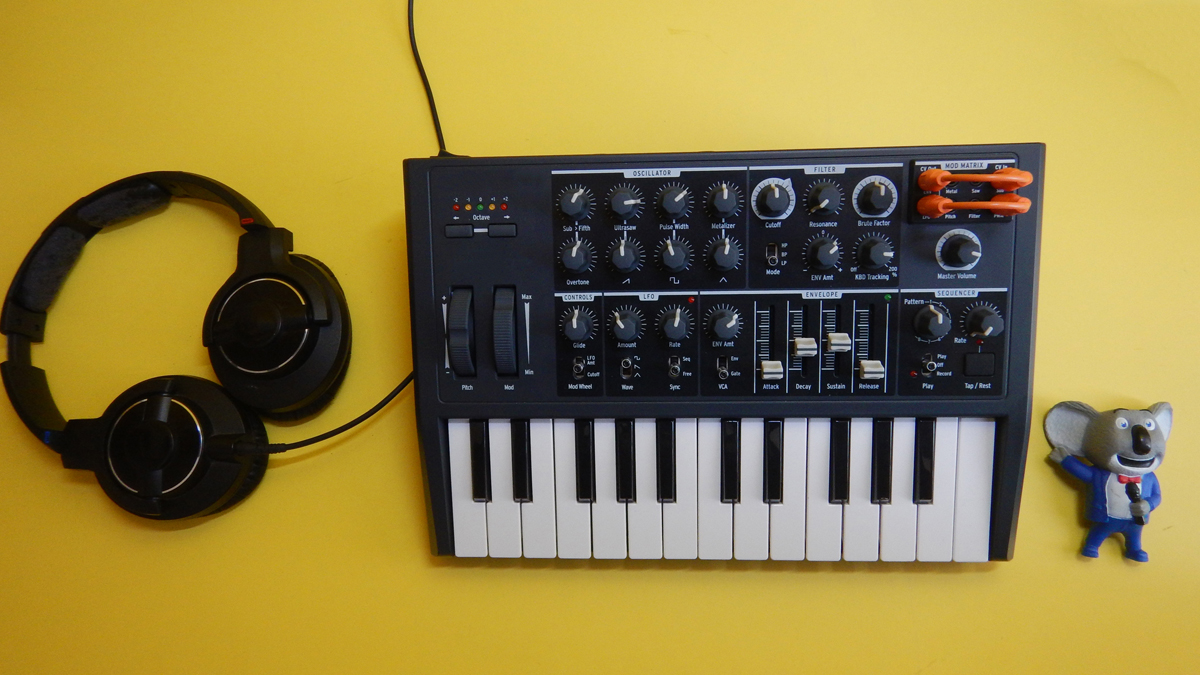
What is Multi-Effects Unit?
A Multi-Effects Unit is an electronic device that combines many sound processing effects inside one system. Instead of using several separate pedals or processors, musicians can use one unit to shape tone, add ambience, control dynamics, and create complex signal chains. It is commonly used with electric guitar, bass, keyboards, vocals, and even studio recording setups. A Multi-Effects Unit may include distortion, overdrive, chorus, flanger, phaser, delay, reverb, compression, equalization, pitch shifting, modulation, cabinet simulation, and many other sound tools.
The main idea behind a Multi-Effects Unit is convenience and flexibility. A performer can access many effects from one piece of equipment, store presets, and switch between sounds quickly. This makes it extremely useful for stage work, rehearsal, home practice, and studio production. Instead of carrying a large collection of separate pedals, cables, and power supplies, the user can rely on one integrated device.
A Multi-Effects Unit can be found in floor-based models, rackmount versions, desktop processors, and compact portable designs. Some are designed mainly for live performance, while others focus more on studio-quality sound design. Many modern units also include digital amp modeling and speaker cabinet simulation, which means they can recreate the sound of famous amplifiers and recording chains. Because of this, the Multi-Effects Unit has become a major tool in modern music electronics.
How does Multi-Effects Unit Work?
A Multi-Effects Unit works by receiving an audio signal, processing that signal through one or more built-in effects, and then sending the altered sound to an amplifier, speaker system, recording interface, or mixing console. In simple terms, the instrument or microphone sends raw sound into the unit, and the unit changes that sound according to the selected settings.
The process begins with input reception: The signal from a guitar, bass, keyboard, or microphone enters the unit through an input jack or digital connection. Once inside, the signal is either kept in analog form for certain circuits or converted into digital data through an analog-to-digital converter. In many modern models, digital processing is the main method because it allows complex effects, preset storage, and signal routing.
The core processing stage shapes the sound: A digital signal processor or internal circuit applies the selected effects. For example, a compressor can control the signal level, an overdrive can add harmonic saturation, a chorus can create movement, and a reverb can add the sense of space. These effects may be arranged in a fixed order or a user-defined chain. Some units let musicians choose the exact sequence, such as placing compression before distortion or delay after modulation.
Preset control manages sound changes: One of the major advantages of a Multi-Effects Unit is the ability to save complete sound setups as presets. A preset can store effect type, parameter values, routing order, output level, tempo settings, amp models, and more. This allows a player to move from a clean rhythm tone to a heavy lead sound in seconds.
Output delivery sends the final signal onward: After processing, the unit converts the signal back into analog form if necessary and sends it to the output. This output may go to a guitar amplifier, studio monitor, headphone system, public address system, or direct recording input. In many advanced units, multiple outputs are available so the same device can feed stage amplifiers and front-of-house systems at the same time.
Real-time control gives performance flexibility: Footswitches, expression pedals, knobs, screens, and external controllers allow the musician to turn effects on or off, adjust levels, change presets, or control parameters while performing. This is why Multi-Effects Units are highly valued in live music situations.
What are the Components of Multi-Effects Unit?
A Multi-Effects Unit is made up of several important components that work together to process and control audio signals effectively.
Input section: This is where the instrument or audio source connects to the unit. The input section may include standard quarter-inch jacks, XLR connections, stereo inputs, or digital input options. Its job is to receive the sound signal clearly and prepare it for processing.
Preamp stage: Some units include a preamp section that boosts and conditions the incoming signal. This is especially useful for microphones, acoustic instruments, and guitar pickups that need level matching or tonal shaping.
Analog-to-digital converter: In digital units, this component converts the incoming analog signal into digital information. The quality of this conversion affects clarity, noise level, and the overall natural feel of the sound.
Digital signal processor: This is the brain of the unit. It performs the calculations needed to create distortion, modulation, delay, reverb, equalization, dynamic control, pitch shifting, and many other effects. A powerful processor allows more simultaneous effects and higher sound quality.
Memory storage: Internal memory stores presets, user settings, factory patches, impulse responses, and system preferences. This component is essential for recall and consistency during live or studio use.
Effect engine modules: These are the software or circuit blocks that create each effect type. A unit may contain separate modules for compression, drive, amp modeling, cabinet simulation, equalization, modulation, delay, and reverb.
Control interface: This includes knobs, buttons, touchscreens, menus, and navigation controls. The interface lets the musician edit tones, save presets, assign controllers, and manage routing.
Display screen: Many units use LCD, LED, or color displays to show presets, parameter values, tuner functions, signal chain layouts, and system status. A good display makes operation faster and easier.
Footswitches: Floor units often include multiple footswitches for preset selection, effect bypass, tap tempo, looping, and bank changes. These are very important for live performance.
Expression pedal: Some units include a built-in expression pedal or support an external one. It can control volume, wah, pitch, delay mix, modulation depth, or any assignable parameter.
Output section: This sends the processed signal to amplifiers, speakers, interfaces, headphones, or mixers. It may include mono outputs, stereo outputs, balanced outputs, headphone outputs, USB audio connections, and send-return loops.
Power supply system: Every Multi-Effects Unit needs stable power. Some use external adapters, while others have internal power systems. Reliable power is important for noise control and stable operation.
Connectivity ports: Modern units often feature USB, MIDI, Bluetooth, or software editor compatibility. These ports help with recording, firmware updates, preset backup, and external control.
What are the Types of Multi-Effects Unit?
Multi-Effects Units can be classified in several ways based on design, technology, purpose, and user level.
Floor-based Multi-Effects Units: These are designed to sit on the floor and are controlled by footswitches. They are popular among guitarists and bassists because they allow hands-free control during performance. Many include expression pedals and rugged metal construction for stage use.
Rackmount Multi-Effects Units: These are built for installation in audio racks and are often used in professional studios, touring rigs, and advanced live systems. They may offer deeper editing, better integration with other rack gear, and high-level signal routing options.
Desktop Multi-Effects Units: These are compact tabletop devices used in home studios, practice setups, or electronic music production. They are often more convenient for editing by hand and are suitable for producers and musicians who work in fixed setups.
Portable compact units: These are smaller and lighter designs meant for easy transport and simple operation. They usually include a selected range of common effects and are ideal for beginners, students, or musicians who need a travel-friendly solution.
Guitar Multi-Effects Units: These are designed specifically for electric and acoustic guitar. They often include amp modeling, speaker simulation, overdrive, delay, reverb, modulation, wah control, and tuner functions.
Bass Multi-Effects Units: These focus on the needs of bass players, offering bass-friendly compression, drive, equalization, octave effects, cabinet simulation, and sometimes direct outputs for stage and studio use.
Vocal Multi-Effects Units: These units process microphones and vocal signals. They may include reverb, delay, harmony generation, compression, de-essing, pitch correction, and anti-feedback functions.
Keyboard and synthesizer Multi-Effects Units: These support stereo signals and may include lush modulation, delay, reverb, filtering, dynamic shaping, and advanced spatial effects suited to electronic and keyboard sounds.
Analog Multi-Effects Units: Some older or specialized designs use analog circuits for part of the signal path. They can provide warm and immediate tonal qualities, though they usually have fewer preset and routing capabilities than digital models.
Digital Multi-Effects Units: These are the most common today. They offer high flexibility, memory storage, software integration, and a large selection of sounds in one device.
Hybrid Multi-Effects Units: These combine analog and digital technologies. For example, a unit may use analog drive circuits with digital modulation and ambience processing.
What are the Applications of Multi-Effects Unit?
Multi-Effects Units are used across many musical and audio environments because they solve several practical and creative needs at once.
Live stage performance: Musicians use them to switch sounds quickly during songs and set lists. A player can go from clean tones to high-gain lead sounds, then to ambient textures, without changing multiple individual pedals.
Home practice: A Multi-Effects Unit makes practice more engaging by providing many tones, headphone output, metronomes, rhythm patterns, loopers, and built-in tuners. It helps musicians explore sound without building a large physical rig.
Studio recording: In the studio, these units are used for direct recording, re-amping, effect layering, and tone design. They are especially useful when a musician wants to record quietly without using loud amplifiers.
Touring rigs: Touring performers benefit from the portability and repeatability of Multi-Effects Units. Instead of transporting many separate devices, they can carry one reliable processor with stored presets for every song.
Broadcast and worship settings: Many worship teams, television musicians, and house bands use Multi-Effects Units because they allow silent stage setups and direct outputs to mixing consoles. This reduces stage noise and improves control in live sound environments.
Sound design and production: Producers use these units to shape not only instruments but also recorded tracks, synthesizers, drum machines, and even vocals. Creative processing can add movement, space, and character to a mix.
Educational settings: Music schools and training programs use them to teach signal flow, tone shaping, effect categories, and digital music technology. A single unit can demonstrate many sound concepts in one lesson.
Rehearsal spaces: Bands use them in rehearsals because they save setup time and let players test a wide range of sounds quickly. This supports efficient arrangement work and experimentation.
Content creation: Online creators, session players, and music educators use Multi-Effects Units for video production, streaming, tutorials, and remote collaboration because the units often provide direct recording and consistent output quality.
What is the Role of Multi-Effects Unit in Music Industry?
The Multi-Effects Unit plays an important role in the music industry because it supports performance, production, education, and innovation at many levels.
It improves efficiency in live music: Stage performers need reliable sound changes during concerts. A Multi-Effects Unit allows instant preset switching and organized signal control, which reduces setup complexity and improves performance flow.
It supports modern production methods: Many recording environments now depend on direct input workflows, software integration, and quiet recording spaces. Multi-Effects Units fit well into these environments because they can provide polished sounds without large amplifier setups.
It lowers entry barriers: New musicians may not be able to purchase many separate effect devices. A Multi-Effects Unit offers access to many sounds in one product, making creative tone design more affordable and accessible.
It encourages tonal experimentation: Artists, producers, and engineers often search for new sonic identities. A Multi-Effects Unit gives them access to a broad range of effect combinations, which can inspire new musical directions and performance styles.
It helps standardize professional rigs: Touring acts and session players often need repeatable sounds from venue to venue. Stored presets and digital recall make it easier to maintain consistency across different stages and studios.
It connects hardware and digital workflows: Many current music systems involve computers, digital audio workstations, MIDI equipment, and software editors. Multi-Effects Units often act as bridges between physical instruments and digital production environments.
It influences equipment design trends: The popularity of these units has pushed manufacturers to improve digital modeling, touch interfaces, preset management, routing flexibility, and compact performance solutions. This has shaped the broader market of music electronics.
What are the Objectives of Multi-Effects Unit?
The objectives of a Multi-Effects Unit are practical, creative, and technical.
To combine multiple sound tools in one device: One central objective is to reduce the need for many separate pedals or processors by placing essential effects within a single unit.
To simplify signal management: Musicians often want a cleaner setup with fewer cables, fewer power supplies, and easier routing. A Multi-Effects Unit addresses this need.
To offer tonal variety: Players need access to clean, driven, modulated, delayed, ambient, and experimental sounds. The unit is designed to provide a broad tonal library.
To enable fast sound switching: In performance, speed matters. A major objective is to allow immediate movement from one preset to another without interrupting the musical flow.
To support customization: Many users want to build their own signal chains and control settings. The unit is meant to support editing, preset creation, and personal sound design.
To save space and improve portability: Carrying one processor is often easier than transporting a large pedalboard or multiple rack units. Practical mobility is a key objective.
To maintain consistency: Saved presets help musicians recreate the same sounds in rehearsals, concerts, and recording sessions. This consistency is important for professional reliability.
To integrate with modern systems: Current music technology requires USB recording, MIDI control, software editing, and direct outputs. A Multi-Effects Unit is often built to meet these workflow needs.
What are the Benefits of Multi-Effects Unit?
The Multi-Effects Unit offers many benefits that make it valuable for musicians, producers, teachers, and audio professionals.
Cost efficiency: Buying one unit with many built-in effects can be more affordable than purchasing a large collection of individual processors.
Space saving: A single unit reduces the physical footprint of a music rig. This is useful in small studios, apartments, rehearsal rooms, and crowded stages.
Portability: Transporting one integrated device is easier than carrying many separate pedals, cables, power adapters, and cases.
Convenience: Preset recall, built-in tuners, headphone outputs, loopers, and direct connections all make the music-making process more convenient.
Versatility: A Multi-Effects Unit can cover many musical styles such as rock, blues, metal, pop, worship, jazz, funk, electronic, and ambient music.
Creative freedom: Because the unit contains many effect types, musicians can experiment with unusual combinations and discover new textures.
Reduced cable complexity: Fewer separate devices usually mean fewer connection points, which can reduce setup mistakes and make troubleshooting easier.
Better consistency: Presets allow the same sounds to be recalled repeatedly with precision, which is especially important in live and session work.
Recording flexibility: Many units can function as direct recording interfaces or silent practice tools, making them useful beyond the stage.
Learning value: For beginners, a Multi-Effects Unit is a strong educational tool because it introduces many categories of tone shaping in a single platform.
What are the Features of Multi-Effects Unit?
The features of a Multi-Effects Unit can vary by model, but several core features are commonly found in modern designs.
Multiple effect categories: Most units include distortion, overdrive, compression, equalization, chorus, flanger, phaser, tremolo, delay, reverb, pitch effects, filtering, and noise reduction.
Preset storage: Users can save and recall custom tones for different songs, instruments, or performance situations.
Amp modeling: Many units recreate the tonal behavior of classic and modern amplifiers. This is especially useful for direct recording and silent stage use.
Cabinet simulation: Speaker cabinet emulation helps create a more realistic amplified sound when the unit is connected directly to mixers, interfaces, or headphones.
Signal chain editing: Advanced units let the user place effects in specific orders, create parallel chains, or assign different outputs for flexible routing.
Expression control: Built-in or external expression pedals can control volume, wah, pitch, delay feedback, modulation speed, or other parameters in real time.
Looper function: Some Multi-Effects Units allow phrases to be recorded and repeated, which helps with solo practice, songwriting, and live layering.
Drum patterns and rhythm tools: Certain practice-focused units include rhythm sounds and metronome functions to support timing and rehearsal.
USB connectivity: USB allows recording, firmware updates, preset backup, and computer-based editing.
MIDI support: MIDI integration lets the unit communicate with other devices, synchronize effects, and respond to external controllers.
Touchscreen or advanced display: Many newer models use visual interfaces to make editing faster and more intuitive.
Send-return loop: This feature allows integration with external pedals or amplifiers and supports more advanced rig design.
Tuner and utility tools: A built-in tuner, global equalization, noise gate, and output management are common support features.
Stereo operation: Many units support stereo processing for wider spatial effects and more immersive sound design.
What are the Examples of Multi-Effects Unit?
There are many well-known examples of Multi-Effects Units used by beginners, intermediate players, and professionals.
Boss GT series: These units are known for dependable live performance, broad effect libraries, and practical stage control.
Line 6 Helix family: These are highly regarded for advanced amp modeling, flexible routing, and deep editing for stage and studio work.
Zoom G series: These units are often appreciated for affordability, ease of use, and a wide range of built-in effects suitable for practice and performance.
Headrush Pedalboard and related models: These units focus on intuitive visual control and strong performance-oriented features.
Fractal Audio systems: These are known for high-end modeling quality, deep editing options, and professional-level tonal precision.
Mooer and Valeton multi-effects devices: These brands offer compact and affordable solutions for musicians who need flexible sound options in smaller formats.
Vocal processors such as TC Helicon units: These are examples of Multi-Effects Units designed for singers, offering reverb, delay, harmony, pitch control, and vocal enhancement tools.
Bass-specific processors from brands such as Boss and Zoom: These units provide tailored sound shaping for bass performance and recording.
These examples show that the concept of the Multi-Effects Unit is not limited to one instrument or one type of musician. It exists in many forms to serve different creative and technical needs.
What is the Definition of Multi-Effects Unit?
The definition of a Multi-Effects Unit is a self-contained electronic audio processor that combines multiple sound effects and tone-shaping functions within a single device, allowing users to process, control, store, and recall different sound configurations for musical performance, recording, practice, and production.
This definition highlights several essential ideas. First, it is self-contained, meaning many processing tools are housed together. Second, it is an audio processor, so its purpose is to modify and manage sound. Third, it supports multiple effects rather than one single function. Fourth, it allows control and recall, which makes it more practical than isolated effect devices for many users. In the context of music electronics, this definition places the Multi-Effects Unit among the most versatile and widely used signal-processing tools.
What is the Meaning of Multi-Effects Unit?
The meaning of Multi-Effects Unit can be understood by breaking the term into its parts.
Multi means many or more than one. Effects refers to sound changes or audio processes such as delay, reverb, distortion, modulation, compression, and filtering. Unit means a single integrated device or system. When combined, the term describes one machine that contains many sound effects inside it.
In a practical musical sense, the meaning of Multi-Effects Unit goes beyond the literal definition. It represents efficiency, tonal variety, and modern control. It means that a musician can shape an entire performance sound from one place. It also reflects the development of music electronics from simple single-function devices to advanced digital systems capable of handling complete signal chains.
For many musicians, the meaning of Multi-Effects Unit is also connected to convenience and creativity. It is not only a device with many sounds, but also a platform for building an artistic identity through programmable tone design.
What is the Future of Multi-Effects Unit?
The future of the Multi-Effects Unit appears strong because music technology continues to move toward smarter, more connected, and more flexible systems.
Improved sound realism: Digital modeling and signal processing are likely to continue improving, creating more natural amplifier responses, more detailed speaker simulation, and more expressive dynamic behavior.
Greater processing power: Future units will probably allow larger signal chains, more simultaneous effects, faster switching, and higher audio resolution without sacrificing portability.
Smarter user interfaces: Touchscreens, visual editing systems, app control, and clearer workflow design will likely make these units easier to operate for both beginners and professionals.
Deeper software integration: The connection between hardware units and digital audio workstations will likely become stronger. This may include seamless preset transfer, automation control, cloud backup, and collaborative tone sharing.
Artificial intelligence support: Some future systems may include intelligent tone matching, automatic signal optimization, or guided preset suggestions based on playing style and genre.
More compact professional units: As internal processing technology becomes more efficient, small units may offer power that was once available only in large rack systems.
Expanded instrument support: Future Multi-Effects Units may become even more specialized for acoustic instruments, electronic music production, hybrid performance rigs, and immersive audio formats.
Better live connectivity: Stage environments increasingly require direct outputs, digital networking, and integration with monitoring systems. Future units will likely become stronger hubs for complete live performance control.
Sustainable design trends: Manufacturers may focus more on durability, update support, modular expansion, and long product life, which will improve the value of these units in the music industry.
The future of the Multi-Effects Unit is closely tied to the future of music creation itself. As musicians demand more power, easier control, and better sound in smaller formats, these devices will continue to evolve.
Summary.
- A Multi-Effects Unit is a single electronic device that combines many sound effects and tone-shaping tools.
- It works by receiving an audio signal, processing it through selected effects, and sending the finished sound to an output system.
- Its main components include inputs, converters, processors, memory, effect modules, controls, displays, footswitches, and outputs.
- It comes in different forms such as floor units, rackmount units, desktop processors, compact models, and instrument-specific versions.
- It is used in live performance, recording, practice, touring, education, worship settings, and content creation.
- In the music industry, it supports efficiency, portability, tonal consistency, and creative sound design.
- Its objectives include combining multiple effects, simplifying setups, improving customization, and supporting modern workflows.
- Its benefits include cost savings, portability, versatility, convenience, reduced cable complexity, and strong learning value.
- Common features include preset storage, amp modeling, cabinet simulation, expression control, looping, USB connectivity, and MIDI support.
- Examples include product families from Boss, Line 6, Zoom, Headrush, Fractal Audio, and vocal or bass-specific processors.
- Its definition focuses on being a self-contained processor with many effects in one system.
- Its meaning reflects not only many effects in one unit, but also convenience, creativity, and modern musical control.
- Its future is likely to include better realism, stronger software integration, smarter interfaces, and more compact professional designs.

