

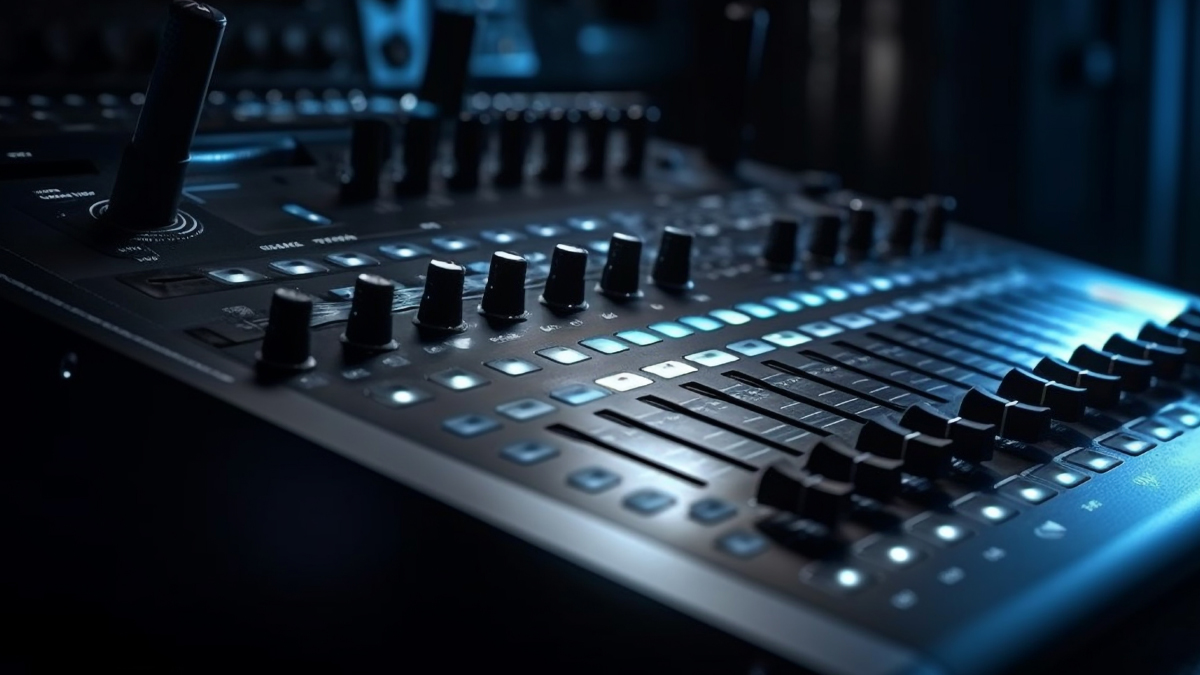
What is Amplifier Head?
An amplifier head is the main electronic control and power unit of a musical amplifier system. It is called a head because it is usually a separate box that sits on top of a speaker cabinet. In a typical stack or half stack setup, the head contains the circuits that receive the signal from an instrument, shape that signal, increase its strength, and send it to the speaker cabinet so the sound can be heard clearly at usable volume.
In music electronics, an amplifier head is most associated with electric guitar and bass guitar amplification, but similar concepts also apply to keyboard rigs and other stage sound systems. The head is different from a combo amplifier. A combo amplifier combines the amplifier section and the speaker in one enclosure. An amplifier head separates the amplifier from the speakers. This separation gives musicians more flexibility in choosing tone, power level, portability, and cabinet configuration.
The amplifier head is often seen as the command center of a performance rig. It allows the musician to control gain, tone, volume, channel selection, effects loops, and many other sound shaping functions. The head handles the electronic processing, while the cabinet handles the physical movement of air that produces the audible sound.
This design has made amplifier heads especially popular in professional live performance, studio recording, rehearsals, and touring. Musicians who want a more customizable setup often prefer an amplifier head because they can pair one head with different cabinets depending on venue size, musical style, and sonic goals.
How does Amplifier Head Work?
An amplifier head works by taking a weak signal from a musical instrument and increasing it until it is strong enough to drive speakers. The process sounds simple, but it involves several carefully designed stages that shape the sound in important ways.
Input stage: The process begins when an instrument such as an electric guitar or bass is plugged into the input jack. The signal coming from the instrument pickups is very low in strength. On its own, it is not powerful enough to move a speaker cone effectively. The amplifier head receives this low level signal and prepares it for processing.
Preamp stage: After the signal enters the head, it usually passes into the preamp section. The preamp increases the signal to a workable level and often has a major influence on tone. This is where controls such as gain, treble, middle, bass, presence, and sometimes bright or contour switches are used. In many heads, the character of the preamp defines whether the amp sounds warm, aggressive, clean, compressed, modern, or vintage.
Tone shaping: The signal is then adjusted by the equalization section. This allows the player to emphasize or reduce specific frequency ranges. Low frequencies affect fullness and depth. Mid frequencies affect body and projection. High frequencies affect clarity and sparkle. Skilled tone shaping is one reason amplifier heads are so important in music production and performance.
Channel and gain structure: Many amplifier heads have multiple channels. One channel may provide a clean sound, while another may offer crunch or high gain distortion. By switching channels, the player can move between rhythm and lead sounds without changing equipment. The gain structure determines how much saturation or distortion is added to the signal.
Effects integration: Many amplifier heads include an effects loop. This allows time based effects such as delay and reverb to be placed after the preamp stage, which often produces cleaner and more controlled results. Some heads also include built in effects, direct outputs, or digital speaker simulation.
Power amp stage: Once the signal has been shaped and amplified in the preamp, it enters the power amp stage. The power amp takes the preamp signal and boosts it dramatically so it can drive the speaker cabinet. This stage determines how much power the amplifier head can deliver, measured in watts. The power amp also contributes to feel and tone, especially in tube amplifiers where power section saturation is part of the musical character.
Output to speaker cabinet: Finally, the amplified signal is sent through the speaker output to a cabinet that contains one or more speakers. The cabinet converts the electrical energy into acoustic sound. The interaction between the head and the cabinet is critical. Different speaker sizes, cabinet designs, and speaker brands can change the sound significantly.
In short, the amplifier head is a signal processor, tone shaper, and power source combined into one dedicated unit. It turns a small instrument signal into a full and expressive musical sound that can fill a room, a stage, or a recording mix.
What are the Components of Amplifier Head?
An amplifier head contains several important components that work together to create and control amplified sound.
Input jack: This is where the instrument cable is connected. It receives the initial signal from the guitar, bass, or other electronic instrument.
Preamp circuit: The preamp is one of the most important parts of the head. It boosts the incoming signal and shapes much of the tonal character. In tube amplifiers, this section often uses vacuum tubes. In solid state amplifiers, it uses transistors or integrated circuits.
Gain control: The gain control adjusts how hard the preamp is driven. Lower gain usually produces a cleaner sound, while higher gain can create distortion, sustain, and compression.
Equalization controls: Most amplifier heads include bass, middle, and treble controls. Some also have presence, resonance, contour, depth, or graphic equalizers. These controls allow detailed tone shaping.
Channel switching system: Many modern heads have multiple channels or modes. This system lets the player choose between clean, overdrive, and lead tones. Some models also allow footswitch control for live performance.
Master volume: This control adjusts the overall output level of the amplifier without changing the gain settings of individual channels. It is useful for managing stage volume and preserving a chosen tone.
Effects loop: An effects loop provides send and return connections for external effects units. It is especially useful for delays, reverbs, choruses, and rack processors.
Power amp section: This section takes the preamp signal and boosts it to a level that can drive speakers. It contributes to loudness, headroom, punch, and dynamic response.
Output transformer: In many tube amplifier heads, the output transformer matches the electrical characteristics of the power amp to the speaker load. It plays a key role in safe operation and tonal behavior.
Speaker output jacks: These jacks connect the head to one or more speaker cabinets. Correct speaker impedance matching is important to protect the amplifier and ensure proper performance.
Power supply: The power supply converts incoming electrical current into the voltages required by the amplifier circuits. Stable power is essential for consistent sound and reliable operation.
Cooling system: Some amplifier heads use ventilation slots, fans, or heat sinks to manage heat. This is especially important for high powered units and solid state designs.
Control panel: The front and rear panels contain knobs, switches, indicator lights, input and output connections, and sometimes digital displays.
Cabinet enclosure: The outer shell protects the electronic components and makes the unit durable enough for transport, stage use, and repeated setup.
What are the Types of Amplifier Head?
Amplifier heads can be classified in several ways, especially by the technology they use and the musical purpose they serve.
Tube amplifier heads: These use vacuum tubes in the preamp, power amp, or both. Tube heads are known for warm harmonics, natural compression, dynamic response, and pleasing overdrive. They are widely used in rock, blues, jazz, and classic styles. Many players value tube heads for their touch sensitivity and musical breakup.
Solid state amplifier heads: These use transistor based circuits rather than vacuum tubes. Solid state heads are often more affordable, lighter, more durable, and easier to maintain. They can provide clean, reliable power and are common in bass amplification and portable live rigs.
Hybrid amplifier heads: Hybrid heads combine tube and solid state technologies. A common design uses a tube preamp with a solid state power section. This offers some tube character along with reduced weight, lower maintenance, and improved efficiency.
Modeling amplifier heads: These use digital processing to simulate the sound of many different amplifiers, cabinets, and effects. Modeling heads are popular for versatility, silent recording, direct output options, and preset storage. They are widely used by modern performers who need many sounds in one unit.
Guitar amplifier heads: These are designed specifically for electric guitar. They focus on tonal color, gain structure, channel variety, and interaction with guitar speaker cabinets.
Bass amplifier heads: These are designed for bass guitar and prioritize clean low frequency power, deep response, high headroom, and cabinet compatibility. Many bass heads also include direct outputs for live sound systems and studio work.
Powered amplifier heads: In common music usage, a standard amplifier head is already powered because it drives speakers directly. However, in broader audio terminology, this label emphasizes that the unit contains both preamp and power amp stages rather than acting only as a signal processor.
Preamp heads or rack preamps: These are sometimes confused with full amplifier heads. A preamp only shapes tone and boosts signal to line level. It still needs a separate power amplifier to drive speakers. It is useful in modular studio and stage setups.
Mini heads: These are compact amplifier heads that offer reduced size and often reduced power. They are useful for small gigs, home practice, and portable setups.
What are the Applications of Amplifier Head?
Amplifier heads are used in many musical and audio environments because they provide flexible amplification and tone control.
Live concerts: One of the most visible applications is live performance. Guitarists and bassists often use amplifier heads with speaker cabinets to produce powerful stage sound. The head provides volume, tonal identity, and visual presence.
Studio recording: In recording studios, amplifier heads are used to capture specific tones. Engineers may pair a favorite head with different cabinets and microphones to create unique textures. Some heads also provide direct recording outputs for convenience.
Rehearsal spaces: Bands use amplifier heads during rehearsal because they can deliver reliable sound and can be adjusted to fit small rooms or larger practice environments.
Touring rigs: Professional touring musicians often choose amplifier heads because they can use one familiar head with different cabinets in different locations. This allows tonal consistency across shows.
Home practice and writing: Smaller amplifier heads, especially modeling and mini heads, are used at home for practice, songwriting, and demo creation. Some include headphone outputs or cabinet simulation for quiet use.
Session work: Session musicians may use amplifier heads to quickly switch between tonal styles depending on the project. A versatile head can cover clean funk, blues crunch, hard rock drive, and modern lead sounds in one session.
Bass reinforcement: Bass amplifier heads are heavily used in live music because bass requires substantial power and low frequency control. The head helps the bassist stay present in the mix while also feeding direct signals to front of house systems.
Educational settings: Music schools and rehearsal studios often use amplifier heads in equipment labs and performance rooms because they offer configurable setups for students learning tone shaping and live sound basics.
What is the Role of Amplifier Head in Music Industry?
The amplifier head plays an important role in the music industry because it connects musical performance with audible impact. Without amplification, many electric instruments would not be practical in modern performance settings. The head helps define the artist’s tone, supports live production, and influences the sound of recordings.
In artist identity, the amplifier head is often part of a musician’s signature sound. Different heads produce different responses, harmonic behavior, and gain textures. These tonal fingerprints can become closely associated with genres and individual performers.
In recording, amplifier heads contribute to the sonic language of countless albums. Clean tones, blues breakup, classic rock crunch, metal saturation, and bass punch often depend on the specific amplifier head used. Producers and engineers choose heads carefully because they shape the emotional and sonic quality of a track.
In live sound, the amplifier head provides onstage monitoring, stage energy, and interaction between player and instrument. Many musicians rely on the physical response of a real amplifier head and cabinet to perform expressively. The feel of air movement, feedback control, and pick response matters greatly in performance.
In equipment manufacturing, amplifier heads are a major category of music electronics. Companies compete by offering better sound, lighter designs, digital features, improved reliability, and distinctive brand identity. This drives innovation in analog circuits, digital modeling, materials, and connectivity.
In rental, backline, and touring services, amplifier heads are standard professional equipment. Festivals, venues, and touring companies maintain collections of heads to meet the needs of visiting artists.
In retail and education, amplifier heads help musicians understand the relationship between electronics and sound. They are an important product category in music stores, trade shows, and technical training for audio and instrument professionals.
What are the Objectives of Amplifier Head?
The amplifier head is designed to achieve several practical and musical objectives.
Signal amplification: Its primary objective is to boost the weak signal from an instrument to a level that can drive a speaker cabinet effectively.
Tone shaping: Another major objective is to allow the musician to shape the sound according to style, instrument, and performance context. This includes equalization, gain control, and channel options.
Dynamic response: A good amplifier head should respond naturally to the player’s touch, picking strength, and instrument controls. This makes the instrument feel more expressive and musical.
Versatility: Many heads are designed to offer multiple sounds, channels, and connection options so they can be used in different musical settings.
Power delivery: The amplifier head must provide enough output power for rehearsals, recording sessions, clubs, theaters, or large stages, depending on its intended use.
Cabinet compatibility: It should work safely and effectively with appropriate speaker cabinets and impedance settings.
Reliability: In professional use, an amplifier head must perform consistently during long rehearsals, studio sessions, and live concerts.
Portability and practicality: Many modern designs aim to reduce size and weight while preserving sound quality and performance features.
Integration with modern workflows: Today, many heads are built to work with pedals, digital processors, recording interfaces, and live sound systems.
What are the Benefits of Amplifier Head?
An amplifier head offers many benefits that make it attractive to musicians, producers, and live sound professionals.
Flexible setup: Because the head is separate from the cabinet, users can mix and match amplifier and speaker combinations. This creates more tonal options than a fixed combo amplifier.
Better customization: Players can choose cabinets with different speaker sizes, speaker types, and enclosure designs. This lets them tailor the rig to specific genres and venues.
Easier equipment upgrades: A musician can upgrade the head without replacing the cabinet, or change cabinets while keeping a favorite head. This can save money and improve long term flexibility.
Professional stage presence: A head and cabinet setup often projects a strong visual identity on stage, especially in rock and metal performance.
Transport convenience in some contexts: Although a full stack can be large, separating the head from the cabinet can make carrying and packing easier because the system is broken into manageable pieces.
Improved heat and vibration management: Keeping the amplifier electronics separate from the speaker cabinet can reduce exposure to speaker vibration and may help with long term durability.
Greater tonal variety: One head can sound very different through different cabinets. This expands creative options in both live and studio work.
Maintenance advantages: In some cases, a separate head is easier to service than a tightly integrated combo amplifier because the electronics are housed independently.
Scalability: A player can use the same head with a small cabinet for practice and a larger cabinet for performance, as long as the impedance and power handling are matched correctly.
What are the Features of Amplifier Head?
Amplifier heads vary widely, but many include a combination of useful musical and technical features.
Multiple channels: Clean, crunch, and lead channels are common in modern heads, allowing quick transitions between sound styles.
Equalization controls: Basic and advanced tone controls help shape frequency balance for different instruments and genres.
Master volume and gain controls: These allow users to manage distortion levels and loudness separately.
Effects loop: This supports cleaner integration of external pedals and processors.
Footswitch compatibility: Many heads allow channel switching and feature control with a footswitch, which is valuable in live settings.
Direct output options: Some modern heads include line outputs, direct recording outputs, USB audio, or cabinet simulated outputs for studio and live sound use.
Power scaling: Certain heads allow the user to reduce output power for quieter playing while preserving some of the amplifier’s tonal behavior.
Digital presets and modeling: Modeling heads may store user presets, emulate multiple amplifier types, and include onboard effects.
Impedance selection: This allows safe matching with different speaker cabinet loads.
Built in tuner or noise gate: Some modern designs include practical live performance tools.
Compact design: Many recent amplifier heads are smaller and lighter than traditional units, especially those using Class D power amplification and digital processing.
Durable construction: Metal chassis, reinforced corners, and strong handles are often included for stage and touring use.
What are the Examples of Amplifier Head?
There are many well known amplifier heads that illustrate the variety of this category in the music industry.
Marshall Plexi heads are classic examples of tube guitar amplifier heads known for strong midrange, punchy response, and historic rock tones.
Mesa Boogie Dual Rectifier heads are famous for high gain sounds used in hard rock and metal, while also offering flexible channel options.
Fender Bassman heads represent an important legacy in both bass and guitar amplification, with clean headroom and a musical vintage character.
Orange Terror series heads are examples of compact amplifier heads that provide portable power and distinctive voicing.
Peavey 6505 heads are associated with aggressive modern guitar tones and have become common in metal and hardcore recording and live performance.
Ampeg SVT heads are iconic bass amplifier heads recognized for high power, authority, and rich low frequency performance.
Gallien Krueger bass heads show how solid state designs can provide clarity, speed, and reliability for bass players.
Kemper powered heads and similar digital units demonstrate the modern modeling approach, where many amplifier sounds can be stored and recalled in one device.
These examples show that amplifier heads can be vintage, modern, analog, digital, compact, high powered, simple, or feature rich depending on the intended musical use.
What is the Definition of Amplifier Head?
The definition of an amplifier head is a standalone amplifier unit that contains the electronic circuits needed to receive, process, shape, and amplify an audio signal from a musical instrument before sending that signal to an external speaker cabinet.
This definition highlights three key ideas. First, it is standalone, which means it is physically separate from the speaker. Second, it contains the main amplification electronics, including preamp and power amp functions in most standard designs. Third, it is intended to work with an external cabinet rather than with an internal built in speaker.
In the context of music electronics, the term usually refers to instrument amplifiers used with electric guitar, bass guitar, and sometimes keyboards or specialized stage systems.
What is the Meaning of Amplifier Head?
The meaning of amplifier head goes beyond its technical definition. In practical terms, it means the brain and engine of an amplifier setup. It is the part of the rig that determines how the instrument will sound, how loud it can be, and how the player interacts with it.
For musicians, the amplifier head often means control, identity, and expression. It is where tone is formed and where performance choices become audible results. A bright clean channel, a smooth blues breakup, or a heavy saturated lead tone may all come from the same head depending on its design and settings.
For the music industry, the meaning of amplifier head also includes professionalism and adaptability. It represents a modular approach to sound where amplification and speaker reproduction are treated as separate but complementary parts of a complete system.
What is the Future of Amplifier Head?
The future of amplifier head is likely to involve both preservation of traditional designs and continued development of modern technology. Tube heads will probably remain valued for their musical feel, harmonic richness, and cultural importance. Many players still prefer the response of traditional analog circuits, especially in live and studio environments.
At the same time, digital and hybrid amplifier heads are expected to grow further. Musicians increasingly need portability, recording convenience, direct outputs, preset recall, and integration with software based workflows. Modeling heads and compact Class D powered heads meet many of these needs.
Greater connectivity: Future amplifier heads will likely include more advanced digital interfaces, better direct recording features, improved cabinet simulation, and smoother integration with stage monitoring systems.
Lighter and more efficient designs: Advances in power amplification and materials will continue to reduce weight while maintaining strong performance.
Smarter control systems: More heads may include app based editing, preset management, MIDI control, and deep customization without sacrificing ease of use.
Better silent and low volume performance: As home recording and practice remain important, manufacturers will continue improving headphones, load box integration, reactive outputs, and speaker emulation.
Sustainable manufacturing: The music electronics industry may increasingly focus on energy efficiency, durable parts, repairability, and environmentally responsible production.
The future will probably not replace the amplifier head. Instead, it will broaden the concept. Traditional heads will continue serving players who want classic sound and feel, while modern heads will serve users who need flexibility, portability, and digital convenience.
Summary.
- Amplifier head is the separate electronic unit in an amplifier system that receives, shapes, and boosts an instrument signal before sending it to an external speaker cabinet.
- It is widely used with electric guitar and bass guitar in live performance, studio recording, rehearsal, and touring.
- The head typically contains the input stage, preamp, tone controls, gain controls, power amp, outputs, and power supply.
- It works by amplifying a weak instrument signal through several stages until it is strong enough to drive speakers.
- Common types include tube heads, solid state heads, hybrid heads, modeling heads, guitar heads, bass heads, and compact mini heads.
- Major applications include concerts, recording studios, practice setups, educational spaces, and professional backline systems.
- In the music industry, amplifier heads help define artist tone, shape recordings, support live sound, and drive product innovation in music electronics.
- Their objectives include signal amplification, tone shaping, dynamic response, reliability, versatility, and cabinet compatibility.
- Key benefits include modularity, customization, easier upgrades, tonal variety, and scalability for different venue sizes.
- Common features include multiple channels, equalization, master volume, effects loops, footswitch support, direct outputs, and power scaling.
- Well known examples include Marshall, Mesa Boogie, Fender Bassman, Orange, Peavey, Ampeg, Gallien Krueger, and digital modeling heads such as Kemper.
- The definition of amplifier head focuses on it being a standalone amplifier unit for use with an external cabinet.
- The meaning of amplifier head includes its role as the tonal and power center of a musician’s rig.
- The future of amplifier head will likely combine classic analog traditions with digital innovation, lighter designs, better connectivity, and improved integration with modern music production workflows.

