

What is Amplifier Cabinet?
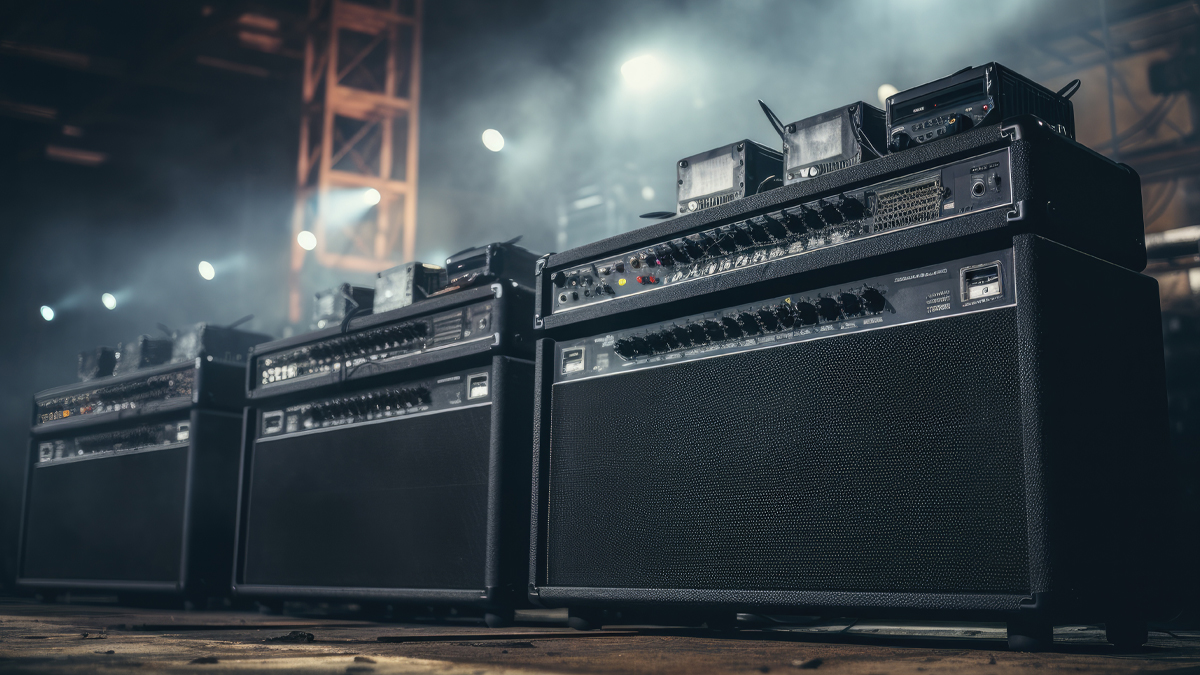
An amplifier cabinet is a speaker enclosure designed to reproduce the sound signal that comes from a guitar amplifier, bass amplifier, keyboard amplifier, or other powered audio source. In simple terms, it is the physical box that contains one or more loudspeakers and is built to project sound in a controlled and musical way. In the world of music electronics, the amplifier cabinet is a highly important part of the signal chain because it shapes volume, tone, projection, warmth, punch, and overall listening experience.
An amplifier cabinet does not merely hold a speaker. It also influences how that speaker behaves.
When musicians speak about their sound, they often focus on the instrument, effects, and amplifier head, but the cabinet is equally significant. The same amplifier can sound very different when connected to different cabinets. A closed back cabinet may sound tighter and more focused, while an open back cabinet may sound wider and more spacious. The size of the enclosure, the number of speakers, the speaker material, and the construction quality all affect the final sound heard by the audience or the performer.
Amplifier cabinets are especially common in guitar and bass setups. A guitarist might use a compact one speaker cabinet for studio recording, while a touring rock player may prefer a large four speaker cabinet for stage power and projection. Bass players also rely on cabinets designed to handle lower frequencies, greater power, and stronger speaker excursion. In every case, the cabinet acts as the voice box of the amplifier system.
How does Amplifier Cabinet Work?
An amplifier cabinet works by converting electrical signals into audible sound through one or more loudspeakers mounted inside an enclosure. The amplifier sends a powered signal to the cabinet through a speaker cable. Inside the cabinet, the speaker drivers receive that signal and move their cones back and forth. This movement pushes air and creates sound waves that listeners hear.
Signal conversion: The cabinet receives amplified electrical energy and turns it into acoustic energy.
The cabinet enclosure plays a critical role in how those sound waves behave. If the speaker were simply placed in open air without a proper enclosure, the front and rear sound waves could interfere with each other and reduce low frequency response. The cabinet helps manage this acoustic behavior. By controlling the movement of air around the speaker, the cabinet improves efficiency, tonal balance, and projection.
Different enclosure designs create different sound characteristics. An open back cabinet allows some sound to escape from the rear, often producing a more airy and room filling sound. A closed back cabinet traps the rear sound wave, usually creating stronger low end, tighter punch, and more direct projection. Ported designs use carefully sized openings to enhance bass response and speaker efficiency.
Speaker interaction: In cabinets with multiple speakers, the drivers work together to increase output and alter tonal spread.
The electrical side is also important. Cabinets are designed with specific impedance values, such as 4 ohms, 8 ohms, or 16 ohms. The amplifier must be matched correctly to the cabinet to ensure safe operation and optimal sound. When the amplifier and cabinet are properly matched, the system performs more efficiently and reduces the risk of damage.
What are the Components of Amplifier Cabinet?
An amplifier cabinet contains several essential components that work together to produce and shape sound. Each part contributes to tone, durability, safety, and usability.
Speaker drivers: These are the most important active parts of the cabinet. They convert electrical signals into sound. Cabinets may include one speaker or multiple speakers, depending on design and intended use.
Cabinet enclosure: This is the outer box that houses the speakers. It is usually made from plywood, medium density fiberboard, or other wood based materials. The enclosure determines resonance, strength, and acoustic behavior.
Baffle board: The baffle is the front panel where the speakers are mounted. Its thickness and rigidity affect vibration control and tone.
Back panel: This panel can be open, partially open, or closed. The back panel design strongly influences the cabinet response, especially in the bass and midrange frequencies.
Wiring: Internal wires connect the speakers to the input jack. In multi speaker cabinets, the wiring arrangement determines the total impedance and load seen by the amplifier.
Input jack plate: This is where the speaker cable connects the cabinet to the amplifier. Some cabinets include multiple jacks for linking cabinets or selecting different impedance options.
Protective grille or cloth: The front of the cabinet often includes a grille cloth or metal grille to protect the speakers from physical damage while allowing sound to pass through.
Handles and corners: These features improve portability and protect the cabinet during transport. Touring cabinets often include reinforced corners and recessed handles.
Feet or casters: Rubber feet stabilize the cabinet, while wheels help move larger models.
Damping material: Some cabinets include internal padding or acoustic material to reduce unwanted resonance and smooth out the frequency response.
Construction details: Joinery, screws, adhesives, and finish materials also matter because they affect long term strength and sound integrity.
What are the Types of Amplifier Cabinet?
Amplifier cabinets come in many forms, each designed for a particular tonal goal, performance setting, or instrument application. Understanding the different types helps musicians choose the right cabinet for their needs.
Open back cabinet: This type has an open rear section that allows sound to radiate from both the front and back of the speakers. It often produces a spacious, natural, and less compressed tone. Many combo style guitar amplifiers use this design.
Closed back cabinet: This design seals the rear of the enclosure. It usually delivers tighter bass, stronger punch, and more focused projection. It is popular in rock and metal guitar rigs.
Ported cabinet: A ported or vented cabinet includes openings designed to enhance low frequency output. Bass cabinets commonly use this type because it improves efficiency in the lower register.
Sealed cabinet: This is similar to a closed design but focuses specifically on controlled air pressure and tight speaker response. It is valued for accuracy and punch.
One speaker cabinet: Often called a 1×12 or 1×15 depending on speaker size, this type is compact and portable. It is ideal for recording, rehearsal, and smaller stages.
Two speaker cabinet: A 2×12 or 2×10 cabinet provides more output and a broader sound field while remaining easier to transport than larger cabinets.
Four speaker cabinet: A 4×12 cabinet is one of the most iconic designs in guitar music. It offers high output, strong stage presence, and a powerful visual identity.
Bass cabinet: These are built to reproduce lower frequencies with high power handling. They often use larger speakers or combinations of speaker sizes.
Extension cabinet: This cabinet is added to an existing amplifier setup to expand volume, projection, or tonal range.
Custom cabinet: Some musicians choose hand built or specially voiced cabinets tailored to their instrument, preferred speaker brand, and musical style.
Application focus: The type of cabinet chosen often reflects the balance between portability, loudness, tonal character, and room size.
What are the Applications of Amplifier Cabinet?
Amplifier cabinets are used in many areas of music production, performance, and sound reinforcement. Their applications extend far beyond simply making an instrument louder.
Live performance: On stage, amplifier cabinets help musicians project their sound to the audience and to fellow performers. Guitarists and bassists depend on cabinets for clarity, volume, and feel during concerts.
Studio recording: In recording environments, cabinets contribute strongly to microphone tone. Engineers often choose specific cabinets and speaker combinations to capture certain textures, from clean sparkle to saturated crunch.
Practice and rehearsal: Smaller cabinets are useful for home practice rooms and rehearsal spaces where musicians need controlled volume with quality tone.
Touring rigs: Professional touring artists use durable cabinets that can withstand transport and repeated setup. These cabinets must perform consistently under demanding conditions.
Backline support: Venues and rental companies often keep standard amplifier cabinets for guest performers. These are part of shared stage equipment used in many live shows.
Bass reinforcement: Bass cabinets are essential for reproducing low frequencies with authority in live bands, worship settings, clubs, and large venues.
Keyboard and electronic instruments: Some powered or connected cabinets can support keyboards, electronic drums, and other instruments that require amplified sound output.
Educational use: Music schools, colleges, and training studios use amplifier cabinets to teach signal flow, tone shaping, and sound system setup.
Creative sound design: Producers and experimental musicians may use different cabinets to achieve unusual frequency responses, room interaction, or vintage character.
Practical value: The cabinet is useful wherever musicians need controlled, musical, and reliable sound reproduction from an amplifier.
What is the Role of Amplifier Cabinet in Music Industry?
The amplifier cabinet plays a central role in the music industry because it affects how amplified instruments are heard, recorded, and perceived. It is not only a technical device but also a creative and commercial tool.
Tone shaping role: The cabinet strongly influences the sonic identity of a performer. Many famous guitar and bass tones are associated as much with cabinet choice as with amplifier circuitry.
Performance role: In concerts and events, the cabinet helps musicians hear themselves and deliver a convincing stage sound. The physical movement of air from a cabinet also contributes to playing feel, which matters greatly to performers.
Recording role: In studios, the cabinet becomes part of the production chain. Different cabinets create different tonal fingerprints, allowing producers and engineers to build unique sounds for recordings.
Manufacturing role: Cabinet design is a significant product category within music electronics. Many companies specialize in cabinet construction, speaker loading, and enclosure innovation.
Brand identity role: Certain cabinet shapes and speaker configurations have become visual symbols in rock, blues, metal, country, and other genres. The cabinet therefore contributes to stage image and brand recognition.
Economic role: Cabinets support a large market that includes manufacturers, retailers, repair technicians, rental firms, and custom builders.
Educational role: Learning about cabinets helps musicians understand impedance, speaker behavior, enclosure acoustics, and practical rig building.
Industry importance: The amplifier cabinet helps connect engineering, artistry, performance, and commerce within the wider music business.
What are the Objectives of Amplifier Cabinet?
An amplifier cabinet is designed with several clear objectives in mind. These objectives guide its construction, speaker loading, and intended use.
Sound reproduction: The primary goal is to reproduce the amplified signal in an audible and musically pleasing form.
Tone enhancement: A cabinet should shape and support the tonal qualities desired by the player, whether warm, bright, tight, deep, smooth, or aggressive.
Projection: It must project sound effectively into a room, stage, or venue so that the instrument can be heard clearly.
Speaker protection: The cabinet protects delicate speaker components from dust, impact, and environmental stress.
Acoustic control: It helps manage internal air movement, resonance, and wave interaction for better sonic performance.
Power handling: A well designed cabinet should safely handle the power output of the amplifier without distortion caused by overload.
Portability: Many cabinets are designed to balance sound quality with manageable size and weight.
Reliability: The cabinet should perform consistently over time in practice, studio, and live settings.
System compatibility: It should match appropriate amplifier outputs in impedance and power rating for safe integration.
User objective: For musicians, the cabinet exists to deliver dependable tone and usable volume in real musical situations.
What are the Benefits of Amplifier Cabinet?
Amplifier cabinets provide many benefits that make them indispensable in modern music electronics. These benefits apply to performers, recording engineers, educators, and audiences.
Improved tone: A good cabinet enriches the amplifier signal and adds character, depth, and dimension to the sound.
Better projection: Cabinets help sound travel more effectively in a room, allowing musicians to be heard with greater clarity.
Controlled frequency response: The enclosure design supports balanced lows, mids, and highs according to the intended instrument and style.
Greater volume capability: Multiple speaker cabinets can produce higher sound pressure levels than a small internal speaker arrangement.
Enhanced stage presence: A proper cabinet setup often creates a fuller and more powerful sound field on stage.
Flexibility: Musicians can pair different cabinets with different amplifier heads to create varied tonal combinations.
Durability: A sturdy cabinet protects speakers and withstands the demands of transport and repeated use.
Recording options: Producers can choose cabinets that complement microphones, room acoustics, and song style.
Better playing feel: Many players respond not just to the sound of a cabinet but also to the physical feedback it creates.
Long term value: High quality cabinets can remain useful for many years and often outlast other parts of an amplifier rig.
Overall advantage: The cabinet improves both practical performance and artistic expression.
What are the Features of Amplifier Cabinet?
Amplifier cabinets are defined by a range of features that affect usability, sound, and compatibility. These features vary by brand, model, and intended instrument.
Speaker configuration: Cabinets may have one, two, four, or even more speakers. The configuration affects output, spread, and tonal complexity.
Speaker size: Common sizes include 10 inch, 12 inch, and 15 inch speakers. Each size has its own response characteristics.
Enclosure design: Open back, closed back, and ported constructions create different sonic behaviors.
Impedance rating: Cabinets are rated for specific impedance values to match amplifier requirements.
Power rating: This indicates how much amplifier power the cabinet can handle safely.
Cabinet material: Birch plywood, pine, and other materials influence resonance, weight, and durability.
Mounting format: Some cabinets are vertical, some horizontal, and some angled for improved monitoring.
Connection options: Certain models include dual inputs, parallel connections, or switchable impedance settings.
Protective elements: Grilles, corner guards, textured finishes, and tough coverings help the cabinet survive regular use.
Transport features: Handles, casters, and lightweight designs improve portability.
Aesthetic design: Cabinet appearance also matters in the music industry because stage presentation contributes to artist identity.
Functional design: The best features combine practicality, safety, sound quality, and visual appeal.
What are the Examples of Amplifier Cabinet?
There are many practical examples of amplifier cabinets used across different musical situations. These examples help illustrate how cabinet choice depends on instrument type, venue size, and tonal goals.
Small guitar cabinet: A 1×12 guitar cabinet is often used by studio players, blues musicians, and home users who want focused sound with easier portability.
Medium guitar cabinet: A 2×12 cabinet is popular for players who want more spread and fuller sound without the bulk of a larger enclosure.
Large guitar cabinet: A 4×12 cabinet is a classic example in rock and metal performance, known for strong projection and powerful visual impact.
Compact bass cabinet: A 1×15 or 2×10 bass cabinet can work well for rehearsals, small gigs, and portable setups.
High output bass cabinet: A 4×10 or larger bass cabinet is commonly used for louder live situations where deep low end and punch are needed.
Extension cabinet for combo amplifier: Many players add an external cabinet to increase coverage and tonal options beyond the built in speaker.
Vintage style cabinet: Some cabinets are modeled after older designs and paired with period correct speakers to recreate classic tones.
Modern lightweight cabinet: Newer cabinets may use advanced materials and neodymium speakers to reduce weight while maintaining strong output.
Custom shop cabinet: Handcrafted cabinets built for particular artists or niche tonal demands also serve as excellent examples of specialized design.
Real world lesson: These examples show that there is no single ideal cabinet for every musician.
What is the Definition of Amplifier Cabinet?
The definition of an amplifier cabinet is a specially constructed enclosure that houses one or more loudspeakers and is intended to reproduce the output signal of an amplifier in an acoustically controlled manner. This definition emphasizes both the physical and functional nature of the device.
Technical definition: It is a speaker enclosure engineered to convert amplified electrical audio signals into audible sound while influencing tonal quality through enclosure design.
This definition is important because it separates the cabinet from the amplifier head. The head amplifies the signal electrically, while the cabinet reproduces it acoustically. In some integrated products, such as combo amplifiers, the amplifier and speaker enclosure are built into one unit. Even then, the cabinet part still serves the same essential purpose as a separate amplifier cabinet.
A complete definition must include enclosure structure, speaker loading, and acoustic function. Without these elements, the device would not properly qualify as an amplifier cabinet within music electronics.
What is the Meaning of Amplifier Cabinet?
The meaning of amplifier cabinet extends beyond its dictionary style definition. In practical and musical terms, it means the sound shaping enclosure that gives a voice to the amplified signal. It is the part of the rig that turns electrical power into the audible character people recognize on stage and in recordings.
Practical meaning: An amplifier cabinet is the sound outlet of an amplifier system.
For musicians, the meaning of an amplifier cabinet often includes feel, identity, and expression. A player may describe a cabinet as warm, aggressive, smooth, deep, or responsive. These descriptions show that the cabinet is not viewed only as a box with speakers, but as a major contributor to artistic output.
In the broader music industry, the meaning also includes reliability, performance readiness, and brand value. A cabinet can define part of a musician’s signature setup and can influence how audiences perceive both sound and image.
What is the Future of Amplifier Cabinet?
The future of amplifier cabinet is likely to combine traditional acoustic principles with modern innovation. Even as digital modeling and direct recording become more common, cabinets continue to remain relevant because musicians still value real speaker interaction and physical sound projection.
Material innovation: Manufacturers are exploring lighter and stronger materials to reduce transport weight without sacrificing tone.
Speaker technology: Advances in speaker design may improve power handling, clarity, efficiency, and consistency.
Hybrid use: Many modern rigs combine digital amplifier modeling with physical cabinets, allowing players to enjoy both convenience and authentic air movement.
Customization growth: More musicians are seeking personalized cabinets with specific speakers, dimensions, and voicing to match their style.
Portable solutions: The demand for compact and lightweight performance equipment will continue to shape future cabinet design.
Sustainability focus: Environmentally responsible materials and production methods may become more important in manufacturing.
Integration with modern workflows: Cabinets may be designed to work more easily with reactive loads, impulse response systems, and studio silent recording setups.
Enduring relevance: Although technology changes, the amplifier cabinet is likely to remain important because live music still depends on audible presence, feel, and projection.
Summary
- Amplifier cabinet is a speaker enclosure that reproduces the output of an amplifier in a controlled and musical way.
- It works by receiving amplified electrical signals and converting them into sound through speaker drivers.
- The enclosure design strongly affects tone, projection, bass response, and overall listening experience.
- Main components include speaker drivers, enclosure, baffle, back panel, wiring, input jack, grille, and protective hardware.
- Common types include open back, closed back, ported, sealed, one speaker, two speaker, four speaker, bass, extension, and custom cabinets.
- Amplifier cabinets are used in live performance, studio recording, rehearsal, touring, education, and creative sound design.
- In the music industry, they play an important role in tone shaping, stage sound, recording quality, branding, and product manufacturing.
- Their objectives include sound reproduction, tone enhancement, projection, speaker protection, acoustic control, and reliable compatibility with amplifiers.
- Their benefits include improved tone, better projection, increased volume capability, flexibility, durability, and better player response.
- Important features include speaker configuration, speaker size, enclosure type, impedance, power rating, material, transport options, and visual design.
- Examples range from compact guitar cabinets and large rock cabinets to bass cabinets, extension cabinets, vintage designs, and custom models.
- The definition of amplifier cabinet focuses on its role as an enclosure for speakers that reproduces amplified audio.
- The meaning of amplifier cabinet includes its practical, artistic, and industry value as the voice of an amplifier system.
- The future of amplifier cabinet will likely involve lighter materials, improved speaker technology, greater customization, and better integration with modern music workflows.

