

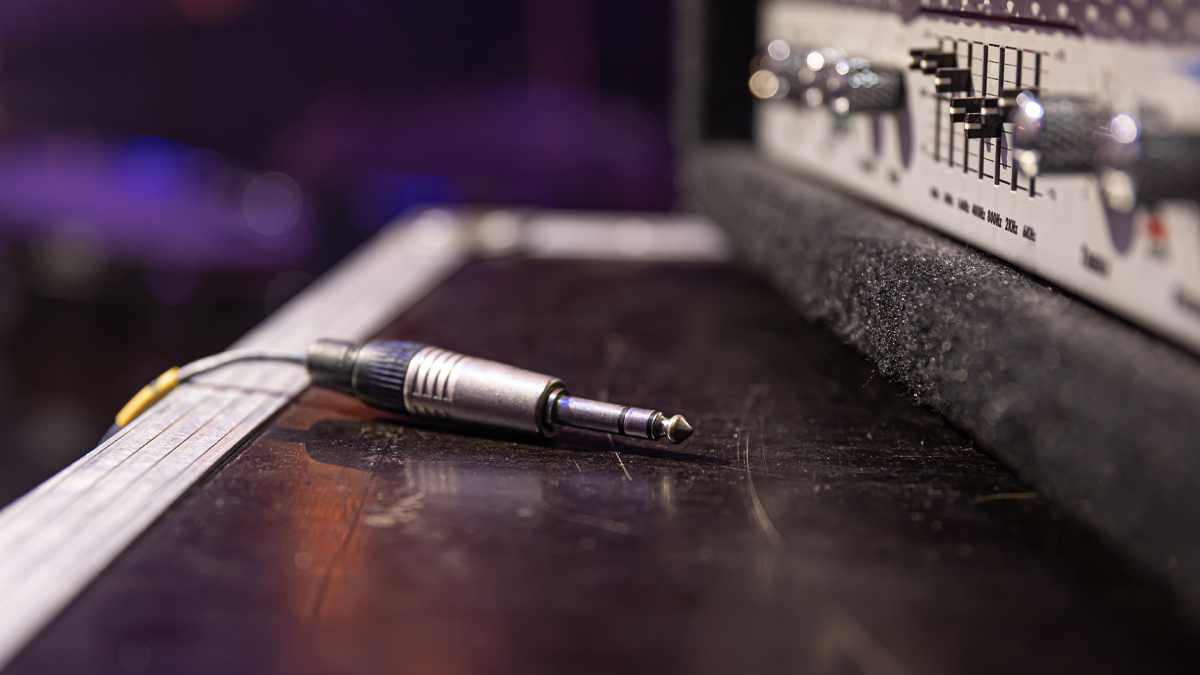
What is Pre Amplifier?
A Pre Amplifier is an electronic device or circuit that takes a very weak audio signal and raises it to a stronger, cleaner, and more usable level before it is sent to a power amplifier or recording system. In music electronics, many audio sources such as microphones, guitars with certain pickups, keyboards, turntables, and other instruments often produce signals that are too low for direct processing at the next stage. The Pre Amplifier solves this problem by boosting the signal while trying to preserve tonal detail, dynamic range, and clarity.
In simple terms, a Pre Amplifier is the first major gain stage in the audio chain. It prepares sound for further amplification, mixing, recording, or broadcasting. Without it, a weak signal may sound too quiet, dull, noisy, or thin. With a proper Pre Amplifier, that same signal becomes strong enough to move through the rest of the system with greater stability and better sound quality.
In the music industry, the importance of the Pre Amplifier is very high because it influences the character of the sound from the very beginning. A microphone preamp can make a vocalist sound warm, open, sharp, rich, or transparent depending on the design. Instrument preamps can shape the identity of electric guitars, basses, acoustic instruments, and studio signals. This is why engineers, producers, performers, and audio designers pay close attention to the quality and type of Pre Amplifier they use.
A Pre Amplifier is not only about loudness. It is also about control. It can manage gain, impedance, tone shaping, noise performance, and signal compatibility. In many setups, it acts as a bridge between the sound source and the rest of the audio system. Because of this, the Pre Amplifier is one of the most important foundations in music electronics.
How does Pre Amplifier Work?
A Pre Amplifier works by receiving a low level input signal and increasing its voltage to a level that is suitable for further processing. The signal coming from a microphone or musical instrument is often too weak to be directly connected to a power amplifier or some audio interfaces without noticeable loss in quality. The Pre Amplifier applies gain to strengthen the signal so that the next device in the signal chain can work properly.
The working process begins when an audio source sends a signal to the input stage of the Pre Amplifier. This stage is designed to accept the specific characteristics of the source. For example, a microphone signal has different requirements than a guitar pickup or a turntable cartridge. Once the signal enters the unit, it passes through amplification components such as transistors, tubes, or operational amplifiers. These parts increase the signal level while attempting to keep distortion and unwanted noise as low as possible.
Many Pre Amplifiers also include impedance matching. This is important because if the source and destination are not electrically compatible, the sound can lose strength, detail, or frequency balance. Proper impedance handling helps preserve the original tone and ensures efficient signal transfer.
After the gain stage, the signal may pass through additional circuits for tone control, filtering, equalization, or volume adjustment. In some designs, the goal is to color the sound and add warmth or character. In others, the goal is extreme transparency so the original source remains as unchanged as possible except for the increase in level.
Finally, the boosted signal leaves the Pre Amplifier and goes to the next stage, which may be a mixer, audio interface, recording console, effects processor, or power amplifier. In studio and live sound environments, this step is critical because the quality of the preamplified signal affects every stage that follows. If the Pre Amplifier introduces noise, harshness, or instability, those problems often become more noticeable later. If it provides clean and controlled gain, the entire audio chain benefits.
What are the Components of Pre Amplifier?
A Pre Amplifier is made up of several important components, each playing a specific role in signal handling and sound quality. Although designs vary depending on the device type and purpose, most Pre Amplifiers share a number of common elements.
The input stage is one of the most important parts. It is where the audio signal enters the circuit. This stage is designed to receive the signal safely and match the source characteristics. A well designed input stage helps reduce signal loss and noise.
The gain stage is the heart of the Pre Amplifier. This is where the weak signal is increased. The gain may be produced through vacuum tubes, transistors, field effect transistors, or integrated circuits such as operational amplifiers. The quality and design of this stage strongly influence the tone, clarity, and headroom of the device.
Power supply circuitry is another essential component. Every Pre Amplifier needs stable electrical power to perform consistently. A poor power supply can introduce hum, noise, or instability. A strong power section improves reliability and supports clean amplification.
Volume or gain controls are included so that the user can adjust how much the signal is boosted. In microphone preamps, this is often labeled as gain. In some line preamps, a volume control may determine output level before the signal goes to the next device.
Impedance matching circuits help the Pre Amplifier accept different types of inputs efficiently. This is especially useful for instruments like electric guitar or bass, where the pickup response can change depending on the input design.
Tone shaping sections may also be present. These can include bass, middle, and treble controls, high pass filters, low pass filters, or more advanced equalization options. These features allow users to shape the tonal balance before the signal continues down the audio path.
Output stage circuitry sends the amplified signal forward. It must provide a stable and strong output that can connect properly with the next device in the chain. Balanced outputs may be used in professional systems to reduce interference and maintain signal quality over longer cable runs.
Additional components may include switching sections, input selectors, mute controls, phantom power for condenser microphones, grounding systems, shielding, and protective circuits. Each of these contributes to ease of use, flexibility, or technical performance.
What are the Types of Pre Amplifier?
There are several types of Pre Amplifier, and each serves a different role in music electronics. The choice depends on the audio source, desired sound character, and application environment.
Microphone Pre Amplifier: This type is designed to boost the very low signal from a microphone to line level. It is widely used in recording studios, live sound systems, broadcast setups, and home production rooms. It may include phantom power for condenser microphones and gain control for different mic sensitivities.
Instrument Pre Amplifier: This type is used for instruments such as electric guitar, bass guitar, and acoustic instruments with pickups. It helps strengthen the signal while preserving tone and dynamics. Many instrument preamps also include equalization and tone shaping features.
Phono Pre Amplifier: This type is made for turntables. The signal from a turntable cartridge is extremely low and requires special amplification and equalization before it can be used with standard audio systems. In music electronics and archival work, phono preamps are essential for vinyl playback and transfer.
Line Pre Amplifier: This type handles signals that are already stronger than microphone or instrument level but still require routing, control, and conditioning before power amplification. It is common in home audio systems, studio monitoring chains, and professional control rooms.
Tube Pre Amplifier: This design uses vacuum tubes for signal amplification. Tube preamps are valued for their warm, rich, and often musical sound character. They are popular in recording, guitar amplification, and high end audio applications.
Solid State Pre Amplifier: This design uses transistors or integrated circuits. Solid state preamps are often known for reliability, precision, low maintenance, and clear response. They are widely used in modern music production and live sound.
Hybrid Pre Amplifier: This type combines tube and solid state technology. The purpose is often to blend the warmth of tubes with the control and consistency of solid state circuitry.
Standalone Pre Amplifier: This is a separate external unit used in studios, live rigs, or audiophile systems. It offers dedicated performance and often higher quality control over gain and tone.
Built in Pre Amplifier: Many mixers, audio interfaces, keyboard amplifiers, acoustic amplifiers, and active instruments contain built in preamps. These units provide convenience and compact system design.
What are the Applications of Pre Amplifier?
The applications of Pre Amplifier are broad across the music industry and music electronics. It is used wherever weak audio signals must be raised and prepared for further work.
In recording studios, Pre Amplifiers are used to capture vocals, drums, guitars, pianos, strings, brass, and many other sound sources. A quality microphone preamp ensures that the recording begins with strong signal integrity and minimal noise.
In live sound reinforcement, Pre Amplifiers are used in mixers, stage boxes, wireless systems, and instrument rigs. They help microphones and instruments reach usable levels before sound is sent to speakers or monitors.
In guitar and bass systems, Pre Amplifiers shape the sound before the power amp stage. They often define the tonal identity of the amplifier itself. Many guitarists rely on preamp sections for overdrive, clarity, punch, and tonal contour.
In acoustic performance, a Pre Amplifier is used to strengthen pickup signals from acoustic guitars, violins, or other string instruments. It helps deliver a more natural and controlled sound to the mixer or amplifier.
In broadcasting and podcast production, the Pre Amplifier is used to deliver clean voice capture with enough gain and low noise for speech clarity.
In home studios and project studios, external Pre Amplifiers are used to improve the quality of entry level recording systems. Many producers use them to add depth or specific tonal character to vocals and instruments.
In DJ and turntable systems, phono preamps are required to raise cartridge signals and apply the proper equalization curve for accurate vinyl playback.
In digital music production, the Pre Amplifier remains important because all analog sound entering a digital system must first be prepared correctly. No matter how advanced software becomes, the analog input stage still affects the final result.
What is the Role of Pre Amplifier in Music Industry?
The role of Pre Amplifier in the music industry is central because it influences how sound enters, moves through, and responds within professional audio systems. It acts as a gatekeeper between the source and the rest of the signal chain.
In music recording, the Pre Amplifier determines how accurately a microphone or instrument is captured. A clean and capable preamp can preserve detail, transient response, and tonal balance. A colored preamp can add warmth, body, edge, or texture that becomes part of the artistic sound.
In live performance, the Pre Amplifier helps ensure that voices and instruments are heard clearly and consistently. Since stage environments are often noisy and technically demanding, reliable preamplification is essential for strong output and low interference.
In amplifier design, especially for guitar and bass equipment, the preamp section often creates much of the desired tone. Distortion, gain structure, and voicing are commonly developed in this stage before the power amplifier increases loudness for the speaker cabinet.
In production and mixing workflows, engineers often choose different Pre Amplifiers for different sources. One preamp may flatter vocals, another may suit drums, and another may work better for acoustic instruments. This makes the Pre Amplifier not just a technical necessity but also a creative tool.
In music education and equipment development, understanding the role of the Pre Amplifier helps students and professionals build better signal chains, reduce noise problems, and achieve more intentional sound results.
What are the Objectives of Pre Amplifier?
The objectives of Pre Amplifier go far beyond simply making the signal louder. Its main goal is to prepare weak audio signals for the next stage in the most effective way possible.
One objective is signal boosting. A Pre Amplifier must take low level input and raise it to a usable level without losing important detail.
Another objective is noise control. Since weak signals are vulnerable to unwanted noise, the Pre Amplifier should add as little hiss, hum, or interference as possible.
A further objective is signal preservation. The original character of the source should remain intact unless tonal coloration is intentionally desired. Good preamplification respects the performance and source quality.
Impedance compatibility is also an important objective. The Pre Amplifier should receive the signal properly and pass it onward without mismatch related losses.
Tone shaping can be another objective, particularly in musical applications. Some preamps are designed to add warmth, brightness, punch, depth, or harmonic richness.
Control and flexibility are additional objectives. Users often need gain adjustment, filtering, input switching, and equalization options to work effectively in real world setups.
Reliability is another goal. In studios and live events, the Pre Amplifier must operate consistently and withstand long use without failure.
What are the Benefits of Pre Amplifier?
The benefits of Pre Amplifier are both technical and musical. A good Pre Amplifier improves sound handling from the very beginning of the audio chain.
One major benefit is stronger signal level. Weak inputs become easier to record, process, mix, and amplify. This reduces the risk of thin or unusable source audio.
Another benefit is improved sound quality. A well designed preamp helps preserve clarity, detail, punch, and frequency balance. It can also improve the sense of presence in vocals and instruments.
Low noise performance is a major advantage. Since the signal becomes stronger early in the chain, it is less likely to be overwhelmed by unwanted background noise later.
Better tonal control is another benefit. Many Pre Amplifiers allow users to shape the sound before it reaches other devices. This can make mixing easier and create more expressive results.
A Pre Amplifier can also add musical character. Tube or transformer based designs are often chosen because they provide pleasing harmonic texture and warmth.
System compatibility is improved as well. Different sources can connect more effectively to mixers, interfaces, and amplifiers when a proper Pre Amplifier is used.
For performers and engineers, confidence is another benefit. A dependable preamp supports consistent results across studio sessions, rehearsals, and live shows.
What are the Features of Pre Amplifier?
Pre Amplifiers come with a range of features depending on their purpose and design level. These features help users control signal flow, tone, and performance.
Gain control is one of the most basic and essential features. It allows the user to set how much amplification is applied to the incoming signal.
Input selection is another common feature. Some units can accept microphones, instruments, line sources, or multiple channels. This increases flexibility.
Phantom power is an important feature in many microphone preamps. It supplies power to condenser microphones that require external voltage.
Equalization or tone control is often included. Bass, middle, treble, presence, and filter controls help shape the sound before further processing.
High pass filtering is a useful feature for removing unwanted low frequency rumble, handling noise, or excessive proximity effect.
Balanced input and output connections are common in professional units. These help reduce noise and support longer cable runs.
Metering may also be available. Visual level indicators help users avoid clipping and set proper gain levels.
Pad switches, phase inversion, and impedance selection are advanced features found on many studio preamps. These allow the device to adapt to different recording conditions and sound sources.
Drive or saturation control can be included in character based units. This allows users to introduce controlled coloration or harmonic richness.
Compact size, rack mounting, channel linking, digital output options, and memory presets may also be found in modern units depending on the intended application.
What are the Examples of Pre Amplifier?
There are many examples of Pre Amplifier in practical music electronics. Some are dedicated external units, while others are built into instruments, mixers, and amplifiers.
A microphone channel strip used in a studio is one example. It often includes a mic preamp, equalizer, and compressor in a single device.
A guitar amplifier front end is another example. Before the power section drives the speaker, the preamp shapes gain, distortion, and tone.
A bass preamp pedal is a common example in live performance. It boosts the bass signal, adjusts equalization, and may feed both an amplifier and a direct output to the mixing console.
An acoustic guitar onboard preamp is another example. Many electro acoustic instruments have built in preamps with volume, tone, and tuning functions.
A mixer input channel contains a preamp section. When a singer plugs a microphone into the mixer, that preamp raises the mic signal to a workable level.
A phono stage for vinyl playback is another classic example. It is specifically designed for turntable cartridges and applies the required equalization.
An audio interface with microphone inputs also includes Pre Amplifiers. These are widely used in home recording and professional music production.
What is the Definition of Pre Amplifier?
The definition of Pre Amplifier is an electronic device or circuit that increases a low level audio signal to a higher level suitable for further amplification, processing, recording, or playback. It is usually placed near the beginning of the audio signal path and is designed to improve signal usability while maintaining sound quality.
In music electronics, this definition also includes the idea of signal preparation. The Pre Amplifier does not merely boost volume. It conditions the signal so it can interact correctly with mixers, interfaces, effects units, or power amplifiers. Depending on design, it may also provide tonal shaping, impedance matching, and source control.
What is the Meaning of Pre Amplifier?
The meaning of Pre Amplifier can be understood by breaking the term into two parts. The word pre means before, and amplifier means a device that increases signal strength. So, a Pre Amplifier is an amplifier that works before the main amplification stage.
Its meaning in practical audio use is even more important. It refers to the stage where fragile sound signals are strengthened and made ready for serious audio work. In musical systems, it represents preparation, control, and tonal foundation. It is the point where a raw source begins its journey toward final output.
Because the Pre Amplifier affects tone, gain, and signal cleanliness so early in the chain, its meaning extends beyond a technical label. It represents one of the first and most influential decisions in shaping sound quality.
What is the Future of Pre Amplifier?
The future of Pre Amplifier is likely to combine classic analog strengths with modern digital flexibility. Even as music production becomes more software based, the need for high quality analog input stages remains strong because microphones and instruments still produce real world electrical signals that need proper preparation.
Future Pre Amplifiers will likely become quieter, more efficient, and more adaptable. Designers are working toward lower noise floors, better headroom, compact formats, and improved power efficiency. This will benefit both portable creators and professional studios.
Digital integration is also becoming more common. Some modern preamps already include digital conversion, remote control, recall settings, and software integration. This trend will continue, making workflow faster and more precise.
At the same time, interest in vintage tone remains strong. Tube circuits, transformer coloration, and classic style sound shaping are likely to remain popular. This means the future will probably not replace analog character but refine it and make it more accessible.
Artificial intelligence assisted gain staging, automated settings, and smarter signal analysis may also become part of some advanced systems. However, the artistic choice of sound character will still matter, especially in music production.
In live sound, future preamps may become more network connected, remotely controlled, and resistant to environmental challenges. In studio work, they may offer both transparency and customizable coloration in a single device.
The future of Pre Amplifier is therefore not about disappearance. It is about evolution. As long as music relies on capturing and shaping real sound sources, the Pre Amplifier will remain a key part of music electronics.
Summary
- A Pre Amplifier is a device or circuit that boosts weak audio signals to a usable level.
- It is commonly placed near the start of the audio chain.
- It is essential for microphones, instruments, turntables, and many studio or live sound sources.
- It works by applying gain while trying to keep noise and distortion low.
- Important components include the input stage, gain stage, power supply, controls, and output stage.
- Common types include microphone, instrument, phono, line, tube, solid state, and hybrid preamps.
- It is widely used in recording studios, live performance, broadcasting, DJ systems, and home production.
- In the music industry, it plays both a technical role and a creative role in shaping tone.
- Its objectives include signal boosting, noise control, preservation of sound quality, compatibility, and tonal control.
- Its benefits include clearer sound, stronger output, better noise performance, and improved system integration.
- Its features may include gain control, phantom power, equalization, filtering, balanced connections, and metering.
- Examples include studio channel strips, guitar amp front ends, bass preamp pedals, mixer inputs, and audio interfaces.
- The definition of Pre Amplifier centers on signal preparation before further amplification or processing.
- The meaning of Pre Amplifier highlights its position before the main amplification stage.
- The future of Pre Amplifier will likely combine analog sound quality with digital convenience and smarter control.

