

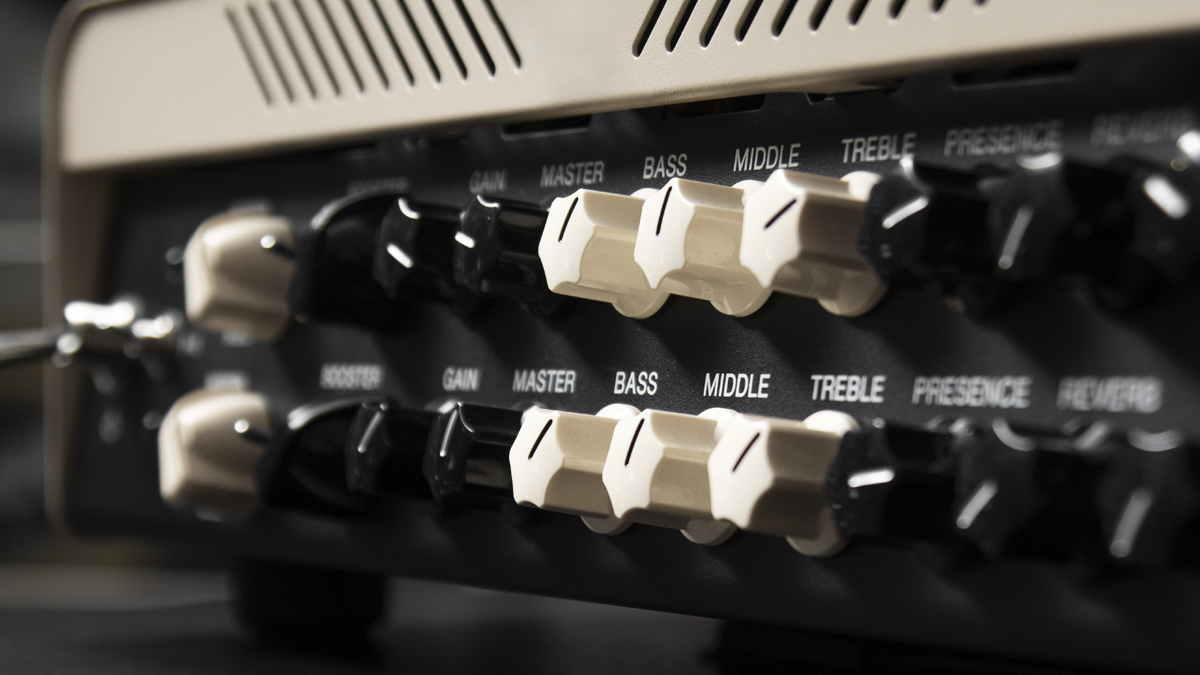
What is Integrated Amplifier?
An integrated amplifier is an audio device that combines two important sections of sound amplification into one unit. The first section is the preamplifier, which selects the input source, manages volume, and shapes the signal before it is sent forward. The second section is the power amplifier, which strengthens that signal enough to drive loudspeakers. Because both stages are housed in a single chassis, an integrated amplifier offers a practical and efficient solution for music listening, monitoring, and playback systems.
An integrated amplifier takes low level audio from sources such as CD players, turntables with a suitable phono stage, streamers, computers, or media players and prepares it for speaker output. This makes it a central part of many home audio and studio environments.
Practical value: In music electronics, integrated amplifiers are appreciated for saving space, reducing cable clutter, simplifying system setup, and offering a balanced combination of control and output power. Many users choose them because they provide strong performance without the complexity of maintaining separate preamplifier and power amplifier units.
In the music industry, integrated amplifiers are often used in listening rooms, rehearsal spaces, project studios, educational institutions, and personal audio systems. They help musicians, engineers, producers, and listeners hear sound with clarity, control, and consistency.
How does Integrated Amplifier Work?
An integrated amplifier works by receiving an audio signal from a source device, processing that signal in its control section, and then increasing its strength so that speakers can reproduce the sound clearly and at a useful listening level.
Signal path: The process begins when an audio source sends a small signal into the amplifier. This signal is too weak to move speaker drivers on its own. Inside the integrated amplifier, the preamplifier stage accepts the incoming signal, allows the user to choose the source, and adjusts settings such as volume, balance, and sometimes tone. After this, the power amplifier stage increases the signal to a level that can drive speakers effectively.
Control function: The preamplifier section acts like a manager for the audio signal. It determines which source is active and how loud the sound should be. In some models, it also provides tone controls for bass and treble, input buffering, gain adjustment, and sometimes digital to analog conversion if the amplifier includes digital inputs.
Power delivery: The power amplifier section then takes the conditioned signal and boosts its voltage and current. This stronger signal is sent to the loudspeakers, which convert electrical energy into sound waves. The quality of this stage strongly affects dynamics, clarity, bass control, and the ability to handle demanding musical passages.
Protection and stability: Many integrated amplifiers also include circuits that protect the system from overheating, overcurrent, and speaker damage. These features improve safety and extend the life of the amplifier, especially during long listening sessions or professional use.
In simple terms, an integrated amplifier works as the command center and engine of an audio system. It controls the sound and powers the speakers from a single unit.
What are the Components of Integrated Amplifier?
An integrated amplifier contains several internal sections that work together to deliver clean and controlled audio performance.
Power supply: The power supply is one of the most important sections. It converts incoming electrical current into the stable voltages needed by the amplifier circuits. A strong power supply helps maintain clean sound, better dynamics, and reliable operation under load.
Input stage: This section receives signals from source devices such as media players, DACs, turntables through a phono input, or streaming units. It is designed to accept different signal levels and route them properly inside the amplifier.
Source selector: The source selector allows the listener to choose which audio input will be played. It can be mechanical, electronic, or digitally controlled depending on the amplifier design.
Preamplifier section: This stage handles signal conditioning. It manages volume control, input switching, balance control, and sometimes tone adjustment. In some integrated amplifiers, the preamplifier also includes a phono stage for vinyl playback or a DAC for digital sources.
Volume control: This component adjusts the signal level before it reaches the power stage. High quality volume control is important because poor control can introduce noise, channel imbalance, or loss of detail.
Tone control section: Some models include bass and treble controls. These help users tailor the sound according to room acoustics, speaker characteristics, or personal preference.
Power amplifier section: This is the section responsible for delivering amplified output to the speakers. It increases current and voltage to drive speaker cones accurately and with authority.
Heat sinks and cooling system: Amplifier circuits generate heat during operation. Heat sinks and ventilation help remove excess heat and maintain stable performance.
Output terminals: These are the speaker connection points. Good quality terminals ensure secure connections and better current transfer to the speakers.
Protection circuitry: Many integrated amplifiers include circuits for overload protection, short circuit defense, thermal shutdown, and soft start functions. These protect the amplifier and connected equipment.
Display and control interface: Modern integrated amplifiers may include front panel displays, remote control support, digital menus, Bluetooth, network features, and headphone outputs.
Together, these components create a single unit that can manage and amplify sound efficiently for many audio applications.
What are the Types of Integrated Amplifier?
Integrated amplifiers come in different forms based on circuit design, technology, features, and intended use.
Solid state integrated amplifier: This type uses transistors for amplification. It is popular because it is durable, efficient, and often more affordable than valve based models. Solid state designs are common in home audio, professional environments, and modern music systems.
Tube integrated amplifier: This type uses vacuum tubes, also called valves, in the amplification path. Many listeners value tube amplifiers for their warm and natural sound character. They are often favored in audiophile setups and certain music production environments where tonal richness is desired.
Hybrid integrated amplifier: A hybrid model combines tube and transistor technology. It may use tubes in the preamplifier stage for tonal color and solid state output devices in the power stage for efficiency and control. This type aims to balance warmth and power.
Analog integrated amplifier: This design focuses on traditional analog circuitry and inputs. It is often preferred by listeners who prioritize straightforward signal paths and classic audio engineering.
Digital integrated amplifier: Some modern units include digital amplification methods, built in DAC sections, USB inputs, streaming features, and digital signal processing. These amplifiers are convenient for users with digital music libraries and network audio systems.
Stereo integrated amplifier: This is the standard type used for two channel sound reproduction. It is common in music listening systems, mastering reference rooms, and personal hi fi setups.
Integrated amplifier with phono stage: This type includes a dedicated section for turntable playback. It is useful for vinyl enthusiasts because it supports phono cartridges without requiring an external phono preamp.
Integrated amplifier with DAC: This version includes a digital to analog converter, allowing direct connection from computers, televisions, streamers, or digital players. It reduces the need for extra equipment.
Compact integrated amplifier: These models are smaller in size and designed for limited spaces, desktop audio, or lifestyle systems. They often balance convenience and performance.
High power integrated amplifier: These are built to drive demanding speakers and large rooms. They often include stronger power supplies, better heat management, and more advanced output stages.
Each type serves different needs. The best choice depends on listening habits, source equipment, speaker requirements, room size, and sound preference.
What are the Applications of Integrated Amplifier?
Integrated amplifiers are used in many audio environments because they combine control and power in one practical device.
Home music listening: One of the most common applications is home audio. Integrated amplifiers are used with bookshelf speakers, floor standing speakers, turntables, CD players, and streamers to create high quality music systems.
Project studios: In smaller recording or production spaces, integrated amplifiers can power passive monitor speakers or serve as the main playback control device for evaluating mixes and recordings.
Rehearsal spaces: Musicians and music teachers may use integrated amplifiers to reproduce backing tracks, demonstration material, or reference recordings during practice sessions.
Educational institutions: Music schools, colleges, and training centers often use integrated amplifiers in classrooms, listening labs, and demonstration rooms because they are simple to operate and easy to maintain.
Retail audio demonstrations: Music and electronics stores use integrated amplifiers to present speakers and source equipment to customers. Their all in one design makes system setup easier for display environments.
Media rooms: Integrated amplifiers are also used in personal entertainment spaces where users want better stereo sound for music, performances, and concert recordings.
Vinyl playback systems: Many integrated amplifiers are chosen for record player setups, especially when they include a built in phono stage.
Desktop and nearfield systems: Compact integrated amplifiers can be used in smaller workspaces for focused listening, editing, or casual enjoyment.
Reference listening: Producers, composers, and arrangers may use integrated amplifiers for critical listening when assessing tonal balance, stereo imaging, and musical detail.
The wide application range of integrated amplifiers shows their importance in both consumer and professional audio environments.
What is the Role of Integrated Amplifier in Music Industry?
The integrated amplifier plays an important supporting role in the music industry by helping professionals and listeners hear audio accurately, conveniently, and consistently.
Playback management: In many music related spaces, the integrated amplifier acts as the central playback unit. It connects source devices and speakers, making it easier to review music, reference masters, or present recorded work.
Monitoring support: While dedicated monitor controllers and studio amplifiers are common in larger professional facilities, integrated amplifiers remain useful in smaller studios, writing rooms, and educational settings where reliable stereo monitoring is needed.
Sound evaluation: Music producers, composers, and engineers often need to assess how a track sounds on different playback systems. An integrated amplifier can serve as part of a reference chain for understanding tonal balance, dynamics, and listening comfort.
Accessibility and simplicity: The music industry includes many people who need functional audio systems without a highly complex setup. Integrated amplifiers offer a simple path to good sound for instructors, students, artists, reviewers, and independent creators.
Support for music distribution and presentation: In offices, showrooms, and demonstration areas, integrated amplifiers help present finished music, speaker products, or audio formats to clients and audiences.
Connection hub: Modern integrated amplifiers often accept analog and digital sources. This makes them useful in music spaces where several playback devices need to be accessed from one control point.
Listening culture: The music industry is not only about recording and production. It is also about appreciation, review, archiving, and audience experience. Integrated amplifiers contribute to these activities by making quality stereo reproduction more available and more manageable.
In this way, the integrated amplifier supports the practical listening side of the music industry, helping people work with sound in a controlled and meaningful way.
What are the Objectives of Integrated Amplifier?
The objectives of an integrated amplifier are centered on sound quality, convenience, control, and efficient system design.
Signal amplification: A primary objective is to raise weak audio signals to a level that can power loudspeakers properly.
Source control: Another objective is to provide a single point for selecting between multiple audio sources, such as digital players, analog devices, and streaming units.
User adjustment: Integrated amplifiers are designed to let listeners control volume, balance, and sometimes tone so that playback suits the room, speakers, and preferences.
System simplification: By combining preamplifier and power amplifier functions, the integrated amplifier reduces the need for separate boxes, extra cables, and complicated connections.
Space efficiency: Many users need good audio performance in a limited area. Integrated amplifiers meet this need by bringing essential amplifier functions together in one chassis.
Cost effectiveness: Compared with buying separate preamplifier and power amplifier units, an integrated amplifier often offers a more affordable route to quality sound.
Stable performance: An important objective is to deliver reliable and consistent output across different listening levels and speaker loads.
Compatibility: Integrated amplifiers aim to work with a wide range of source devices and speaker systems, making them versatile in many listening setups.
Listening enjoyment: Beyond technical goals, an integrated amplifier is meant to support musical enjoyment by preserving detail, dynamics, rhythm, and tonal balance.
These objectives explain why integrated amplifiers remain a respected part of music electronics and audio system design.
What are the Benefits of Integrated Amplifier?
Integrated amplifiers offer many benefits that make them attractive to music lovers, students, professionals, and home audio users.
Convenience: Since the preamplifier and power amplifier are built into one unit, setup is easier and daily operation is simpler.
Lower cable clutter: Fewer separate components mean fewer interconnects and power cables. This improves neatness and can also reduce certain setup problems.
Better value: Many integrated amplifiers offer strong performance for the price because the functions are combined in one product.
Space saving design: They are ideal for rooms where equipment space is limited. This benefit is especially useful in apartments, studios, classrooms, and offices.
Ease of use: Source selection, volume control, and playback management are centralized. This makes integrated amplifiers friendly for beginners and practical for experienced users.
Balanced engineering: Because both main amplifier stages are designed together by the manufacturer, the internal matching between sections is often very good.
Versatility: Many models support analog inputs, digital inputs, Bluetooth, phono stages, headphone outputs, and remote control, making them adaptable to different needs.
Reliable performance: High quality integrated amplifiers are designed to maintain stable sound output and protect against faults such as overheating or speaker shorts.
Improved listening experience: A well designed integrated amplifier can provide clear midrange, strong bass control, smooth treble, and dynamic musical presentation.
Practical upgrade path: For many listeners, an integrated amplifier is an excellent foundation for building a better sound system over time by upgrading speakers or source devices later.
These benefits explain why integrated amplifiers continue to be popular across many levels of the audio world.
What are the Features of Integrated Amplifier?
Integrated amplifiers can include a wide range of features depending on their design, price level, and intended audience.
Multiple inputs: Most units provide several line level inputs for connecting various source devices. Some also include phono inputs for turntables.
Volume and balance control: These are core features that allow listeners to adjust loudness and stereo image distribution.
Tone controls: Some amplifiers include bass and treble adjustment, while others use a minimalist design with no tone shaping in order to keep the signal path simple.
Remote operation: Many models come with remote control support, making it easier to switch sources and adjust volume from a distance.
Built in DAC: Modern integrated amplifiers often have digital inputs such as optical, coaxial, or USB. This allows direct connection to digital music sources.
Bluetooth or wireless support: Some designs support wireless streaming from phones, tablets, or computers for added convenience.
Headphone output: This feature makes the amplifier useful for private listening and late night sessions.
Phono stage: Vinyl playback is supported in some models through a moving magnet or moving coil phono section.
Speaker terminals for multiple zones: Certain amplifiers allow connection to more than one pair of speakers, which can be useful in home audio installations.
Protection circuits: Good integrated amplifiers include thermal protection, overload protection, and short circuit defense for safer operation.
Display panel: Some units use clear front panel displays for volume level, source name, menu settings, and digital status.
High quality internal construction: Better models often include strong transformers, quality capacitors, low noise circuit layouts, and rigid chassis construction.
These features make integrated amplifiers suitable for both traditional and modern music playback systems.
What are the Examples of Integrated Amplifier?
There are many well known examples of integrated amplifiers across different price levels and sound philosophies.
Classic home audio examples: Brands such as Marantz, Yamaha, Denon, and Cambridge Audio have long offered integrated amplifiers for music lovers who want reliable stereo playback with useful features.
Audiophile examples: Companies such as Hegel, Rega, Naim, Rotel, Accuphase, Musical Fidelity, and Luxman are known for integrated amplifiers that focus on refined sound quality, build quality, and strong engineering.
Tube based examples: Brands such as Line Magnetic, PrimaLuna, and Cayin produce integrated amplifiers that use valve technology and appeal to listeners seeking a more organic presentation.
Compact examples: Some modern companies make smaller integrated amplifiers that fit desktop or room friendly setups while still delivering good speaker control and source connectivity.
Vinyl friendly examples: Many integrated amplifiers include phono stages, making them a strong match for turntable centered systems.
Digital ready examples: A number of current integrated amplifiers include DACs, USB support, network streaming, or Bluetooth, which makes them suitable for users with computer audio and online music libraries.
It is important to understand that examples can vary widely in power output, circuit type, sonic character, and connectivity. Some are designed for simplicity and purity, while others aim to be all purpose control centers for modern music systems.
What is the Definition of Integrated Amplifier?
The definition of an integrated amplifier is a combined audio amplifier unit that includes both a preamplifier section and a power amplifier section within a single enclosure, allowing it to select, control, and amplify audio signals for playback through loudspeakers.
Technical explanation: This definition highlights the key characteristic of integration. Instead of separating control and amplification into different units, the integrated amplifier unites them into one product for convenience, efficiency, and system simplicity.
Functional explanation: It is defined not only by its structure but also by its role. It manages signal input, user control, and speaker driving from one central component.
This definition makes the integrated amplifier distinct from a standalone preamplifier, a standalone power amplifier, or a receiver, which may include radio tuner functionality in addition to amplification.
What is the Meaning of Integrated Amplifier?
The meaning of integrated amplifier lies in the idea of combining essential amplification functions into a unified device that is easier to use and easier to install.
Meaning in plain language: It means an amplifier system where the sound control section and the speaker driving section are integrated together. The word integrated refers to this combination.
Meaning in audio practice: In real use, it means fewer components, simpler setup, and a more direct route to building a music playback system. For many users, the meaning of an integrated amplifier is practical quality without unnecessary complication.
Meaning in music electronics: It represents a design philosophy that values efficiency, organization, and performance in one unit. It is a solution that connects technology and usability in a balanced way.
So, the meaning of integrated amplifier goes beyond a technical label. It also expresses a useful and accessible approach to quality sound reproduction.
What is the Future of Integrated Amplifier?
The future of integrated amplifier design is likely to be shaped by changing listening habits, digital technology, energy efficiency, and growing demand for flexible audio systems.
More digital integration: Future integrated amplifiers will likely include even better DAC sections, wider support for high resolution formats, improved USB connectivity, and smoother integration with streaming platforms.
Network audio growth: Many users now listen through online services and network libraries. Future models are expected to include stronger wireless features, app control, and smart connectivity options.
Improved efficiency: Designers are placing more focus on energy saving amplification methods, better thermal management, and environmentally conscious production.
Better user interface: Future integrated amplifiers may offer cleaner displays, easier setup menus, and more intuitive control through mobile devices or voice enabled ecosystems.
Higher sound quality in compact forms: Engineering improvements will continue to make smaller integrated amplifiers more powerful and more refined. This will benefit users who need excellent sound in limited spaces.
Customization and modularity: Some future products may allow users to add or upgrade DAC modules, streaming boards, or phono sections rather than replacing the entire amplifier.
Continued analog appreciation: Even as digital features grow, there will still be strong interest in pure analog and tube based integrated amplifiers. Many listeners value simplicity and musical character, so this part of the market is likely to remain active.
Role in music culture: As more people seek quality listening experiences at home, integrated amplifiers may become even more important. They offer a bridge between convenience and dedicated audio performance, which suits modern music consumption very well.
The future of integrated amplifier technology looks promising because it can adapt to new formats while preserving the essential purpose of high quality sound reproduction.
Summary
- An integrated amplifier combines a preamplifier and a power amplifier in one unit.
- It receives audio signals, controls them, and strengthens them to drive speakers.
- Key components include the power supply, input stage, source selector, preamplifier section, power amplifier section, and protection circuitry.
- Main types include solid state, tube, hybrid, analog, digital, compact, and high power integrated amplifiers.
- It is widely used in home audio, project studios, rehearsal rooms, educational spaces, and reference listening setups.
- In the music industry, it supports playback, monitoring, sound evaluation, and practical system management.
- Its objectives include amplification, control, convenience, compatibility, and reliable performance.
- Its benefits include easy setup, lower clutter, good value, space efficiency, and enjoyable sound.
- Common features include multiple inputs, remote control, DAC support, phono stages, headphone output, and safety circuits.
- The meaning of integrated amplifier is rooted in combining essential audio functions into one accessible device.
- The future of integrated amplifier design includes better digital integration, stronger connectivity, higher efficiency, and continued sound quality improvement.
- It remains an important part of music electronics because it offers quality, simplicity, and versatility in one solution.

