

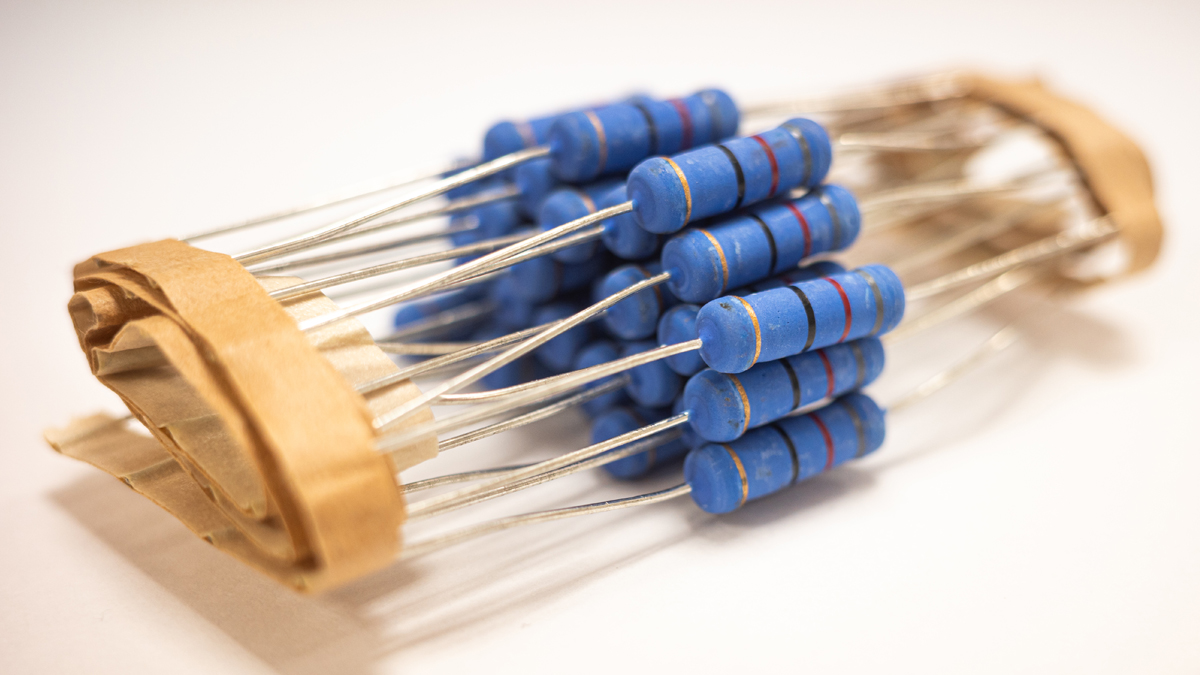
What is Ballast Lamp Resistor?
A ballast lamp resistor is a resistor or resistor assembly used to control the flow of electrical current to a lamp. In cinematic electronics, it is most closely associated with lighting circuits, projector lamp systems, indicator lamps, and older specialty illumination equipment where a lamp requires a stable and limited current to operate safely. The word ballast refers to the stabilizing function. The resistor adds controlled opposition to current flow so that the lamp does not draw too much power, overheat, or fail prematurely.
In practical terms, a ballast lamp resistor helps create the correct electrical conditions for a lamp. Many lamps, especially discharge based lamps and older cinema lighting components, do not behave like simple devices that can be connected directly to a power source. Their resistance can change as they warm up, ignite, or operate. Without some form of current limiting, they can draw excessive current and become unstable. A ballast lamp resistor solves this problem by placing a calculated resistance in series or as part of a wider lamp control circuit.
In the cinema industry, the concept has historical and technical importance. Traditional film projectors, arc lamps, stage practicals, cue lights, instrument panels, and some special effects systems all relied on controlled electrical behavior. Before advanced electronic drivers became common, resistive ballast arrangements were an accessible and dependable way to manage lamp current. Even today, understanding ballast lamp resistors remains useful for technicians who maintain legacy projection systems, restore older equipment, or design practical lighting effects that require predictable power control.
A ballast lamp resistor is therefore not just an ordinary resistor. It is a purposeful current managing element that protects lamps, improves stability, and supports reliable operation in demanding entertainment environments.
How does Ballast Lamp Resistor Work?
A ballast lamp resistor works by resisting part of the electrical current in a lamp circuit. When current flows through a resistor, the resistor creates a voltage drop and dissipates energy as heat. This reduces the amount of current that reaches the lamp. In a ballast application, that resistance is chosen carefully so that the lamp operates within its intended voltage and current range.
The basic operating principle: A resistor is inserted into the circuit to limit current. If the power source can supply more current than the lamp should receive, the ballast resistor absorbs part of that electrical energy and prevents the current from rising to destructive levels. This is especially important in lamps whose electrical demand changes during startup and operation.
The stabilizing effect: Certain lamps, particularly discharge lamps, can show negative resistance characteristics during operation. That means as conduction increases, the lamp can begin drawing even more current unless something in the circuit restrains it. A ballast resistor provides that restraint. It creates a predictable electrical boundary that keeps the lamp from running away electrically.
Heat as a control method: Unlike more advanced electronic current control systems, a ballast resistor performs its function through simple passive resistance. It converts surplus electrical energy into heat. This is not the most energy efficient method, but it is direct, reliable, and easy to understand. Because of this heat generation, ballast resistors are usually made from materials and structures that can tolerate high temperatures.
Series connection in practice: In many traditional circuits, the ballast resistor is connected in series with the lamp. The total circuit current must pass through both devices. If the resistor value is correct, the lamp receives safe operating current and remains stable. In adjustable systems, a variable resistor may be used to alter lamp intensity or adapt the circuit to changing operating conditions.
Performance in cinema systems: In cinematic electronics, a ballast lamp resistor can support projector lamps, indicator lights, practical set lamps, and legacy lighting control hardware. Although modern cinemas increasingly use electronic ballasts and digital power supplies, the resistor based principle still appears in older installations and specialty equipment. Its operation remains a core lesson in cinema electrical engineering because it demonstrates how lamp safety and stability are achieved at the circuit level.
What are the Components of Ballast Lamp Resistor?
A ballast lamp resistor may appear simple, but it usually contains several functional elements that support electrical and thermal performance.
Resistive element: This is the heart of the ballast resistor. It is the part that creates controlled resistance. In many cases, it is made from wirewound material, metal alloy, or ceramic based resistive compounds that can withstand continuous heating.
Insulating core: Many ballast resistors are built around a ceramic or other heat resistant core. This core supports the resistive material mechanically and electrically while helping the device tolerate high temperatures.
Protective housing: Some ballast resistors are enclosed in a protective shell made from ceramic, enamel coated metal, or ventilated metal structures. The housing protects the resistor from physical damage and may also help distribute heat more safely.
Terminals or connectors: Electrical terminals allow the resistor to be connected into the circuit. In cinema equipment, these may include screw terminals, solder lugs, clamps, or mounting posts depending on the size and intended application.
Heat dissipation structure: Because ballast resistors produce heat, many designs include fins, open frame construction, ceramic bodies, or metal mounting brackets that help release heat into the surrounding air. Proper thermal management is essential for safety and reliability.
Mounting assembly: In projector housings, control cabinets, and lamp circuits, the resistor often needs secure mounting. Brackets, chassis mounts, and insulated spacers hold the resistor in position and keep heat away from sensitive electronics.
Adjustment mechanism in variable types: If the ballast resistor is adjustable, it may include a sliding contact, rotary control, or tapped resistance sections. This allows the operator or technician to change resistance and therefore alter current flow.
Protective companion parts: In some assemblies, the ballast resistor operates alongside fuses, switches, thermal cutoffs, or indicator components. Although these are not part of the resistor itself, they are often part of the complete ballast lamp resistor system in cinema equipment.
Together, these components allow the resistor to perform its electrical task while surviving the demanding thermal and mechanical conditions found in lighting and projection environments.
What are the Types of Ballast Lamp Resistor?
Ballast lamp resistors come in several types, each suited to different equipment needs, power levels, and operating conditions.
Fixed ballast resistor: This type has a single predetermined resistance value. It is used where the lamp and power source characteristics are known and do not need adjustment. Fixed ballast resistors are common in stable legacy circuits and indicator lamp systems.
Variable ballast resistor: This form allows the resistance value to be changed. It may be used where lamp brightness, current level, or operating mode needs manual control. In cinematic settings, variable resistors have historically appeared in dimming or calibration applications, though they are less common in modern high power systems.
Wirewound ballast resistor: This is one of the most widely used types. It is made by winding resistive wire around a heat resistant core. Wirewound designs are durable, accurate, and able to handle high power loads, making them suitable for lamp circuits and industrial entertainment equipment.
Ceramic ballast resistor: Ceramic based resistors are valued for heat resistance and stability. They are often used in environments where the resistor must withstand high temperature operation over long periods.
Resistor bank: A resistor bank is a combination of multiple resistors arranged to share load or provide selectable resistance values. This type can be used in larger lamp systems, test circuits, or projector support hardware where higher power handling is required.
Chassis mount power resistor: These resistors are designed to be mounted directly to metal surfaces for mechanical stability and better heat transfer. In cinema equipment racks and lamp houses, chassis mount designs can improve durability and serviceability.
Tapped ballast resistor: A tapped resistor has multiple connection points that provide different effective resistance levels. It allows technicians to select the right operating condition for different lamp ratings or system configurations.
Legacy rheostat style ballast: Older cinema and stage systems sometimes used rheostat like devices to vary current manually. These are larger variable resistors that can handle significant current but tend to be bulky and less efficient than newer methods.
Each type serves the same broad purpose of current control, but the best choice depends on lamp technology, electrical load, cooling conditions, and whether adjustment is needed.
What are the Applications of Ballast Lamp Resistor?
Ballast lamp resistors have been used in many lighting and display related systems where controlled lamp current is essential.
Projector lamp circuits: In older film projection systems, current control was critical for stable lamp operation. Ballast resistors were used in certain support circuits, low power lamp functions, and legacy projector electrical designs to protect lamps and maintain consistent illumination.
Indicator and panel lamps: Cinema equipment often includes status lights, control panel lamps, cue indicators, and warning lights. These small lamps frequently require resistive current limiting to prevent burnout and ensure long service life.
Practical set lighting: In film production and theatrical environments, practical lamps visible on set may need simple current control or brightness reduction. Ballast type resistors can be part of custom wiring arrangements for vintage fixtures and effects.
Special effects electronics: Certain controlled lighting effects use resistors to shape power delivery, moderate brightness, or simulate older electrical behavior. In retro themed or analog style setups, ballast resistors remain useful.
Testing and calibration circuits: Technicians may use resistor banks and ballast loads when testing lamp circuits, power supplies, or projection electronics. These help simulate operating conditions safely.
Restoration of vintage equipment: Museums, collectors, and restoration specialists working on classic cinema projectors and historical lighting systems often need authentic resistor based ballast arrangements to preserve original function.
Auxiliary lighting systems: Lamp resistors can appear in low voltage auxiliary lights, map lights, inspection lights, or service lamps inside cinema machines and cabinets.
Educational and training systems: In technical training for projection and entertainment electronics, ballast lamp resistors are valuable teaching tools. They clearly demonstrate current limiting, thermal design, and lamp circuit behavior.
These applications show that the ballast lamp resistor is not limited to one narrow device category. It appears anywhere a lamp requires passive current control, protection, or predictable performance.
What is the Role of Ballast Lamp Resistor in Cinema Industry?
The ballast lamp resistor has played an important supporting role in the cinema industry by helping electrical lighting systems operate safely and consistently.
Support for reliable illumination: In cinemas, lighting must be dependable. Projection lamps, booth indicators, aisle assistance lighting, equipment status lamps, and service lights all need electrical stability. A ballast resistor contributes by limiting current and protecting lamp elements from damage.
Protection of expensive components: Many cinema lamps and related assemblies are costly and sensitive. If current rises above safe levels, lamp life can shorten dramatically. The ballast resistor acts as a protective buffer between the power source and the lamp.
Contribution to legacy projection systems: Traditional film projection relied on robust electrical design. In older systems, resistive elements were an important part of lamp management and auxiliary circuit design. Technicians trained in cinema maintenance often learned resistor ballast principles as part of standard practice.
Operational consistency in control rooms and booths: Projection booths historically contained numerous indicator lamps and low power electrical devices. Ballast resistors helped these operate with steady brightness and reduced maintenance frequency.
Use in restoration and archival exhibition: Even though digital cinema has reduced reliance on older lamp technologies, archival theaters, museums, and restoration workshops still work with classic projectors and historic cinema electronics. In these contexts, ballast lamp resistors remain directly relevant.
Role in cinematic lighting aesthetics: Beyond projection, cinema production often uses practical lighting that must behave in a controlled, believable way on camera. Resistive ballast elements can help shape the electrical behavior of certain vintage style lights and custom fixtures.
Technical education value: The cinema industry depends on technicians, engineers, and restoration specialists who understand both historical and modern systems. Ballast lamp resistors are part of that knowledge base because they explain how current regulation was traditionally achieved before sophisticated electronic drivers became standard.
The role of the ballast lamp resistor in the cinema industry is therefore both practical and historical. It supports safe lamp operation, protects equipment, and preserves the electrical heritage of cinematic technology.
What are the Objectives of Ballast Lamp Resistor?
The objectives of a ballast lamp resistor are centered on control, safety, and dependable lamp performance.
Current limitation: The primary objective is to keep lamp current within safe limits. This prevents electrical overload and protects the lamp from premature failure.
Lamp stabilization: Many lamps do not maintain constant electrical characteristics during operation. A ballast resistor helps stabilize current flow so the lamp can operate more predictably.
Voltage sharing: In some circuits, the resistor absorbs part of the supply voltage so the lamp receives only the amount it is designed to handle.
Protection of associated circuitry: Excess current can damage not only the lamp but also switches, connectors, and supporting electronics. A ballast resistor reduces that risk.
Extension of lamp life: By preventing overcurrent and thermal stress, the resistor helps lamps last longer and operate more consistently over time.
Thermal control through predictable loading: Although the resistor itself produces heat, it can reduce uncontrolled heating in the lamp by preventing current surges and unstable operation.
Adaptation to supply conditions: In legacy cinema settings, supply voltage and equipment conditions might vary. Ballast resistors help adapt lamp circuits to real world conditions more safely.
Simple and robust current management: One of the practical objectives is to provide a solution that is easy to understand, reliable in service, and relatively straightforward to replace or maintain.
These objectives explain why ballast lamp resistors became so widely used. They address the most important electrical challenges of lamp operation in a direct and dependable manner.
What are the Benefits of Ballast Lamp Resistor?
A ballast lamp resistor offers several benefits, especially in traditional lighting and cinematic electronics systems.
Improved lamp safety: By controlling current, the resistor protects lamps from overload and destructive overheating.
Longer service life: Lamps that operate within their intended electrical range usually last longer. This reduces replacement frequency and maintenance effort.
Stable performance: A well matched resistor helps keep lamp brightness and operating conditions more consistent.
Simple design: Ballast resistors are passive devices with straightforward operation. They do not require complex control circuits to perform their basic function.
High reliability: Quality power resistors can operate for long periods in harsh conditions if correctly rated and cooled.
Ease of integration: A ballast resistor can often be added to a circuit without major system redesign. This makes it useful in retrofits, repairs, and restorations.
Cost effectiveness in basic circuits: For simple lamp control tasks, a resistor can be an economical solution compared with more advanced electronic regulation.
Educational clarity: Because the resistor performs a visible and measurable current limiting function, it is useful for teaching electrical principles in cinema engineering and maintenance training.
Compatibility with legacy systems: Many older cinema devices were designed around passive components. Ballast resistors fit naturally into these systems and preserve original behavior.
The main tradeoff is energy efficiency, since excess energy is released as heat. Even so, in many practical and historical cinema applications, the benefits of simplicity, predictability, and durability outweigh that limitation.
What are the Features of Ballast Lamp Resistor?
Ballast lamp resistors are defined by a set of technical and operational features that make them suitable for lamp control.
Controlled resistance value: The resistor is manufactured or selected to provide a specific amount of opposition to current flow. This is the feature that directly determines its ballast behavior.
High power handling: Since it may dissipate substantial energy as heat, the resistor is built to handle significant wattage without damage.
Heat resistant construction: Materials such as ceramic cores, alloy wires, and protective coatings allow the resistor to survive continuous high temperature operation.
Electrical stability: A good ballast resistor maintains predictable resistance within its operating range, supporting steady lamp performance.
Mechanical durability: In cinema booths, lighting rigs, and equipment cabinets, resistors may experience vibration, heat cycles, and long service intervals. Durable construction is therefore important.
Available fixed or adjustable configurations: Ballast lamp resistors can be built for either stable operation or user controlled adjustment depending on application needs.
Chassis mounting capability: Many power resistors include mounting hardware or body designs that allow safe installation on frames, panels, or heat dissipating surfaces.
Serviceability: In many legacy systems, ballast resistors are relatively easy to inspect, test, and replace, which simplifies maintenance.
Compatibility with analog systems: Unlike digitally controlled electronics that may require software and specialized interfaces, ballast resistors work naturally in simple analog electrical circuits.
These features explain why the ballast lamp resistor became a practical solution in many cinema related systems, particularly before the rise of highly efficient electronic control modules.
What are the Examples of Ballast Lamp Resistor?
Examples of ballast lamp resistor can be found across historical, technical, and practical cinema related settings.
Wirewound resistor in a projector service lamp circuit: A projector may use a resistor to limit current to a small internal lamp used for inspection or indication. This is a straightforward ballast application.
Ceramic resistor in a control panel indicator: Cinema equipment often has pilot lamps and status indicators. A ceramic ballast resistor can protect these lamps and maintain reliable panel operation.
Resistor bank in vintage lighting control equipment: Older theatrical and cinematic support systems sometimes use grouped resistors to manage lamp loads or provide selectable operating conditions.
Adjustable rheostat in a practical dimming setup: A vintage style set lamp may use a high power adjustable resistor to alter brightness for visual effect during filming or testing.
Tapped resistor in a restoration project: A technician restoring an old cinema device may use a tapped resistor to match different historical lamp ratings while preserving authenticity.
Power resistor in a specialty effects rig: A custom cinematic effect that uses incandescent or discharge style light elements may include a ballast resistor to regulate current and create repeatable behavior.
Educational training board: A cinema electronics training panel may include lamps, switches, and ballast resistors so students can observe current limiting in a controlled environment.
These examples show that the ballast lamp resistor can range from a small protective component to a larger adjustable assembly, depending on the job it is asked to perform.
What is the Definition of Ballast Lamp Resistor?
The definition of ballast lamp resistor is a resistor designed or used to limit, regulate, and stabilize the electrical current supplied to a lamp so that the lamp can operate safely and correctly.
This definition highlights three essential ideas. First, it is a resistor. Second, its purpose is related specifically to lamp operation. Third, its function is not merely resistance in a general sense, but controlled electrical stabilization. In cinematic electronics, that definition applies to components used in projector systems, lighting equipment, practical lamps, indicator circuits, and legacy lamp based devices.
A more technical definition can also be stated. A ballast lamp resistor is a passive electrical component inserted into a lamp circuit, usually in series, to create a voltage drop and restrict current to a predetermined level appropriate for the lamp type and operating condition.
Both forms of the definition describe the same concept from slightly different perspectives, one practical and one technical.
What is the Meaning of Ballast Lamp Resistor?
The meaning of ballast lamp resistor can be understood by looking at the two main words in the term.
Meaning of ballast: In electrical systems, ballast means a stabilizing element. It helps keep operation under control when the load might otherwise behave unpredictably or draw too much current.
Meaning of lamp resistor: This indicates a resistor associated with a lamp circuit. Its purpose is tied directly to lamp operation rather than general signal processing or computation.
Combined meaning in practice: A ballast lamp resistor is therefore a stabilizing resistor for a lamp. It is a component that helps a lamp start, run, or remain protected under the correct electrical conditions.
Meaning in cinematic electronics: Within the cinema industry, the term refers to a resistor based current control element used in lamp related systems such as projection support circuits, control lamps, practical lighting, and legacy electrical devices. It carries both functional meaning and historical significance because it reflects an era of cinema technology in which passive electrical control was central to system design.
In simple terms, the meaning of ballast lamp resistor is controlled resistance for safe and stable lamp operation.
What is the Future of Ballast Lamp Resistor?
The future of the ballast lamp resistor is shaped by the evolution of cinema technology, especially the move toward digital projection, LED lighting, smart power systems, and highly efficient electronic drivers.
Reduced role in mainstream new systems: Modern cinema equipment increasingly relies on electronic control rather than simple resistive ballast methods. LED sources, switch mode power supplies, and digital drivers provide better efficiency, lower heat, and more precise control. Because of this, pure ballast resistors are less central in new high performance designs.
Continued relevance in legacy maintenance: Many classic cinema systems remain in operation for archival screenings, museum displays, educational programs, and restoration work. In these settings, ballast lamp resistors will continue to be important because replacement with entirely modern control schemes may alter performance or authenticity.
Use in niche practical lighting: Film and television productions often recreate older visual environments. Vintage style fixtures, analog effects, and custom practicals may still benefit from resistor based current control for simplicity and specific visual behavior.
Role in hybrid systems: Even as advanced electronics dominate, resistors still appear in auxiliary roles such as surge moderation, current limiting for small lamps, test loads, and fail safe protection. The future is therefore not complete disappearance but narrower and more specialized use.
Educational importance: Technicians and engineers who understand ballast lamp resistors are better equipped to interpret older schematics, repair heritage systems, and understand the foundations of lamp electronics. That educational role will remain valuable.
Potential material improvements: Future resistor designs may use better heat resistant materials, improved packaging, and more reliable thermal performance. While the principle stays the same, the physical implementation can become safer and more durable.
The future of the ballast lamp resistor is therefore selective rather than expansive. It may no longer be the dominant solution in new cinema electronics, but it will remain relevant in restoration, training, specialty applications, and certain support circuits where passive current control is still practical and desirable.
Summary
- A ballast lamp resistor is a resistor used to limit and stabilize current in a lamp circuit.
- Its main purpose is to protect lamps from excessive current and unsafe operating conditions.
- It works by creating resistance, causing a voltage drop, and dissipating extra energy as heat.
- Common components include a resistive element, ceramic or heat resistant core, terminals, housing, and mounting structure.
- Important types include fixed, variable, wirewound, ceramic, tapped, chassis mount, and resistor bank designs.
- It has applications in projector circuits, indicator lamps, practical lighting, restoration work, testing systems, and special effects electronics.
- In the cinema industry, it supports safe lamp operation, equipment reliability, and preservation of legacy systems.
- Its objectives include current limitation, stabilization, voltage control, circuit protection, and extended lamp life.
- Its benefits include simplicity, reliability, cost effectiveness in basic circuits, and compatibility with older equipment.
- Key features include high power handling, heat resistance, stable performance, mechanical durability, and serviceability.
- Examples range from panel lamp resistors to vintage projector resistor banks and adjustable practical lighting controls.
- Its definition is a passive component used to regulate lamp current for safe and correct operation.
- Its meaning is a stabilizing resistor dedicated to lamp behavior and protection.
- Its future in new cinema systems is smaller because modern electronic drivers are more efficient, but it remains important in restoration, niche lighting, education, and support circuits.

