

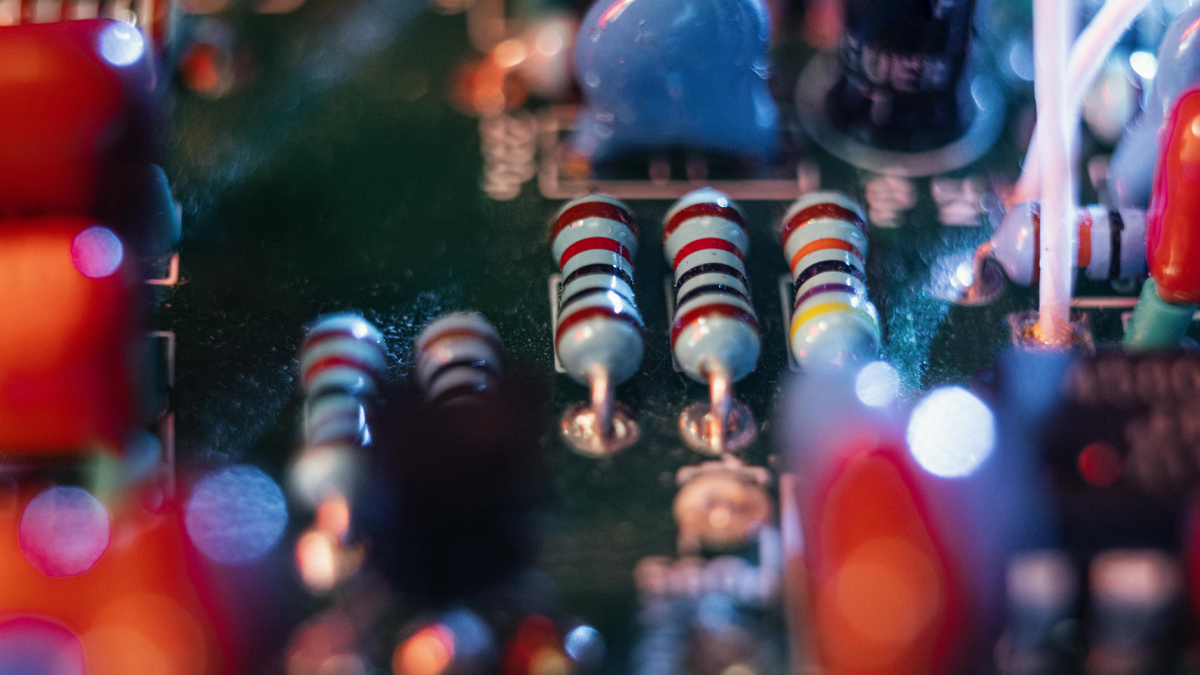
What is Ignition Starter Resistor?
Introduction: An ignition starter resistor is a resistor used in the starting and ignition section of electrical equipment that must create a safe and controlled initial surge before normal operation begins. In cinematic electronics, this usually relates to lighting systems, projection lamps, discharge lamps, arc based sources, and supporting ignition circuits that require a carefully managed starting sequence. The resistor helps regulate current, shape voltage behavior, protect nearby parts, and support reliable lamp or circuit startup.
Context in cinema systems: In the cinema industry, many lighting and projection technologies depend on stable startup conditions. A lamp or igniter circuit can be sensitive during the first moments of operation because the electrical load is changing rapidly. An ignition starter resistor helps reduce stress during this transition. It serves as a control element that keeps the ignition process within safe limits while allowing the device to reach a working state.
Why it matters: Without this resistor, the starting circuit may face excessive current, unstable triggering, overheating, or component damage. In practical cinema environments, where equipment reliability is essential for productions, screenings, and stage operations, controlled ignition is necessary. That is why the ignition starter resistor is a small but important part of cinematic electronics.
How does Ignition Starter Resistor Work?
Operating principle: An ignition starter resistor works by opposing the flow of electrical current in a controlled manner. During startup, many circuits can experience a sudden demand for current. The resistor limits and shapes that flow so the ignition event happens smoothly rather than violently. In lamp systems, it can help create the right conditions for a spark, arc, or trigger pulse that starts the lamp.
Startup control: At the moment power is applied, the circuit has not yet reached steady operation. Components such as capacitors, igniters, transformers, or ballast sections may be charging or preparing to fire. The ignition starter resistor influences this phase by limiting inrush current, setting charging speed, or dissipating excess energy. This gives the circuit time to stabilize.
Voltage distribution: In many ignition systems, voltage must appear across the correct points in the circuit for ignition to occur. The resistor assists in distributing or dividing voltage as needed. It can work with capacitors and inductive elements to build the necessary trigger condition for starting a discharge lamp or arc source.
Heat dissipation: Because a resistor converts some electrical energy into heat, it absorbs part of the stress that would otherwise be forced onto more delicate components. This thermal action is not wasteful in the design sense. It is part of how the circuit safely manages the startup event.
Transition to normal operation: Once the lamp or electronic stage has started, the role of the ignition starter resistor may decrease, or it may continue supporting stable performance as part of a biasing, balancing, damping, or protection network. In some designs it is most active during startup only, while in others it remains relevant throughout operation.
What are the Components of Ignition Starter Resistor?
Resistive element: The central part is the material that resists current flow. This may be wirewound alloy, metal oxide film, carbon composition, or another resistive material chosen for the circuit requirements. The material affects accuracy, heat tolerance, pulse handling, and lifespan.
Core or substrate: Many ignition starter resistors are built on a ceramic or insulated core. This provides mechanical support and helps manage heat. Ceramic is common because it can tolerate high temperatures and electrical stress.
Protective coating: A resistor often includes a protective outer layer. This coating shields the resistive element from moisture, dust, vibration, and minor physical damage. In cinema environments, where lighting rigs and projection systems may operate in demanding locations, this protection is very useful.
Terminal leads or connectors: The resistor needs a way to connect into the circuit. Leads, lugs, or screw terminals provide this path. In high power systems, robust connectors are preferred because they can handle greater current and heat.
Insulation body: Some ignition starter resistors include an insulated casing or ceramic body to reduce the risk of short circuits and increase safety. This is especially important when the resistor is close to high voltage ignition modules.
Mounting structure: Power resistors used in cinematic electronics may include brackets, chassis mounts, or heat sink compatible surfaces. These features help them stay secure in equipment that may be transported, installed overhead, or used continuously for long production periods.
Marking and rating information: The component usually carries information such as resistance value, wattage, tolerance, and safety class. These details are essential for technicians who install, replace, or service the device.
What are the Types of Ignition Starter Resistor?
Wirewound ignition starter resistor: This type uses resistive wire wrapped around a ceramic core. It is widely used when high power handling and durability are required. In cinema related lamp starter circuits, wirewound resistors are popular because they can handle heat and surge conditions effectively.
Metal oxide ignition starter resistor: Metal oxide resistors are known for good thermal stability, flame resistance, and strong pulse tolerance. These qualities make them suitable for ignition circuits where voltage spikes and repeated starts occur.
Ceramic power ignition starter resistor: This type is designed for higher wattage applications. It often appears in starter and ballast assemblies where the resistor must tolerate heat and mechanical stress over extended use.
Carbon composition ignition starter resistor: Although less common in many new systems, carbon composition resistors can handle short high energy pulses well. Some older or specialized designs may use them in ignition related positions.
Thick film power resistor: Thick film designs can be compact and stable. They may be used in modern control boards and igniter support circuits where space is limited but performance still matters.
Flameproof resistor: This is chosen when safety is a major concern. Flameproof designs are intended to fail in a safer manner under overload conditions. This can be important in enclosed electronic housings used for cinema lighting or projection support equipment.
Chassis mount resistor: These resistors are built for mechanical stability and heat dissipation through the equipment chassis. They are useful in rugged cinematic electronics where heat control and mounting strength are important.
What are the Applications of Ignition Starter Resistor?
Projection lamp ignition: In traditional and specialized projection systems, ignition starter resistors help manage the startup of lamps that need a controlled high voltage trigger. They assist with reliable lamp striking and help protect the rest of the projection electronics.
Cinema lighting fixtures: Many high intensity fixtures used in studio, location, and stage work depend on ignition circuits. The resistor helps the light start consistently while reducing stress on the ballast and igniter.
HMI and discharge lamp systems: In discharge based lamp technologies, the startup phase is especially sensitive. An ignition starter resistor supports charging and triggering behavior so the lamp can establish a stable arc.
Ballast and igniter assemblies: These resistors are often found as part of the supporting network around the ballast and igniter. They can limit current, discharge stored energy, or shape pulses within the circuit.
Pulse conditioning circuits: In some systems, the resistor helps tailor the rise and fall of voltage or current pulses. This is valuable when the goal is precise and repeatable ignition behavior.
Safety discharge paths: Resistors may also act as discharge components for capacitors used in ignition circuits. This improves safety during servicing and helps prepare the circuit for the next starting cycle.
Control electronics in legacy cinema gear: Older cinematic electronics often use discrete resistor networks to manage startup behavior. The ignition starter resistor remains important in restoration, maintenance, and continued operation of such equipment.
What is the Role of Ignition Starter Resistor in Cinema Industry?
Reliable startup in professional environments: The cinema industry depends on dependable operation. A delay in lamp startup can affect a shoot, a live event, or a screening schedule. The ignition starter resistor plays a direct role in helping equipment start correctly the first time.
Protection of expensive equipment: Cinematic electronics are often costly and specialized. Projection units, ballasts, igniters, and lighting fixtures can be damaged by uncontrolled surges. The resistor acts as a protective component that helps preserve the health of these systems.
Consistency of light output: Stable startup supports stable light behavior. When a lamp ignites under proper electrical conditions, it is more likely to warm up correctly and deliver consistent illumination. This matters for visual continuity in film production and presentation.
Support for safety standards: Controlled ignition reduces the chance of overheating, arcing in the wrong place, and component breakdown. In the cinema industry, safety is important not only for equipment but also for crew members, projection staff, and audiences.
Contribution to serviceability: Technicians can diagnose and maintain circuits more effectively when a system uses proper resistive control in its ignition design. The ignition starter resistor is often one of the parts checked during routine servicing because it has a strong influence on startup quality.
Importance in both old and modern systems: The cinema industry uses a mix of legacy projection technologies, advanced lighting fixtures, and specialized control electronics. In all of these areas, resistors that support ignition and startup remain relevant.
What are the Objectives of Ignition Starter Resistor?
Current limitation: One major objective is to prevent excessive current during startup. This reduces stress on lamps, igniters, switches, transformers, and wiring.
Controlled ignition timing: The resistor helps create the right timing conditions for the ignition event. This is especially important when the circuit includes capacitors that must charge to a specific level before discharge.
Voltage shaping: Another objective is to influence how voltage appears across key points in the circuit. Good voltage shaping improves the chance of clean and successful lamp starting.
Thermal protection: The resistor helps absorb part of the startup energy and convert it into manageable heat. This protects more sensitive electronic parts.
Component coordination: Ignition systems are made of several parts working together. The resistor helps coordinate their electrical behavior so the overall startup sequence remains stable.
Repeatability: Professional cinema equipment benefits from repeatable performance. The ignition starter resistor supports a consistent starting pattern across many operating cycles.
Safety enhancement: A final objective is to reduce the risk of dangerous surges, unexpected discharge, or failure during ignition. This improves both equipment safety and operator safety.
What are the Benefits of Ignition Starter Resistor?
Improved reliability: A properly selected ignition starter resistor makes the circuit more dependable. Equipment that starts reliably causes fewer interruptions during production or exhibition.
Longer component life: By limiting electrical stress, the resistor helps extend the operating life of lamps, igniters, switches, and other associated parts. Reduced stress often means fewer failures and lower maintenance needs.
Better startup control: The resistor gives designers and technicians a way to fine tune the startup behavior of the circuit. This results in smoother ignition and less sudden electrical shock within the system.
Enhanced safety: Controlled current and safer discharge behavior lower the risk of overheating, sparks in unwanted areas, and accidental exposure to stored energy.
Cost efficiency: Even though it is a relatively simple component, the ignition starter resistor can prevent expensive repairs by protecting high value cinematic electronics from unnecessary damage.
Stable performance: Systems that ignite correctly tend to perform more consistently afterward. This supports even illumination, predictable warm up, and smoother equipment operation.
Maintenance support: The resistor is usually easier and less expensive to replace than complex control modules or lamp assemblies. This makes it a practical protective element within the design.
What are the Features of Ignition Starter Resistor?
High heat tolerance: Since startup circuits can generate significant thermal stress, many ignition starter resistors are built to endure elevated temperatures without losing performance quickly.
Pulse handling capability: Ignition events may involve sudden electrical pulses. A good ignition starter resistor is designed to survive these repeated stresses.
Stable resistance value: Reliable performance requires the resistor value to remain within acceptable limits. Stable materials help maintain predictable circuit behavior over time.
Mechanical durability: Cinema equipment can be transported, mounted, and exposed to vibration. Durable construction helps the resistor remain secure and functional.
Insulated construction: Many designs include ceramic or flame resistant bodies that increase safety and lower the risk of short circuits.
Power rating options: Ignition starter resistors are available in many wattage levels, from compact board mounted units to larger chassis mounted parts for power circuits.
Compatibility with high voltage circuits: Some versions are specifically chosen for use near high voltage ignition modules because of their spacing, insulation, and safety characteristics.
Low maintenance design: Once installed correctly, these resistors often provide long service with minimal attention, especially when operated within rated limits.
What are the Examples of Ignition Starter Resistor?
Wirewound ceramic resistor in a xenon lamp starter: A cinema projector that uses a discharge lamp may include a wirewound ceramic resistor to limit current during the initial ignition phase and support stable startup.
Metal oxide resistor in an HMI ballast igniter: A professional film lighting unit can use a metal oxide resistor in the igniter support circuit to handle pulses and protect the rest of the electronics.
Flameproof resistor in a lamp trigger network: In enclosed lighting control gear, a flameproof resistor may be used to improve safety while managing voltage and current during triggering.
Chassis mount resistor in a high power starter assembly: A large lighting system may use a chassis mount resistor attached to a metal surface so heat can dissipate more effectively during repeated starts.
Bleeder style resistor in a capacitor based ignition section: Some circuits store energy in capacitors before release. A bleeder resistor can discharge the stored energy after operation and improve safety during servicing.
Legacy projection control resistor: Older cinema projection equipment may use a robust fixed power resistor in its starter network to help strike an arc lamp under controlled conditions.
Portable lighting unit startup resistor: On location film lighting gear may include a compact but durable ignition starter resistor designed to withstand transport, vibration, and changing temperature conditions.
What is the Definition of Ignition Starter Resistor?
Technical definition: An ignition starter resistor is an electrical resistor used in a startup or ignition circuit to control current, influence voltage behavior, dissipate excess energy, and support safe initiation of operation in equipment that requires a controlled starting event.
Industry definition: In cinematic electronics, it is a resistor integrated into lamp starters, igniters, ballasts, projection systems, or related control circuits so that high intensity light sources and specialized electrical devices can begin operating in a stable and protected manner.
Functional definition: It is a passive component that helps a system move from off state to active state without uncontrolled electrical stress.
What is the Meaning of Ignition Starter Resistor?
Practical meaning: The meaning of ignition starter resistor becomes easier to understand when viewed in daily technical work. It means a resistor that helps something start safely. In cinema equipment, this often means helping a lamp, arc source, or ignition circuit begin operation without damaging itself or surrounding parts.
Design meaning: For equipment designers, it means controlled startup, protection, timing support, and electrical stability. The resistor is not just a block of resistance. It is part of a deliberate engineering strategy.
Operational meaning: For technicians and operators, it means better reliability and fewer failures during the moment when equipment is most electrically vulnerable. That startup phase is where the ignition starter resistor proves its value.
What is the Future of Ignition Starter Resistor?
Continuing relevance in specialized systems: As some cinema technologies move toward more efficient and digital platforms, many specialized lighting and projection systems still require carefully managed startup circuits. Because of this, ignition starter resistors will continue to remain relevant in many professional applications.
Improved materials: The future is likely to bring better resistor materials with stronger pulse tolerance, improved thermal performance, and longer operational life. These improvements will help cinematic electronics become more dependable.
Smarter integration: Modern electronic systems increasingly combine passive parts with intelligent control modules. Future ignition starter resistors may work within more compact assemblies that include sensors, protection logic, and better thermal design.
Greater safety performance: Fire resistant coatings, better insulation structures, and improved failure behavior are expected to remain major areas of development. This is important for densely packed electronic housings in film and projection equipment.
Support for hybrid systems: Cinema technology often includes a mix of legacy equipment and modern control methods. Ignition starter resistors will likely remain useful in interface circuits, upgrade kits, restoration projects, and specialty lighting systems.
Higher efficiency designs: Engineers will continue refining circuit layouts so resistors handle startup demands with less wasted energy and better thermal balance. Even simple passive components benefit from better design practices.
Long term service importance: As long as there are high intensity light sources, controlled ignition stages, and startup sensitive electrical systems in the cinema industry, the ignition starter resistor will remain an important support component.
Summary
- Ignition starter resistor is a resistor used in startup and ignition circuits to control electrical stress during the first stage of operation.
- In cinematic electronics, it is especially important in projection lamps, discharge lighting, igniters, and ballast related systems.
- It works by limiting current, shaping voltage behavior, dissipating energy, and supporting safe and repeatable ignition.
- Common forms include wirewound, metal oxide, ceramic power, flameproof, thick film, and chassis mount resistors.
- Its components usually include a resistive element, ceramic or insulated body, protective coating, terminals, and mounting structure.
- Main applications include lamp ignition, ballast assemblies, pulse conditioning, capacitor discharge paths, and legacy cinema electronics.
- In the cinema industry, it supports reliability, safety, equipment protection, and consistent startup performance.
- Key objectives include current limitation, ignition timing control, voltage shaping, heat management, and safety improvement.
- Major benefits include longer equipment life, better startup control, lower maintenance risk, and more stable performance.
- Important features include heat tolerance, pulse handling, resistance stability, insulation, and mechanical durability.
- Its meaning is simple but important: it helps electrical systems start safely and correctly.
- The future of ignition starter resistor includes better materials, smarter integration, safer construction, and continued use in specialized cinema systems.

