

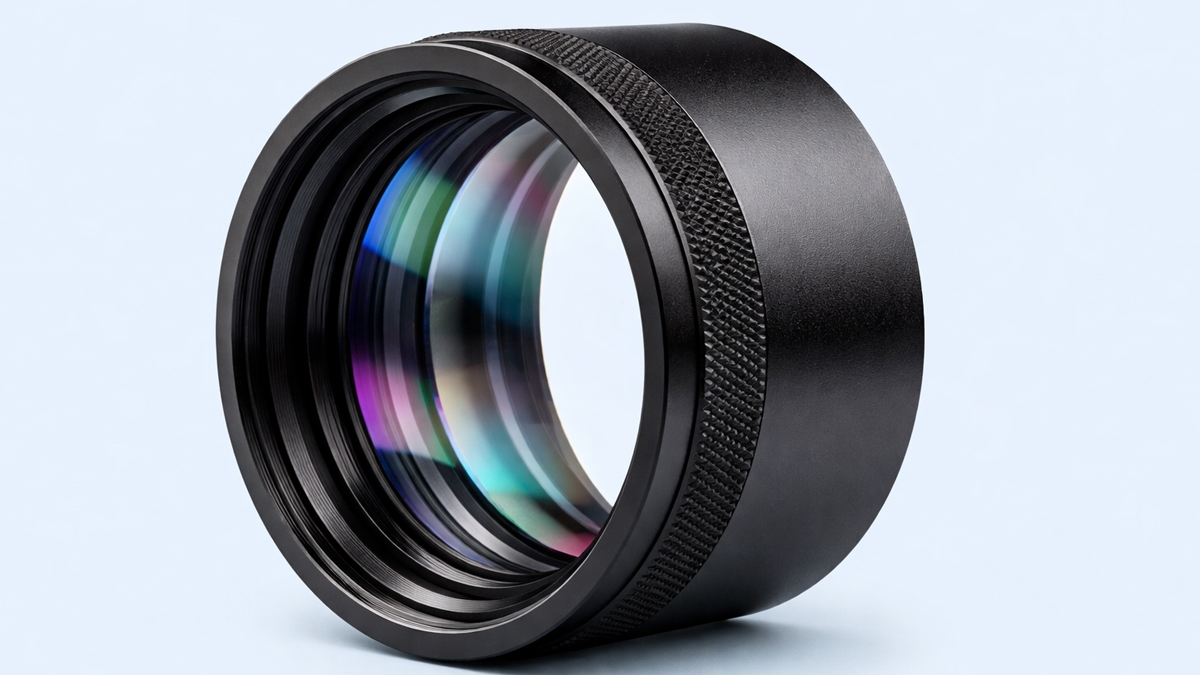
What is Apochromatic Triplet?
Apochromatic Triplet is a highly refined lens assembly made from three lens elements that work together to reduce optical errors, especially chromatic aberration and spherical aberration. In simple terms, it is a precision optical component designed to bring multiple wavelengths of light into nearly the same focus. This creates a cleaner, sharper, and more color accurate image than simpler lens designs.
Basic idea: In many ordinary lenses, different colors of light do not focus at exactly the same point. Red, green, and blue light can spread apart and create color fringing around objects. Apochromatic Triplet is designed to solve this problem by using three carefully selected lens elements with different optical properties. These elements bend light in a controlled way so that color separation is greatly reduced.
Importance in optics: This optical design is valued wherever high image quality matters. It is especially useful in systems where detail, contrast, and color fidelity are essential. In cinematic electronics, where audience expectations are extremely high, such optical precision supports clear storytelling and professional visual output.
Relation to cinema technology: Within the cinema industry, image quality is not only a technical matter but also a creative one. Filmmakers rely on lenses that can reproduce subtle textures, skin tones, highlights, and shadow transitions without distracting artifacts. Apochromatic Triplet helps support those goals by improving the purity of the captured or projected image.
How does Apochromatic Triplet Work?
Optical correction: Apochromatic Triplet works by combining three lens elements made from optical glass materials with different refractive indexes and dispersion characteristics. Each lens element bends light in a particular way. When these three elements are arranged with precision, the total system can guide multiple colors of light so they converge more closely at the same focal point.
Control of dispersion: Dispersion is the tendency of light to separate into colors when passing through glass. Since different wavelengths bend by different amounts, a single lens often produces color fringing. Apochromatic Triplet reduces this effect by balancing the optical behavior of three elements. One element may correct part of the error introduced by another, while the third fine tunes the overall correction.
Sharpening the image: The design does not only address color errors. It also helps reduce spherical aberration, which occurs when light rays passing through the edges of a lens focus differently than rays passing through the center. By controlling the shape, spacing, and material properties of the three elements, the lens system can produce a sharper image across more of the frame.
Precision alignment: The performance of an Apochromatic Triplet depends heavily on accurate manufacturing and alignment. Each surface curvature, spacing distance, and material choice must be carefully calculated. Even small deviations can affect color correction and image sharpness. This is why apochromatic systems are associated with high quality engineering and premium optical performance.
Result in visual systems: The final outcome is a lens assembly that delivers high clarity, strong contrast, and improved color correction. For cinema applications, this means more faithful image capture, more consistent optical rendering, and fewer unwanted distractions in the final frame.
What are the Components of Apochromatic Triplet?
Three lens elements: The central feature of an Apochromatic Triplet is its three element optical arrangement. These elements may be shaped as convex, concave, or a combination of both, depending on the intended correction and focal characteristics. Each piece contributes to the total optical behavior of the system.
Optical glass materials: Different types of optical glass are selected to manage refractive power and dispersion. Some glasses bend light strongly, while others have lower dispersion and better control over color separation. The proper pairing of these materials is essential to apochromatic correction.
Lens coatings: Modern Apochromatic Triplets often include anti reflective coatings. These coatings reduce internal reflections, improve light transmission, and help maintain contrast. In cinematic electronics, coatings also support better control of flare and ghosting.
Mechanical housing: The lens elements must be mounted in a stable housing that keeps them aligned. This structure protects the elements, preserves spacing, and supports integration into larger optical systems such as cinema cameras, projection units, or imaging modules.
Spacing and cementing: In some designs, lens elements are cemented together with optical adhesive. In other designs, air spacing is used between elements. The choice depends on design goals, manufacturing strategy, thermal behavior, and desired optical performance.
Aperture relationship: Although the aperture is not always considered part of the triplet itself, the optical behavior of the triplet works closely with the aperture system. Aperture size affects depth of field, light transmission, and the visibility of certain aberrations.
What are the Types of Apochromatic Triplet?
Air spaced apochromatic triplet: This type places small air gaps between the three lens elements. Air spacing gives optical designers additional control over correction and can improve performance in advanced systems. It also allows independent shaping and positioning of each element.
Cemented apochromatic triplet: In this design, some or all of the lens elements are bonded together with optical cement. Cemented construction can reduce internal reflections between surfaces and create a more compact optical assembly. It may also simplify mechanical packaging.
Imaging apochromatic triplet: These triplets are designed for cameras, microscopes, telescopes, and projection systems where image formation is the primary goal. In cinema related equipment, imaging triplets help deliver better edge definition, reduced color fringing, and cleaner focus.
Projection apochromatic triplet: Some apochromatic triplet configurations are used in projection systems where accurate color convergence and high sharpness are required over a large screen or imaging surface. This is relevant in advanced cinema projection and display technology.
Macro and close focus triplet: Certain triplet systems are optimized for close range imaging. These are useful in technical cinematography, product filming, miniature work, and scientific imaging used in film production or visual documentation.
Custom cinema integrated triplet: In high end cinematic electronics, manufacturers may build custom triplet based optical modules for specific cameras, sensors, or projection paths. These systems are tailored to the performance needs of professional production environments.
What are the Applications of Apochromatic Triplet?
High precision camera lenses: Apochromatic Triplet is used in lens designs that require accurate color rendering and minimal aberration. This is highly valuable in motion picture production where image quality affects every stage of post production and delivery.
Projection systems: In projection equipment, optical quality determines how clearly the image appears on screen. Triplet based apochromatic assemblies can help maintain sharpness and color uniformity, especially in systems where visual fidelity is critical.
Scientific and technical imaging: Film production often overlaps with technical imaging in areas such as special effects, model photography, archival scanning, and laboratory analysis. Apochromatic Triplet is beneficial in these applications because it supports faithful image reproduction.
Cinematography accessories: Some optical adapters, relay lenses, and imaging modules may use apochromatic triplet principles to improve performance. This becomes important when several optical components are combined in one imaging chain.
Digital sensor optimization: Modern image sensors are very demanding. High resolution capture can reveal even small optical flaws. Apochromatic Triplet helps reduce these flaws so that the sensor receives a cleaner image, making it more suitable for detailed digital cinema workflows.
Archival and restoration work: In film scanning and restoration, maintaining color accuracy and fine detail is essential. Optical systems that use apochromatic correction can help preserve original image quality when converting film to digital formats.
What is the Role of Apochromatic Triplet in Cinema Industry?
Image integrity: In the cinema industry, Apochromatic Triplet supports image integrity by reducing color fringing and improving focus precision. This matters for theatrical release, streaming presentation, visual effects integration, and archival preservation.
Support for storytelling: Cinema depends on emotional connection through visuals. When optical errors distract the viewer, the experience is weakened. Apochromatic Triplet helps preserve a clean image so audiences stay focused on performance, mood, and narrative.
Compatibility with modern formats: Today the cinema industry uses high resolution acquisition, large format sensors, advanced grading pipelines, and demanding projection standards. Apochromatic Triplet fits well into this environment because it supports the optical precision required by modern cinematic electronics.
Better post production results: Cleaner optical input can simplify color grading, compositing, and visual effects work. When footage contains less chromatic error and higher contrast, post production teams can work more efficiently and maintain more natural results.
Premium lens development: Many high quality cinema lenses are valued because they balance artistic character with technical excellence. Apochromatic Triplet principles contribute to that technical side by improving sharpness and color behavior without sacrificing overall optical control.
Professional reputation: In cinema equipment manufacturing, optical quality influences brand trust and product value. Components and assemblies based on apochromatic correction help manufacturers deliver premium performance, which is important in a competitive professional market.
What are the Objectives of Apochromatic Triplet?
Color correction: One major objective is to bring multiple wavelengths of light into a near common focus. This reduces visible color fringing and improves image neutrality.
Sharper focus: Another objective is to deliver precise focus with less spherical aberration. This helps produce more detailed images across the frame.
Improved contrast: By reducing optical errors and limiting unwanted light scatter, Apochromatic Triplet helps maintain stronger contrast and cleaner tonal separation.
Accurate rendering: The design aims to reproduce subjects more faithfully, including textures, edges, and subtle color differences. This is essential in cinema where visual realism and artistic intention both matter.
System efficiency: Apochromatic Triplet also aims to improve the performance of the full optical system. By correcting major errors within the lens group, it supports better results from sensors, projection paths, and image processing workflows.
Professional reliability: In premium applications, the objective is not just good image quality under ideal conditions. It is consistent, repeatable optical performance across demanding shooting and projection environments.
What are the Benefits of Apochromatic Triplet?
Reduced chromatic aberration: The most recognized benefit is the strong control of color fringing. This improves edge clarity and color accuracy.
Better sharpness: Since the design also helps manage spherical aberration and related errors, it can produce a sharper and more refined image.
Higher color fidelity: Accurate convergence of different wavelengths supports more natural color reproduction. This is valuable for skin tones, costume detail, production design, and lighting nuance.
Greater visual professionalism: Images formed with better corrected optics often appear more polished and more trustworthy for professional cinema use.
Enhanced sensor performance: High resolution digital sensors benefit when the incoming optical image is cleaner. Apochromatic Triplet allows the sensor to capture detail with fewer optical compromises.
Improved post workflow: Less color fringing and better optical clarity can reduce correction needs in post production. This saves time and protects image quality.
Versatile use: The design can serve many roles, from camera imaging to projection and technical optics. Its usefulness across applications increases its value in cinematic electronics.
What are the Features of Apochromatic Triplet?
Three element structure: The defining feature is the use of three lens elements arranged to achieve advanced optical correction.
Multi wavelength focus correction: Unlike simpler designs that only partially control color errors, Apochromatic Triplet is built to bring more wavelengths into close focus agreement.
Advanced material selection: The design uses carefully matched glass types with different refractive and dispersive properties.
High optical precision: Tight manufacturing tolerances are a major feature because the design depends on exact surface shapes and alignment.
Compatibility with coatings: Anti reflective and protective coatings can be applied to improve transmission, contrast, and durability.
Improved correction balance: The triplet structure offers designers more flexibility to balance aberration control, focal performance, and physical size.
Premium application suitability: Because of its strong correction capabilities, the design is often associated with high end optical systems and professional visual equipment.
What are the Examples of Apochromatic Triplet?
Cinema camera lens groups: In advanced cinema lenses, internal optical groups may use apochromatic triplet principles to improve image fidelity and reduce visible color errors.
Projection optics: Premium projection assemblies may incorporate triplet based correction to preserve sharpness and color balance across the projected image.
Relay lens systems: In some specialized camera rigs and optical adapters, triplet designs are used to transfer images from one optical stage to another with minimal degradation.
Film scanning equipment: High quality scanners used for digitizing film can benefit from apochromatic correction so that the scanned result maintains fine detail and accurate color information.
Scientific cinema tools: Some cameras and imaging systems used for research filmmaking, documentary analysis, or special effects measurement use apochromatic triplet assemblies for accurate capture.
High end photographic optics with cinema crossover: Certain premium still imaging lenses that are adapted or rehoused for cinema use may include optical sections based on apochromatic triplet concepts because of their superior correction.
What is the Definition of Apochromatic Triplet?
Technical definition: Apochromatic Triplet is a three element optical lens system designed to correct chromatic aberration by bringing several wavelengths of light into nearly the same focal plane while also reducing other aberrations such as spherical aberration.
Functional definition: It is an optical component that uses three coordinated lens elements to produce a sharper, clearer, and more color accurate image than simpler lens assemblies.
Industry definition: In cinematic electronics and the broader cinema industry, Apochromatic Triplet can be understood as a precision optical design that supports professional grade imaging and projection by improving color convergence, sharpness, and contrast.
What is the Meaning of Apochromatic Triplet?
Meaning of apochromatic: The term apochromatic refers to a lens system that corrects color more completely than ordinary or basic achromatic systems. It aims for higher precision in aligning different colors of light.
Meaning of triplet: The word triplet means that the optical assembly is built from three lens elements. These elements are not random additions. Each one plays a specific role in achieving the overall correction.
Combined meaning: Apochromatic Triplet therefore means a three element lens design intended to deliver advanced color correction and improved overall optical performance. In practical use, it represents precision, refinement, and high image fidelity.
Meaning in cinema context: Within the cinema industry, the term suggests an optical solution that helps create cleaner and more reliable images for capture, projection, and technical imaging work.
What is the Future of Apochromatic Triplet?
Demand for higher resolution: As cinema continues to move toward higher resolution imaging and more demanding display standards, optical errors become easier to see. This increases the importance of advanced correction methods such as Apochromatic Triplet.
Growth in sensor performance: Modern digital sensors capture extraordinary detail and dynamic range. To fully use that capability, lenses and internal optical assemblies must perform at a similarly high level. Apochromatic Triplet will remain relevant because it helps bridge that requirement.
Integration with compact systems: Future cinematic electronics may become smaller, lighter, and more modular while still demanding premium image quality. This will encourage continued innovation in triplet based optical design, especially in compact high precision systems.
Improved materials and coatings: New glass formulations, coating technologies, and manufacturing methods will likely enhance the performance of apochromatic assemblies. This can lead to better transmission, reduced flare, and more stable performance under different environmental conditions.
Hybrid optical engineering: Future cinema tools may combine classical optical design with computational imaging. Even in such systems, high quality optical input remains essential. Apochromatic Triplet can provide a strong foundation before digital correction is applied.
Wider professional use: As expectations rise across independent filmmaking, streaming production, virtual production, and archival restoration, the demand for well corrected optics will likely expand. Apochromatic Triplet will continue to be important because it supports both technical precision and visual quality.
Summary
- Apochromatic Triplet is a three element optical lens system designed to reduce chromatic aberration and improve image sharpness.
- It works by combining three lens elements with different optical properties so multiple wavelengths of light focus more closely together.
- Its main components include three lens elements, optical glass materials, coatings, spacing methods, and a stable mechanical housing.
- Common types include air spaced, cemented, imaging, projection, macro, and custom cinema integrated triplets.
- It is used in camera lenses, projection systems, film scanning equipment, relay optics, and technical imaging tools.
- In the cinema industry, it helps improve color fidelity, contrast, focus accuracy, and overall image integrity.
- Its objectives include color correction, sharper focus, accurate rendering, and reliable performance in professional optical systems.
- Its benefits include reduced color fringing, stronger clarity, better sensor compatibility, and smoother post production workflows.
- Its features include three element structure, advanced material selection, multi wavelength correction, and high precision engineering.
- Its future remains strong because cinema technology continues to demand better optics for high resolution and color accurate visual systems.

