

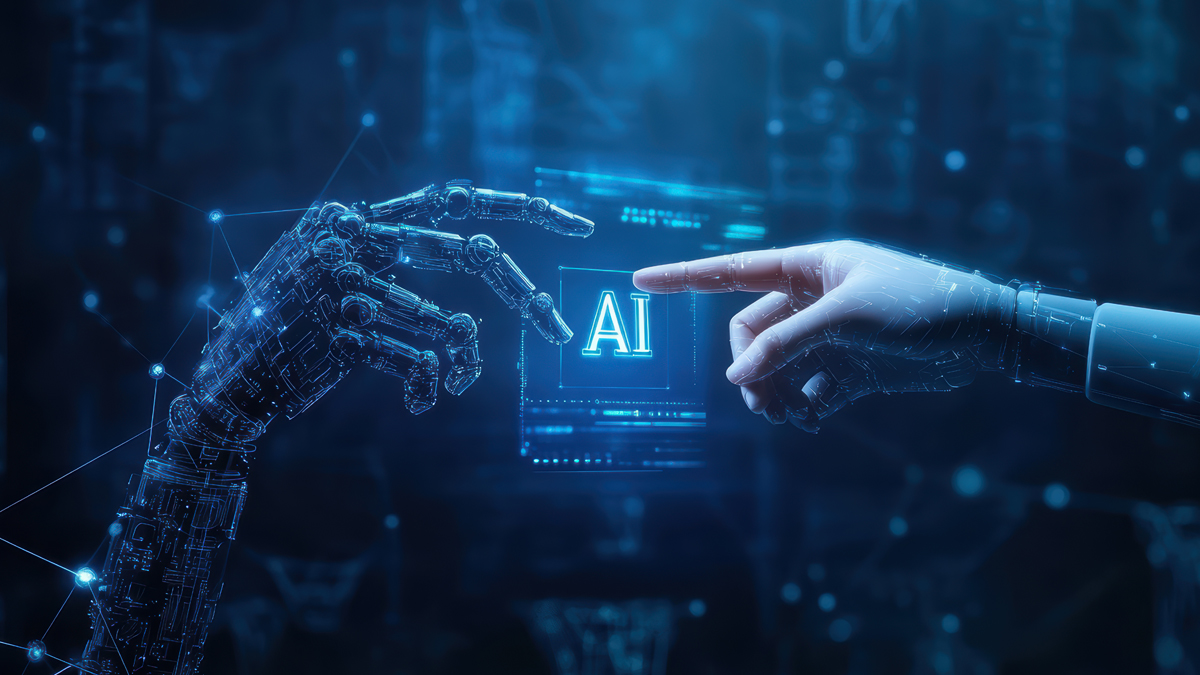
What is Concept Art Generation?
Concept Art Generation is the process of creating visual ideas for characters, environments, props, costumes, vehicles, creatures, lighting moods, and cinematic worlds with the help of artificial intelligence. In the context of cinematic technologies, it refers to digital systems that assist artists, directors, production designers, and creative teams in turning written ideas into visual concepts quickly and effectively. Instead of beginning only with manual sketching, creators can use AI driven tools to produce many visual possibilities from prompts, references, style cues, and design goals.
In the cinema industry, concept art is a foundational part of pre production. It helps filmmakers decide how a story world should look before expensive work begins in set construction, costume design, visual effects, animation, and filming. Concept Art Generation improves this stage by increasing speed, expanding creative options, and helping teams compare different visual directions early in the process. This is especially valuable when a film involves fantasy landscapes, science fiction cities, historical reconstructions, or highly stylized characters.
Traditional concept art depends heavily on the skill, speed, and time availability of human artists. AI does not remove the need for artists, but it changes how early exploration happens. An art director can describe a futuristic courtroom, a stormy alien desert, or a mythical palace, and the system can generate several interpretations in a short period. These outputs can then be refined, edited, repainted, combined, or used as inspiration for final human made artwork.
Concept Art Generation is therefore both a creative support system and a visualization engine. It transforms abstract ideas into visible forms, improves collaboration between departments, and helps cinematic teams move from imagination to screen planning with greater clarity.
How does Concept Art Generation Work?
Concept Art Generation works by combining machine learning, image synthesis, language understanding, and artistic direction. The process usually begins with an input. This input may be a text prompt, a rough sketch, a mood board, a style reference, a color theme, or an existing image. The AI interprets these inputs and produces visual outputs based on patterns learned from large image datasets and visual training models.
The first stage is prompt interpretation. When a user writes a detailed description, the system breaks that language into visual elements such as subject, setting, material, atmosphere, composition, and style. For example, if a production designer requests a medieval observatory on a snowy mountain at sunrise with dramatic clouds and worn stone textures, the AI maps those words into visual relationships.
The second stage is generative synthesis. The model uses its learned visual knowledge to create images that match the input. Different systems may use diffusion models, transformer based architectures, or hybrid generation pipelines. These models gradually build an image by predicting and refining patterns until a coherent concept image appears.
The third stage is variation and iteration. One of the greatest strengths of Concept Art Generation is that it can create multiple options from the same core idea. A filmmaker can request a darker version, a brighter version, a more realistic version, or a version inspired by a particular historical aesthetic. This allows teams to compare alternatives before selecting a direction.
The fourth stage is refinement. Raw AI generated images often need human review. Artists may adjust anatomy, perspective, costume logic, architectural details, cinematic framing, and production practicality. In professional cinema workflows, AI output is rarely the final deliverable. It serves as a visual thinking partner that accelerates exploration, while human artists add narrative depth, consistency, and craftsmanship.
The final stage is integration into production workflows. Approved concept art can guide location scouts, set designers, costume departments, cinematographers, animators, and visual effects teams. In this way, the generated art becomes part of a larger decision making process that shapes the visual identity of the film.
What are the Components of Concept Art Generation?
Concept Art Generation depends on several interconnected components that together support creative output. Each component plays a distinct role in transforming ideas into useful cinematic visuals.
Input systems: These allow users to provide prompts, reference images, sketches, keywords, and style descriptions. A strong input system is important because the quality of generated concept art often depends on how clearly the creative direction is communicated.
Language understanding models: These models interpret written instructions and convert them into visual meanings. They identify objects, environments, moods, visual styles, and relationships between elements. In cinema, accurate interpretation matters because a small wording change can alter the entire feel of a scene.
Image generation engine: This is the main visual creation system. It synthesizes new imagery by predicting visual structure, texture, composition, lighting, and detail. The engine is responsible for producing the actual concept art variations that the creative team reviews.
Reference conditioning tools: These tools allow the model to follow certain visual cues from sample images, sketches, color boards, or design templates. In filmmaking, reference conditioning helps preserve art direction and maintain visual continuity across generated images.
Style control mechanisms: These features let creators influence realism, painterly quality, genre mood, period design, and tonal atmosphere. Since cinema projects often need a unified visual language, style control is essential for aligning concept art with the film vision.
Editing and refinement tools: These include inpainting, image expansion, layer adjustments, compositional correction, and selective regeneration. Such tools help artists revise only the parts that need improvement without starting over completely.
Human creative supervision: This is one of the most important components. Directors, concept artists, production designers, and visual development teams assess whether the generated work supports the story, the budget, the shooting method, and the emotional tone. AI alone cannot fully understand cinematic intention without skilled human judgment.
Workflow integration features: Export options, collaboration tools, asset management systems, and compatibility with design software allow generated concept art to move into real production pipelines. Without this component, even strong images may remain isolated experiments rather than practical pre production assets.
What are the Types of Concept Art Generation?
Concept Art Generation can be divided into several types based on use case, creative goal, and technical input method. Each type supports a different stage of cinematic visualization.
Text to image generation: This type creates concept art directly from written descriptions. It is useful when a filmmaker wants to explore ideas quickly without starting from a drawing. It is widely used for early brainstorming and world building.
Sketch to concept generation: In this approach, a rough hand drawn sketch is used as the structural guide. The AI adds detail, texture, color, and atmosphere while preserving the initial layout. This is valuable for artists who want to maintain compositional control while speeding up rendering.
Image to image transformation: This type takes an existing image and transforms it into a new stylistic or thematic version. For cinema, it can turn a modern street photo into a dystopian alley, a simple building into a royal palace, or a costume reference into a fantasy wardrobe variation.
Style based generation: This type focuses on producing images within a specific artistic mood or visual tradition. A team may ask for realistic historical painting aesthetics, graphic novel inspired visuals, retro futurist tones, or moody noir lighting.
Character concept generation: This type is used to create heroes, villains, supporting characters, monsters, or animated personalities. It can explore costume changes, facial features, body silhouettes, cultural influences, and emotional expressions.
Environment concept generation: This type develops the look of worlds, landscapes, interiors, cityscapes, battlefields, space stations, forests, temples, and other locations. It is especially important in large scale cinematic productions.
Prop and object concept generation: This type focuses on weapons, vehicles, furniture, gadgets, relics, machinery, and symbolic objects. Props are small compared to environments, but they often carry narrative significance and require careful design.
Cinematic frame concept generation: This type creates image compositions that resemble potential film shots. It helps directors and cinematographers explore camera angle, mood, staging, lens impression, and lighting before storyboarding or virtual production begins.
What are the Applications of Concept Art Generation?
Concept Art Generation has broad applications across the cinema workflow because visual planning affects nearly every creative department. Its value is strongest in the early stages, but its influence extends throughout production.
In pre production, it helps teams visualize the world of the film before expensive commitments are made. This includes the look of locations, costumes, creatures, sets, and color palettes. Producers and directors can review many possibilities and decide which vision best fits the story and budget.
In script development, generated concept art can make a screenplay easier to understand. Writers, directors, and investors often benefit from seeing the tone of a project rather than only reading about it. A few well crafted images can communicate genre, scale, and emotional atmosphere more clearly than long verbal explanations.
In pitch presentations, Concept Art Generation helps sell film ideas to studios, partners, and financiers. A project with compelling visual direction often appears more developed and more persuasive. This is especially useful for original films that depend on strong world building.
In production design, AI generated concepts can support the creation of sets, furniture, wall textures, visual motifs, and architectural language. They can also guide decisions about how much of a set should be built physically and how much can be extended digitally.
In costume and makeup planning, AI assists with silhouette testing, fabric mood, period adaptation, fantasy detailing, and color exploration. This helps departments discuss practical execution before fabrication begins.
In visual effects planning, concept images can help define digital environments, creature anatomy, destruction sequences, and atmospheric effects. Effects supervisors can use these visuals to estimate complexity, pipeline needs, and artistic direction.
In animation and virtual production, Concept Art Generation supports background development, layout planning, and immersive world design. It can also help create visual references for real time environments used on LED stages or in previs systems.
In marketing preparation, early concept art may inspire teaser materials, internal presentations, and promotional planning. Even when not released publicly, it can shape how the identity of the film is described and developed.
What is the Role of Concept Art Generation in Cinema Industry?
The role of Concept Art Generation in the cinema industry is to accelerate visualization, improve communication, and strengthen creative decision making. Cinema is a collaborative art form where many departments must align around the same visual vision. AI driven concept generation helps make that alignment faster and more detailed.
One major role is idea translation. Directors often think in emotional and narrative terms, while design teams work in visual language. Concept Art Generation serves as a bridge between these modes of thinking. It converts story intention into visible possibilities that can be discussed, revised, and approved.
Another role is creative expansion. Human teams can become limited by time, fatigue, or familiar design habits. AI can offer unexpected combinations, fresh silhouettes, unusual architecture, and alternative atmospheres. Not every output will be useful, but even imperfect results can trigger stronger ideas from artists and filmmakers.
A third role is production efficiency. Film schedules are demanding, and pre production time is often limited. AI tools help teams generate references and options more quickly, which supports faster review cycles and earlier planning. This can reduce confusion later in the pipeline.
Concept Art Generation also plays a role in visual consistency. When guided properly, it can help maintain shared color logic, material language, and mood direction across multiple pieces of concept art. This supports continuity from design to execution.
At the same time, its role is not to replace human imagination or cinematic judgment. In the cinema industry, storytelling depth, thematic relevance, and production feasibility still depend on human expertise. The role of AI is supportive, exploratory, and collaborative. It extends the range of possibility, but the final artistic responsibility remains with filmmakers and artists.
What are the Objectives of Concept Art Generation?
The objectives of Concept Art Generation are centered on clarity, speed, creativity, and production support. These objectives reflect why the cinema industry is increasingly interested in AI based visual development.
One objective is rapid ideation. Film projects often begin with abstract concepts that need to be visualized quickly. AI helps transform early thoughts into tangible imagery so that discussion can begin sooner.
Another objective is visual exploration. A story world may be interpreted in many ways, and filmmakers need the freedom to test options. Concept Art Generation allows teams to explore multiple design directions without manually painting every variation from the beginning.
A third objective is communication enhancement. Clear visuals reduce misunderstanding between directors, producers, artists, and technical crews. Concept art becomes a shared reference point that improves collaboration.
Another important objective is cost awareness. By previewing ideas before construction or shooting, teams can identify designs that are too complex, too expensive, or too impractical. Early visualization supports more informed planning.
Narrative support is also an objective. Good concept art does not only look attractive. It must reflect theme, character psychology, world rules, and emotional tone. AI systems are increasingly used to help reveal whether a visual direction truly supports the script.
Workflow acceleration is another objective. In fast moving productions, time matters. AI can shorten the gap between idea and visual reference, which allows more time for review and refinement.
Finally, innovation is an objective. Filmmakers want to discover new visual languages, hybrid aesthetics, and creative possibilities. Concept Art Generation encourages experimentation and supports fresh cinematic expression.
What are the Benefits of Concept Art Generation?
Concept Art Generation offers many benefits to the cinema industry when it is used thoughtfully and professionally. These benefits affect creativity, planning, collaboration, and resource management.
A major benefit is speed. AI can generate many images in a fraction of the time required for traditional early stage drafting. This helps teams move faster without losing the ability to compare multiple concepts.
Another benefit is increased creative range. Because the system can produce many interpretations of an idea, it becomes easier to test unusual directions. Filmmakers can evaluate styles that they might not have explored under tight deadlines.
Cost efficiency is also a significant benefit. While final production still requires skilled human labor, early concept exploration becomes less resource intensive. Teams can discard weak directions earlier and focus spending on stronger ideas.
Better communication is another benefit. Producers, investors, and non artistic stakeholders often struggle to imagine a film world from text alone. Concept art makes those ideas easier to understand, which improves meetings, approvals, and presentations.
Accessibility is also beneficial. Smaller studios, independent filmmakers, and early stage creators may not always have large concept art teams. AI tools can provide a starting point that helps them visualize projects with fewer resources.
Improved iteration is another strength. Changes in costume, environment, mood, or framing can be tested quickly. This is important because film concepts often evolve as scripts, schedules, and budgets change.
Enhanced inspiration is a more subtle benefit. Even when an AI image is not directly usable, it can spark better ideas in the minds of artists. The generated result becomes a creative conversation starter rather than an endpoint.
What are the Features of Concept Art Generation?
Concept Art Generation includes several features that make it useful for cinematic design and visual development. These features determine how flexible and production ready a system can be.
Prompt responsiveness: The system can generate visuals from descriptive text inputs. This feature is essential because many cinematic ideas begin as written story concepts.
Style customization: Users can guide the output toward realism, fantasy, historical drama, animation, dystopian science fiction, or other tones. This supports genre specific filmmaking.
Rapid variation creation: The system can produce many versions of the same concept with changes in mood, composition, color, costume, or environment. This feature helps teams review options efficiently.
Reference guidance: Many systems can follow an uploaded image, sketch, or mood board to stay closer to the intended art direction. This feature is valuable for maintaining consistency.
Resolution enhancement: Some tools can improve image detail and clarity for presentations or closer review. This makes concept outputs more useful in production meetings.
Selective editing: Users can modify only a specific area of an image, such as a helmet, background, doorway, or lighting effect. This saves time during revision.
Scene composition support: AI can help frame images in a way that suggests cinematic depth, foreground interest, and dramatic staging. This makes concept art more relevant to film language.
Cross department usability: Outputs can be shared across art, costume, VFX, and directing teams. This feature turns concept art into a collaborative planning resource.
Version tracking: In professional settings, it is important to compare earlier and later versions of a concept. Tools that support organized iteration improve creative workflow.
What are the Examples of Concept Art Generation?
There are many practical examples of Concept Art Generation in cinema related workflows. These examples show how the technology can support different genres and production needs.
A science fiction film may use AI to generate the exterior and interior designs of a distant colony city. The team can explore variations in architecture, weather, signage, public transport systems, and skyline density before choosing a final visual direction.
A fantasy epic may use Concept Art Generation to design castles, mythical forests, magical relics, and ancient costumes. The AI can help create many interpretations of the world, after which artists refine the most effective ideas into production ready artwork.
A historical drama may use the technology to visualize period streets, royal chambers, military encampments, and social class costumes. Even though accuracy must be checked carefully by researchers and designers, the generated imagery can speed up the early reference stage.
A creature focused film may use AI to develop monster anatomy, skin texture, movement suggestions, and emotional expression. This gives the VFX and makeup teams a broad pool of visual ideas to evaluate.
An animated film may use Concept Art Generation to explore stylized worlds, color scripts, and environmental moods. Because animation relies heavily on design decisions before production, the technology can be especially useful there.
An independent director may use AI generated concepts to present a film pitch to collaborators. A few strong visuals can communicate tone, scale, and originality more clearly than a verbal pitch alone.
These examples show that Concept Art Generation is not limited to one type of cinema. It can assist live action, animation, visual effects, fantasy, realism, and experimental filmmaking when guided by clear creative direction.
What is the Definition of Concept Art Generation?
The definition of Concept Art Generation is the AI assisted creation of visual development imagery used to explore, communicate, and refine artistic ideas for characters, settings, objects, and cinematic scenes during the planning and design stages of production.
This definition highlights several important points. First, it is AI assisted rather than purely automatic in professional practice. Second, it is focused on visual development, which means it supports the growth of ideas rather than replacing the full artistic process. Third, it is used for exploration and refinement, not just image creation. Finally, it is deeply connected to production planning, especially in the cinema industry where concept art influences many later stages.
What is the Meaning of Concept Art Generation?
The meaning of Concept Art Generation is the transformation of creative imagination into visible design possibilities through intelligent digital systems. In simple terms, it means using AI to help filmmakers and artists see ideas before those ideas are built, filmed, animated, or rendered.
Its deeper meaning in cinema is connected to foresight. Films require large investments of time, talent, and money. Before a set is constructed or a visual effect is produced, the team needs confidence in the chosen look. Concept Art Generation gives that early confidence by allowing visual thinking to happen faster and with more breadth.
It also carries the meaning of collaboration. A generated concept image is not only a picture. It is a discussion tool. It invites feedback, correction, expansion, and alignment. That makes it meaningful not just as technology, but as a shared creative medium within modern filmmaking.
What is the Future of Concept Art Generation?
The future of Concept Art Generation in the cinema industry is likely to be more integrated, more controllable, and more collaborative. AI tools will probably become a standard part of pre production pipelines, especially as studios seek faster visual development and more flexible creative experimentation.
One future direction is stronger control. Current tools can be impressive, but they often need better precision in anatomy, layout logic, character continuity, and scene consistency. Future systems will likely allow directors and artists to guide camera angle, lens feel, lighting position, costume structure, and world rules with greater reliability.
Another direction is deeper workflow integration. Concept Art Generation may connect more directly with storyboarding software, 3D blocking tools, virtual production platforms, and asset libraries. This would allow a smoother path from idea to previs, set planning, and real time visualization.
A third direction is better continuity across sequences. Cinema does not need only one image. It needs a family of related images that belong to the same world. Future systems will likely improve character consistency, environment continuity, and style stability across many scenes.
Ethical and legal development will also shape the future. The cinema industry will continue to discuss training data, artist rights, authorship, originality, and fair use. Clearer standards and responsible tool design will be important for long term acceptance.
Most importantly, the future will still require human artistry. As AI grows more capable, the value of strong art direction, visual storytelling, cultural knowledge, and emotional intelligence will become even more important. The best future for Concept Art Generation is one where technology supports cinematic imagination without reducing the importance of human creative leadership.
Summary
- Concept Art Generation is the AI assisted creation of visual ideas for characters, environments, props, and cinematic scenes.
- It helps the cinema industry visualize stories earlier and more clearly during pre production.
- The process works through prompt interpretation, image synthesis, variation creation, refinement, and workflow integration.
- Key components include input systems, language understanding, generation engines, style controls, editing tools, and human supervision.
- Major types include text to image, sketch based, image to image, character, environment, prop, and cinematic frame generation.
- It is used in script development, pitching, production design, costume planning, visual effects, animation, and virtual production.
- Its role in cinema is to improve visualization, communication, consistency, and creative exploration.
- Its objectives include rapid ideation, better collaboration, cost awareness, narrative support, and innovation.
- Its benefits include speed, creative range, accessibility, stronger iteration, and clearer presentations.
- Its features include prompt responsiveness, style customization, reference guidance, selective editing, and scene composition support.
- Its future will likely include better control, stronger continuity, deeper production integration, and clearer ethical standards.
- Human artists, directors, and designers will remain essential because cinematic meaning depends on creative judgment, not only image generation.

