

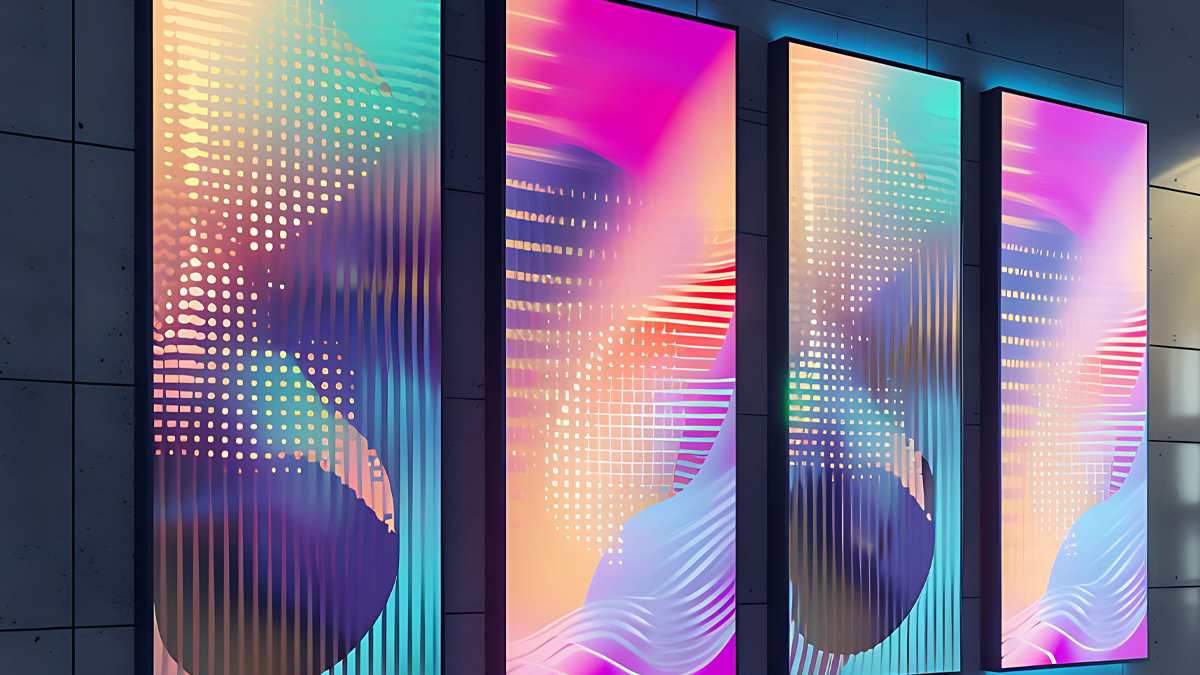
What is LED Panel?
LED Panel is a visual display surface made from many light emitting diodes arranged in a structured grid. In the field of visual technologies, under music technologies, an LED panel is used to display video, graphics, animations, lighting patterns, lyrics, live camera feeds, and synchronized visual effects during musical performances, concerts, festivals, music videos, award shows, club events, and stage productions.
Core Concept: An LED panel converts electronic video or lighting signals into visible light. Each tiny LED acts as a pixel or part of a pixel. When thousands or millions of these LEDs work together, they create bright, colorful, and dynamic visuals that can be seen by audiences from near or far.
Music Industry Context: In the music industry, LED panels are not only display devices. They are creative storytelling tools. They help musicians, DJs, production designers, visual artists, and stage directors build immersive environments around sound. A concert stage with LED panels can transform from a city skyline to abstract animation, from live performer close ups to reactive graphics that move with the beat.
Visual Technology Function: LED panels are widely used because they are bright, modular, scalable, and suitable for indoor and outdoor events. They can be built into large video walls, stage backdrops, floor screens, curved displays, ceiling installations, DJ booth visuals, and interactive set designs.
How does LED Panel Work?
LED Panel works by using light emitting diodes that produce light when electric current passes through them. These diodes are arranged into small groups called pixels. Each pixel usually includes red, green, and blue LEDs. By adjusting the brightness of these three colors, the panel can create millions of different colors.
Signal Processing: A video signal is sent from a media server, video processor, lighting console, or computer to the LED control system. This system divides the visual content into sections and sends the correct data to each LED module. Each module receives instructions about color, brightness, timing, and refresh behavior.
Pixel Control: Every pixel changes brightness very quickly. When these changes happen across the whole panel, the human eye sees a smooth moving image. For example, during a live concert, a music video background can play behind the artist while the LED panel updates thousands of times per second.
Synchronization with Music: In the music industry, LED panels often work with timecode, lighting control systems, audio triggers, and live visual software. Timecode allows visuals to match exact moments in a song. Audio reactive software can analyze beats, bass, vocals, and rhythm, then convert those signals into moving patterns on the LED display.
Modular Design: LED panels are usually made from multiple cabinets or tiles. These sections connect physically and electronically. This modular structure allows production teams to create small displays for clubs or massive screens for stadium concerts.
Brightness and Refresh Rate: LED panels must have enough brightness for the environment. Outdoor music festivals require high brightness because of daylight. Indoor concerts may need controlled brightness to avoid overpowering the stage lighting. Refresh rate also matters because cameras used in live broadcasting or music video recording can capture flicker if the panel refresh is too low.
What are the Components of LED Panel?
LED Modules: LED modules are the basic visual building blocks of an LED panel. Each module contains many LEDs arranged in rows and columns. These modules are fixed into larger cabinets to form a complete display surface.
LED Cabinets: Cabinets are structural frames that hold LED modules, power supplies, receiving cards, and wiring. They are designed for strength, alignment, easy installation, and quick maintenance. In touring concerts, cabinets must be durable because they are assembled and disassembled many times.
Pixels: Pixels are the smallest visible units of the LED panel image. Each pixel produces a specific color and brightness. The distance between pixels is called pixel pitch. Smaller pixel pitch gives sharper images and is useful for audiences sitting close to the screen.
Power Supply: LED panels require stable power to operate safely and consistently. Power supplies convert incoming electrical power into the voltage needed by the LEDs and control electronics. Large concert screens may require careful power planning because they consume significant energy.
Receiving Cards: Receiving cards receive data from the control system and distribute it to the LED modules. They help ensure that each part of the panel shows the correct image at the correct time.
Sending Controller: The sending controller receives video input from a computer, media server, camera system, or switcher. It processes the signal and sends it to the receiving cards. In large music events, controllers are essential for keeping visual content accurate and synchronized.
Video Processor: A video processor helps scale, crop, split, and manage visual content. It can handle multiple inputs, switch between live camera feeds and predesigned visuals, and adapt content to unusual screen shapes.
Media Server: A media server stores and plays visual content. It is often used in concerts, music festivals, and touring productions. It can play video loops, animations, lyrics, generative graphics, and synchronized visual scenes.
Rigging System: LED panels used on stages need safe mounting systems. Rigging includes trusses, frames, locks, cables, brackets, motors, and safety equipment. Proper rigging protects performers, crew members, and audiences.
Cabling and Data Network: Power cables and data cables connect all parts of the LED panel system. In professional music production, cable management is important because it affects safety, signal reliability, and setup speed.
What are the Types of LED Panel?
Indoor LED Panel: Indoor LED panels are designed for controlled environments such as concert halls, clubs, studios, theaters, award shows, and music production sets. They usually have smaller pixel pitch because viewers may be closer to the screen.
Outdoor LED Panel: Outdoor LED panels are built for festivals, stadium concerts, open air shows, and public music events. They have high brightness, weather resistant design, and strong cabinet protection against dust, moisture, and sunlight.
Rental LED Panel: Rental LED panels are made for touring and temporary installations. They are lightweight, easy to assemble, and designed for repeated use. Music tours rely heavily on rental panels because stages move from one city to another.
Fixed Installation LED Panel: Fixed installation panels are used in permanent venues such as music clubs, auditoriums, broadcast studios, worship music spaces, and entertainment arenas. These panels are installed for long term use and often customized for the venue.
Transparent LED Panel: Transparent LED panels allow light and background elements to pass through. They are used in creative stage designs where performers, lighting, and scenic elements must remain visible behind the display.
Flexible LED Panel: Flexible LED panels can bend or curve, making them useful for circular stages, curved DJ booths, tunnel effects, and artistic music video sets. They allow designers to move beyond flat rectangular screens.
Floor LED Panel: Floor LED panels are strong enough for performers to walk or dance on. They are used in live performances, dance music stages, television music shows, and immersive installations.
Fine Pitch LED Panel: Fine pitch LED panels have very small pixel spacing. They provide high resolution images and are suitable for close viewing, studio performances, virtual production, and premium indoor concerts.
Creative Shape LED Panel: Creative LED panels can be arranged into circles, cubes, strips, columns, arches, and irregular shapes. These are popular in electronic dance music events, pop concerts, and experimental stage design.
What are the Applications of LED Panel?
Concert Backdrops: LED panels are commonly used as large stage backdrops. They display animations, music videos, artist branding, abstract visuals, scenic environments, and emotional color transitions.
Live Camera Display: At large concerts and festivals, audience members far from the stage need close up views of performers. LED panels display live camera feeds so everyone can see facial expressions, instruments, dance moves, and stage interactions.
DJ Visuals: DJs use LED panels to create energetic visual environments. Beat matched graphics, logo animations, waveform designs, and color bursts help enhance the dance floor experience.
Music Video Production: LED panels are used as virtual backgrounds in music video sets. Instead of shooting in many physical locations, artists can perform in front of LED screens showing digital environments.
Award Shows: Music award shows use LED panels for stage branding, nominee visuals, performance graphics, transitions, and broadcast ready backgrounds.
Festivals: Outdoor music festivals use large LED screens for main stages, side stages, sponsor visuals, safety messages, artist announcements, and crowd engagement content.
Theater and Musical Performances: Musical theater productions use LED panels to change locations quickly. A single stage can become a street, palace, concert venue, forest, or abstract emotional space through digital backgrounds.
Immersive Music Experiences: LED panels are used in immersive rooms where visuals surround the audience. These experiences combine music, light, animation, and spatial design.
Branding and Promotion: LED panels display artist logos, album artwork, tour names, sponsors, merchandise promotions, and social media content.
Rehearsal and Production Design: Before a tour begins, LED panels are tested in rehearsals to check timing, colors, content quality, camera interaction, and performer positioning.
What is the Role of LED Panel in Music Industry?
LED Panel plays a major role in connecting sound with visual emotion. Music is heard, but modern audiences often expect to see the energy, mood, and identity of the performance as well. LED panels help turn songs into visual experiences.
Stage Identity: Every artist wants a unique stage identity. LED panels allow performers to create a recognizable visual style that supports their music genre, personality, album theme, and tour concept.
Audience Engagement: LED panels keep audiences visually engaged. Large screens help fans follow the performance, understand the mood of each song, and feel connected even in large venues.
Creative Storytelling: Many concerts are designed like visual journeys. LED panels support storytelling by showing scenes, symbols, colors, motion graphics, lyrics, memories, and thematic transitions.
Commercial Value: LED panels add production value to concerts, festivals, television shows, and music videos. A visually powerful performance can increase ticket appeal, social media sharing, broadcast quality, and brand partnerships.
Performance Support: LED panels can show lyrics, countdowns, cues, and timing elements for performers and production teams. While the audience sees creative visuals, backstage systems may use related screens for coordination.
Genre Expression: Different music genres use LED panels in different ways. Electronic music often uses fast abstract visuals. Pop concerts may use choreography driven video content. Rock shows may use bold textures and live camera feeds. Classical crossover shows may use elegant scenic visuals.
What are the Objectives of LED Panel?
Enhancing Visual Experience: One major objective of LED panels is to make music performances visually rich. They add color, movement, scale, and atmosphere to sound.
Supporting Artistic Vision: LED panels help artists express the meaning of songs, albums, and live shows. Visual content can match lyrics, emotions, rhythm, and performance style.
Improving Audience Visibility: Large LED screens help audiences see performers clearly, especially in stadiums and festivals where many people are far from the stage.
Creating Immersion: LED panels can surround the audience with visuals, making the event feel larger, deeper, and more memorable.
Strengthening Branding: Artists, record labels, festivals, and sponsors use LED panels to show logos, album visuals, campaign graphics, and promotional messages.
Increasing Production Flexibility: Digital visuals can replace heavy physical sets. A stage can change appearance instantly without moving large scenic objects.
Synchronizing Music and Visuals: LED panels help align video, lighting, and sound. When visuals hit exactly with drums, vocals, drops, or transitions, the performance feels more powerful.
Supporting Broadcast Quality: Many music events are recorded or streamed. LED panels create professional backgrounds and improve the visual value of camera shots.
What are the Benefits of LED Panel?
High Brightness: LED panels are very bright, which makes them suitable for large venues, outdoor stages, and high energy lighting environments.
Vivid Colors: LED panels produce strong color saturation. This helps create emotional scenes, exciting effects, and attractive stage visuals.
Scalable Size: LED panels can be combined to create displays of many sizes. A small club may use a compact wall, while a stadium concert may use a massive screen.
Modular Structure: Because LED panels are modular, damaged sections can often be replaced without changing the entire display. This is useful for touring and live events.
Creative Flexibility: Designers can build flat screens, curved screens, floor displays, columns, arches, and abstract shapes.
Real Time Content Control: Visual teams can change content during a performance. They can switch between live video, graphics, lyrics, camera feeds, and emergency messages.
Durability: Professional LED panels are built for demanding environments. Rental panels are especially designed for transportation, setup, and repeated handling.
Better Audience Connection: LED panels help audiences see performers more clearly and feel more connected to the stage.
Efficient Stage Transformation: Digital backgrounds reduce the need for many physical props. This saves setup time and allows faster transitions between songs.
Social Media Impact: Visually impressive LED stages are often recorded and shared online. This can increase public attention for artists and events.
What are the Features of LED Panel?
Pixel Pitch: Pixel pitch defines the distance between pixels. Smaller pitch gives higher detail. Larger pitch can work well for big screens viewed from far away.
Resolution: Resolution depends on panel size and pixel pitch. Higher resolution creates sharper visuals, which is important for close up viewing and broadcast production.
Brightness Control: LED panels allow brightness adjustment. This helps match indoor lighting, outdoor sunlight, camera exposure, and artistic mood.
Refresh Rate: Refresh rate affects how smoothly the panel updates. High refresh rate is important for camera recording and flicker free performance.
Color Calibration: Professional LED panels can be calibrated so colors look consistent across all modules. This is important when many panels are joined together.
Viewing Angle: A wide viewing angle allows people on the sides of a venue to see the image clearly. This is useful in concerts with large crowds.
Weather Resistance: Outdoor LED panels often have protection against rain, dust, heat, and humidity.
Lightweight Cabinet Design: Touring panels are designed to be light enough for quick transport and installation while still being strong.
Front and Rear Maintenance: Some LED panels allow maintenance from the front, while others are serviced from the back. This matters in venues where space is limited.
Seamless Connection: High quality panels connect with minimal gaps, creating a smooth continuous image.
Content Compatibility: LED panels work with video, motion graphics, live camera feeds, lighting control systems, media servers, and visual performance software.
What are the Examples of LED Panel?
Concert Video Wall: A large LED wall behind a singer can display album visuals, animated scenery, and emotional color patterns that change with each song.
Festival Side Screens: Big LED screens on both sides of a festival stage show live close ups of performers so people at the back can see the show clearly.
DJ Booth Display: A DJ booth covered with LED panels can show beat reactive graphics, artist logos, and fast moving electronic visuals.
LED Stage Floor: A pop performance may use an LED floor that displays moving patterns under dancers and performers.
Curved LED Background: A curved LED wall can wrap around a stage, making the performer appear inside a digital world.
Transparent LED Curtain: A transparent LED screen can hang in front of or behind performers while allowing lighting and scenic depth to remain visible.
Music Video Virtual Set: An artist can perform in front of LED panels showing a moving city, abstract tunnel, sunset sky, or futuristic digital room.
Award Show Stage: LED panels can display nominee graphics, performance backgrounds, winner announcements, and transition visuals.
Club Installation: A nightclub may install LED panels across walls and ceilings to create synchronized light and video experiences.
Touring Production Screen: A touring band may travel with modular LED panels that are rebuilt in each city according to the stage size.
What is the Definition of LED Panel?
LED Panel is a modular electronic display system made from many light emitting diodes that work together to produce images, videos, colors, graphics, and visual effects. In music technologies, it is a visual display tool used to support live performances, stage design, music video production, broadcasting, festivals, and immersive entertainment.
Technical Definition: LED Panel is a display device in which individual LEDs or LED clusters act as pixels. These pixels receive controlled electrical signals and produce light at different brightness and color levels to form complete visual content.
Music Industry Definition: In the music industry, LED Panel is a stage and production technology that transforms audio performances into visual experiences by displaying synchronized videos, animations, live feeds, lighting effects, artist branding, and creative digital environments.
Practical Definition: LED Panel is a screen made of connected LED sections that can be built into different sizes and shapes for concerts, events, studios, and entertainment venues.
What is the Meaning of LED Panel?
LED Panel means a flat or shaped display surface that uses LED technology to create bright visual content. The term combines LED, which means light emitting diode, with panel, which refers to a display section or surface.
Simple Meaning: LED Panel means a screen made from tiny lights. These tiny lights turn on and off at different colors and brightness levels to create images and videos.
Meaning in Visual Technologies: In visual technologies, LED Panel means a controllable digital display system that can present moving visuals, graphics, text, and effects.
Meaning in Music Technologies: In music technologies, LED Panel means a tool that helps music become visible. It connects sound with color, motion, performance, and audience emotion.
Meaning in Live Entertainment: In live entertainment, LED Panel means a powerful stage element that can change the look of a performance instantly. It can replace painted backdrops, support lighting design, and create digital scenery.
Creative Meaning: LED Panel also means visual freedom. It gives artists and production teams the ability to create changing environments that would be difficult or impossible with only physical stage materials.
What is the Future of LED Panel?
Higher Resolution: The future of LED panels will include finer pixel pitch and sharper image quality. This will make LED screens more useful for close viewing, studios, music videos, and virtual production.
More Creative Shapes: Future LED panels will become more flexible, lighter, and easier to curve. Music stages may use more circular, wave shaped, transparent, and sculptural LED designs.
Better Integration with Lighting: LED panels and stage lighting will become more connected. Visual designers will be able to control light, video, color, and motion from unified systems.
Audio Reactive Visuals: LED panels will increasingly respond to music in real time. Artificial intelligence and advanced audio analysis may help visuals react to melody, rhythm, bass, vocals, and crowd energy.
Virtual Production Growth: Music video production and live streaming will use LED panels more often as virtual backgrounds. This can reduce travel, speed up production, and allow artists to perform inside digital worlds.
Interactive Concert Experiences: Future LED systems may respond to audience movement, mobile devices, wearable lights, and real time crowd participation. This can make concerts feel more personal and immersive.
Energy Efficiency: LED technology will continue improving in brightness and energy performance. More efficient panels can reduce power use and heat output during long events.
Improved Portability: Touring productions will benefit from thinner, lighter, and faster assembly LED panels. This can reduce transportation challenges and setup time.
Better Camera Performance: Future panels will improve refresh rate, color accuracy, brightness control, and camera compatibility. This will support live streaming, concert films, and broadcast events.
Expanded Use in Small Venues: As costs become more accessible, smaller clubs, independent artists, local festivals, and music schools may use LED panels more often.
Summary
- LED Panel is a visual display technology made from many light emitting diodes arranged in a grid to show videos, graphics, colors, animations, and live visuals.
- In the music industry, LED panels help transform concerts, festivals, music videos, DJ sets, award shows, and stage productions into immersive visual experiences.
- LED panels work by receiving electronic video or control signals and converting them into light through thousands or millions of tiny LED pixels.
- Main components include LED modules, cabinets, pixels, power supplies, receiving cards, controllers, video processors, media servers, rigging systems, and cables.
- Common types include indoor LED panels, outdoor LED panels, rental panels, fixed installation panels, transparent panels, flexible panels, floor panels, fine pitch panels, and creative shape panels.
- LED panels are used for concert backdrops, live camera feeds, DJ visuals, music videos, festivals, theater productions, immersive rooms, branding, and broadcast events.
- The main role of LED panels is to connect music with visual storytelling, audience engagement, stage identity, and emotional impact.
- Objectives include enhancing visual experience, supporting artistic vision, improving audience visibility, creating immersion, strengthening branding, and synchronizing visuals with music.
- Benefits include high brightness, vivid colors, scalability, modular design, creative flexibility, durability, real time control, and strong audience connection.
- Important features include pixel pitch, resolution, brightness control, refresh rate, color calibration, viewing angle, weather resistance, lightweight design, and seamless connection.
- The future of LED panels in music will include higher resolution, flexible shapes, audio reactive visuals, virtual production, interactive concerts, better energy efficiency, and stronger integration with lighting systems.

