

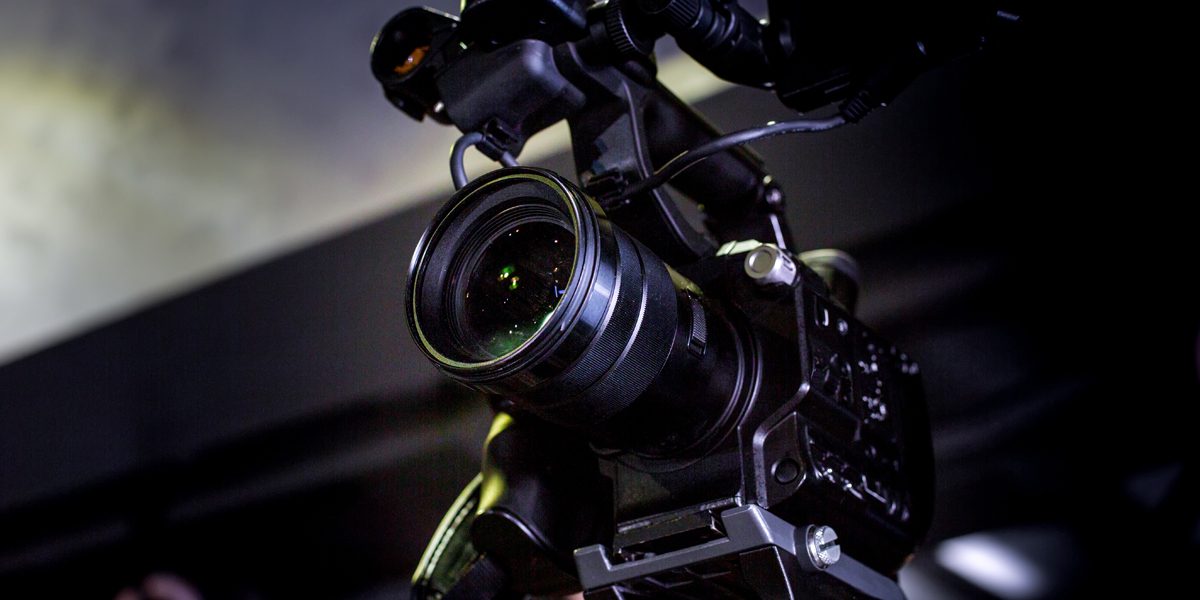
A cine lens is a purpose built lens for motion pictures that prioritizes precise focus control, consistent aperture markings, and robust mechanical construction for repeatable shots. Unlike still photo lenses, it maintains focus during zoom, offers long focus throws with hard stops, and minimises breathing for smooth pulls. Color matching across sets, uniform gear positions, and calibrated T stop scales help crews operate efficiently on set. Durable housings, serviceability, and interchangeable mounts support professional workflows from indie projects to feature films. This guide explains the Top 10 Cine Lens Brands in the World, highlighting strengths, optical character, and practical considerations for choosing the right tools.
ARRI
ARRI builds modern cine lenses that prioritise neutrality, resolution, and reliable mechanics. Signature Prime and Signature Zoom series use large image circles, smooth focus ramps, and magnetic rear filter holders that invite creative looks without compromising calibration. The focus scales are expansive and highly readable, with minimal breathing and consistent contrast across the set. Coatings are tuned to control flare yet retain pleasing halation around highlights when desired. All barrels share similar gear placement, simplifying follow focus and matte box setups. Combined with robust service networks, ARRI glass is a trusted choice for demanding cinema productions worldwide.
Zeiss
Zeiss offers a wide range of cinema lenses known for precision, consistency, and color neutrality. Supreme Prime and Supreme Prime Radiance deliver high resolution with controlled focus breathing and smooth, repeatable mechanics suited to robotic moves and fast paced sets. Zeiss gears and housing dimensions are consistent across focal lengths, easing rigging and accessory changes. The company provides extensive metadata support through lens data communication that benefits virtual production and post pipelines. From CP cinematography primes to premium Master Anamorphic collaborations, Zeiss covers many budgets while maintaining robust service and calibration standards that crews appreciate.
Cooke Optics
Cooke Optics is celebrated for the warm rendering often described as the Cooke Look, combining gentle contrast, smooth falloff, and flattering skin tones. The S7 and S8 primes cover large format sensors with minimal distortion and well controlled breathing. Mechanically, they feature generous focus throws, accurate T stop scales, and consistent gear positions for efficient on set work. Cooke also supports anamorphic storytelling with thoughtfully matched prime sets. Color matching across generations helps productions maintain continuity when mixing formats. Strong global service, reliable weather sealing, and durable construction make Cooke a favourite for character driven narratives and commercial work.
Leitz Cine
Leitz Cine, formerly Leica, focuses on premium optics that combine high micro contrast with refined bokeh. The Leitz Prime and Leitz Zoom families are engineered for large format coverage, uniform rendering, and minimal chromatic aberration. Attention to mechanical details includes robust barrels, long focus rotation, and dependable repeatability for complex marks. Leitz aims for natural color with a slightly crisp signature that suits high end features and advertising. The company coordinates gear placement and front diameters to simplify matte box and motor setups. Comprehensive service programs and meticulous quality control ensure longevity across demanding production schedules.
Angenieux
Angenieux is synonymous with cinema zooms that balance optical performance and beautiful rendering. The Optimo and Optimo Ultra series are prized for constant T stop designs, minimal breathing, and graceful flare that adds character without sacrificing clarity. Mechanics are buttery smooth with carefully damped rotation and precise witness marks for accurate pulls. Angenieux supports both Super 35 and large format coverage, and accessories such as IRO modules extend flexibility across cameras. Consistent gear positions and common front diameters reduce rigging time. Their service heritage and field proven durability make Angenieux the reference choice for narrative and documentary zoom work.
Canon
Canon cine lenses combine optical reliability with broad availability and practical ergonomics. CN E primes and Sumire primes offer matched color and precise T stop markings, with Sumire providing a subtle vintage character at wider apertures. Canon zooms such as Cinema EOS and Compact Servo lines bring parfocal performance, accurate breathing control, and excellent autofocus options on compatible bodies. Housing designs emphasise consistent gear spacing, clear scales, and robust build quality suitable for travel and rental environments. Widespread service centers and straightforward accessories make Canon an efficient choice for television, commercial, and independent productions seeking dependable results.
Fujinon
Fujinon, the cinema division of Fujifilm, is renowned for professional zooms that are both sharp and cinematic. The Premista series covers large format sensors with consistent color and restrained breathing, while Cabrio lenses add servo capability for fast changing situations. Fujinon prioritizes excellent parfocal behaviour, solid mechanics, and accessible service programs. Witness marks are clean and legible, gears are standardised, and fronts are designed to work easily with matte boxes. Many crews appreciate Fujinon for documentary, broadcast, and narrative work where dependable zoom performance and cohesive rendering across focal lengths are essential to the workflow.
Sigma
Sigma Cine offers strong value by delivering high optical quality and consistent mechanics at accessible price points. Its FF High Speed primes and Classic versions maintain uniform gear positions, common front diameters, and generous focus throws for precise operation. The optical design aims for clean resolution, low chromatic aberration, and restrained flare, while the Classic line introduces tasteful glow and reduced coatings for character. Sigma backs lenses with robust service and a broad selection of mounts, enabling flexible camera choices. For productions balancing budget and performance, Sigma has become a dependable standard for both owner operators and rental houses.
Tokina Cinema
Tokina Cinema builds lenses that combine rugged construction with pleasing rendering for modern digital sensors. Vista Prime lenses cover large format with minimal distortion and low breathing, while Cinema ATX zooms offer compact, parfocal designs suited to mobile rigs and gimbal work. Mechanically, Tokina provides long focus rotation, clear scales, and dependable repeatability that focus pullers appreciate. The company strives for natural color and smooth out of focus transitions, creating images that grade easily. With competitive pricing, interchangeable mounts, and improving global service support, Tokina Cinema is a practical choice for narrative, commercial, and documentary assignments.
Sony
Sony develops cine lenses that integrate tightly with its cinema cameras and production ecosystem. FE C and CineAlta lines prioritise communication for metadata, aperture control, and autofocus options where appropriate, while retaining manual precision with long throws and readable witness marks. Optics aim for high resolution and low breathing to suit large format sensors used in modern workflows. Consistent color science across cameras and lenses supports predictable grading. Sony also focuses on balanced weight and compact profiles to complement gimbal and handheld setups. Combined with reliable distribution and service, Sony lenses provide a unified, efficient option for many production styles.

