

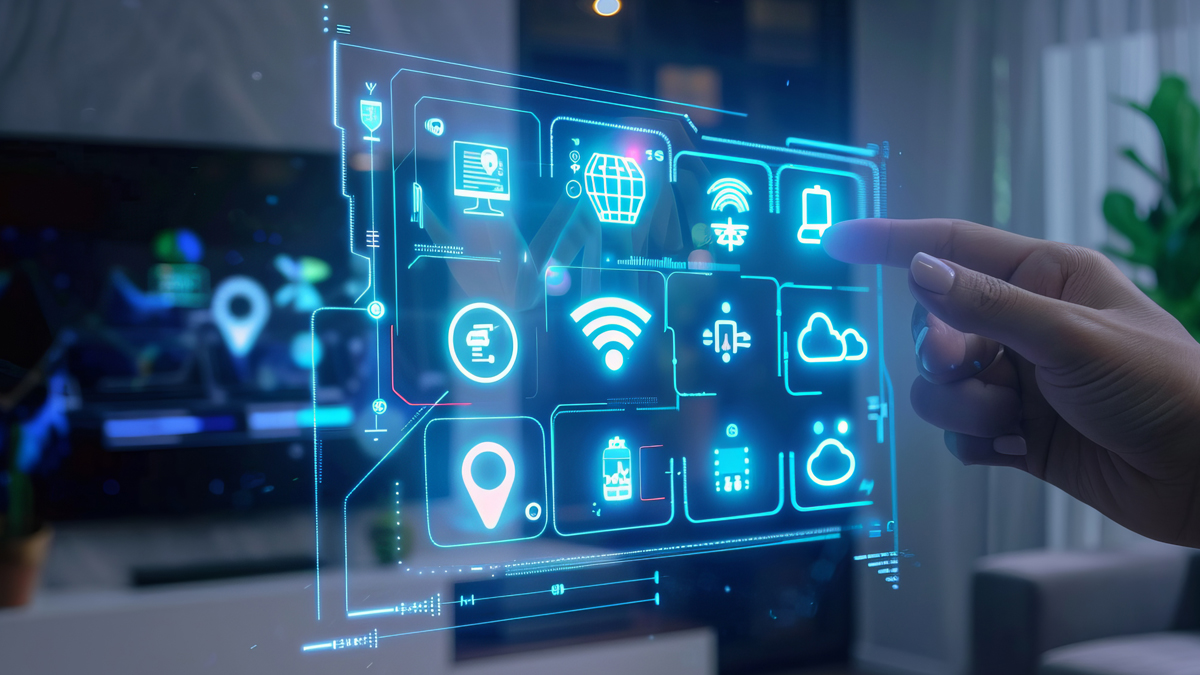
What is IoT Platform in Music Industry?
An IoT platform is a technology system that connects physical devices, sensors, software applications, cloud services, and users into one organized digital environment. IoT stands for Internet of Things, which means a network of connected devices that can collect data, exchange information, and perform actions through the internet or other communication networks.
In the context of music technologies under the music industry, an IoT platform can connect musical instruments, studio equipment, speakers, wearables, lighting systems, venue devices, ticketing systems, audience engagement tools, and streaming-related hardware. It allows these connected devices to communicate with each other and with software systems so that music production, performance, distribution, marketing, and audience experiences become more intelligent and automated.
Core Idea: An IoT platform works like a bridge between the physical world and the digital world. A smart guitar pedal, a connected microphone, a stage lighting controller, or a wearable device used by a performer can send data to the platform. The platform then processes that data and can trigger useful actions, such as adjusting sound levels, monitoring equipment health, tracking audience movement, or improving live concert experiences.
Music Industry Relevance: In the music industry, IoT platforms help create smarter studios, smarter venues, smarter instruments, and smarter fan experiences. They allow artists, producers, venue managers, sound engineers, event organizers, and music companies to use data in practical ways. For example, an IoT platform can help a concert venue monitor speaker performance, control lighting based on music tempo, manage crowd flow, and personalize fan interactions through connected wristbands or mobile devices.
Simple Explanation: An IoT platform is not just one device or one application. It is a complete system that receives data from connected devices, stores that data, analyzes it, and helps people or machines make better decisions. In music, this can mean better sound quality, smoother performances, safer venues, more creative tools, and stronger connections between artists and audiences.
How does IoT Platform Work?
An IoT platform works by collecting data from connected devices, sending that data through networks, processing it through software, and then producing useful outputs. These outputs may appear as dashboards, alerts, automation commands, reports, or direct actions taken by devices.
Device Connection: The first step is connecting physical devices to the platform. These devices may include sensors, microphones, smart speakers, digital instruments, audio interfaces, lighting controllers, cameras, wearables, ticket scanners, and environmental monitors. Each device collects specific information. For example, a temperature sensor in a recording studio can monitor room conditions, while a connected speaker can report performance status.
Data Collection: Once devices are connected, they begin collecting data. In a music studio, this data might include humidity, temperature, equipment usage, sound levels, instrument tuning status, and energy consumption. In a live concert venue, it might include crowd density, speaker output, lighting activity, entry gate traffic, and merchandise booth activity.
Network Communication: The data then travels through a communication network. This network may use Wi-Fi, Bluetooth, cellular networks, Ethernet, RFID, NFC, Zigbee, or other wireless technologies. The choice of network depends on the type of device, distance, speed, energy requirement, and reliability needed.
Cloud or Edge Processing: After data is transmitted, it is processed either in the cloud or closer to the device through edge computing. Cloud processing is useful when large amounts of data need storage, analysis, and long-term access. Edge processing is useful when quick decisions are needed, such as adjusting stage lights instantly during a live performance.
Data Analysis: The IoT platform analyzes the incoming data to find patterns, detect problems, and create insights. For example, if a connected amplifier begins overheating, the platform can identify the abnormal condition and alert the technician before the equipment fails. If audience movement in a venue becomes too crowded in one area, the system can help staff manage the crowd more safely.
Automation and Action: After analysis, the platform can trigger actions. These actions may be automatic or controlled by users. For example, smart lighting can change according to the rhythm of a song. A venue air-conditioning system can adjust based on crowd size. A studio can receive an alert when humidity rises above the safe range for wooden instruments.
User Interface: The final part of the process is the user interface. This may be a web dashboard, mobile app, control panel, or professional software tool. It allows users to see device status, review data, manage settings, control equipment, and make informed decisions.
What are the Components of IoT Platform?
An IoT platform has several important components that work together to connect devices, manage data, and support intelligent actions.
Connected Devices: These are the physical objects that collect data or perform actions. In the music industry, connected devices can include smart instruments, audio mixers, microphones, speakers, lighting systems, wearables, studio sensors, ticket scanners, and venue security devices.
Sensors and Actuators: Sensors collect information from the environment, while actuators perform actions. A sensor can detect sound level, motion, temperature, vibration, humidity, or location. An actuator can adjust lighting, change volume, open access gates, control ventilation, or activate equipment.
Connectivity Layer: This component allows devices to communicate with the platform. It includes communication technologies such as Wi-Fi, Bluetooth, 5G, Ethernet, NFC, RFID, and low-power wireless networks. In music venues, reliable connectivity is very important because live events need fast and stable communication.
Data Processing System: This system receives raw data and turns it into meaningful information. It filters, cleans, organizes, and analyzes the data. For example, raw sound-level readings from different areas of a concert hall can be processed to understand whether the audience is experiencing balanced audio.
Cloud Infrastructure: Many IoT platforms use cloud infrastructure to store and process large amounts of data. Cloud systems allow remote access, scalability, backups, analytics, and integration with other software tools. For a music business, cloud-based IoT platforms can connect many venues, studios, or devices across different locations.
Edge Computing Layer: Edge computing processes data near the source instead of sending everything to the cloud. This is useful for low-latency tasks. In a concert, lighting and sound automation may need instant responses, so edge processing can reduce delays.
Application Layer: This is where users interact with the IoT system. Applications may include dashboards, mobile apps, studio control software, venue management systems, fan engagement tools, and analytics platforms.
Security System: Security protects devices, data, users, and networks. It includes encryption, authentication, access control, secure updates, monitoring, and threat detection. Since music businesses may handle audience data, payment data, and creative assets, security is essential.
Integration Tools: IoT platforms often connect with other systems, such as streaming platforms, ticketing tools, customer relationship management systems, digital audio workstations, payment platforms, and marketing software.
What are the Types of IoT Platform?
IoT platforms can be grouped into different types based on their main purpose. In practice, many platforms combine several types into one solution.
Device Management Platforms: These platforms focus on registering, monitoring, updating, and controlling connected devices. In music venues, this can help manage smart speakers, lighting systems, stage equipment, and access devices from one dashboard.
Connectivity Management Platforms: These platforms help manage network connections between devices and the internet. They are useful when many devices use cellular, Wi-Fi, or other network services. A large festival can use connectivity management to support thousands of connected wristbands, scanners, sensors, and staff devices.
Application Enablement Platforms: These platforms provide tools for building IoT applications. Developers can create dashboards, automation rules, data models, and user experiences. A music technology company can use such a platform to build an app for smart instruments or connected studio devices.
Analytics Platforms: These platforms focus on collecting and analyzing IoT data. In music, analytics platforms can study audience behavior, equipment performance, sound quality, venue energy use, and fan engagement.
Cloud IoT Platforms: These platforms use cloud infrastructure to connect, store, and process IoT data. They are scalable and useful for music companies that manage devices across multiple cities or countries.
Edge IoT Platforms: These platforms process data close to the device. They are useful when fast action is required. In live performance, edge platforms can support instant lighting changes, sound adjustments, and safety alerts.
Industrial IoT Platforms: These platforms are often used for equipment monitoring, automation, and operational efficiency. In the music industry, they can support manufacturing of musical instruments, audio hardware, vinyl records, speakers, and stage equipment.
Consumer IoT Platforms: These platforms connect everyday consumer devices. In music, this includes smart speakers, connected headphones, home audio systems, wearable listening devices, and app-controlled instruments.
What are the Applications of IoT Platform?
IoT platforms have many applications in the music industry because music involves creation, performance, distribution, venues, audiences, and equipment.
Smart Recording Studios: IoT platforms can help recording studios manage temperature, humidity, acoustics, lighting, energy use, and equipment status. A studio can automatically maintain conditions that protect instruments and improve recording quality.
Connected Musical Instruments: Smart instruments can collect performance data, tuning information, playing patterns, and maintenance needs. For example, a connected keyboard can sync settings with software, while a smart guitar can help track practice habits or sound preferences.
Live Concert Automation: IoT platforms can connect sound systems, lighting, stage effects, screens, cameras, and sensors. This makes live events more coordinated and immersive. Lighting can respond to music tempo, stage effects can trigger at specific moments, and sound systems can be monitored in real time.
Venue Management: Concert halls, clubs, theaters, and festival grounds can use IoT platforms to manage crowd flow, entry gates, security, lighting, air quality, temperature, parking, and energy consumption. This improves safety and operational efficiency.
Fan Engagement: Connected wristbands, mobile apps, smart tickets, and location-aware systems can create interactive fan experiences. Fans may receive personalized content, participate in light shows, access exclusive offers, or interact with performances through connected devices.
Equipment Monitoring: Audio equipment, amplifiers, speakers, microphones, and stage devices can be monitored for performance and maintenance. The platform can detect faults before they become serious problems.
Music Education: IoT platforms can support smart learning tools for music students. Connected instruments can track practice time, rhythm accuracy, finger movement, and learning progress. Teachers can use this data to provide better feedback.
Streaming and Home Listening: Smart speakers and connected audio systems use IoT principles to deliver personalized listening experiences. They can adjust sound based on room conditions, user preferences, and device location.
Merchandising and Retail: IoT can support smart merchandise booths, inventory tracking, contactless payments, and personalized offers at concerts. Record stores and instrument shops can also use IoT for stock management and customer experience.
Music Therapy: Connected devices can support music therapy by tracking patient responses, movement, heart rate, mood signals, and interaction with sound. This can help therapists design more effective sessions.
What is the Role of IoT Platform in Music Industry?
The role of an IoT platform in the music industry is to make music-related environments more connected, intelligent, responsive, and data-driven. It helps transform traditional music activities into smart digital experiences.
Creative Production: In music production, IoT platforms help artists and producers work with connected tools. Smart studios can remember settings, monitor equipment, adjust room conditions, and support remote collaboration. This creates a more efficient creative environment.
Performance Enhancement: For live performers, IoT platforms can connect instruments, microphones, monitors, lights, effects, and wearable devices. A performer can use connected technology to control sound effects, trigger visuals, or monitor body movement during a show.
Audience Experience: The platform can help create richer fan experiences. Connected wristbands can glow in sync with music. Mobile devices can receive personalized content. Smart venue systems can guide fans to seats, food counters, exits, or merchandise areas.
Operational Control: Music businesses need to manage venues, equipment, staff, schedules, energy, security, and customer experience. IoT platforms provide centralized control and real-time visibility. This helps reduce mistakes, improve planning, and lower costs.
Data-Driven Decisions: The music industry increasingly depends on data. IoT platforms provide real-world data from venues, devices, audiences, and equipment. This data can help organizers understand what works, where problems happen, and how to improve future events.
Safety and Security: In crowded music events, safety is extremely important. IoT platforms can support crowd monitoring, emergency alerts, access control, surveillance integration, and environmental monitoring. This helps protect fans, artists, and staff.
New Business Models: IoT platforms can help create new revenue opportunities. Smart instruments can offer subscription-based features. Venues can sell personalized fan experiences. Artists can use connected merchandise. Music companies can offer data-based services to event organizers and performers.
What are the Objectives of IoT Platform?
The objectives of an IoT platform are to connect devices, manage data, automate actions, improve decision-making, and create value for users and businesses.
Connectivity Objective: The platform aims to connect many different devices and systems so they can communicate with each other. In music, this means connecting instruments, studio tools, venue systems, audience devices, and management software.
Data Collection Objective: IoT platforms collect useful data from the physical environment. This data can come from sound systems, lighting equipment, crowd sensors, smart tickets, wearables, and studio devices.
Automation Objective: One major objective is to automate repeated tasks. A studio can automatically adjust lighting and temperature. A concert venue can automatically monitor sound levels. A smart instrument can automatically update settings.
Efficiency Objective: IoT platforms help reduce waste, save time, and improve resource use. Music venues can reduce energy costs. Equipment teams can reduce downtime. Event organizers can manage operations more smoothly.
Quality Objective: In music, quality matters deeply. IoT platforms can help improve sound quality, performance reliability, recording conditions, and audience comfort.
Safety Objective: IoT platforms help identify risks early. They can monitor crowd density, equipment overheating, fire safety systems, emergency exits, and environmental conditions.
Personalization Objective: The platform can help personalize experiences for artists, engineers, fans, and students. It can remember preferences, recommend settings, and adapt services to user behavior.
Innovation Objective: IoT platforms encourage new creative possibilities. Artists can design interactive performances. Developers can build smart instruments. Venues can offer immersive experiences.
What are the Benefits of IoT Platform?
IoT platforms provide many benefits to music professionals, businesses, artists, and audiences.
Better Efficiency: IoT platforms reduce manual work by automating monitoring, control, and reporting. A venue manager can see the status of lighting, sound, temperature, and crowd flow from one dashboard.
Improved Sound Management: Connected audio systems can help engineers monitor sound levels across different areas. This can lead to more balanced audio and better listening experiences.
Reduced Equipment Failure: IoT platforms can monitor equipment health and detect early signs of failure. This is valuable because equipment failure during recording or live performance can be expensive and stressful.
Enhanced Fan Experience: Fans can enjoy interactive wristbands, smart tickets, personalized messages, faster entry, better navigation, and immersive light shows.
Cost Savings: Music businesses can save money through energy optimization, preventive maintenance, better staff coordination, and reduced downtime.
Real-Time Information: IoT platforms provide live data. During a concert, organizers can see crowd movement, entry speed, equipment status, and environmental conditions in real time.
Better Safety: Safety systems become stronger when connected devices work together. Crowd sensors, cameras, access systems, and alerts can help prevent dangerous situations.
Creative Possibilities: Artists can use IoT technology to create interactive music experiences. Instruments, lights, visuals, and audience devices can become part of the performance.
Remote Management: Studios, venues, and equipment can be managed remotely. This is useful for companies operating multiple locations or for technicians who need to solve problems from another place.
Personalized Learning: Music students can receive data-based feedback from connected instruments and learning platforms. This can support more effective practice.
What are the Features of IoT Platform?
An effective IoT platform includes features that support device connection, data processing, security, automation, and user control.
Device Registration: The platform allows devices to be added, identified, grouped, and managed. This helps users know which devices are active and where they are located.
Real-Time Monitoring: Users can see live information from connected devices. In a music venue, this may include sound levels, lighting status, crowd density, and equipment temperature.
Data Storage: The platform stores historical data for future analysis. This helps music businesses compare events, review performance, and plan improvements.
Analytics and Reports: Analytics tools turn raw data into useful insights. Reports may show energy usage, equipment performance, fan movement, or studio conditions.
Automation Rules: Users can create rules that trigger actions. For example, if speaker temperature rises above a limit, the system can send an alert or reduce output.
Alerts and Notifications: The platform sends warnings when something needs attention. Alerts may be sent through email, mobile apps, dashboards, or control systems.
Security Features: Security features include user authentication, device identity, encryption, permission control, secure updates, and activity monitoring.
Scalability: A good IoT platform can grow from a few devices to thousands or millions of devices. This is important for festivals, venue chains, and global music technology companies.
Integration Support: The platform can connect with other software tools such as ticketing systems, digital audio workstations, streaming services, customer databases, and payment systems.
User Dashboard: A dashboard gives users a clear view of data and controls. It helps non-technical users understand what is happening without needing complex programming knowledge.
Remote Updates: Devices can receive software updates remotely. This helps keep connected instruments, speakers, and controllers secure and functional.
What are the Examples of IoT Platform?
Examples of IoT platforms include commercial cloud platforms, open-source platforms, hardware-focused platforms, and music-specific connected systems.
Commercial Cloud Platforms: AWS IoT Core and Microsoft Azure IoT are widely known platforms used to connect devices, process data, and build IoT applications. Music technology companies can use these platforms to build connected audio products, smart venue systems, or fan engagement tools.
Open-Source Platforms: ThingsBoard, Node-RED, and Eclipse IoT projects are examples of tools that can support IoT development. These platforms are useful for experimentation, education, prototypes, and custom solutions.
Hardware-Focused Platforms: Particle and Arduino IoT Cloud support connected hardware projects. A music technology developer could use such platforms to create smart pedals, connected instruments, interactive installations, or sensor-based performance tools.
Smart Speaker Ecosystems: Smart speakers and connected home audio systems are practical examples of IoT in music listening. They connect to streaming services, respond to voice commands, sync across rooms, and personalize playback.
Connected Venue Systems: A concert venue may use an IoT platform that connects lighting, sound, access control, environmental sensors, cameras, and crowd monitoring tools. This platform may be custom-built or based on commercial IoT services.
Interactive Concert Technology: Connected wristbands used in concerts are another example. These devices can light up in synchronization with music and stage effects, turning the audience into part of the visual performance.
Smart Instrument Platforms: Some modern musical instruments and audio devices connect to apps or cloud systems. These platforms can store presets, update firmware, track usage, and support learning features.
What is the Definition of IoT Platform?
An IoT platform is a software-based and network-based system that connects physical devices to digital applications so that data can be collected, processed, analyzed, and used for automation or decision-making.
Technical Definition: An IoT platform is an integrated technology layer that provides device connectivity, device management, data ingestion, data storage, analytics, security, and application integration for connected devices.
Music Industry Definition: In the music industry, an IoT platform is a connected technology system that links music equipment, venues, instruments, audience devices, and software tools to improve music creation, performance, distribution, fan engagement, safety, and business operations.
Simple Definition: An IoT platform is the central system that helps smart devices communicate, share data, and perform useful actions.
Practical Definition: If a smart device is the body, the IoT platform is the brain and communication system. It receives signals, understands them, stores knowledge, and sends instructions.
What is the Meaning of IoT Platform?
The meaning of IoT platform goes beyond connecting devices. It means building an intelligent environment where physical objects can become part of a digital ecosystem.
Meaning in Technology: In technology, an IoT platform means a foundation that supports connected devices and applications. It makes it possible for devices to send data, receive commands, and work together.
Meaning in Music Technologies: In music technologies, an IoT platform means using connected systems to improve how music is created, performed, experienced, and managed. It brings intelligence to studios, instruments, venues, and audience engagement.
Meaning for Artists: For artists, it can mean more creative control, interactive performances, and smart tools that respond to music and movement.
Meaning for Music Businesses: For businesses, it can mean better operations, lower costs, safer events, and new revenue streams.
Meaning for Fans: For fans, it can mean more personalized, immersive, and convenient music experiences.
Broader Meaning: The broader meaning of an IoT platform is transformation. It transforms ordinary music equipment and spaces into connected, responsive, and intelligent systems.
What is the Future of IoT Platform?
The future of IoT platforms in the music industry is expected to become more intelligent, more immersive, and more connected with artificial intelligence, 5G, edge computing, extended reality, and advanced data analytics.
AI-Powered Music Environments: IoT platforms will likely work more closely with artificial intelligence. Smart studios may automatically suggest settings based on the type of music being recorded. Live venues may use AI to adjust sound and lighting based on crowd response.
Smarter Live Performances: Future concerts may become more interactive. Audience devices, wearable technology, lighting systems, visuals, and stage equipment may all respond to music in real time. Fans may become active participants instead of passive listeners.
Advanced Smart Instruments: Musical instruments may become more connected and adaptive. They may track performance technique, provide feedback, store sound profiles, connect with learning platforms, and interact with other devices.
Better Fan Personalization: IoT platforms may help create personalized fan journeys before, during, and after events. Fans may receive customized entry experiences, content, offers, seat guidance, and post-concert memories.
Safer Events: IoT platforms will become important for safety in large music events. Better crowd monitoring, emergency response, environmental tracking, and access control can make festivals and concerts safer.
Sustainable Music Venues: Energy management will become more important. IoT platforms can help venues reduce electricity use, manage lighting efficiently, control air systems, and reduce waste.
More Remote Collaboration: Connected studios and equipment may support remote music production. Producers, artists, and engineers in different locations may control devices, share settings, and collaborate through connected platforms.
Growth of Immersive Music: IoT will support music experiences linked with virtual reality, augmented reality, spatial audio, and interactive installations. This can create new forms of performance and storytelling.
Stronger Security Needs: As more devices connect to music systems, cybersecurity will become more important. Future IoT platforms will need stronger protection for data, payments, creative files, and connected equipment.
Summary
- An IoT platform is a system that connects physical devices, software, networks, and users so that data can be collected, analyzed, and used for intelligent actions.
- In the music industry, IoT platforms support smart studios, connected instruments, live concert automation, venue management, fan engagement, equipment monitoring, and music education.
- IoT platforms work through device connection, data collection, network communication, cloud or edge processing, data analysis, automation, and user interfaces.
- Important components include connected devices, sensors, actuators, connectivity systems, data processing tools, cloud infrastructure, edge computing, applications, security, and integration tools.
- Types of IoT platforms include device management platforms, connectivity platforms, application enablement platforms, analytics platforms, cloud platforms, edge platforms, industrial platforms, and consumer platforms.
- Benefits include better efficiency, improved sound management, reduced equipment failure, enhanced fan experiences, cost savings, real-time information, safety, creativity, remote management, and personalized learning.
- Features of IoT platforms include device registration, real-time monitoring, data storage, analytics, automation rules, alerts, security, scalability, integration support, dashboards, and remote updates.
- Examples include AWS IoT Core, Microsoft Azure IoT, ThingsBoard, Node-RED, Eclipse IoT projects, Particle, Arduino IoT Cloud, smart speaker systems, connected venue systems, interactive wristbands, and smart instrument platforms.
- The role of IoT platforms in music is to make music creation, performance, business operations, and audience experiences more connected, intelligent, and responsive.
- The future of IoT platforms in music will likely involve artificial intelligence, edge computing, 5G, immersive concerts, smart instruments, safer venues, sustainable operations, and stronger cybersecurity.

